By Camilla Capel | Fundraising and Events Executive
As 2025 comes to an end, we’re thrilled to share the progress and challenges from our elephant field partners—made possible by the incredible support of our GlobalGiving community. This year brought significant strides in wildlife rescue, rehabilitation, and community engagement, along with valuable lessons that will shape our work in 2026.
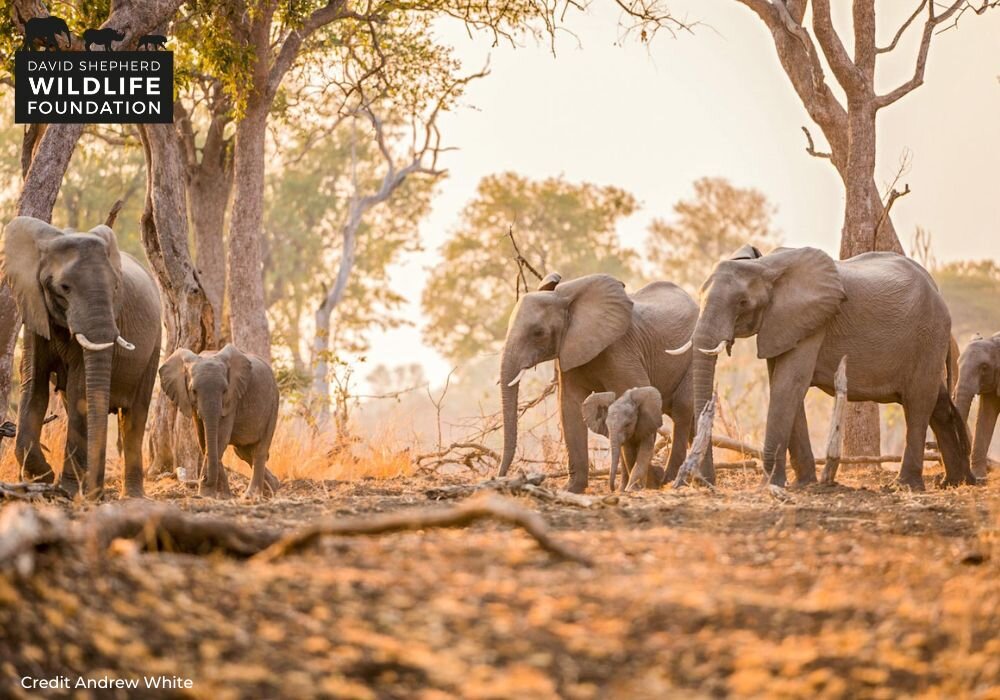
Over the past six months, our field partners have continued to transform the lives of vulnerable elephants across Zambia’s Greater Kafue landscape—from urgent rescue interventions to the steady, hopeful progress of young orphans preparing for life back in the wild. Despite one of the harshest dry seasons in recent years, the elephants across both the release sites and the nursery have continued to show encouraging resilience, strong health, and natural behaviours throughout every stage of their rehabilitation—thanks to the unwavering dedication of the teams you support.
Emergency Response & Veterinary Support
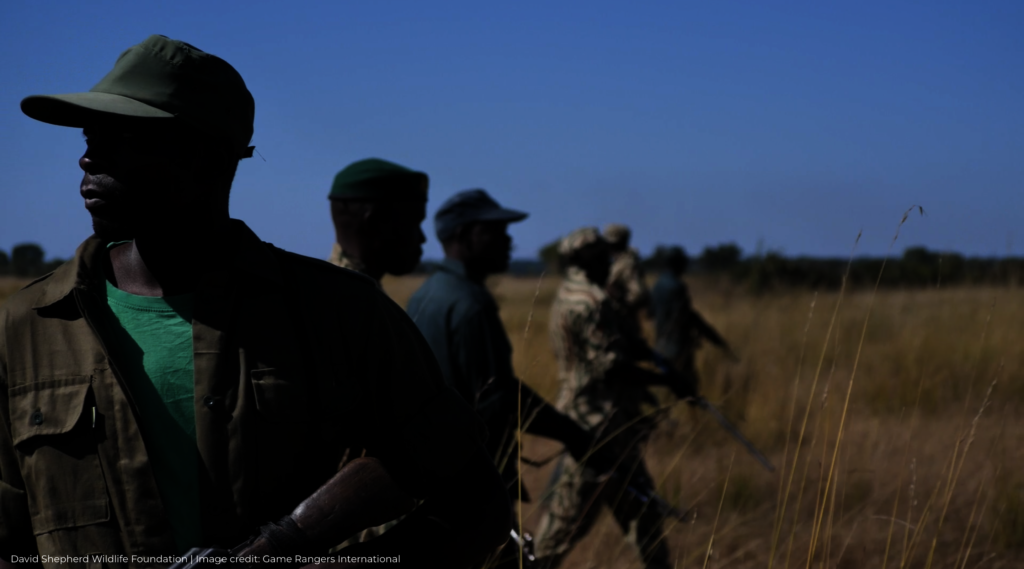
Our field partners in Zambia strengthened their rescue capacity through specialist training on nutrition and data collection, improving the quality of care from the moment an elephant is first sighted. In September, the teams responded to a severely snared infant elephant in Mosi-oa-Tunya National Park. Although tragically the calf did not survive the devastating injuries, the rapid response, veterinary expertise and coordination demonstrated the essential role donors play in fighting human-wildlife conflict and supporting wildlife rescue readiness.
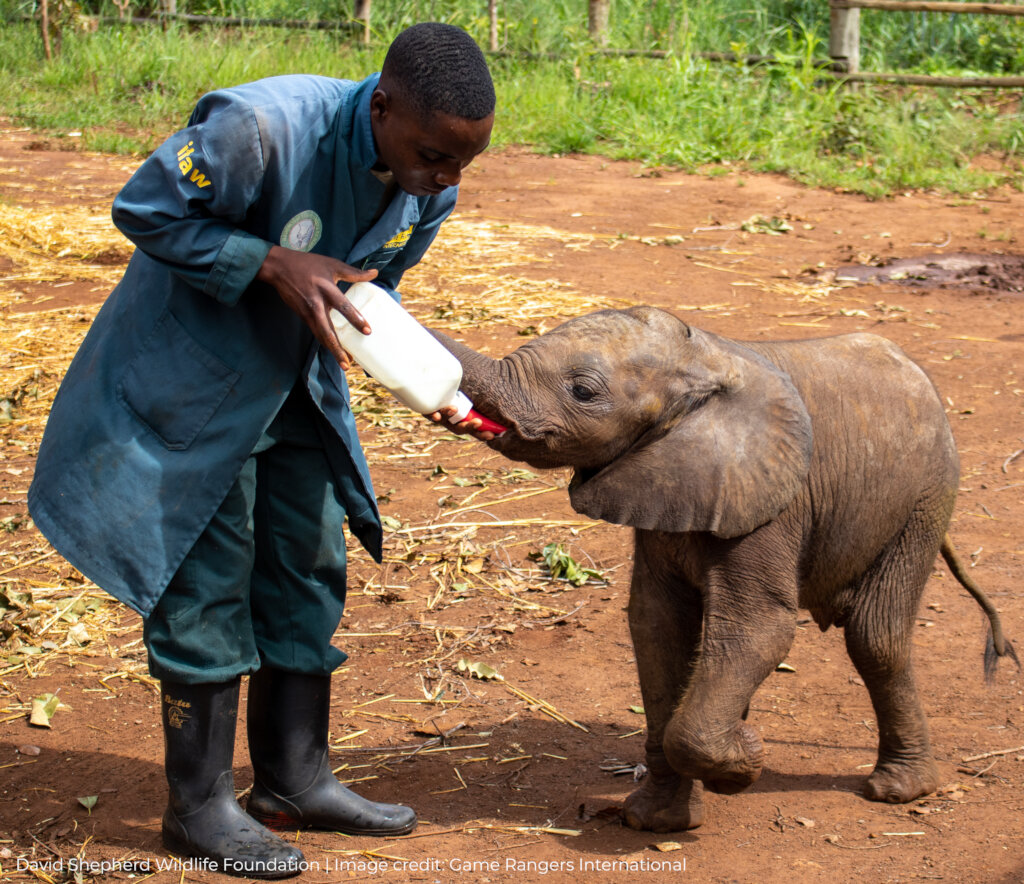
Lusaka Elephant Nursery
Despite widespread fires and dramatically reduced vegetation in Lusaka National Park, the nursery herd has maintained excellent condition. Close monitoring and round-the-clock milk feeding ensured strong growth for all calves.
Kafue Release Facility
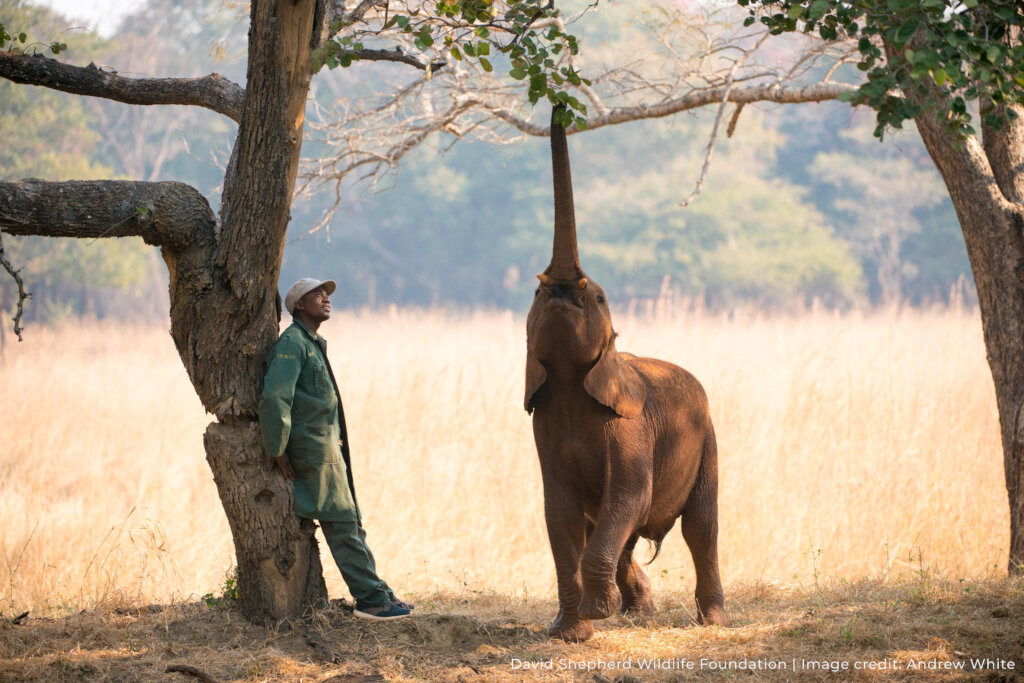
At the next stage of rehabilitation, the release herd continues to thrive.
A major milestone was the successful surgical removal of a trunk fibroma (a non-cancerous fibrous lump) from Lani, who has made a full recovery and received strong social support from her herd mates during healing. New arrivals Chikumbi and Ndewa have integrated well, growing in confidence as they adapt to their new environment. Nkala, now 13, is beginning to show signs of natural independence, indicating he may soon transition fully into a wild life. One of the most uplifting developments is Kavala’s full reintegration into the wild, where she now confidently ranges with Chamilandu’s herd.
Research & Monitoring
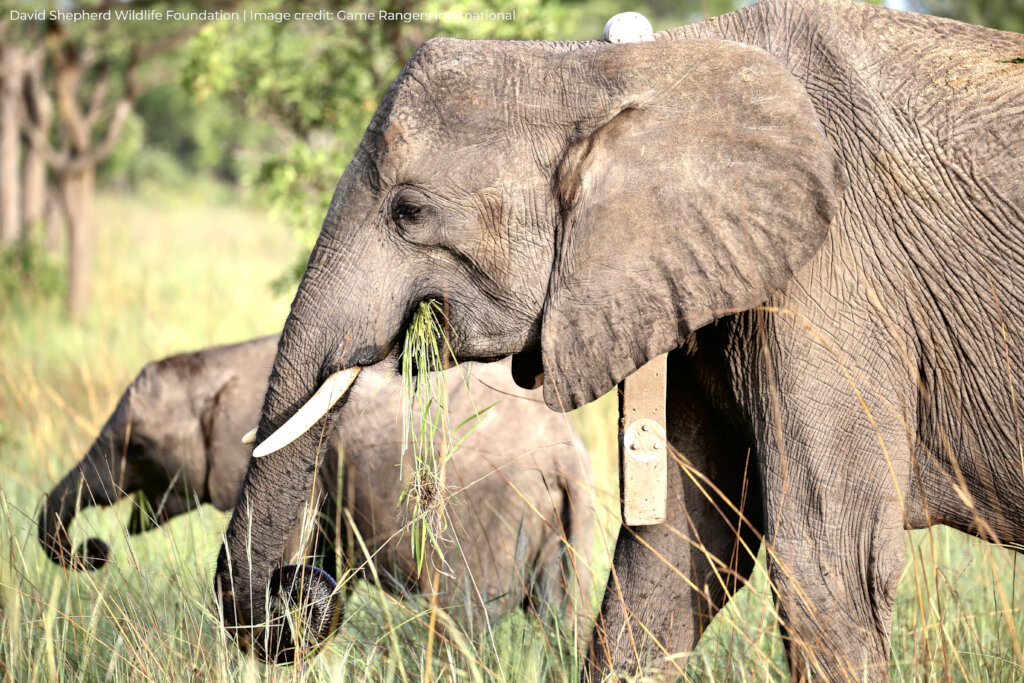
GPS collar data, field observations, and camera traps continue to provide critical insights into elephant movements, well-being, and habitat use. Released elephants such as Rufunsa, Muchilili and Musolole have travelled widely across the park and surrounding Game Management Areas (GMAs), highlighting key wildlife corridors essential for long-term conservation planning. Cutting-edge research also advanced this quarter, including skin biopsy collections for epigenetic analysis which helps caretakers understand how changes to life experiences such as injury, stress, diet and habitat affects an elephant’s biology. There was also comprehensive dung sampling to monitor hormones, microbiome health, and parasite loads—ensuring every elephant in care receives informed, proactive management.
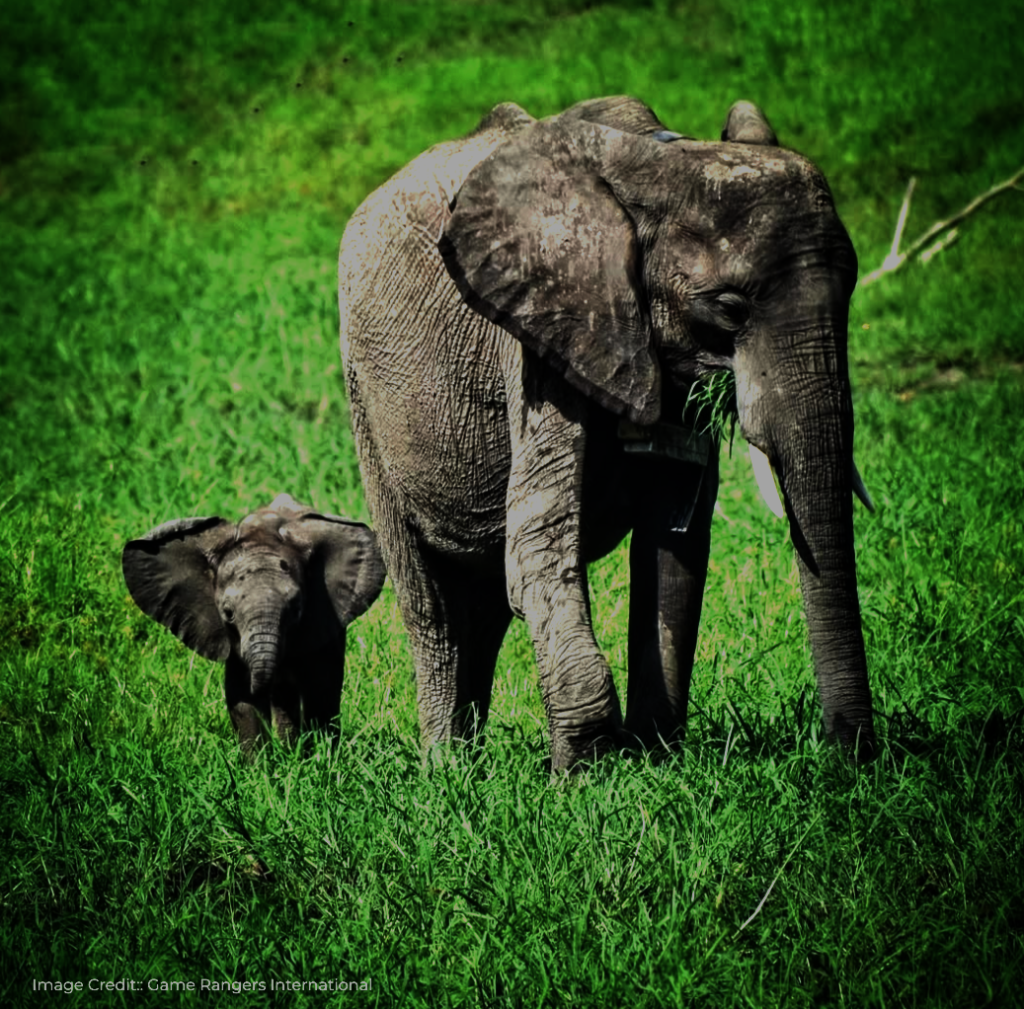
A heart-warming story of conservation at its most profound is that of Chamilandu, who survived a poaching tragedy, becoming orphaned, and who was then rehabilitated and released back into the wild thanks to the dedicated efforts of our project partners, has given birth to a new calf in the wild.
Thanks to you, rescued calves are gaining strength, families in the wild are growing more stable, and formerly orphaned elephants are confidently reclaiming their place in the landscape. Your generosity fuels emergency responses, veterinary care, nutrition, keeper training, and the scientific monitoring that guides every step toward safe release.
Your support is not just saving elephants—it is shaping the future of the species in one of Africa’s most important ecosystems.
Thank you for making this progress possible.
Project reports on GlobalGiving are posted directly to globalgiving.org by Project Leaders as they are completed, generally every 3-4 months. To protect the integrity of these documents, GlobalGiving does not alter them; therefore you may find some language or formatting issues.
If you donate to this project or have donated to this project, you can receive an email when this project posts a report. You can also subscribe for reports without donating.



Support this important cause by creating a personalized fundraising page.
Start a Fundraiser