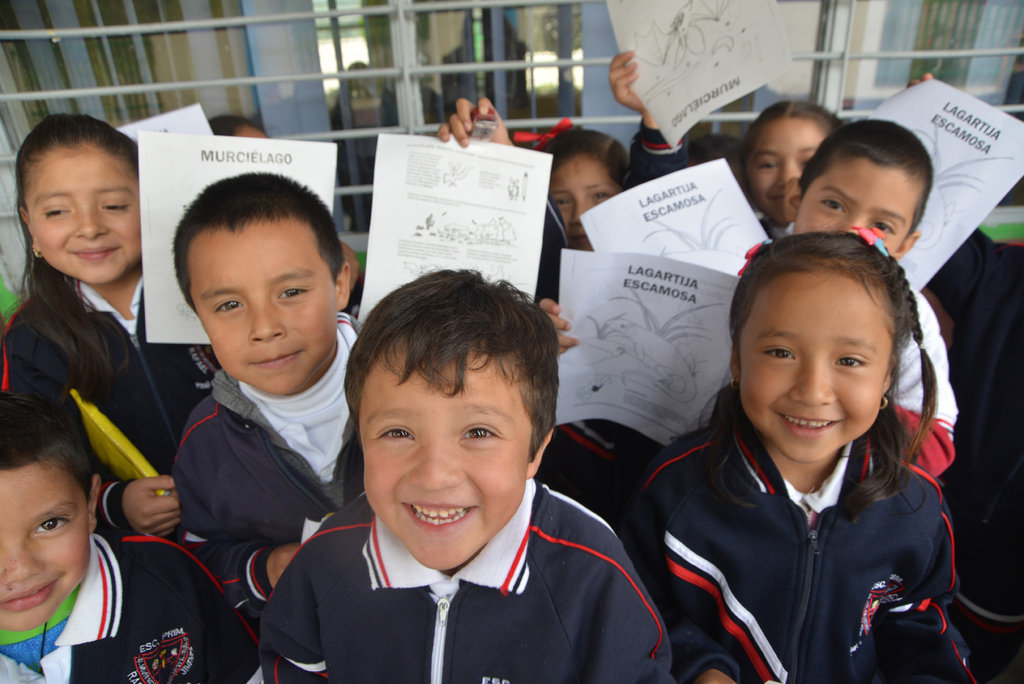
By Ines Journet | Volunteer in the Environmental Education Program
In the Sierra Gorda region of Mexico, five schools (high schools and universities) are working with us, Grupo Ecológico Sierra Gorda, on the project Localiza México. These five schools are:
EMSAD # 3 De Concá - 13 students
Colegio de Bachilleres de Concá - 15 students
CECYTEQ de Pinal de Amoles - 82 students
UTSJR Unidad Jalpan - 15 students
Telebachillerato Agua Fria - 12 students
We are using the educational program, Lexicon of Sustainability, which was created by Douglas and Laura Gayton in San Francisco. Its purpose is to convert teenagers into active reporters who investigate their local food systems. We want them to be conscious of the power of their own words. We hope that through being a part of Localiza México, the youngsters become active transmitters of information and not just passive receivers.
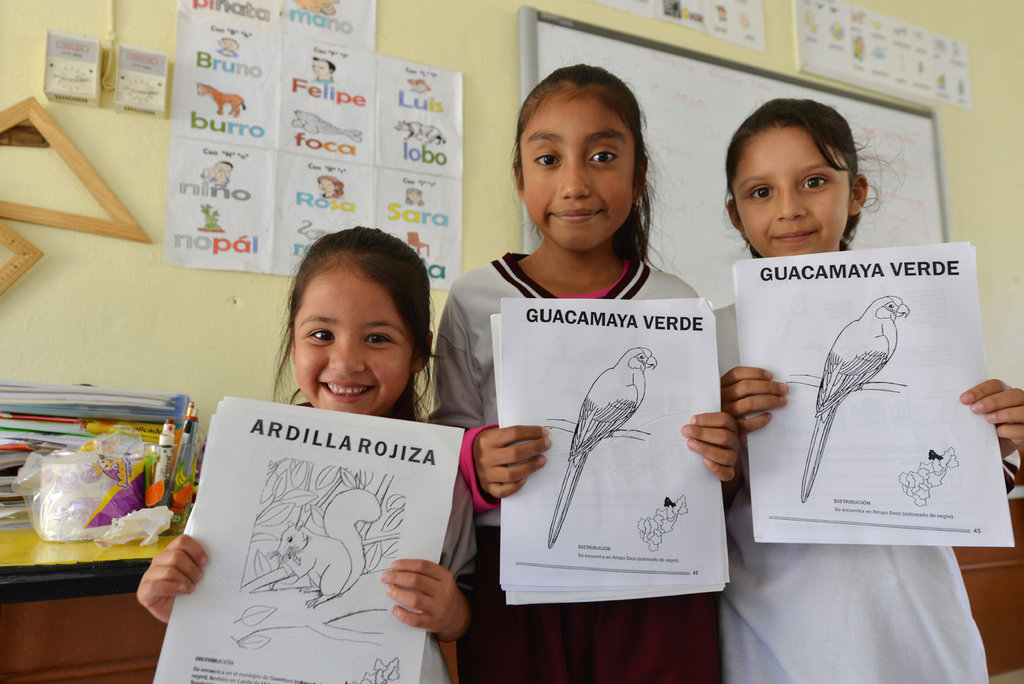
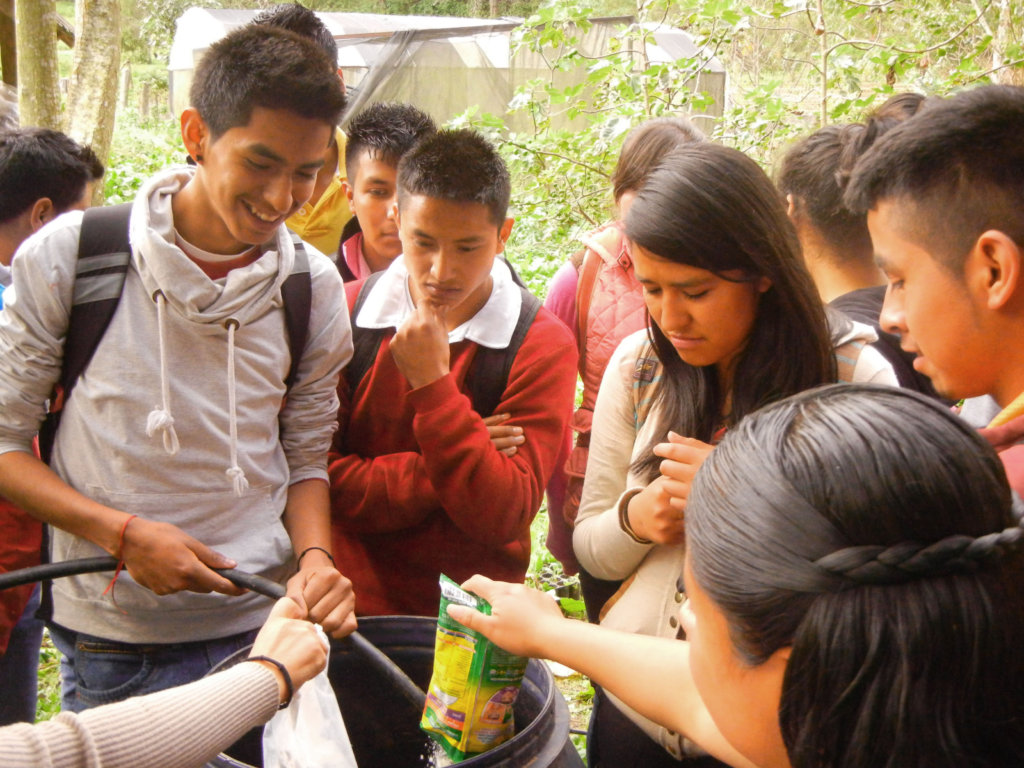
During these last three months we worked on the project Localiza México and gave one 1-2 hour class per week in each school. We had approximately eight sessions with each group, in which we introduced global environmental challenges such as climate change, the loss of fertile soil, and the use of pesticides in food production and the negative effects it has on health and the environment. We also discussed the importance of healthy eating non-GMO food, and how to rejuvenate soil with biofertilizers (made with inexpensive and easy-to-find ingredients). Touching on these themes was an important element of the project, as many of the students had never heard of ecology. It was also interesting for the teachers because it gave rise to unique questions we might not have considered had the students known more about the subjects.
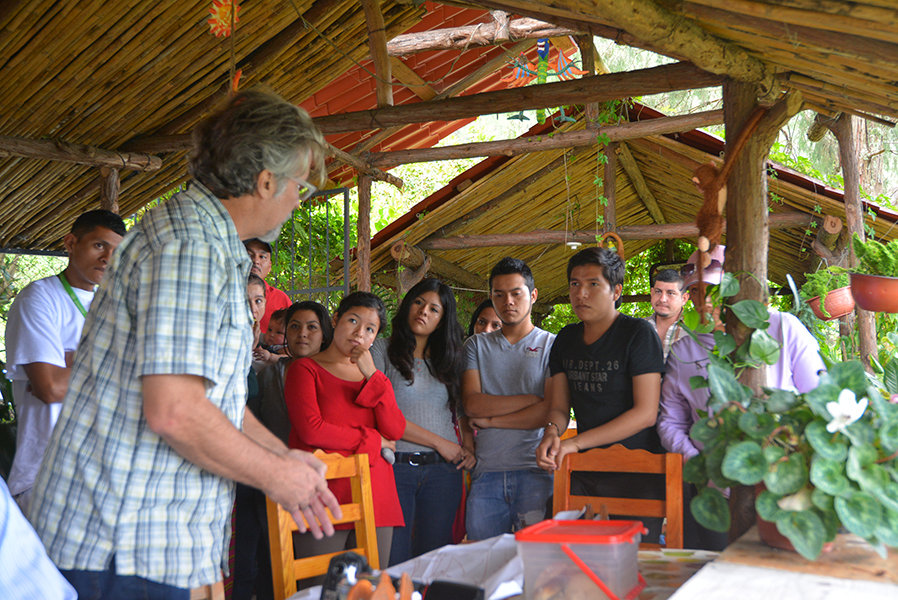
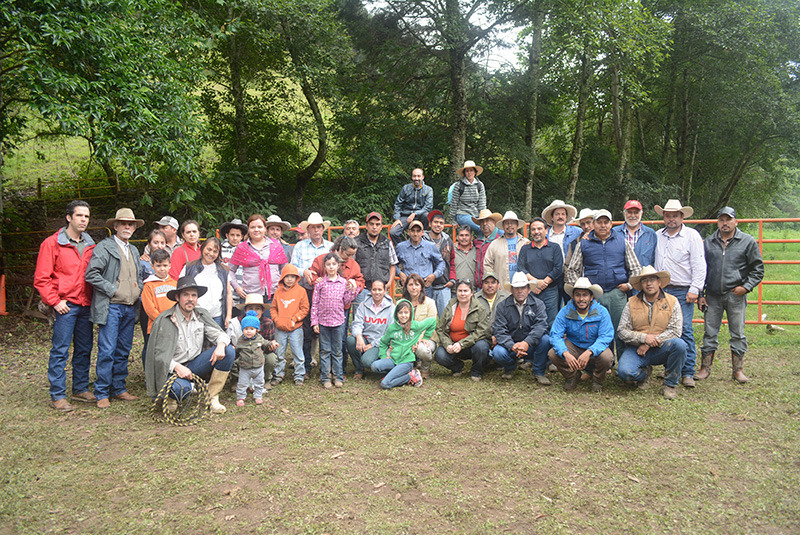
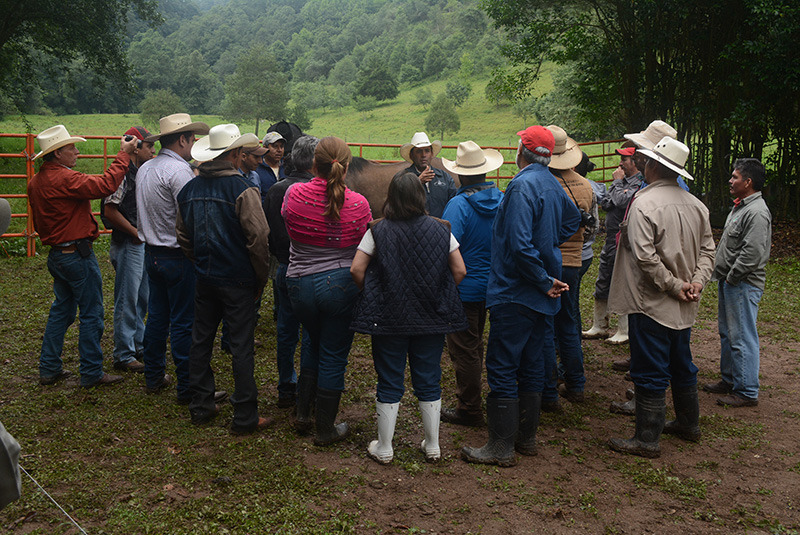
We organized field trips to introduce the students to sustainable ways of living and working, such as the practice of soil regeneration through holistic management, organic agriculture, the production of organic jam, eco-construction, etc. The students particularly enjoyed these trips, as it was practice and not theory. We visited the Tonatico Ranch & School, La Casita Ecológica in Jalpan de Serra, the Pura Vida collective in Concá, and the organic gardens of Agua Fria. Through these visits the students made contacts with possible interview participants and were able to envision how and where they could take photos for their collage project (the interview and photos are part of the final project each student will turn in).
Within the sessions, we also introduced, explained and discussed terms that make up part of the Lexicon of Sustainability, such as organic, compost, carbon footprint, fertile soil, microorganisms, GMO, and pesticides. We also led activities such as debates about environmental issues to motivate the students to share their point of view and to increase awareness of the importance of having their say. We wanted them to be conscious that each of them is valuable and has the power to change themselves and the world.
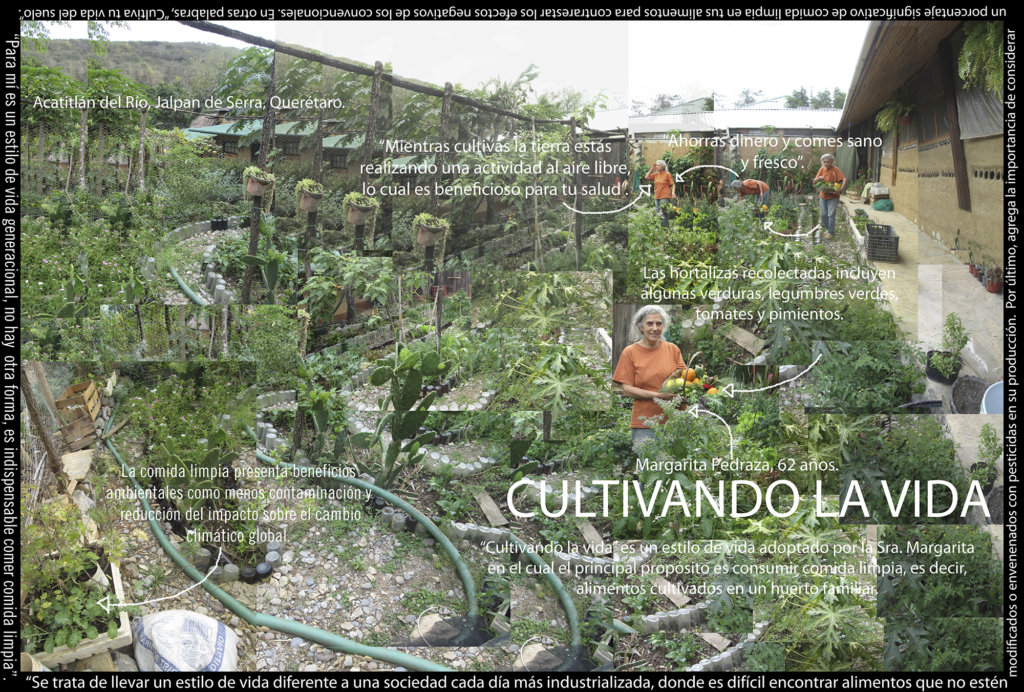
In each school, we ended the sessions by letting the youngsters choose a sustainability-related project to investigate after the winter holidays. Their final assignment in this educational program will be an informative photo collage featuring a description and explanation of their theme. The information the students use in their photo collages will be collected through the interview the students will do with the sustainable actors. To edit the latter, the students will use Photoshop.
This final informative piece of artwork will allow the students to get to know more about sustainability and to share this knowledge with the rest of their communities through an exhibition of their collages.
Links:
By Laura Perez- Arce | Head of Communications
By Laura Perez-Arce | Head of Communications
Project reports on GlobalGiving are posted directly to globalgiving.org by Project Leaders as they are completed, generally every 3-4 months. To protect the integrity of these documents, GlobalGiving does not alter them; therefore you may find some language or formatting issues.
If you donate to this project or have donated to this project, you can receive an email when this project posts a report. You can also subscribe for reports without donating.