By Lili Ricke | UK Programmes and Offices Assistant
At the beginning of 2025, tragedy swept through the fragile littoral forests of Sainte Luce. Fires ravaged the landscape, turning once-vibrant green corridors into charred remains. But even in the face of destruction, hope took root.
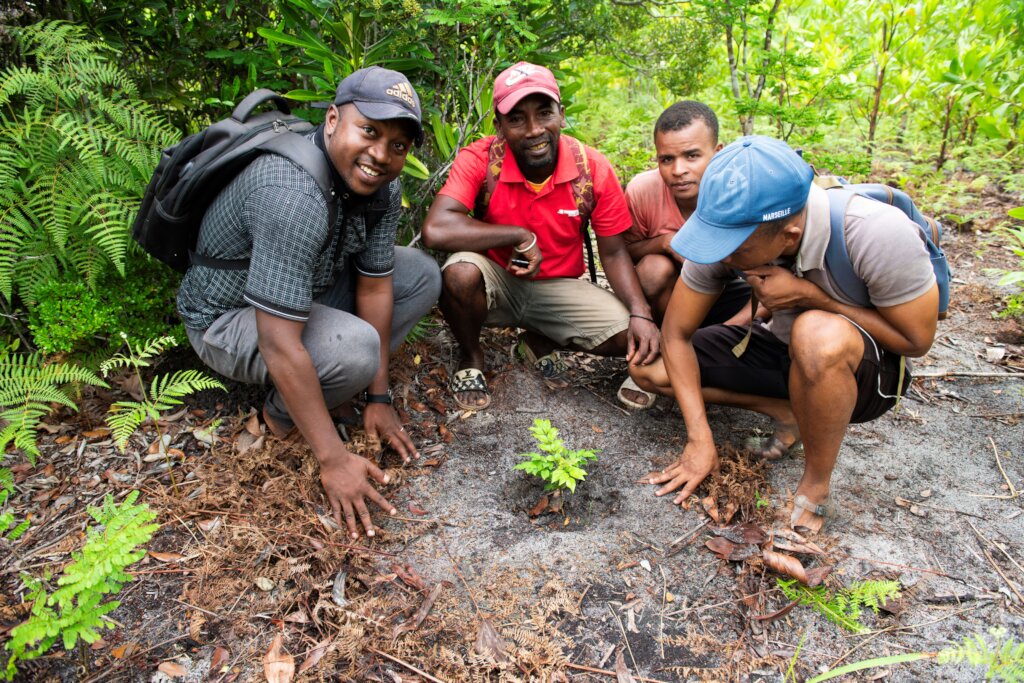
Just weeks after the final flames were extinguished, a quiet miracle began. By March, new life emerged — native seedlings, resilient and determined, began pushing through the scorched earth. It was nature’s first sign that recovery was possible.
To support this delicate regeneration, SEED Madagascar’s team acted quickly. Over 2,800 ringbarked acacias were removed across five corridors to reduce competition with native species. Their elimination cleared the way for native species to thrive once more.
In March, Cyclone Jude tore through the region, toppling 380 more Acacia trees and damaging sections of Corridor 3, a vital passageway for Sainte Luce’s endangered lemurs. But the native seedlings — incredibly — stood firm. Inspired by their resilience, SEED pressed forward with renewed urgency.
By April, nearly 5,000 native seedlings had been planted across Corridors 1, 3, 4, and 5. Each seedling is more than a tree — it’s a promise: to reconnect fragmented forest, to rebuild lemur habitats, and to give Madagascar’s biodiversity a chance to flourish once again.
SEED's team constructed small, natural shelters from Acacia wood, Ravenala leaves, and rope to protect young trees. These experimental shelters are helping us learn what methods best support seedling growth; essential knowledge as we prepare to plant over 40,000 trees in 2026.
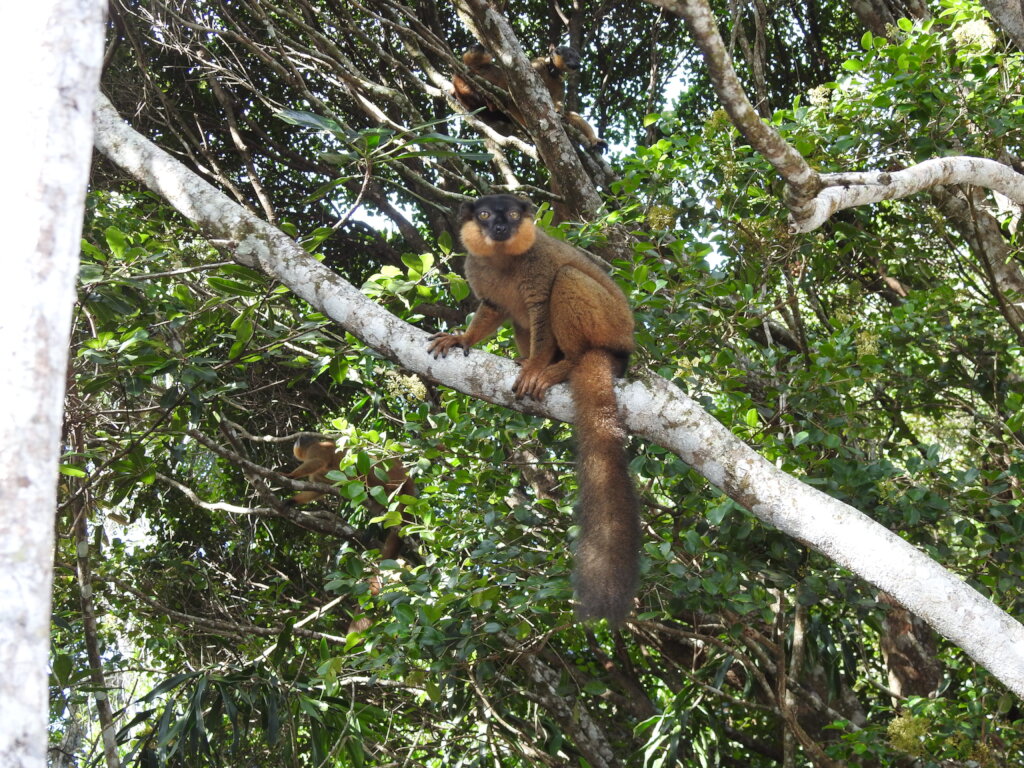
There was a moment of joy in February, before the cyclone struck, when our camera traps captured a glimpse of three red-collared brown lemurs using Corridor 3. It was a powerful reminder: these efforts are working. Wildlife is returning.
Behind the planting and pruning, community plays a vital role. In April, 51 members from eight local forest management associations came together with the Regional Environment Ministry and SEED to plan the next phase of fire prevention and sustainable forest stewardship. Their leadership and partnership are the backbone of long-term success.
We’ve also expanded Project Ala’s worm nursery and secured an additional 1,400 m² of land, complete with a firebreak, to continue strengthening Corridor 5.
None of this would be possible without you.
Your support is not just funding trees, it’s rebuilding ecosystems, protecting endangered species, and empowering communities. Thank you for believing in this work. Together, we are turning devastation into renewal.
Project reports on GlobalGiving are posted directly to globalgiving.org by Project Leaders as they are completed, generally every 3-4 months. To protect the integrity of these documents, GlobalGiving does not alter them; therefore you may find some language or formatting issues.
If you donate to this project or have donated to this project, you can receive an email when this project posts a report. You can also subscribe for reports without donating.



Support this important cause by creating a personalized fundraising page.
Start a Fundraiser