By Roberto Pedraza Ruiz | Subdirector
This winter, which is now coming to an end, brought several cold fronts laden with moisture. As a result, wildfires have been minimal so far and have not affected our forests or the areas we protect.
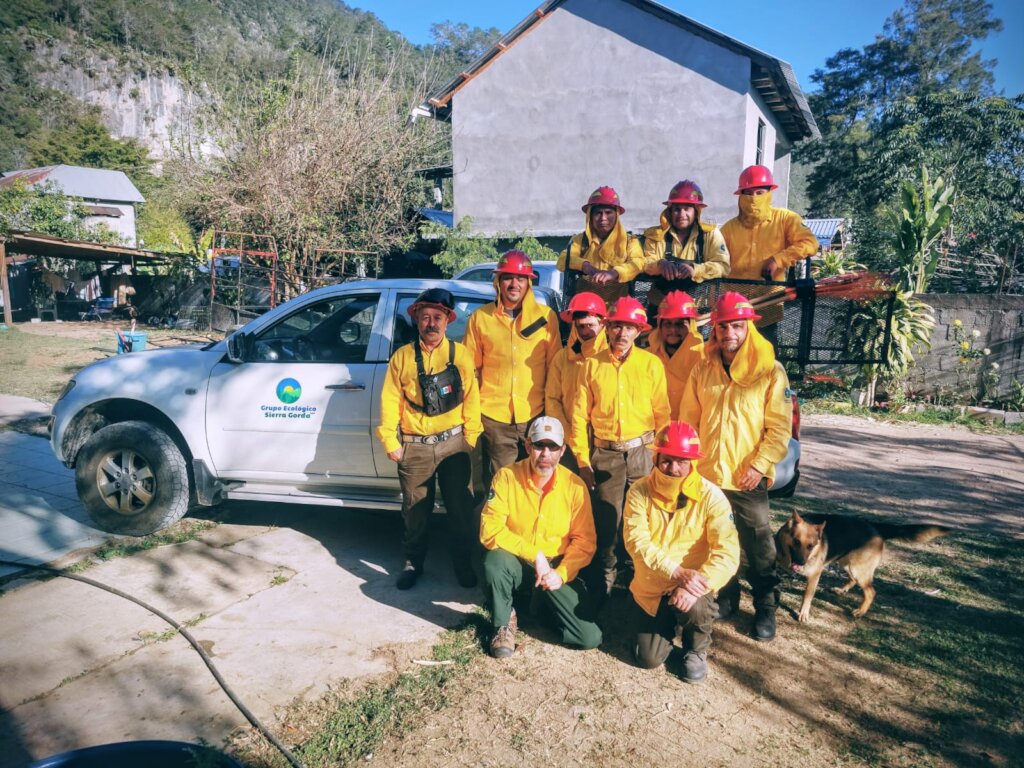
Nevertheless, we remain fully prepared to respond. We maintain two 10-person brigades that are trained, equipped, and supported with resources from GESG. We also work in close coordination with authorities from the three levels of government as members of the State Fire Management Committee. Altogether, there are 11 brigades across the Sierra Gorda region working as a single team to respond as quickly as possible to manage and combat fires.
We are very aware that fires are changing in behavior, becoming more aggressive and occurring at higher temperatures, with severe impacts on forest ecosystems.
This is due to the arrival of spring, which at this latitude brings seasonal drought, heat, and the risk of forest fires. Beyond that, we have maintained a permanent presence in all the reserves, places where time seems to have stood still and where their wild character becomes increasingly evident.
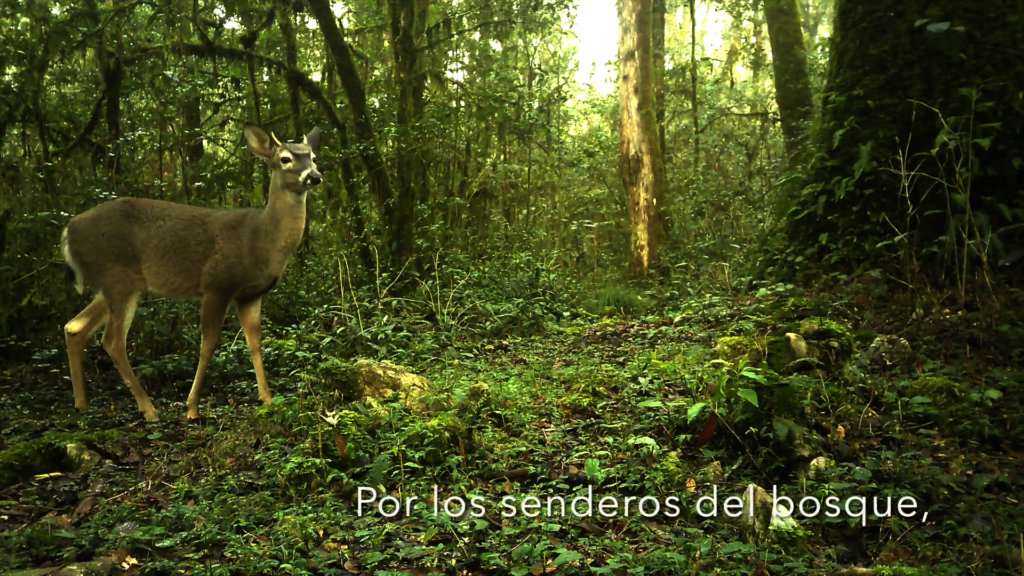
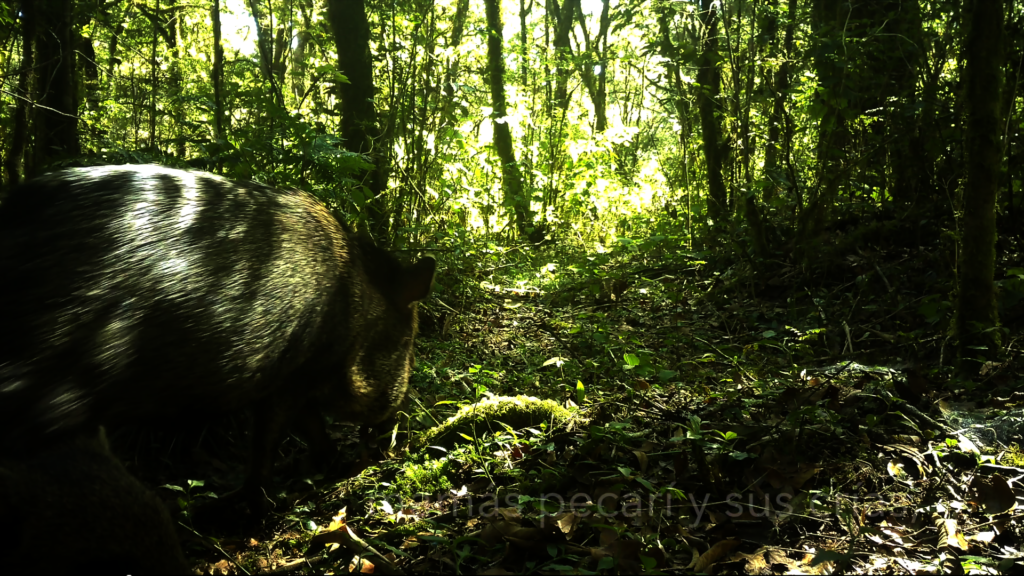
These are trails where only peccaries and deer tread, marked by pumas and jaguars through their territorial signs, or by the “baths” of whistling quail and the endemic Bearded-wood partridge—places where silence can truly be heard.
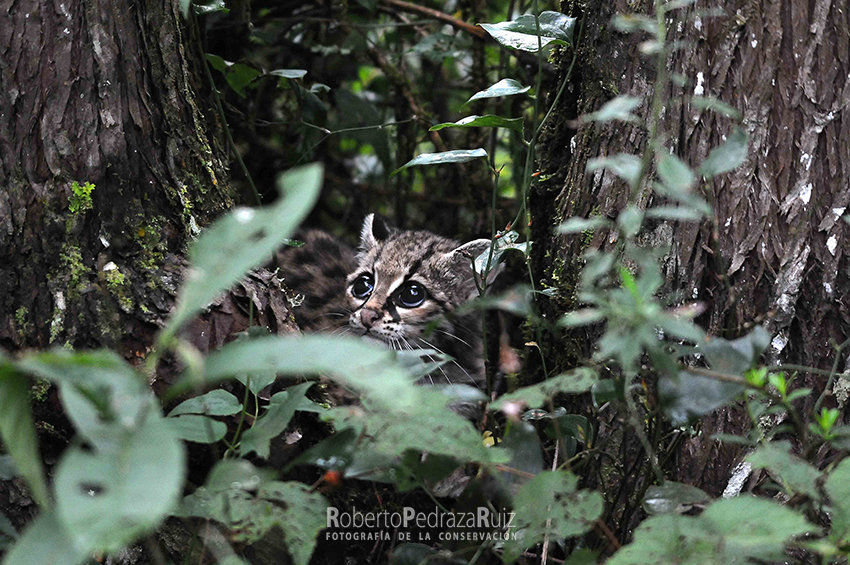
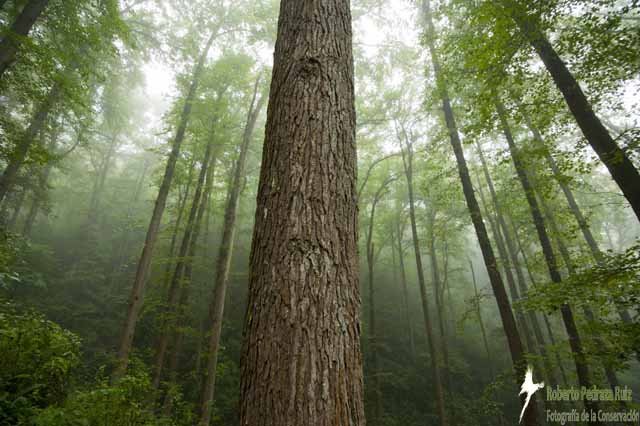
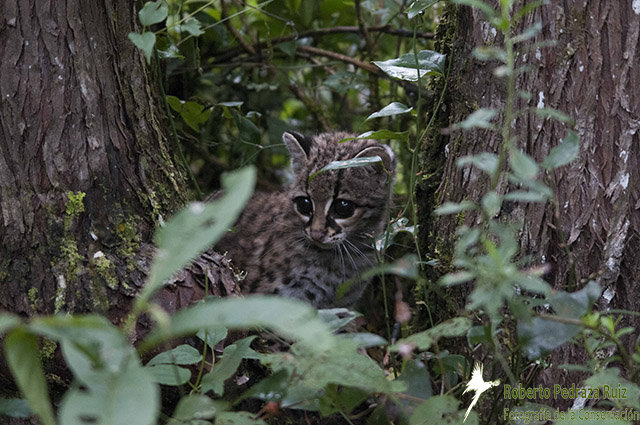
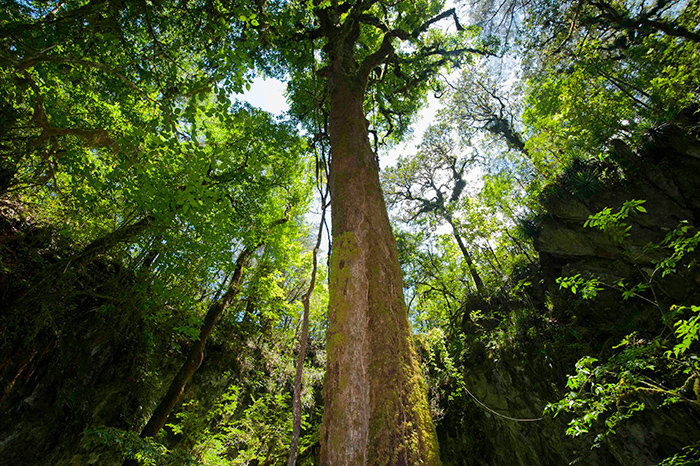
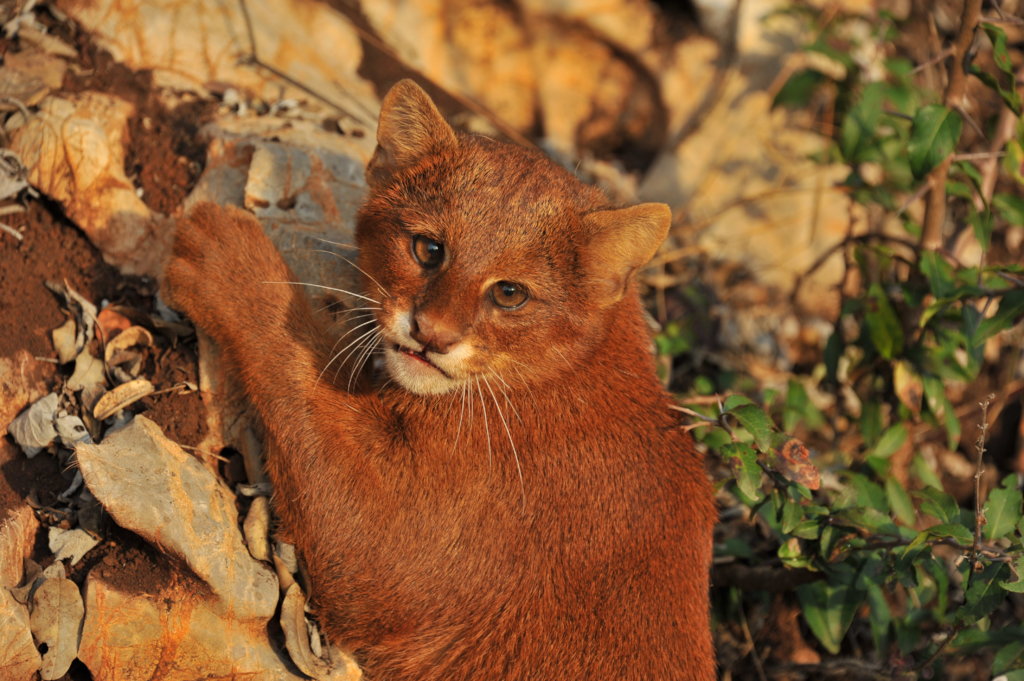
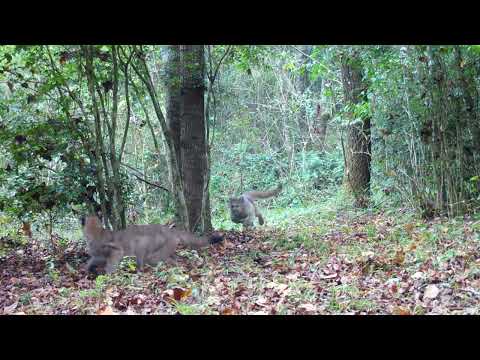
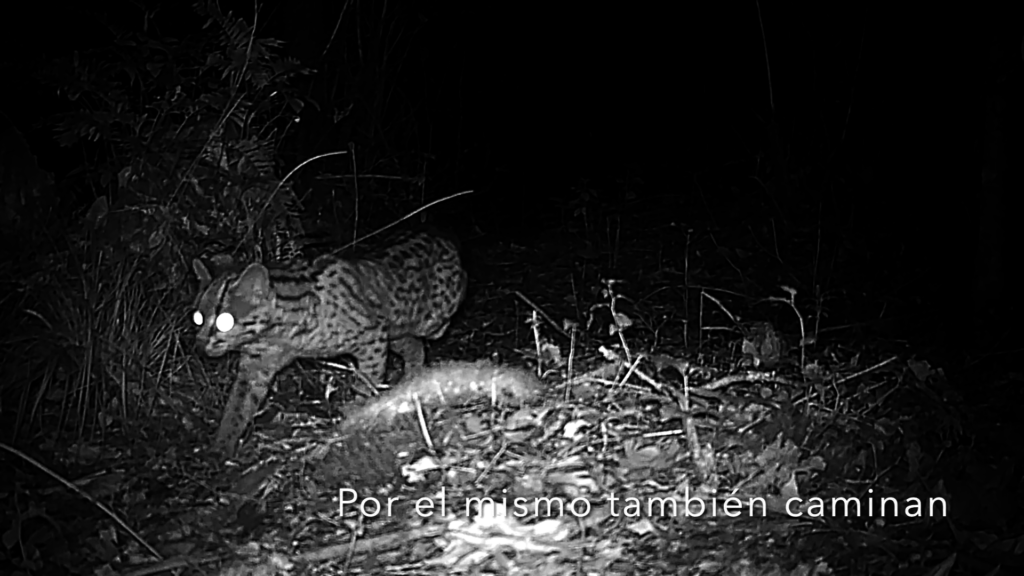
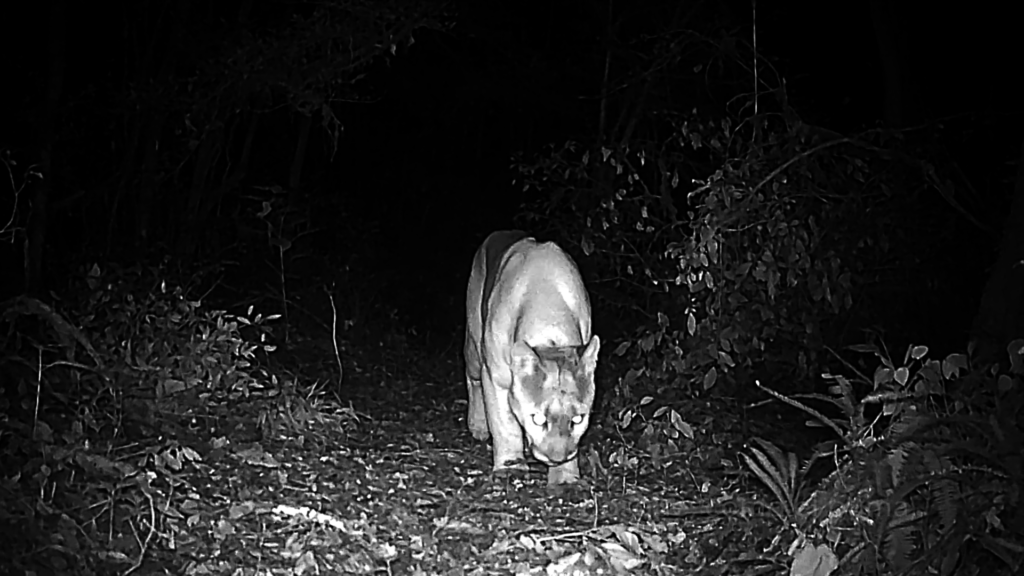
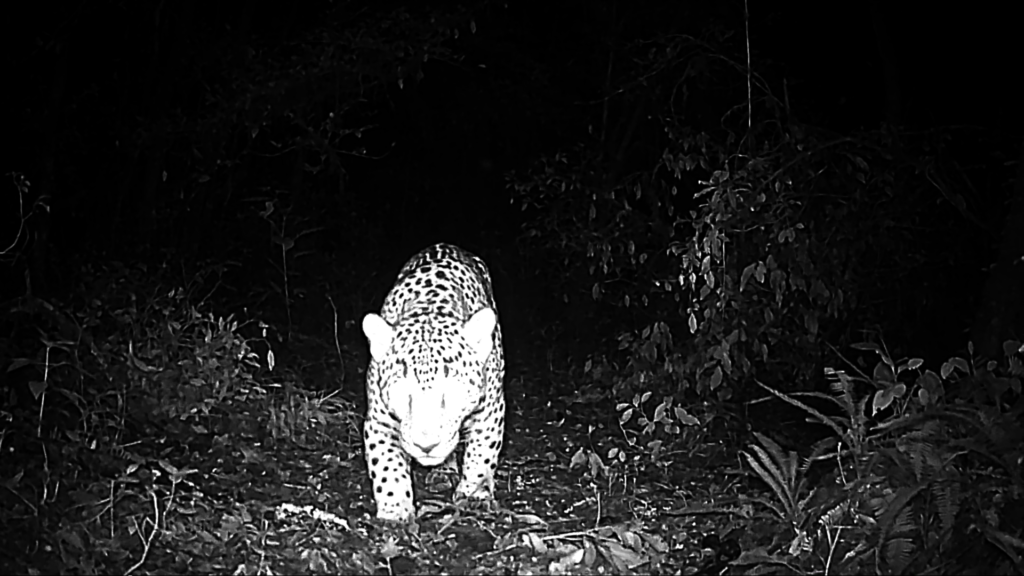
During this period, we had the enormous satisfaction of recording with the same camera trap Mexico’s two big cats: a puma and a jaguar in excellent condition, one of the best indicators of the effectiveness of our conservation work. Among other species, we also recorded the small arboreal margay, which depends on large old trees and their cavities to raise its young.
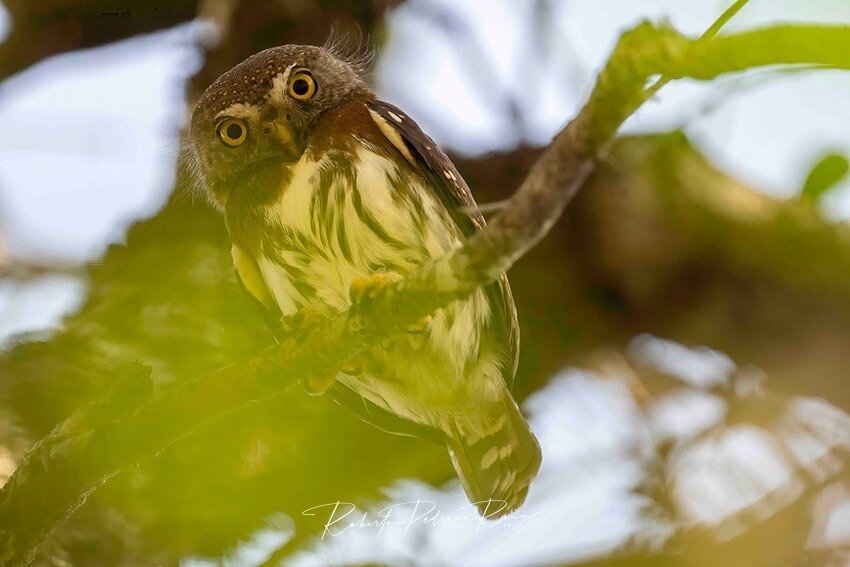
Although it is not a feline, we were also delighted to once again record and photograph a Tamaulipas Pygmy Owl, a species endemic to northeastern Mexico that is present in three of the reserves we protect. This is an important record, as the species is rare in the Sierra Gorda, and the areas we protect offer it a safe refuge. Just beyond the boundaries of our reserve, chainsaws are still at work.
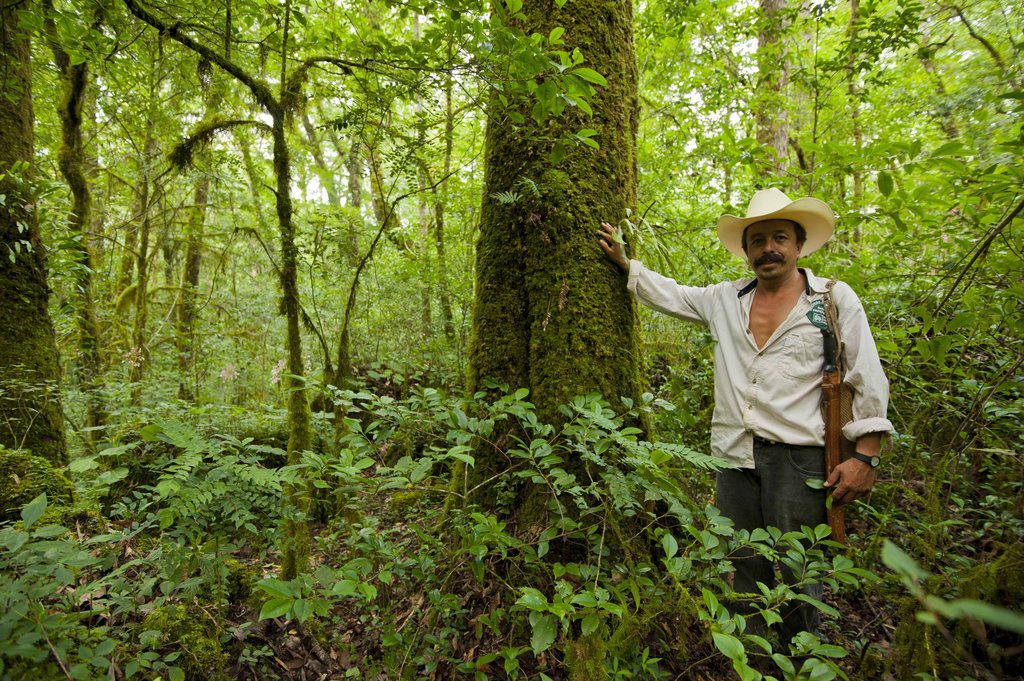
Maintaining the presence and patrols of our ranger team allows us to keep the degradation associated with human activities at bay and to stand firmly against the sixth wave of mass extinction.
Español
Este invierno que está por terminar trajo a varios frentes fríos cargados de humedad, lo que ha permitido que hasta la fecha los incendios forestales hayan sido mínimos y no han afectado a nuestros bosques ni áreas que protegemos. En todo caso estamos preparados para enfrentarlos, con 2 Brigadas de 10 elementos cada una integradas, entrenadas y equipadas, con recursos del GESG y en estrecha coordinación con las autoridades de los 3 niveles de Gobierno, al ser miembros del Comité Estatal de Manejo del Fuego, por lo que en total 11 Brigadas en el territorio de la Sierra Gorda, trabajando como un mismo equipo y atender de la manera más expedita el manejo del fuego y su combate. Estamos muy conscientes del cambio en su comportamiento, más agresivo y a mayor temperatura y su efecto biocida en los bosques.
Todo ello por la entrada de la primavera, que en esta latitud significa sequía estacional, calor e incendios forestales. Por lo demás, hemos tenido presencia permanente en todas las reservas, donde el tiempo parece haberse detenido y su condición silvestre es cada vez más notoria. Senderos donde sólo trillan pecaríes, venados, marcados por pumas y jaguares con sus marcas territoriales o los “baños” de tierra de las codornices silbadoras y las endémicas Bearded-wood partridges y se puede escuchar el silencio. Y en este periodo tuvimos la enorme satisfacción de que una misma cámara trampa registrara a los dos grandes felinos de México; un puma y jaguar en excelentes condiciones, por lo que el mejor indicador de la efectividad de nuestra labor. Y entre otras especies, también a los pequeños y arborícolas Margays, que dependen de los grandes árboles antiguos y sus cavidades para traer a una nueva camada de cachorros.
Y aunque no es felino, tuvimos el enorme gusto de volver a registrar y fotografiar a un ejemplar del Tamaulipas Pygmy owl, especie endémica al noreste de México y presente en 3 de las reservas que protegemos. Ello vuelve a ser un registro importante pues es una especie rara en la Sierra Gorda y en el que los espacios que protegemos ofrecen refugio seguro; apenas pasando el límite de nuestra reserva las motosierras a todo vapor.
Mantener presencia y recorridos de nuestro equipo de monteros permite mantener al margen a la degradación inherente a las actividades humanas y decir NO a la sexta ola de extinción masiva.
Links:
Project reports on GlobalGiving are posted directly to globalgiving.org by Project Leaders as they are completed, generally every 3-4 months. To protect the integrity of these documents, GlobalGiving does not alter them; therefore you may find some language or formatting issues.
If you donate to this project or have donated to this project, you can receive an email when this project posts a report. You can also subscribe for reports without donating.



Support this important cause by creating a personalized fundraising page.
Start a Fundraiser