By OLIVIER C. | Project Leader
Save Life Make Difference
Bujumbura Burundi
savelifemakedifference@gmail.com
71452395
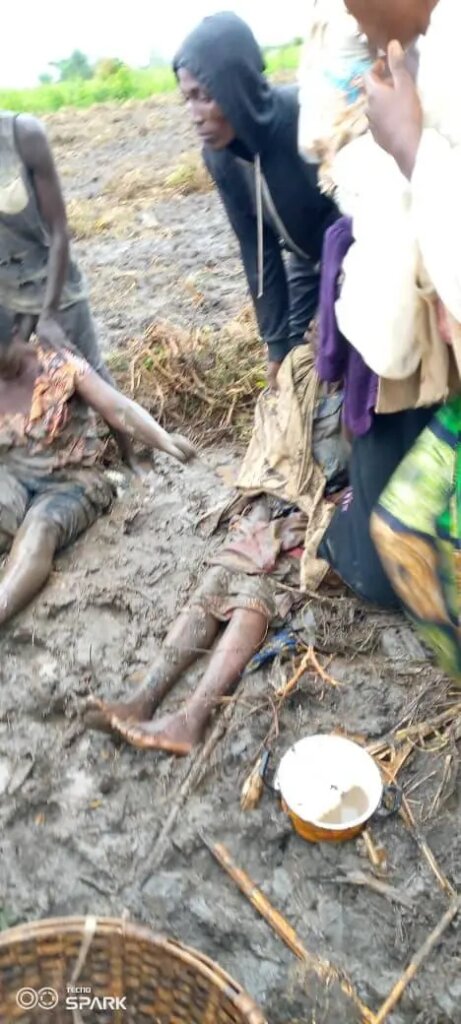
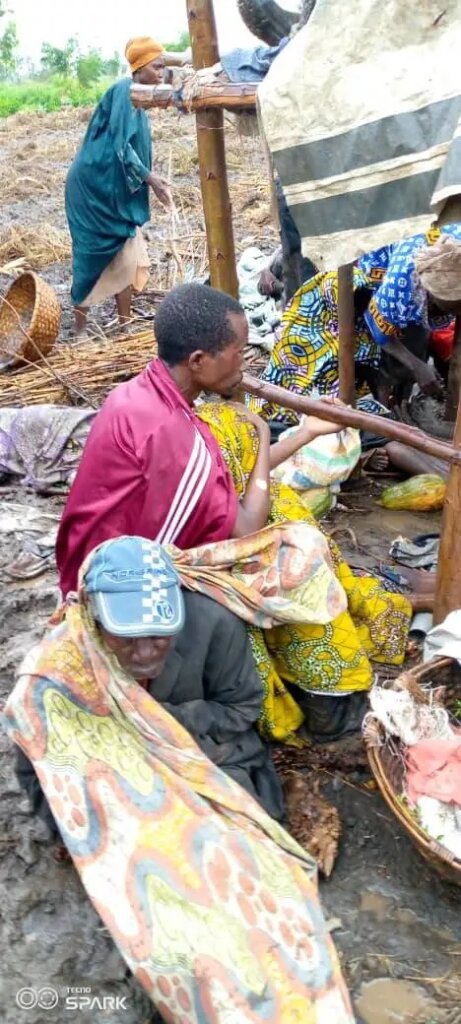
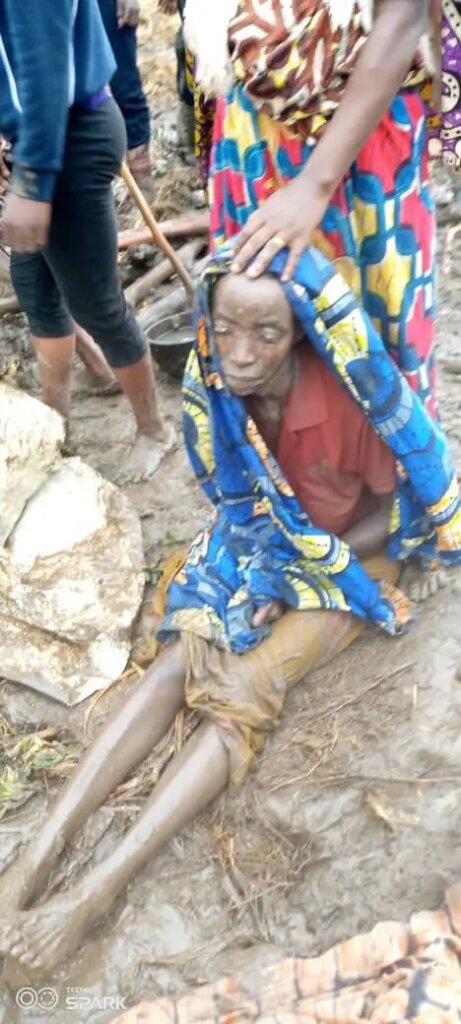
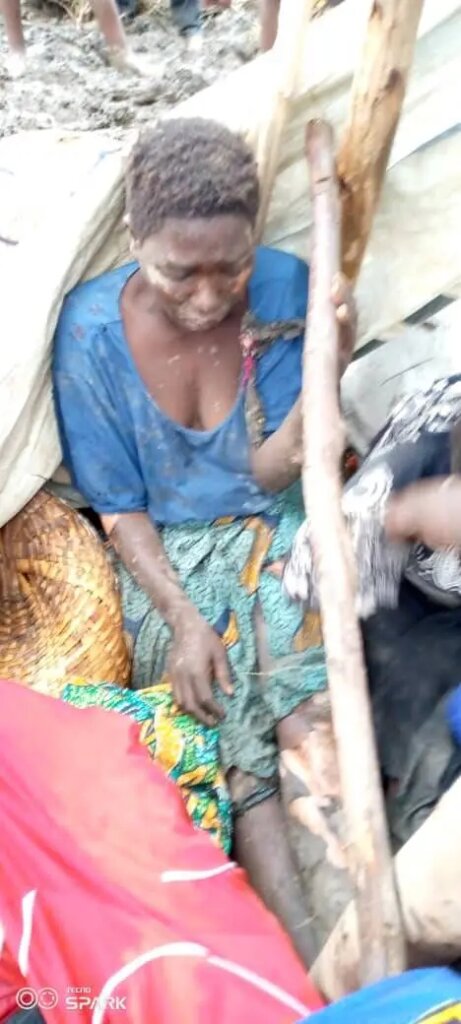
Sub Project report: Protection of people against Lightning Kille
While comprehensive, nationwide lightning protection in Burundi faces significant challenges due to limited resources and infrastructure, people can reduce risks through a combination of community initiatives, improved infrastructure, and public education. Organizations like the African Centres for Lightning and Electromagnetics Network (ACLENet) and GlobalGiving are actively working to implement solutions in the country.
Structural protection for buildings
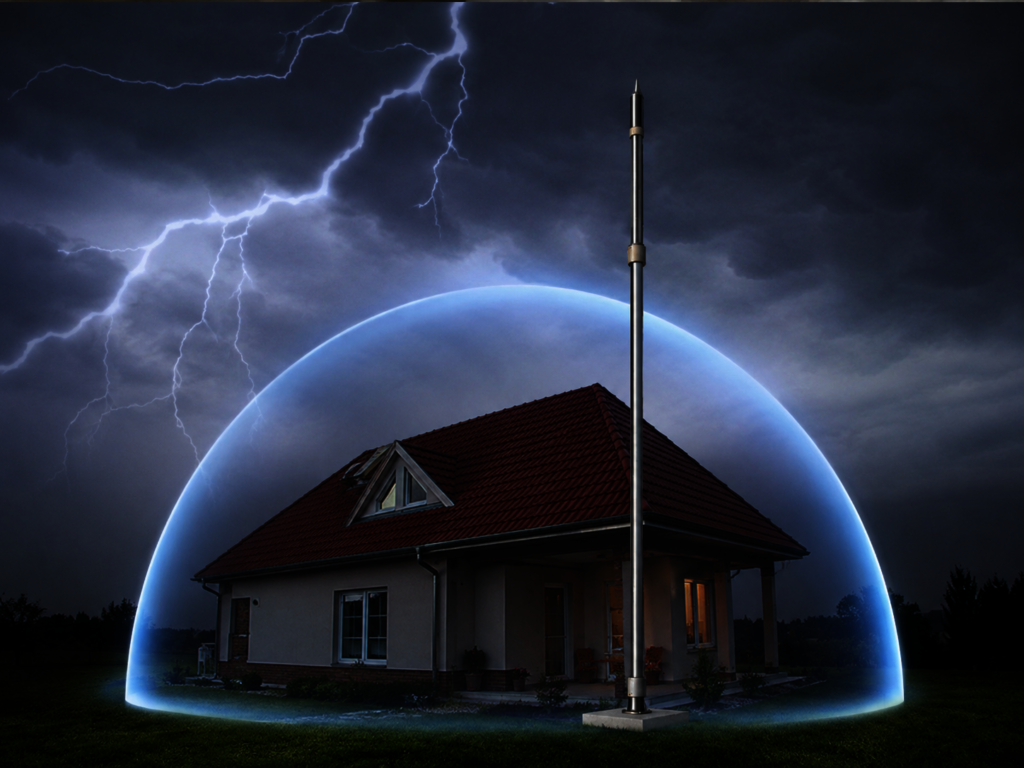
For public buildings like schools, churches, and clinics, installing robust lightning protection systems is a high-priority measure that can prevent mass casualties.
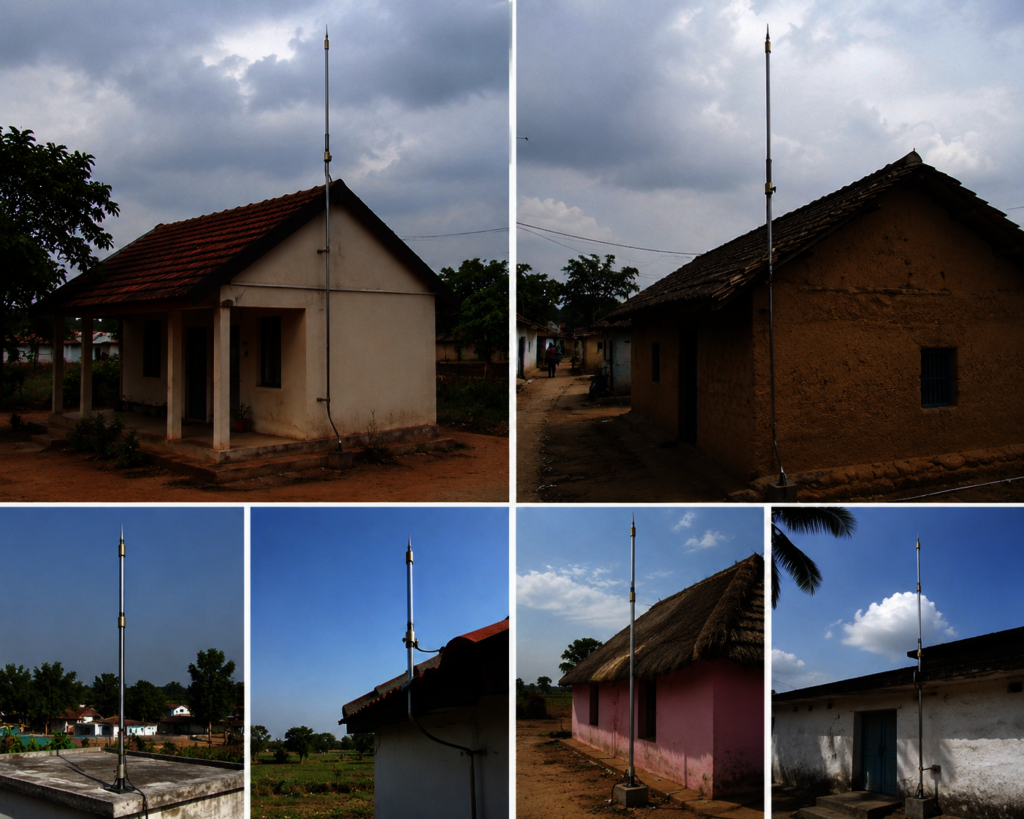
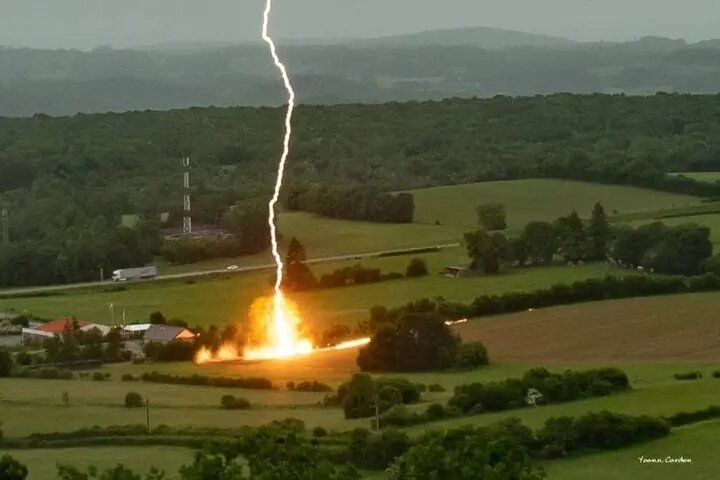
Lightning rods: These capture a lightning strike and safely channel its electrical discharge to the ground through grounding devices.
Surge protection: Devices that protect electrical systems and equipment inside a structure are also essential, especially as Burundi's electrical grid expands.
Localized solutions: International companies and NGOs are installing anti-lightning systems on critical infrastructure, such as solar plants, to protect against direct strikes.
Community-level action
Simple, affordable strategies can be adopted to improve safety at the community level.
Safety education: Informing the public about the dangers of lightning and proper safety procedures is a priority. Educational initiatives in countries like Uganda provide lessons to teachers, students, and officials.
Safe spaces: Designating well-protected buildings or establishing lightning shelters within communities can provide immediate refuge during a storm.
Countering myths: Educational programs help dispel dangerous traditional beliefs, such as those that involve seeking shelter under specific trees or blaming lightning strikes on witchcraft.
Personal safety rules
When a thunderstorm is approaching, individuals should follow these rules:
Seek immediate shelter: The safest place is a substantial, fully enclosed building with electricity or plumbing. A metal-topped vehicle with the windows closed is also safe.
Stay inside for 30 minutes: Do not leave your shelter until 30 minutes after the last sound of thunder. "When thunder roars, go indoors" is an essential rule.
If outdoors and no shelter is available:
Avoid isolated tall trees, open fields, mountain ridges, and bodies of water.
Separate from other people to prevent a current from traveling between individuals.
Avoid objects that conduct electricity, like wire fences and power lines.
Avoid contact with electrical items: While inside, stay off corded phones and avoid electrical appliances and plumbing.
Government and NGO involvement
Government support and international aid are vital for implementing large-scale protection measures.
Policy integration: The government can work with organizations like UNICEF and the Global Partnership for Education to integrate climate disaster preparedness into school planning.
Data collection: Acknowledging the lack of reliable lightning data, partnerships with organizations like ACLENet are crucial for monitoring lightning strike density to help formulate risk reduction strategies.
Financial support: Initiatives from organizations like GlobalGiving seek financial support to install anti-lightning systems on structures throughout Burundi.
Protection against lightning in Burundi is a documented challenge, partly due to a lack of resources and national support for installation of necessary equipment like earth electrodes. While some organizations, like those found on GlobalGiving, propose and fund solutions such as installing lightning capture devices, this is often met with insufficient government support or a lack of independent human rights oversight to advocate for essential public safety measures.
Challenges in protection
Lack of resources: Projects aimed at installing protective devices like earth electrodes are crucial but may struggle due to a lack of necessary resources.
Insufficient government support: There is a lack of national support for public safety infrastructure, and the government is sometimes accused of disregarding its obligations to its citizens, including the creation of basic protective systems.
Lack of independent oversight: The National Independent Human Rights Commission in Burundi lacks independence and is unable to effectively monitor or advocate for human rights issues, including public safety concerns.
Potential solutions
Community and NGO support: Non-governmental organizations and community groups can play a role in advocating for and funding projects that install protective systems.
Technological solutions: Installing and maintaining devices such as earth electrodes can help protect people by intercepting and safely dispersing lightning strikes.
Increased awareness and advocacy: Raising awareness about the risks of lightning and the need for protection can help pressure governments to prioritize safety measures.
SALIMADI
Legal representative
27-10-2025
Project reports on GlobalGiving are posted directly to globalgiving.org by Project Leaders as they are completed, generally every 3-4 months. To protect the integrity of these documents, GlobalGiving does not alter them; therefore you may find some language or formatting issues.
If you donate to this project or have donated to this project, you can receive an email when this project posts a report. You can also subscribe for reports without donating.



Support this important cause by creating a personalized fundraising page.
Start a Fundraiser