Provide Villages with Clean Water in Rural Uganda

by Development Alert
Play Video
Provide Villages with Clean Water in Rural Uganda

Project Report | Mar 26, 2025
Clean Water Saving Lives

By Zachery Onyango | Project Leader

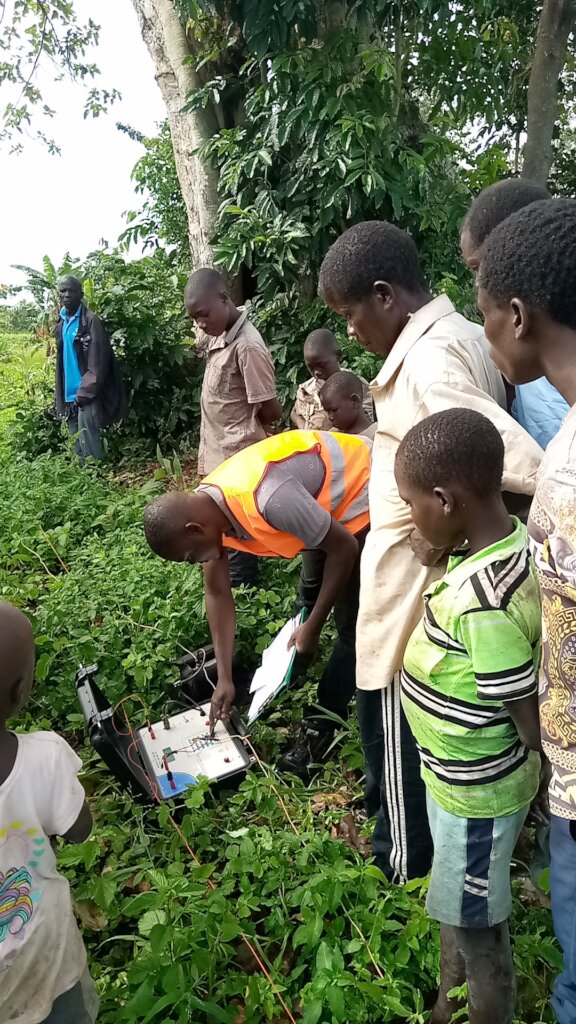
Kisia Community involved Geophysical Survey

1. Introduction

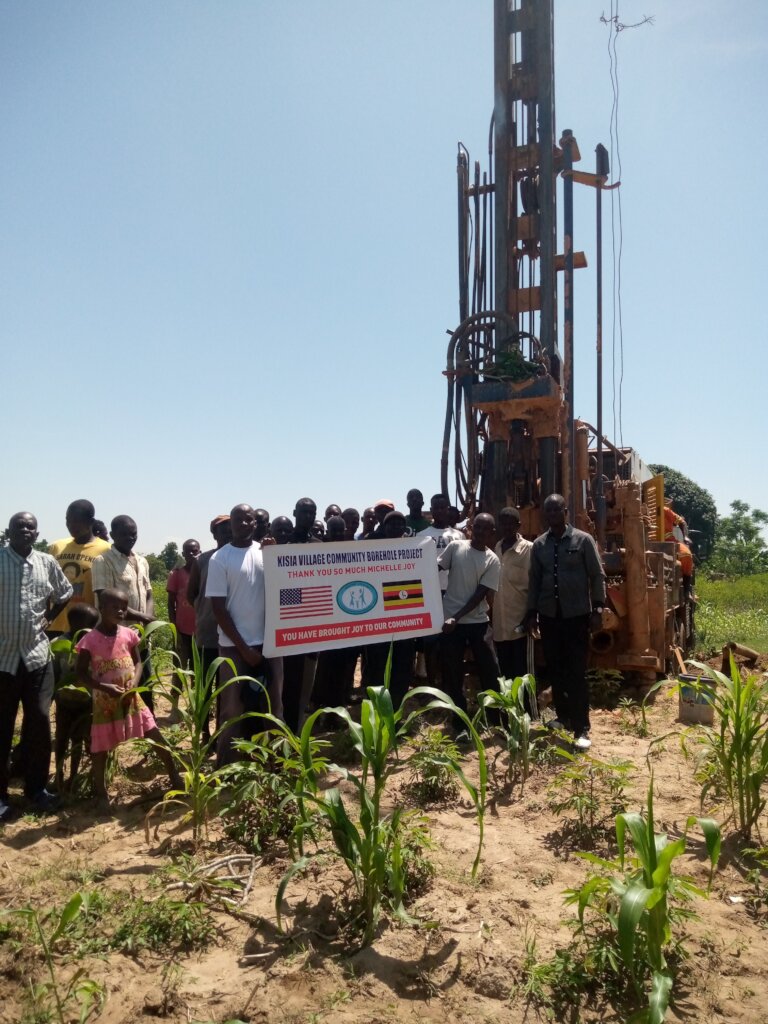
While access to clean water is essential for health, economic development, and overall quality of life. In rural and underserved regions of rural Uganda where, water scarcity is a longstanding issue that hinders the potential for growth and prosperity. Currently, over 13,000 people lack access to clean and safe water in Greater Paya. Development Alert with support from generous donors like you, drilled Kisia Community Borehole to address this challenge by providing a sustainable and reliable water source to the residents.


The key objectives of the Kisia Community Borehole Project were as follows:

  1. Provide Access to Clean Water: To supply the community with a dependable source of clean, safe drinking water.

  2. Improve Public Health: To reduce waterborne diseases and improve hygiene practices.

  3. Enhance Economic Opportunities: To support agriculture, livestock, and small-scale businesses by improving water availability.

  4. Reduce Time Spent Fetching Water: To improve the quality of life by reducing the time and energy spent by residents in water collection.

  5. Sustainability: To ensure long-term sustainability through proper maintenance and community involvement.

2. Impact on Public Health

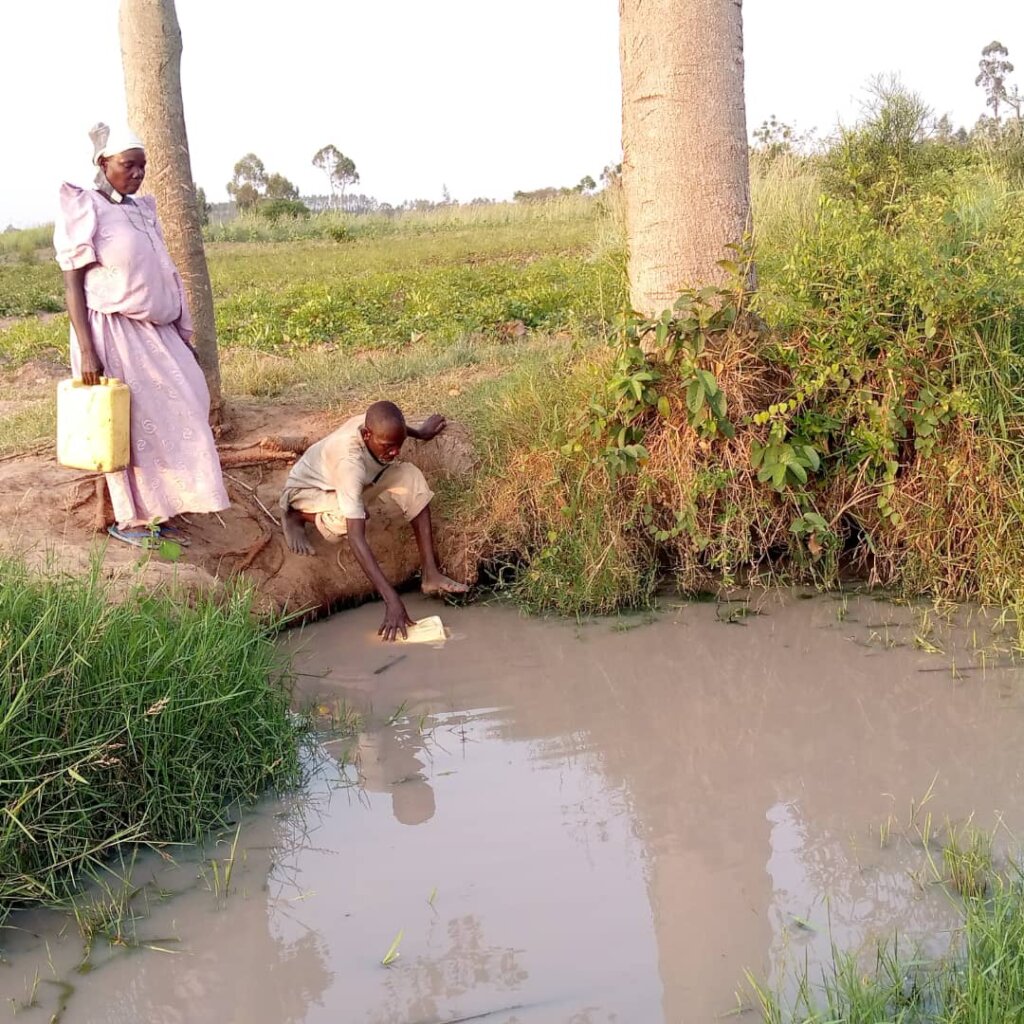
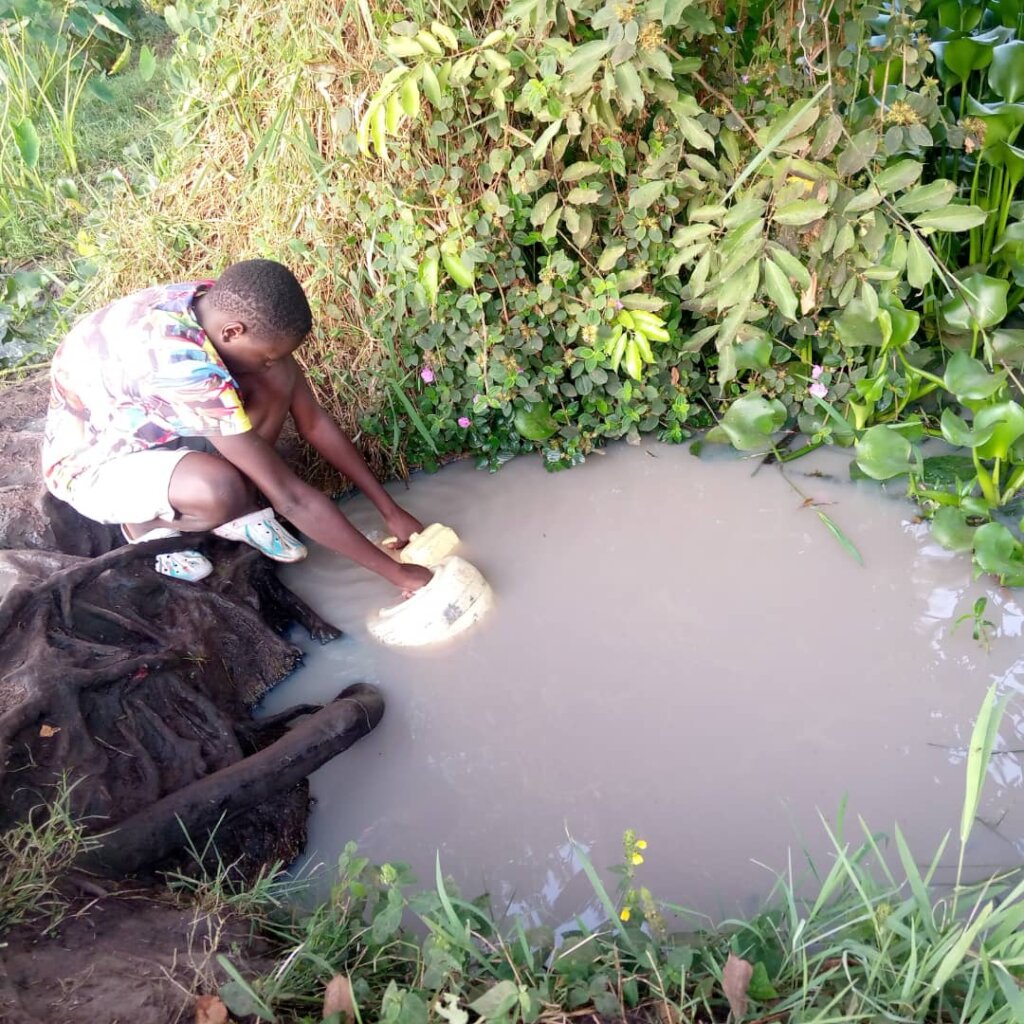
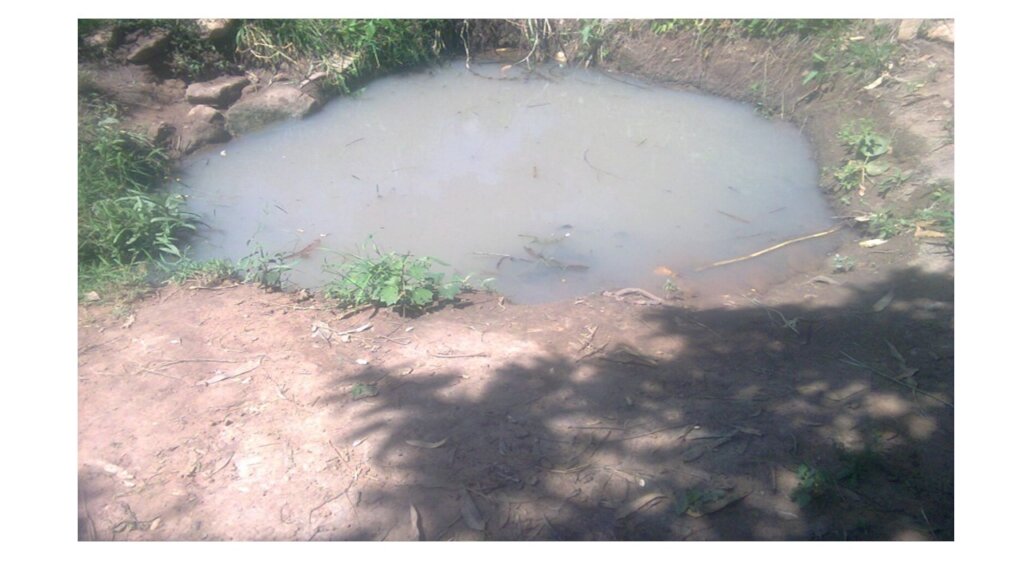
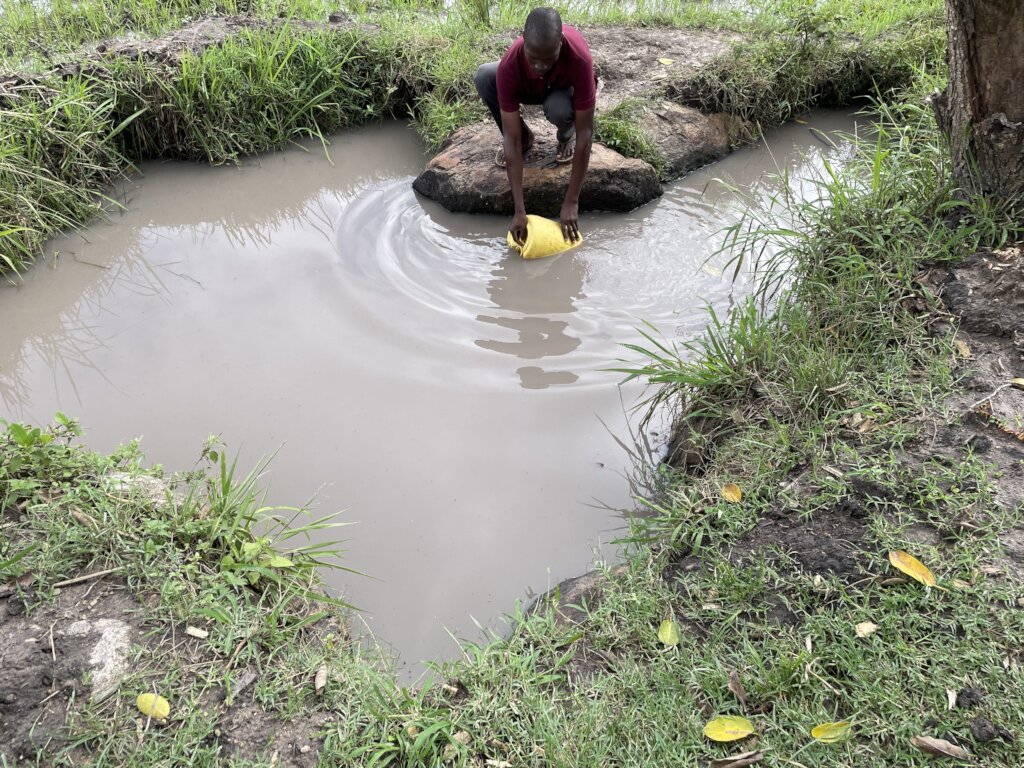
One of the most significant outcomes of the Kisia Community Borehole Project has been the improvement in public health. Before the borehole, residents relied on unsafe water sources, including rivers and shallow wells, which often contained harmful bacteria and contaminants. As a result, waterborne diseases such as cholera, dysentery, and typhoid were prevalent, particularly among children.

  • Reduction in Waterborne Diseases: Since the introduction of clean, treated water, the incidence of waterborne diseases has drastically decreased. Health centers report fewer cases of diarrhea and other water-related illnesses.

  • Improved Hygiene: Access to clean water has enabled residents to practice better hygiene, such as regular handwashing, which is essential in disease prevention.

3. Economic and Social Impact
3.1. Economic Opportunities

With reliable access to water, the Kisia community has experienced increased economic opportunities, especially in livestock farming. Many residents are engaged in small-scale farming, which requires substantial water resources for livestock. The borehole has provided them with a consistent water supply, leading to:

  • Improved Crop farming due to reduced time spent looking for clean water by communities: The availability of water closer to farmers has enable them to spend more time cultivating crops more reliably, leading to increased harvests and improved food security.

  • Livestock Health: Livestock owners can now access water for their animals, improving their health and productivity.

  • Boosted Local Businesses: Small businesses, such as food vendors and local markets, have benefited from the availability of clean water, allowing them to meet the demands of the community and grow their operations.

3.2. Time and Labor Savings

Before the borehole, residents, particularly women and children, spent a significant amount of time collecting water from distant and often unsafe sources. This daily burden, which could take up to 10 hours, has been reduced significantly:

  • More Time for Education: Children now have more time for schooling instead of walking long distances to fetch water.

  • Improved Productivity: Adults, especially women, have more time for economic activities, such as farming or small businesses, leading to greater economic independence and productivity.

4. Educational Impact

Access to clean water has had a positive effect on education in the Kisia community:

  • School Attendance: With more time available due to reduced water-fetching duties, school attendance has improved, especially among girls. Education is critical for the future of the community, and the borehole project has helped children remain in school longer.

  • Healthier Students: With cleaner water available, children are less likely to fall ill, leading to fewer school absences.

5. Community Involvement and Sustainability

Sustainability is a key aspect of the Kisia Community Borehole Project. The community has been involved in both the planning and maintenance of the borehole, ensuring that it remains functional in the long term. This involvement has built a sense of ownership and responsibility among the residents, ensuring the success of the project. Regular training and workshops on the operation and maintenance of the borehole have been provided.

  • Community Ownership: The Kisia community has established a local water management committee responsible for the daily operation and oversight of the borehole.

  • Long-Term Maintenance: The borehole is regularly serviced and maintained by local technicians, ensuring its continued functionality.

6. Challenges and Solutions

While the Kisia Community Borehole Project has been successful, there have been some challenges along the way:

  • Increased Demand for Water: As the population grows, the demand for water continues to rise. To address this, plans are underway to expand the water distribution network by drilling more community boreholes to the other remaining 12 villages.

7. Conclusion

The Kisia Community Borehole Project has had a profound impact on the lives of the residents. By providing a reliable source of clean water, the project has improved public health, enhanced economic opportunities, and positively affected education and social dynamics. The community's involvement in the project’s implementation and maintenance ensures its sustainability for the long term. 


8. Recommendations
  1. Drill more community Boreholes to provide more Water Access: Increase the borehole’s capacity and establish additional water points to meet the growing demand.

  2. Increase Community Engagement: Further engage the community in decision-making and training to ensure the continued success of the project.

  3. Promote Water Conservation: Implement water conservation strategies to ensure a sustainable water supply during periods of drought.

Acknowledgements

This report acknowledges the efforts of all stakeholders and Donors like you involved in the Kisia Community Borehole Project, including local authorities, the community members, donors, and development partners who have contributed to the success of this initiative.


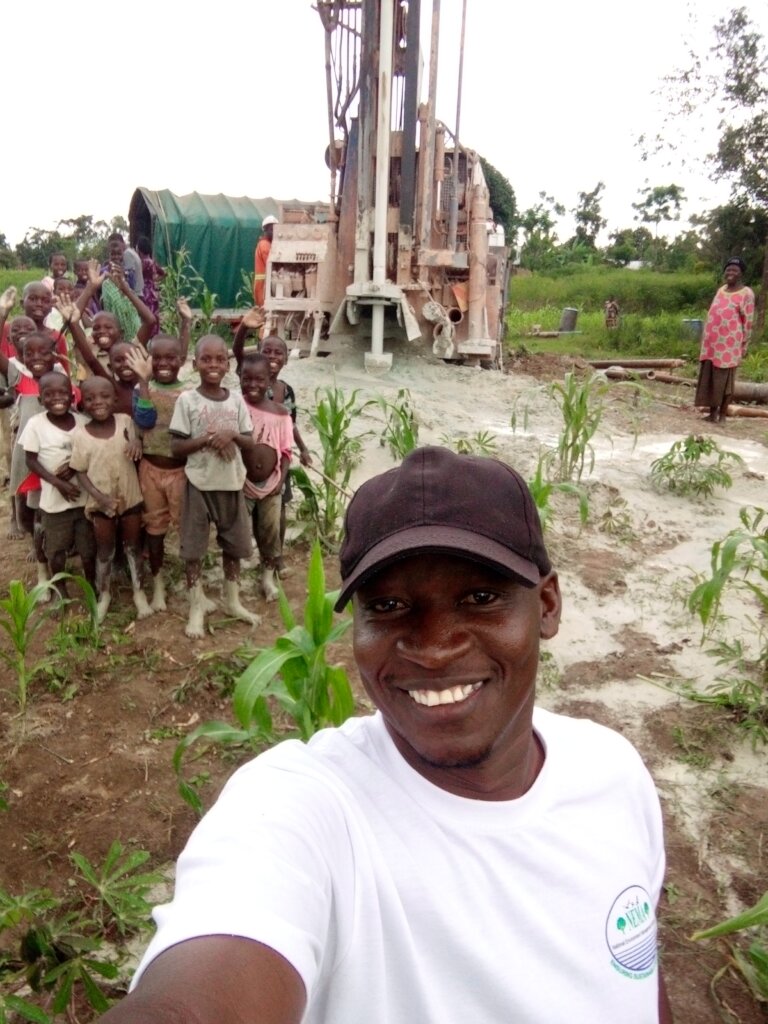
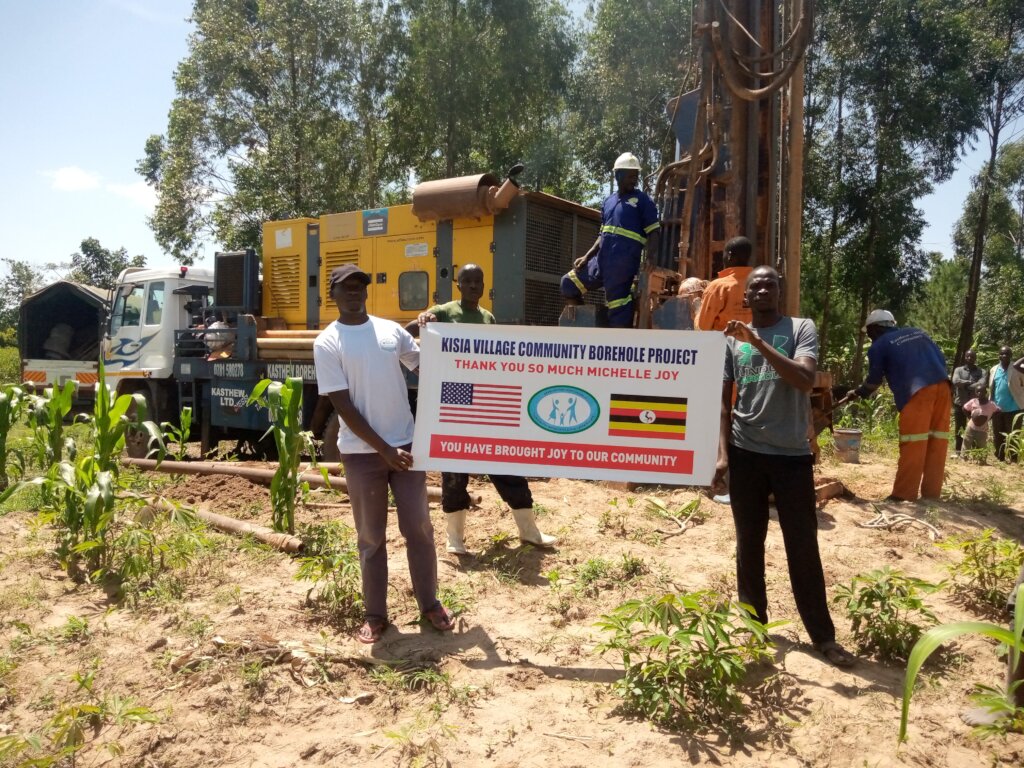
Project Leader Zachery Onyango at Drilling site
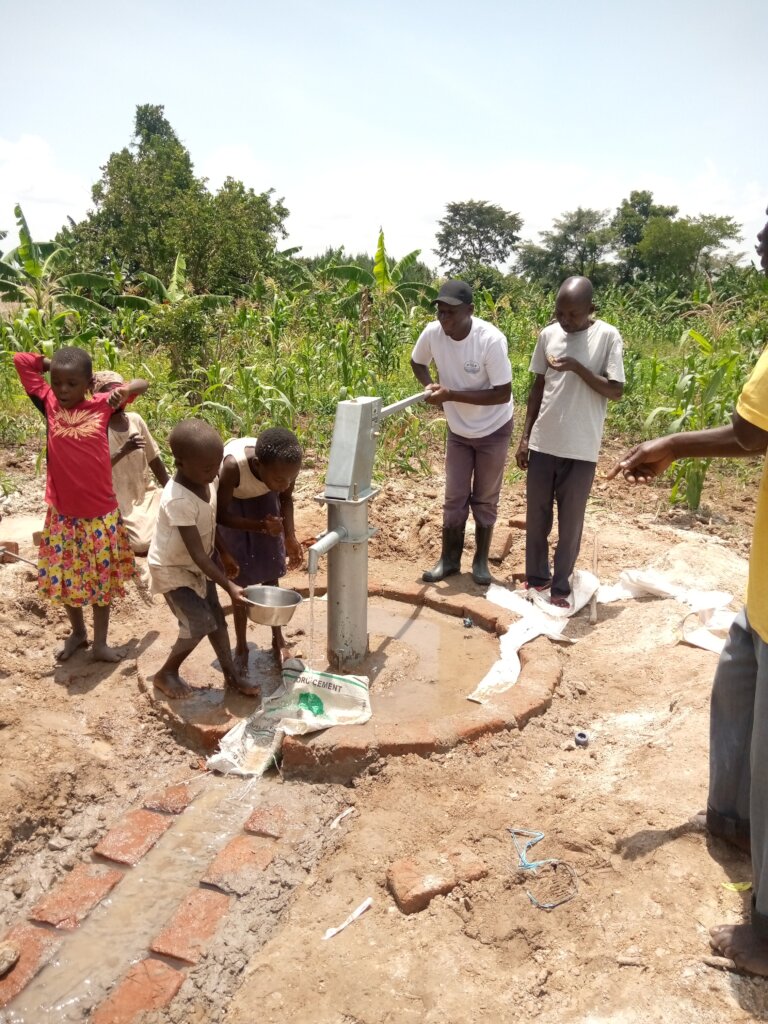
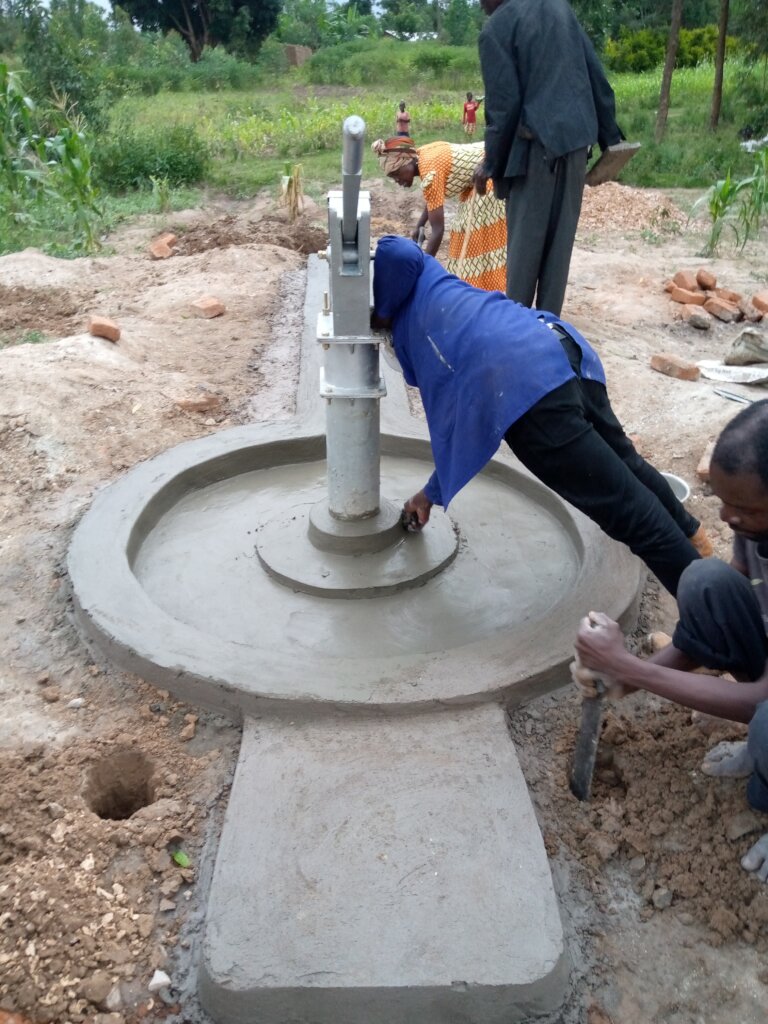
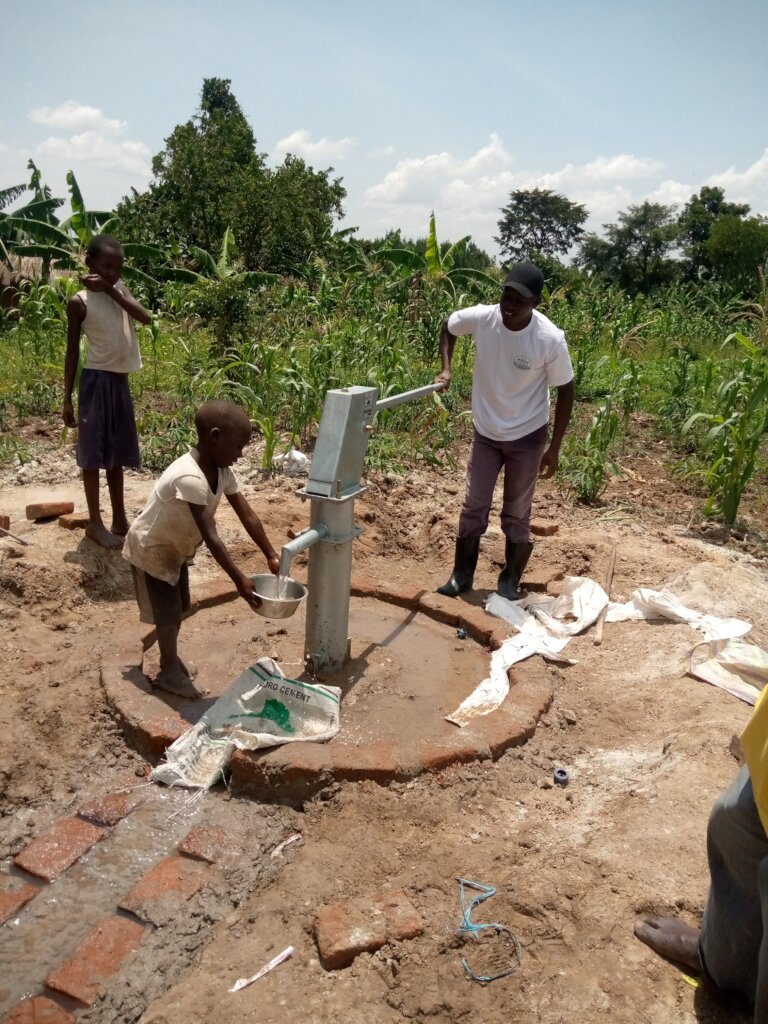
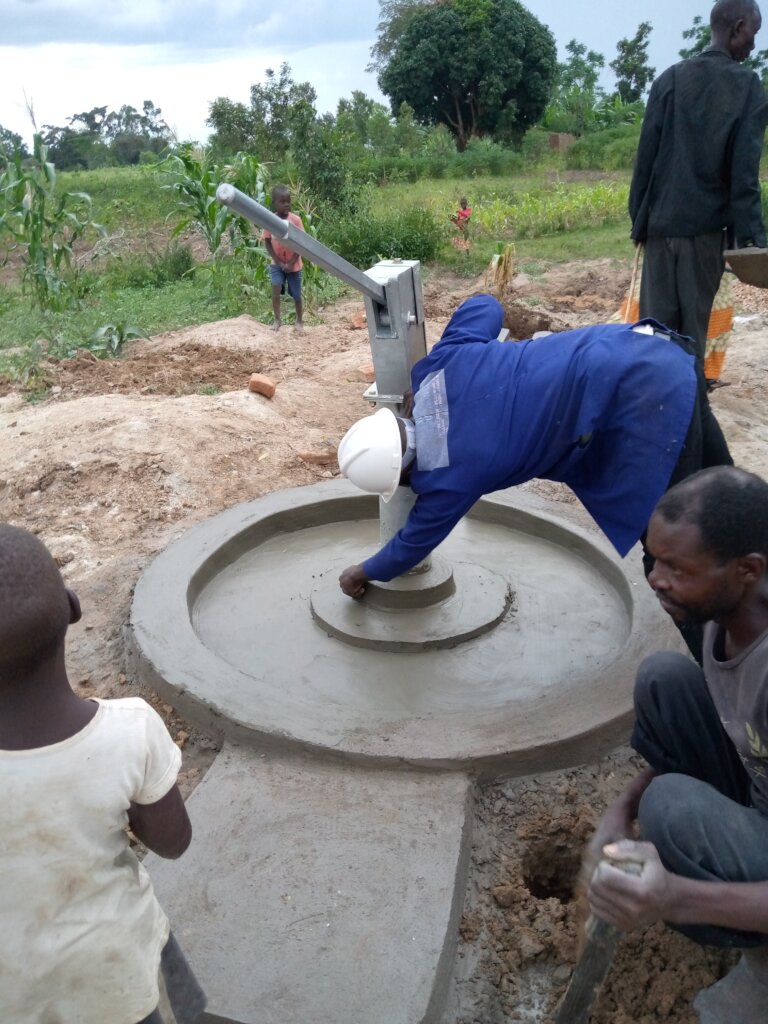
Kisia Community Participating in Construction
Share on Twitter Share on Facebook

About Project Reports

Project reports on GlobalGiving are posted directly to globalgiving.org by Project Leaders as they are completed, generally every 3-4 months. To protect the integrity of these documents, GlobalGiving does not alter them; therefore you may find some language or formatting issues.

If you donate to this project or have donated to this project, you can receive an email when this project posts a report. You can also subscribe for reports without donating.


Sign up for updates

Organization Information

Development Alert

Location: Tororo, Eastern - Uganda
Website:
Facebook: Facebook Page
X / Twitter: Profile
Project Leader:
Zachery Onyango
Tororo , Eastern Uganda

Learn more about GlobalGiving

Teenage Science Students
Vetting +
Due Diligence

Snorkeler
Our
Impact

Woman Holding a Gift Card
Give
Gift Cards

Young Girl with a Bicycle
GlobalGiving
Guarantee

Get incredible stories, promotions, and matching offers in your inbox

WARNING: Javascript is currently disabled or is not available in your browser. GlobalGiving makes extensive use of Javascript and will not function properly with Javascript disabled. Please enable Javascript and refresh this page.