By James Malinga | Project leader
Greetings,
Thank you so much for your support in enabling this Project touch lives in Ugandan poor communities. Here is the summary of the progress;
Project Overview
This report outlines the progress of the Booster Grant Project aimed at providing financial support and empowerment to vulnerable families in Mpigi District, Central Uganda. The project targets families of HIV-infected and affected children, as well as female sex workers, with the aim of enhancing their financial stability. Each year, 300 to 500 families are expected to receive booster grants ranging from $300 to $500. Alongside the financial aid, the project also offers quarterly business skills training to empower these families, particularly focusing on women-headed households that often lack access to loans from traditional financial institutions due to insufficient collateral.
Project Goals
1. Provide monetary support to 300-500 vulnerable families annually.
2. Enhance financial literacy and business skills through quarterly training sessions.
3. Foster sustainable income-generating activities to increase the financial stability of target families.
4. Promote social inclusion and community support among beneficiaries.
Progress Overview
1. Beneficiary Identification and Enrollment
A total of 400 families have been identified and enrolled in the program over the past year. This year, outreach efforts were intensified in collaboration with local NGOs and health clinics serving HIV-affected communities.
- The selection criteria were refined to prioritize households led by women and those exhibiting high levels of financial need.
2. Disbursement of Booster Grants
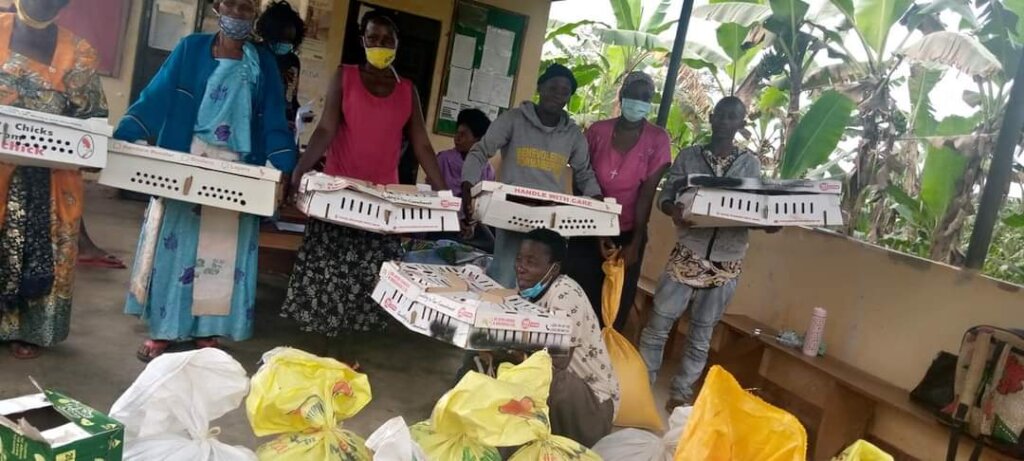
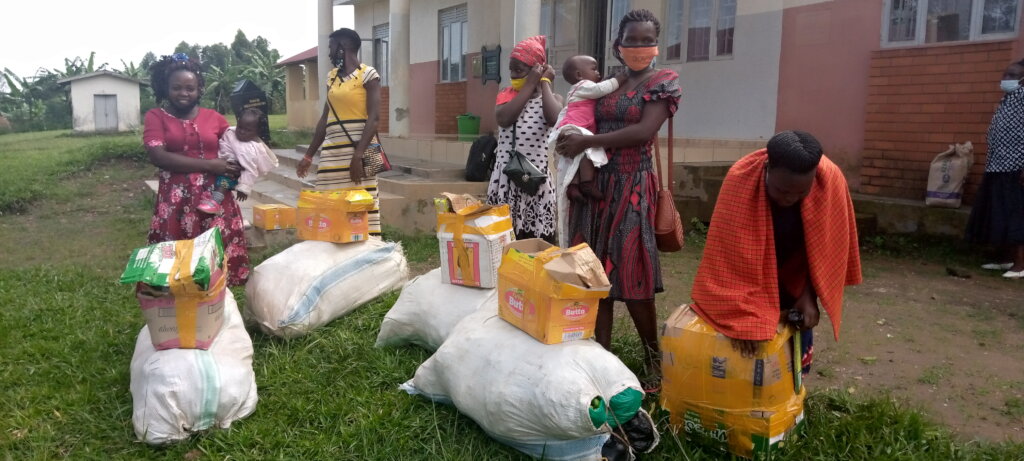
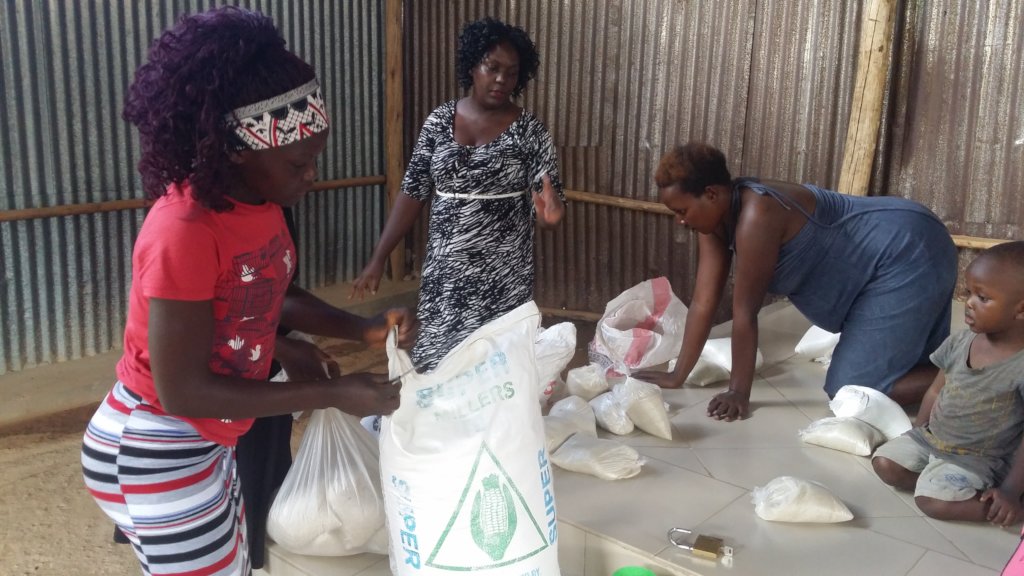
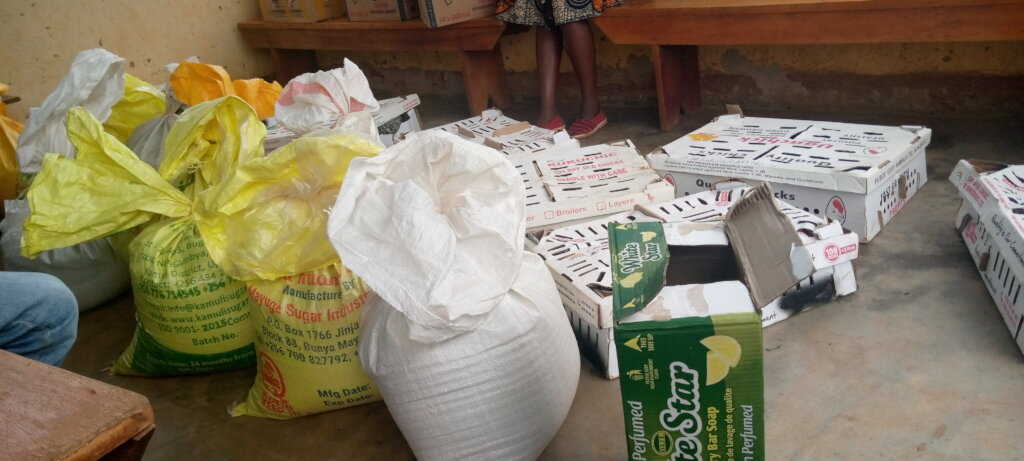
- To date, 150 families have received their booster grants, amounting to approximately $5000 disbursed in total. Grants were disbursed in two phases: the first in January 2023 and the second in January 2024.
- Feedback from beneficiaries indicates that the funds have significantly contributed to immediate needs, including healthcare, nutrition, and small business investments.
3. Business Skills Training Sessions
- Quarterly business skills training sessions commenced in February 2023. To date, three training sessions have been held, with an average attendance of 75% among beneficiaries.
- Training topics included basic accounting, marketing strategies, and sustainable business practices, which were tailored to the specific needs of participants.
- Participant evaluations showed increased confidence in financial management and small business operation.
4. Impact and Success Stories
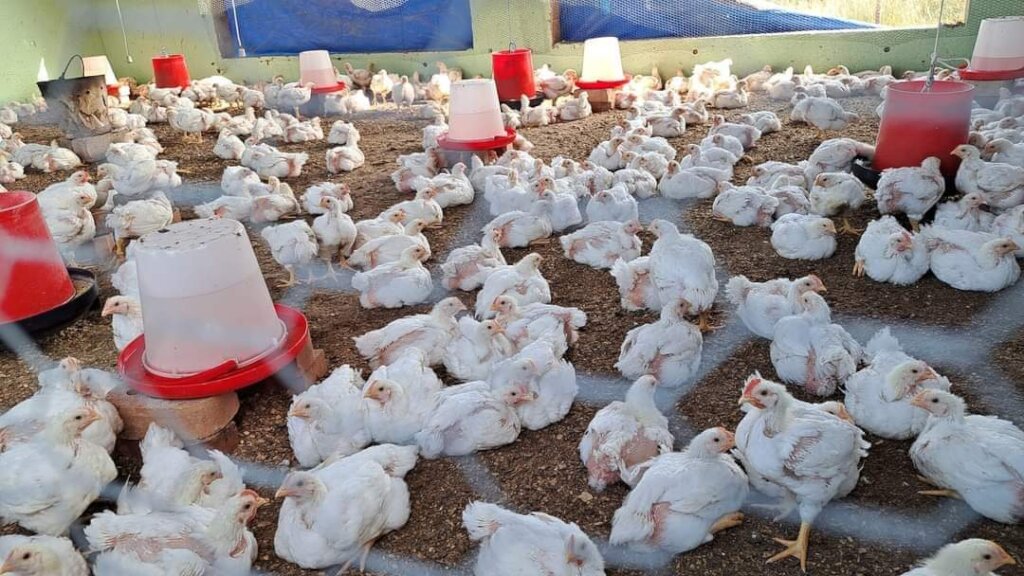
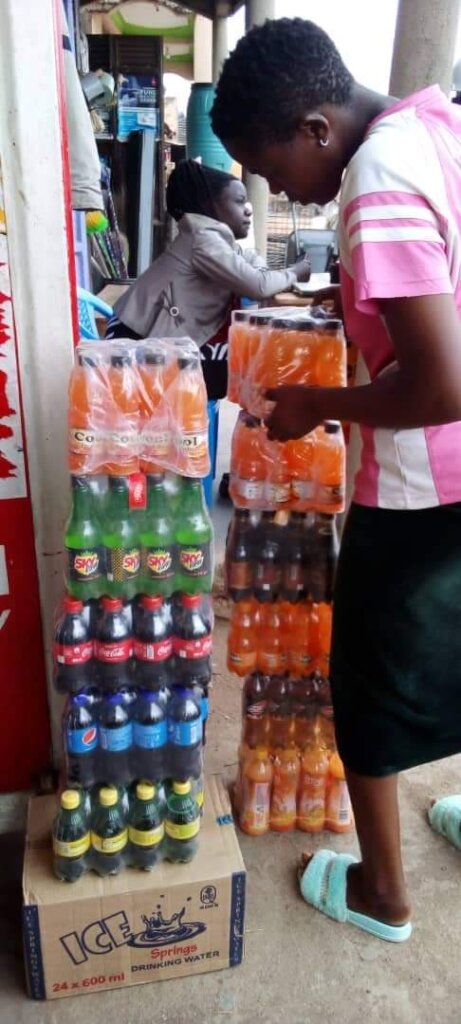
- Several beneficiaries have reported successful implementation of small enterprises, including tailoring, food vending, and agricultural production, leading to improved household incomes.
- A case study from a participant, “Alice,” a single mother of three HIV-affected children, illustrates the impact. With the grant, she started a small tailoring business, earning enough to cover school fees for her children and healthcare expenses.
- Community support networks are also emerging, with beneficiaries forming groups to share resources and advice, fostering a sense of solidarity.
5. Challenges Encountered
- Limited access to markets for selling products has been an ongoing challenge for many beneficiaries.
- Some families faced initial difficulties in business planning, highlighting the need for more comprehensive support alongside training.
- Societal stigma surrounding HIV and female sex work still presents barriers, impacting beneficiaries’ confidence in engaging with broader community markets.
Future Actions
- Continued focus on market access: Develop partnerships with local markets and businesses to create avenues for beneficiaries to sell their products.
- Extended Support: Explore the possibility of providing follow-up mentorship programs for beneficiaries to reinforce skills learned and address any emerging challenges.
- Enhancement of Training Content: Analyze feedback from participants and optimize training programs to address identified gaps in knowledge and skills.
Conclusion
The Booster Grant Project is making significant strides in supporting vulnerable families in Mpigi District through monetary aid and skills training. Continued investment in training, market access, and community engagement will be essential in creating lasting financial stability and empowerment for these families. Future efforts will aim to address ongoing challenges and optimize the impact of the resources provided.
Project reports on GlobalGiving are posted directly to globalgiving.org by Project Leaders as they are completed, generally every 3-4 months. To protect the integrity of these documents, GlobalGiving does not alter them; therefore you may find some language or formatting issues.
If you donate to this project or have donated to this project, you can receive an email when this project posts a report. You can also subscribe for reports without donating.



Support this important cause by creating a personalized fundraising page.
Start a Fundraiser