By Robert Rutherford | Resource Development Officer
Restricted access to clean water, combined with poor hygiene, is a major challenge to maintaining and advancing community health and development, especially among resource-poor households and following natural disasters. Children are particularly at risk in this context, as they are acutely vulnerable to diseases related to the lack of clean and safe water, sanitation and hygiene (WASH) practices. Diarrhea, for example, is a major killer of children across the globe. UNICEF estimates that 4 billion cases of diarrhea per year cause 1.8 million deaths; more than 1.6 million (90%) of these deaths are of children under five.
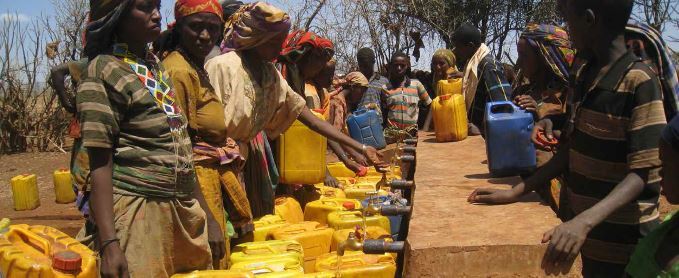
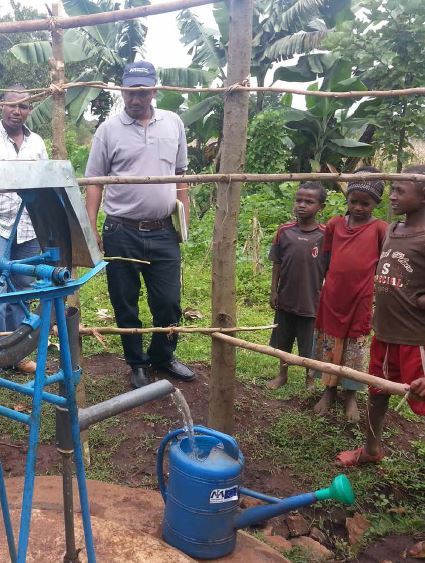
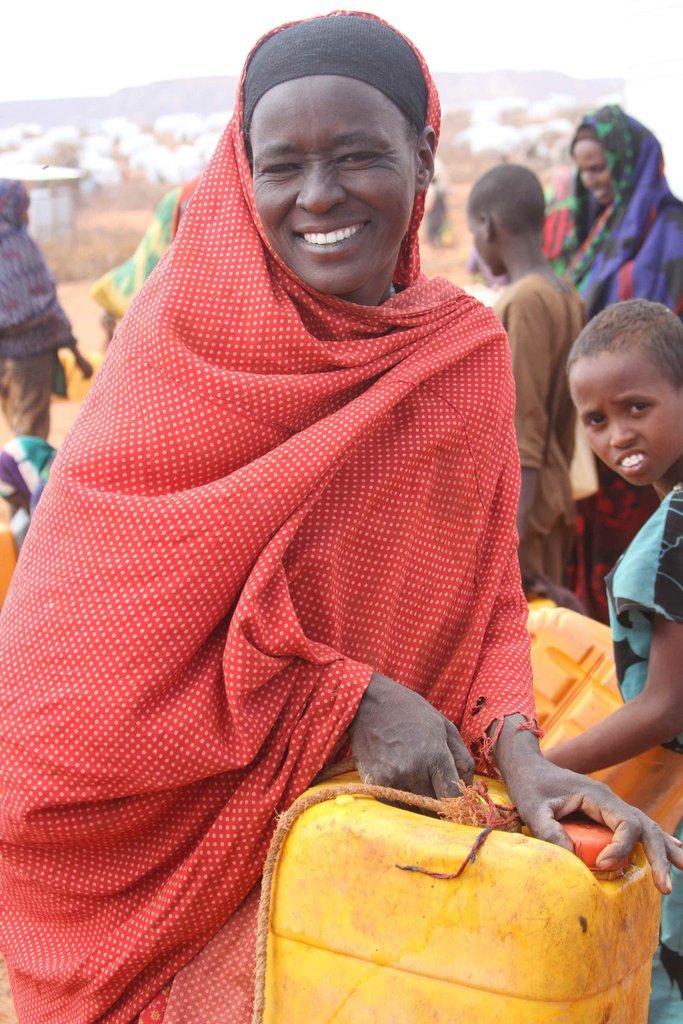
International Medical Corps has prioritized providing access to clean water as part of our nutrition programs in drought-affected Ethiopia since 2010. International Medical Corps has built 45 communal latrines in health centers and installed 80 roof rainwater harvesting systems. In addition, we have rehabilitated a total of 120 water boreholes, shallow hand-dug wells and springs that have provided 138,980 people with improved water supply systems. Teams have constructed a total of 49 sex-segregated school latrines, making a significant difference in school attendance among menstruating girls, who will skip school to avoid the embarrassment of sharing latrines with boys. We have also trained local mechanics on the maintenance of these improvements, and provided needed equipment and supplies.
In the North and North East Departments of Haiti, we continue to fight cholera outbreaks, an ongoing problem that first emerged a few months after the 2010 earthquake. Fighting cholera in Haiti is as critical as ever, as during the first four months of 2015 the number of reported cholera cases was nearly 400% higher than what was reported during the same period in 2014. According to the World Health Organization, cholera can kill within hours if left untreated, but with proper care the mortality is under 1%. International Medical Corps staff therefore recently trained 90 health professionals on cholera case management. In addition, when a cholera victim is identified, we disinfect homes and provide education for remote affected communities on prevention. As cholera is caused by contaminated water, we reduce its risk by building sanitary infrastructure, including clean water sources, latrines, showers, foot baths and hand-washing stations, as well as building kitchens with clean water in local schools.
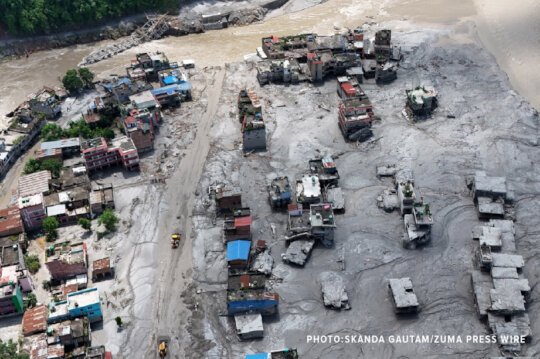
In post-earthquake Nepal, International Medical Corps is working closely with other partners in the health sector to repair damaged health facilities in remote areas, provide specialty medical care and psychosocial support services and restore damaged WASH infrastructure to help reduce the risks of communicable diseases in earthquake-affected areas. In June we distributed hygiene kits containing basic WASH supplies to 615 households in Dhading District, for a total of 2,343 households to date. Also in June, to improve sanitation conditions, WASH teams built 78 emergency latrines in Kathmandu District’s Shankharapur and Kageshoweri Village Development Committees (VDCs), Dhading District’s Muralibhangyang VDC, and Lalitpur’s Tholodrulung VDC, for a total of 760 emergency latrines in Kathmandu, Dhading, and Lalitpur to date.
With the generous support of GlobalGiving donors, International Medical Corps is able to improve access to safe drinking water and sanitary facilities – and save lives – with projects such as these for families and communities that have lost their homes because of natural disasters.
Project reports on GlobalGiving are posted directly to globalgiving.org by Project Leaders as they are completed, generally every 3-4 months. To protect the integrity of these documents, GlobalGiving does not alter them; therefore you may find some language or formatting issues.
If you donate to this project or have donated to this project, you can receive an email when this project posts a report. You can also subscribe for reports without donating.