By Robert Rutherford | Resource Development Officer
Sherifo and her family ran for their lives back in 2010, away from the violent conflict in their home country of Somalia. They endured a tedious journey to cross the border into Ethiopia and reside in Bokolmayo refugee camp in the Dolo Ado region. Sherifo remembers seeing many children lose their lives while she was trying to survive in Somalia, not from bombs or guns, but from diarrhea and other common ailments. She didn’t know then that these unnecessary deaths could have been prevented with a very simple solution.
That solution - handwashing with soap or ash . In an emergency, such as a natural disaster or a man-made conflict, hygiene is often overlooked. Poor hygiene practices can easily lead to the spread of illness and disease, such as diarrhea. In fact, globally, one in five child deaths are due to diarrhea. Handwashing is one of the most effective and inexpensive ways to prevent such disease. But for such a simple and lifesaving habit, handwashing with soap, or ash when soap is not available, can be difficult to adopt when poor hygiene practices are the norm and there is limited access to materials.
As a result, International Medical Corps has been working to promote improved handwashing and sanitation practices in Bokolmayo refugee camp since 2012. “My awareness on hygiene and sanitation was poor before my arrival to the camp,” says Sherifo . “No hygiene and sanitation interventions were provided in the community in my homeland, Somalia.” Survey results show that since International Medical Corps’ sanitation and hygiene services began in the camp, 90% of the population are now aware of the importance of handwashing practices.
“After I received messages on diarrhea prevention, I understood the importance of washing my hands very well. I always wash my hands at all critical times - after a latrine visit and cleaning the bottom of my children, before cooking, eating and feeding my children,” says Sherifo .
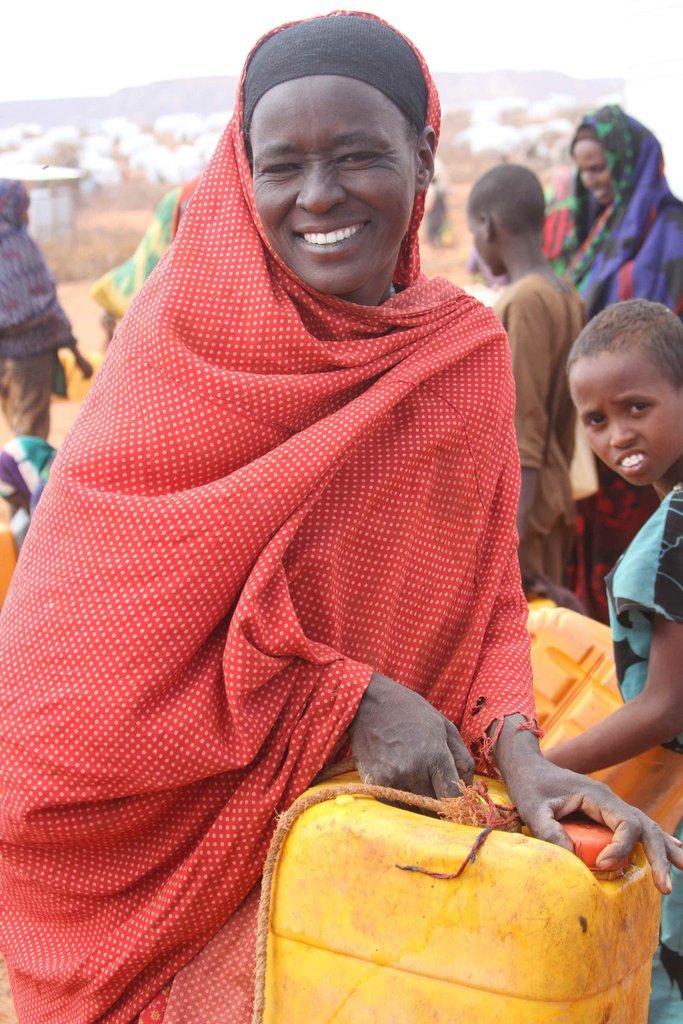
Refugee camps are especially prone to the spread of water, sanitation and hygiene (WASH) related diseases because many people are living in congested and often unsanitary conditions. Not only does International Medical Corps promote improved hygiene practices in Bokolmayo and many other refugee camps around the world, they also construct safe and improved latrines and provide hygiene supplies such as jerry cans for water collection and soap.
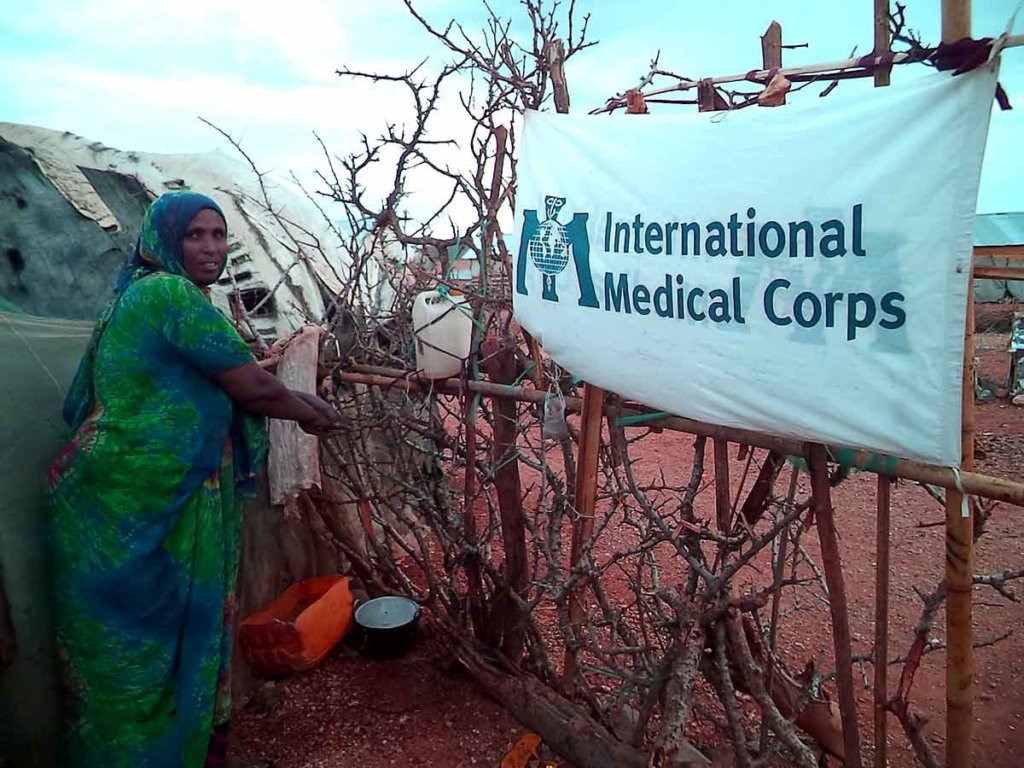
Sherifo now volunteers for International Medical Corps as a WASH committee member and has installed her own tippy tap, a low-tech, hands-free handwashing device used where there is no running water, near her latrine to help her and her family wash their hands regularly. It is critical to have people like Sherifo who understand the importance of handwashing and spread the message to others.
She says, “My family and I are no longer suffering from disease like we faced before; presently, I am promoting handwashing within my community and helping members develop positive hygiene behavior.”
It is with the generous support of GlobalGiving and other donors that International Medical Corps is able to equip mothers like Sherifo with the supplies and information needed to survive in very difficult circumstances around the world. Your support is greatly appreciated.
Project reports on GlobalGiving are posted directly to globalgiving.org by Project Leaders as they are completed, generally every 3-4 months. To protect the integrity of these documents, GlobalGiving does not alter them; therefore you may find some language or formatting issues.
If you donate to this project or have donated to this project, you can receive an email when this project posts a report. You can also subscribe for reports without donating.