By OLIVIER C | PROJECT LEADER
Save Life make difference
Bujumbura
Burundi
Sub Project report
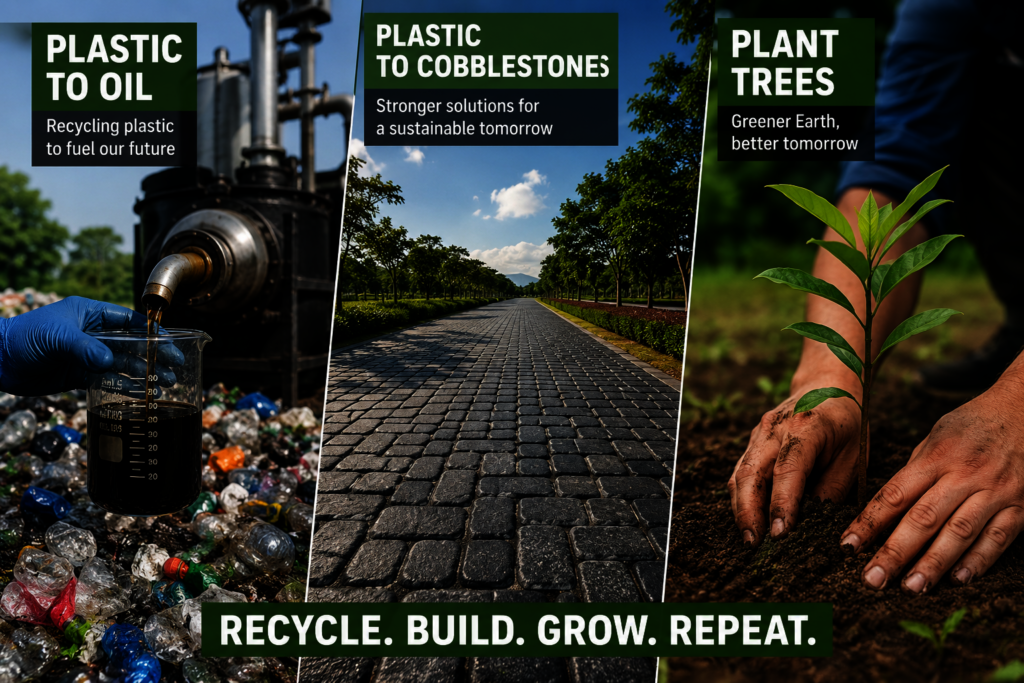
The project aims to recycle plastic into oil and cobblestones, and also includes planting trees as part of its environmental initiatives. The project focuses on waste management and combating climate change through these combined efforts.
Here's a breakdown of the project's components:
Recycling plastic into oil:
This involves technologies like pyrolysis to convert plastic waste into a usable fuel source, potentially reducing reliance on fossil fuels.
Recycling plastic into cobblestones:
This aspect focuses on repurposing plastic waste into construction materials, like cobblestones, providing an alternative to traditional materials.
Planting trees:
Tree planting is a key component of the project, contributing to carbon sequestration and combating climate change.
The project also has specific goals, such as:
Reducing reliance on fossil fuels:
By recycling plastic into oil, the project aims to provide a circular feedstock that can replace crude oil in various industries.
Preventing plastic from entering landfills:
The project's aim is to divert plastic waste from landfills and incinerators by finding alternative uses for it.
Promoting sustainable practices:
The project aims to raise awareness about environmental issues and promote sustainable waste management solutions
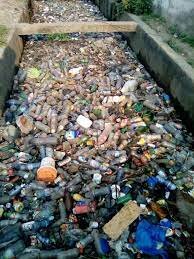
Plastic is everywhere—food packaging, furniture, and children’s toys—making it a defining material of the modern world. According to Greenpeace, humanity produced approximately 9.2 billion tonnes of this material as of the 1950s. In 2019, that number was 368 million tonnes, and only 9% was recycled.
This low recycling rate highlights significant challenges, from inefficient systems to the complexity of recycling different types of plastics. Despite this, technological advancements and growing awareness pave the way for more effective solutions. Communities, businesses, and governments are working with RTS and institutions to address the problem and develop better recycling methods.
Let’s explore how to recycle plastics and how we can contribute to the evolution toward a sustainable future.
Why is Plastic Recycling Important, and What are the Challenges Faced by the Industry?
Plastic recycling is vital in managing waste and creating a more sustainable future. It supports a circular economy, which reduces waste and reuses materials. Plastic waste has severe impacts on our environment, health, and economy. For example, microplastics pollute our oceans and even enter the food we eat. In addition, plastic pollution costs industries like fishing and tourism an estimated $2.5 trillion annually. These facts highlight just how urgent it is to address this problem.
Still, solving the plastic waste crisis isn’t easy. Many people don’t fully understand how big the problem is. Efforts to tackle it have often faced resistance, especially from industries that profit from plastic production.
While concerns about plastic waste were first raised in the 1960s, progress has been slow. Thankfully, things are starting to change with RTS at the forefront. We have a webinar on compostable plastics, which you can download to spread awareness of the subject.
Because of such initiatives, more people and businesses are learning about the issue, recycling plastic, and making sustainable choices. This growing awareness gives hope for a cleaner, healthier planet.
Today, consumers and businesses are trying to recycle more, but many lack the knowledge to do it correctly. This often leads to problems like contamination. For instance, mixing non-recyclable plastics with recyclable ones or attempting to recycle plastics with food residue, chemicals, or adhesives can disrupt the recycling process. These mistakes often send plastics to landfills instead of being recycled.
Another challenge lies in the products themselves. Items like water bottles, usually made from a single type of plastic (such as PETE), are easier to recycle. However, many products are made from a combination of plastics or a mix of plastics and other materials like metal or wood. These mixed-material items cannot be processed in most recycling facilities and often become waste.
Despite these challenges, plastic recycling has improved significantly in recent years. The process can now be broken down into six steps, making it more efficient and effective.
The Plastic Recycling Process Steps
Just like any other waste RTS deals with, we have a process for recycling plastic
Only 0.02% has done $121for $200 000 target continue support our cause.
Bujumbura
Save Life make difference
Project reports on GlobalGiving are posted directly to globalgiving.org by Project Leaders as they are completed, generally every 3-4 months. To protect the integrity of these documents, GlobalGiving does not alter them; therefore you may find some language or formatting issues.
If you donate to this project or have donated to this project, you can receive an email when this project posts a report. You can also subscribe for reports without donating.



Support this important cause by creating a personalized fundraising page.
Start a Fundraiser