By OLIVIER | Project Leader
Save Life Make Difference
Bujumbura burundi
savelifemakedifference@gmail.com
71452395
Sub: Project report
In an age where environmental sustainability is a pressing global concern, the concept of a zero-plastic lifestyle has gained significant traction. Reducing plastic usage, if not eliminating it entirely, offers numerous benefits to our planet. However, the journey towards a plastic-free world is fraught with challenges.
The Main Obstacles to a Zero Plastic System
Accessibility and Convenience: One of the primary challenges is the widespread availability and convenience of plastic products. Plastic is cheap, versatile, and widely used in packaging, making it difficult for consumers to avoid.
Cost Implications: Alternatives to plastic, such as glass or metal, can be more expensive, which may deter individuals and businesses from making the switch.
Infrastructure and Recycling: Many regions lack the infrastructure to support effective recycling or waste management for alternatives to plastic, making the transition to a zero-plastic lifestyle more challenging on a larger scale.
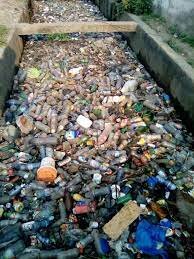
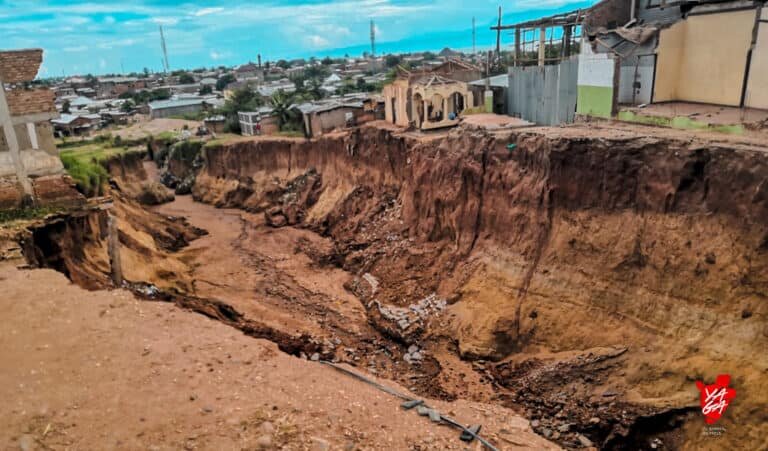
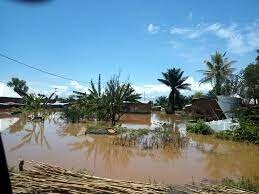
These challenges negatively impact our land, putting the growth of many fauna and flora species at risk, contaminating our water resources, and reducing land fertility.
How is Plastic Directly Affecting Our Forests?
Soil Contamination: As plastic waste breaks down into microplastics, these particles infiltrate the soil in forests, disrupting soil composition and fertility, and ultimately affecting plant growth and overall forest health.
Disruption of Plant Growth: Larger pieces of plastic waste create a physical barrier on the forest floor, preventing seeds from germinating and plants from growing, which leads to decreased plant diversity and disrupts forest regeneration.
Altered Microclimates: Plastic debris alters the microclimate of the forest floor by changing moisture levels and temperature, affecting plant growth and seedling survival.
Increased Fire Risk: Certain types of plastic are highly flammable. Accumulations of plastic waste in forests increase the risk of forest fires, which can devastate large areas of forest and harm wildlife.
Making a Difference Starts with You
These issues may seem distant, but the truth is, every small action counts. By not only planting trees but also helping to conserve our environment, you can make a significant difference. Here’s how:
Choose Recycled Products: Opt for products made from recycled materials. This reduces the amount of plastic waste disposed of in landfills and the environment, while also decreasing the need to manufacture more plastic.
Purchase Reusable Products: Use reusable items like water containers and lunch boxes made of glass or metal, not plastic. This reduces the need to buy new plastic products, saving money and protecting the environment at the same time.
Separate Your Waste: In many countries, accessible trash bins allow for separate disposal of waste: glass, plastic, organic, and metals. These are processed in treatment plants and recycled by manufacturing companies. You can help by separating your waste at home.
Plant Trees: Of course, we wouldn’t leave this action aside. Less plastic and more trees is what our world needs, and Tree-Nation makes it easy for you. Visit our project page and choose the one you like most. By planting a tree anywhere in the world, you help mitigate the damage caused by plastic waste—one tree at a time.
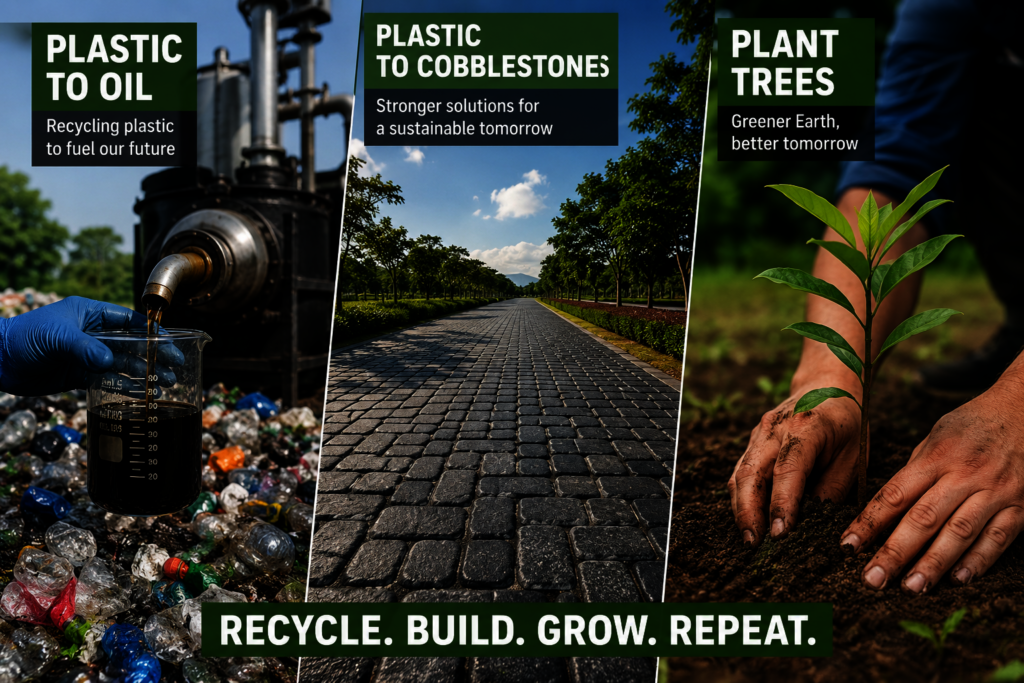
An innovative approach to sustainability combines three distinct efforts: recycling plastic into oil, repurposing it into construction materials like cobblestones, and planting trees to offset environmental impact. This integrated strategy offers multiple environmental and economic benefits.
Recycling plastic into oil
This process, known as pyrolysis, breaks down plastic waste into hydrocarbon fuels.
How it works: Plastic is heated to high temperatures in a sealed, oxygen-free reactor. This causes the polymer chains to break down into oil and gas. The resulting "pyrolysis oil" can be used as a fuel or as a raw material for new plastics.
Benefits: It reduces the need for landfills and incinerators, recovers energy from waste, and offers a potential alternative to fossil fuels.
Challenges: The process is energy-intensive, and some environmental and technical concerns remain. Critics argue it perpetuates fossil fuel use and can release pollutants if not managed properly.
Recycling plastic into cobblestones
Plastic waste can be combined with other materials to form durable and eco-friendly building products.
How it works: Startups melt down shredded plastic and mix it with sand or other materials. The mixture is then compressed into molds to create paving stones, bricks, and tiles.
Benefits: These cobblestones are significantly more durable than cement, resist breakage during transport, and can last for decades. Some products are also lighter and easier to install, reducing energy consumption during construction.
Companies: Companies like Zelij Invent (using 80% plastic waste) and TileGreen (using recycled plastic bags) are actively producing these materials.
Planting trees
Tree-planting is a critical component of environmental remediation that complements the recycling efforts.
How it works: Reforestation and afforestation programs plant new trees in deforested areas to restore ecosystems and combat climate change.
Benefits: Trees absorb carbon dioxide, improve air quality, restore biodiversity, and help prevent soil erosion.
Effectiveness: Organizations like Regreener, Trees for All, and One Tree Planted focus on projects that ensure long-term impact by selecting native species and involving local communities.
Integrated approach
Projects in places like Burundi and the Democratic Republic of Congo have combined these solutions to maximize their impact.
Goal: The aim is to create a circular economy where waste is minimized and resources are reused. Plastic waste is diverted from landfills to create valuable products and fuel, while reforestation projects restore the local ecosystem.
Example: A project on GlobalGiving aims to recycle plastic into oil and cobblestones while also planting trees to manage waste and combat climate change.
The lack of support for projects combining recycling plastic to oil, cobblestones, and tree planting is likely due to various challenges, including the high cost and technical complexity of plastic-to-oil conversion, the potential generation of toxic byproducts, the need for large-scale infrastructure, and the fact that plastic-to-cobblestone applications are limited to non-heavy traffic areas. Additionally, projects can face issues with public education, stakeholder engagement, and the inconsistent supply of suitable plastic waste, which hampers the ability to scale up and gain broad support.
Challenges with plastic-to-oil conversion
High costs: The process requires significant initial investment in pyrolysis machines.
Technical complexity: Pyrolysis requires precise control and can be energy-intensive.
Toxicity: The process can produce dangerous byproducts that must be properly managed.
Feedstock uncertainty: The process relies on the consistent availability and type of plastic waste.
GHG uncertainty: There is a lack of consensus on the net greenhouse gas emissions benefits of pyrolysis oil production.
Challenges with plastic-to-cobblestones
Limited application: These cobblestones are best suited for non-traffic areas like walkways due to their lower compressive strength compared to traditional materials.
Performance: Their performance may vary depending on the plastic type and the specific mix used.
Challenges with tree planting
Resource requirements: Tree planting requires land, water, and ongoing maintenance.
Scalability: While tree planting is vital, it can be a slow process to see significant environmental impact on a large scale.
General challenges for the combined project
Logistical challenges: Gathering, sorting, and transporting plastic waste is a major hurdle, especially in developing regions.
Public support and education: A lack of public understanding of the benefits of these programs, and the importance of proper waste segregation, can hinder participation.
Lack of infrastructure: The necessary infrastructure for collecting, sorting, and processing the different waste streams is often lacking.
Economic viability: The project must be economically sustainable in the long term, but the costs associated with each component, coupled with potential market price fluctuations for products, can be a significant challenge
HomePyrolysis of plastics: Challenges and solutions
Pyrolysis of plastics: Challenges and solutions
The pyrolysis process can convert plastics into valuable chemicals and fuels. Learn about the challenges and solutions to an efficient, cost-effective process.
DATE 2023-11-28
The pyrolysis of plastics is a promising technology for achieving a circular economy and solving the global plastic waste crisis. According to a report by McKinsey, “How Plastics Waste Recycling Could Transform the Chemical Industry,” this process stands to generate growth of 25.4% over the next ten years. Additionally, pyrolysis provides an environmental benefit as it reduces the waste sent to landfills, reducing emissions and greenhouse gases.
Pyrolysis-recycling-header.png
Is pyrolysis the answer to the plastic waste crisis?
Only a fraction of discarded plastics are recycled
The current state of plastics recycling is a significant challenge to our environment and society. Even though plastic is one of the most pervasive materials used in modern life, only 9.1% of all plastics in the US are ever recycled. Of this, most plastic waste ends up in landfills or incinerators, which can take centuries to break down. Moreover, due to the wide variety of different types of plastics present in waste streams, recycling facilities typically extract only high-value plastics for reuse. This means that re-processing techniques such as pyrolysis are required for lower-value plastic waste recycling
We have $125 raised of $200,000 goal
Save Life Make Difference
Bujumbura burundi
27/10/2025
Project reports on GlobalGiving are posted directly to globalgiving.org by Project Leaders as they are completed, generally every 3-4 months. To protect the integrity of these documents, GlobalGiving does not alter them; therefore you may find some language or formatting issues.
If you donate to this project or have donated to this project, you can receive an email when this project posts a report. You can also subscribe for reports without donating.



Support this important cause by creating a personalized fundraising page.
Start a Fundraiser