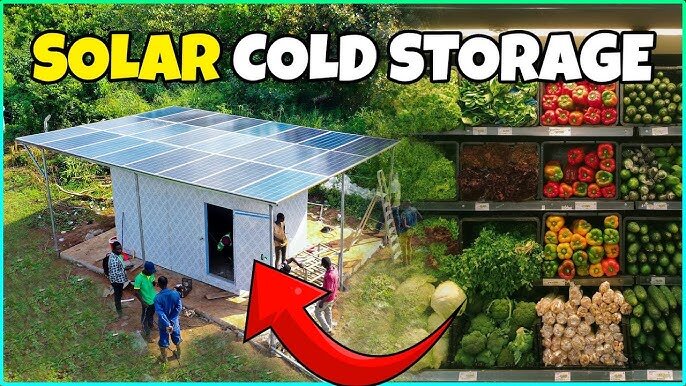
In Nigeria, up to 40% of farm produce spoils before reaching markets due to poor storage, heat, and unreliable electricity. Farmers lose income, and communities face food shortages. This project will provide 50 solar-powered cold storage units for smallholder farmers, helping them preserve fruits, vegetables, and grains longer. With storage extended by 7-21 days, farmers can sell at fair prices, reduce food loss, and strengthen local food security.
Nigeria loses billions of naira yearly to food waste. Farmers often sell produce quickly at low prices or watch it spoil in the sun. Vegetables, fruits, and dairy are most affected, with losses estimated at 30-40% of production. Without reliable electricity or affordable cold storage, rural farmers are trapped in a cycle of low earnings and wasted food, while urban consumers face shortages and higher prices.
The project introduces 50 solar cold storage units in rural farming communities. These units run on clean solar energy, requiring no grid electricity or fuel. Farmers will store harvested crops safely for up to three weeks, reducing waste and giving them time to sell at fair market rates. Each unit will be managed by farmer groups, creating shared responsibility while extending food availability for local households.
With solar cold storage, farmers will cut post-harvest losses, raise their earnings, and strengthen food availability in local markets. Communities will benefit from more stable access to fresh food. Over time, farmer groups can expand the storage network, making rural agriculture more sustainable. This shift reduces waste, improves household nutrition, and creates a path toward stronger rural economies built on reliable food supply chains.



Support this important cause by creating a personalized fundraising page.
Start a Fundraiser