By Marcos Macera | Project leader
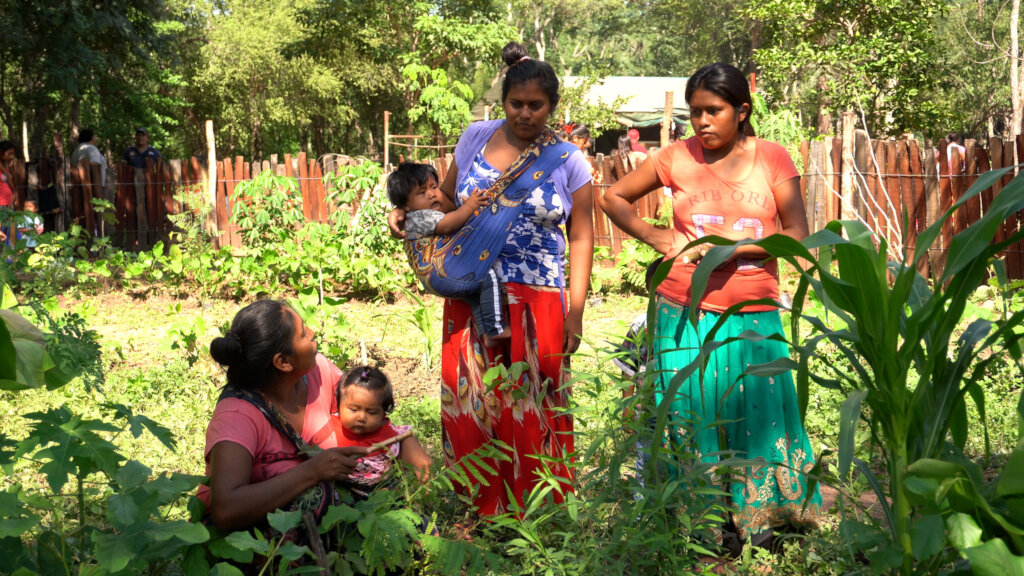
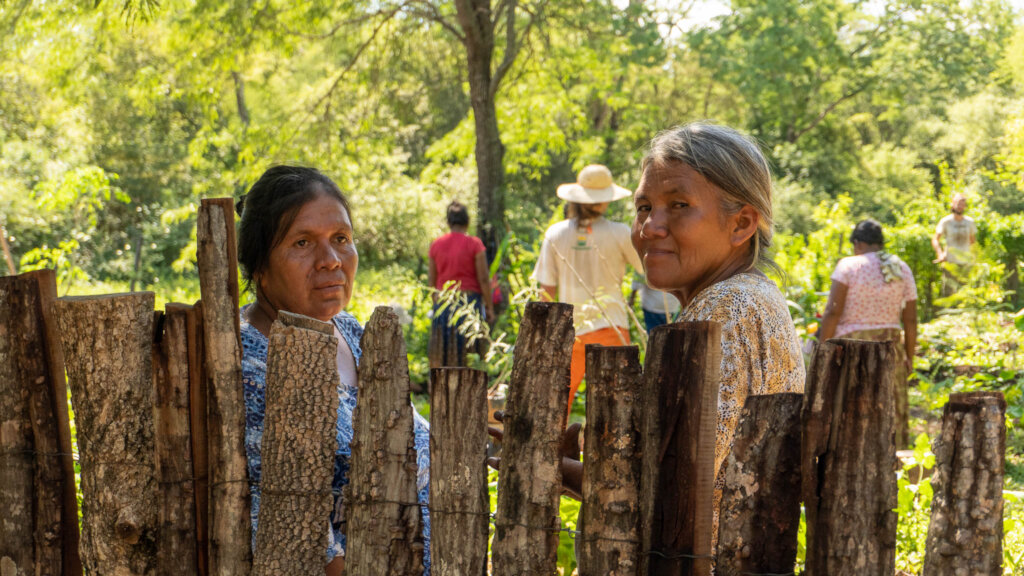
Over the past year, thanks to the continued support of our donors, this project has made strong progress in strengthening food security, youth leadership, and regenerative livelihoods within Wichi communities in northern Argentina. Through hands-on training and community-based implementation, young people and women have been actively leading the recovery of traditional food systems rooted in agroecology, forest stewardship, and cultural knowledge.
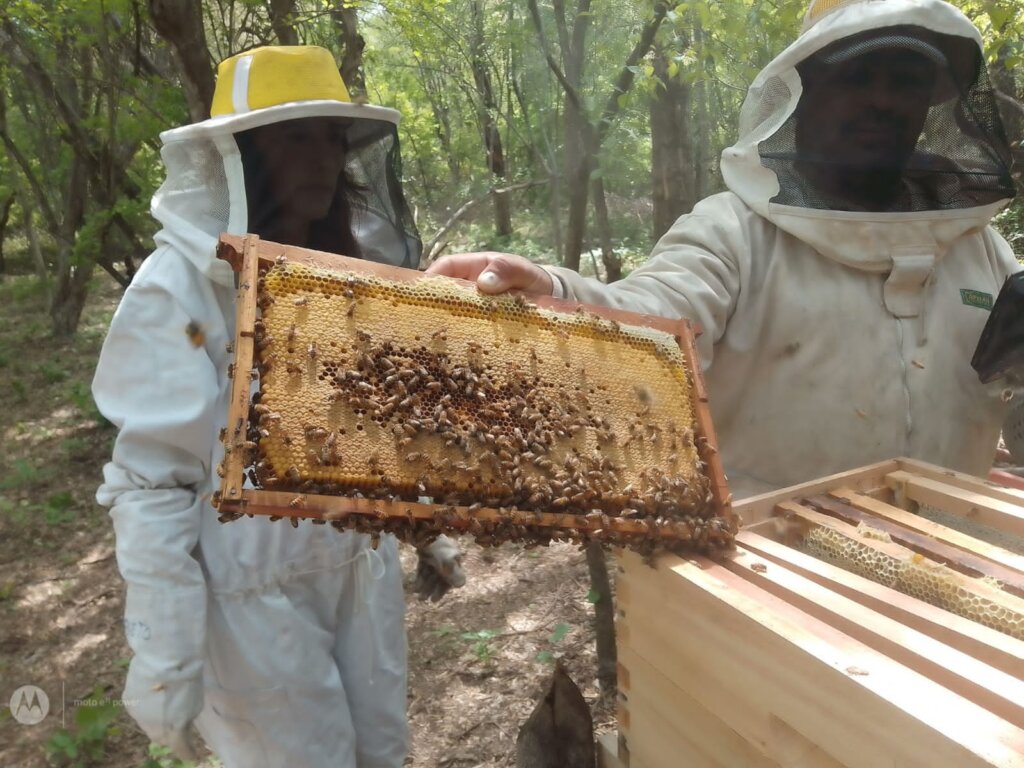
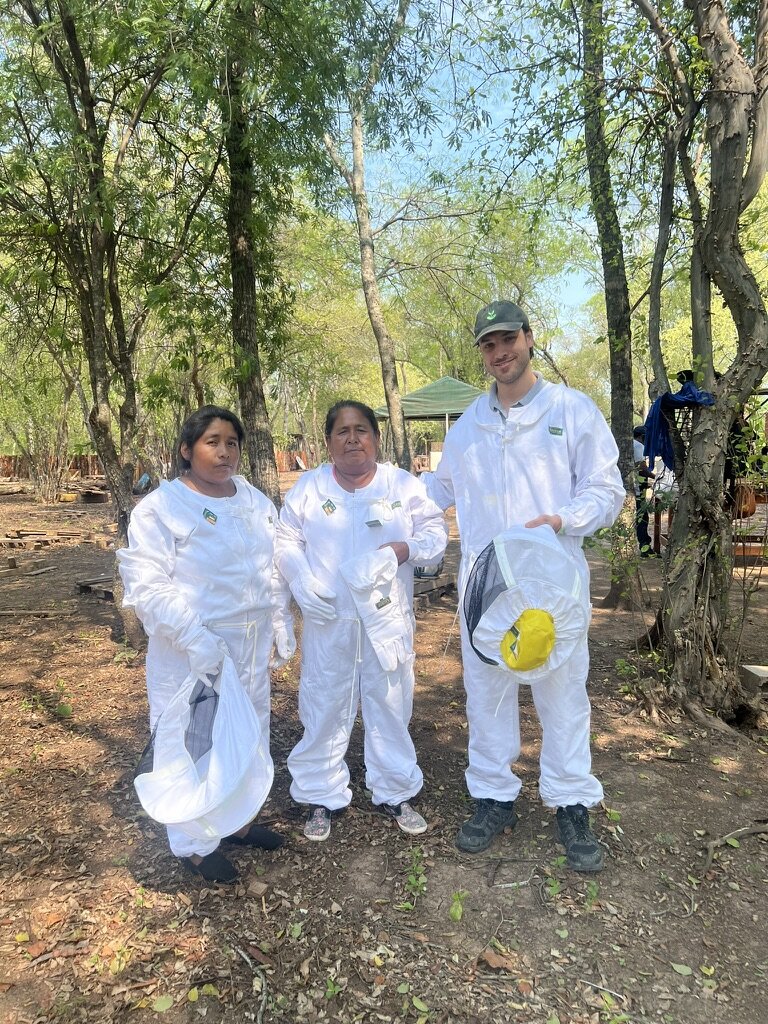
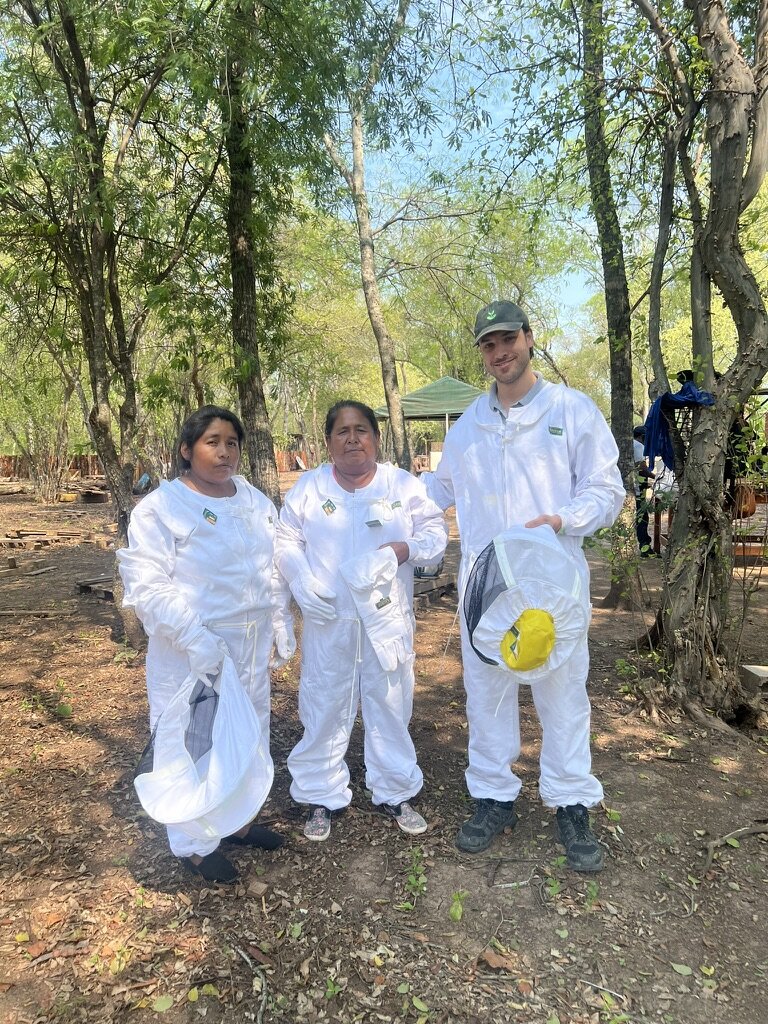
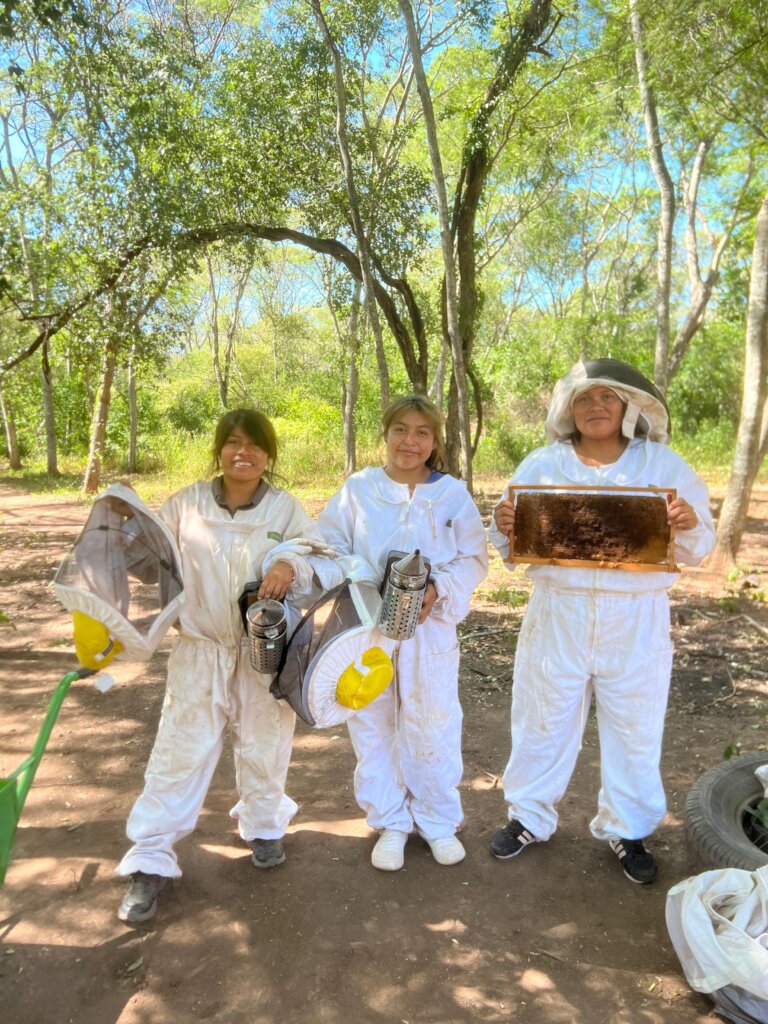
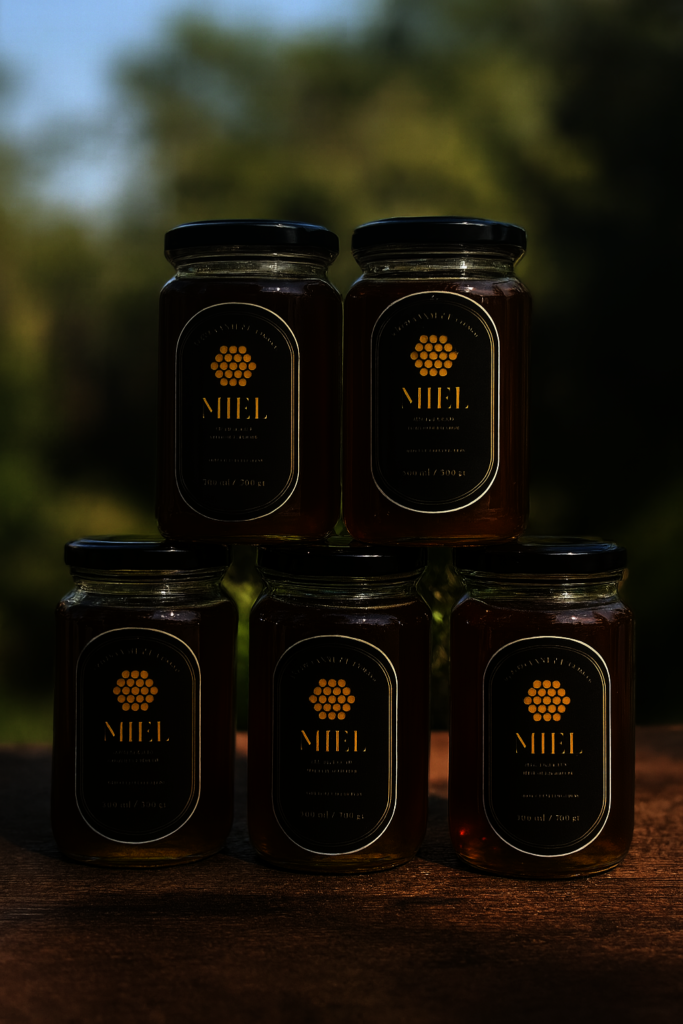
In organic beekeeping, we trained 15 Wichi beekeepers over a full year, supporting four community apiaries with 25 active hives. Together, these apiaries produced, processed, and sold over 150 kilograms of organic honey, generating local income and reinforcing food sovereignty. During the year, 25 additional hives were installed, bringing the total to 50 hives planned for the 2026 production season, and a new community apiary was incorporated, expanding collective ownership and technical capacity.
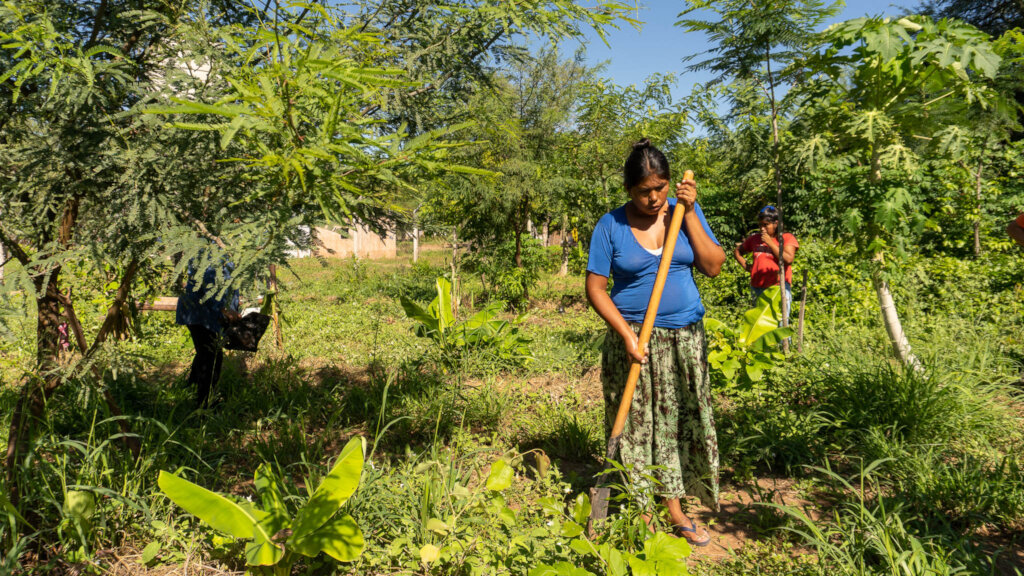
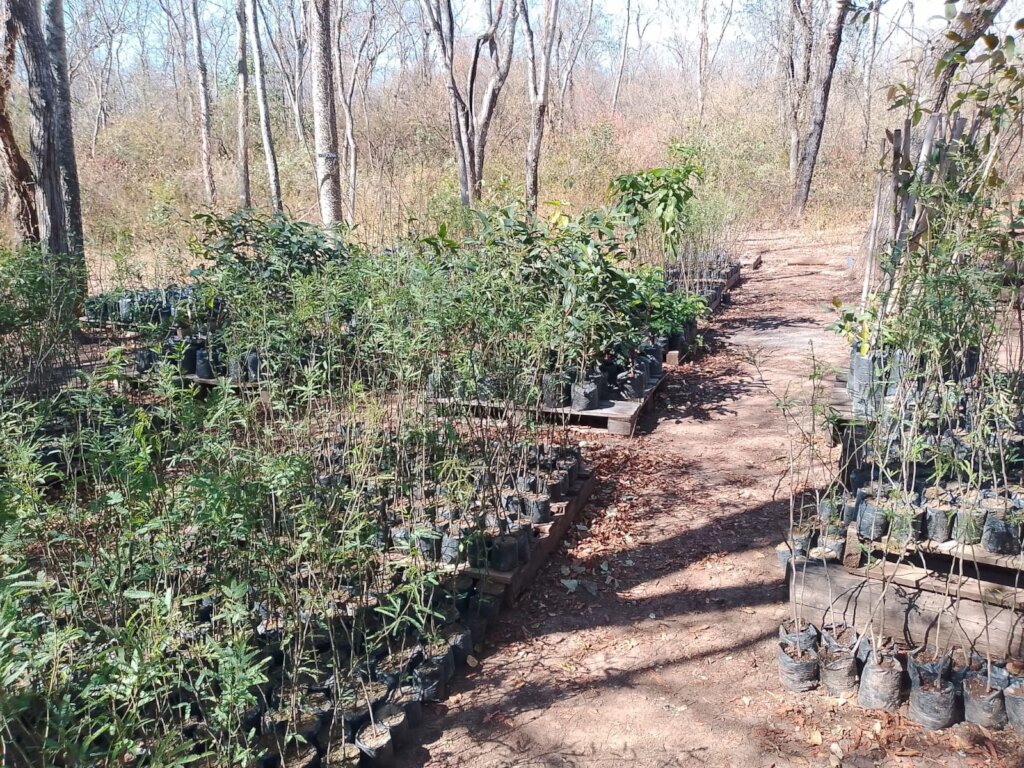
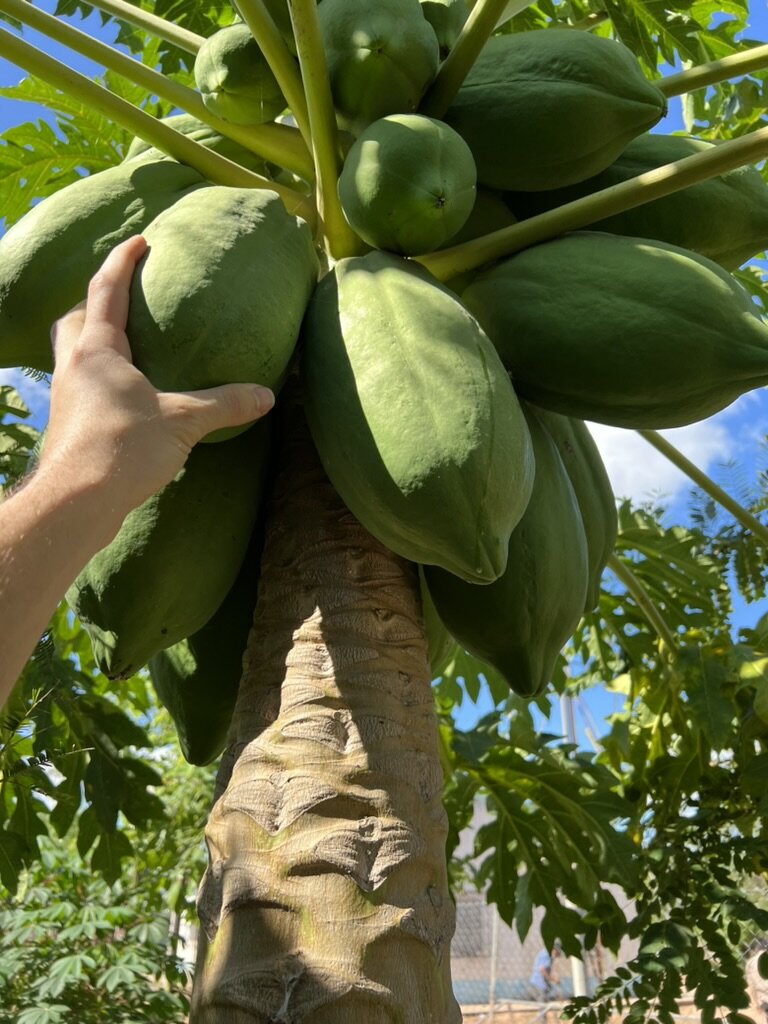
Our native and fruit tree nursery became a key engine for regeneration and learning. More than 3,000 native and fruit trees were produced, while 10 young nursery workers received specialized training. Over 800 plants were sold to sustain the nursery, and more than 600 plants were donated to community agroforestry systems, schools, and family gardens—directly contributing to landscape restoration and long-term food production.
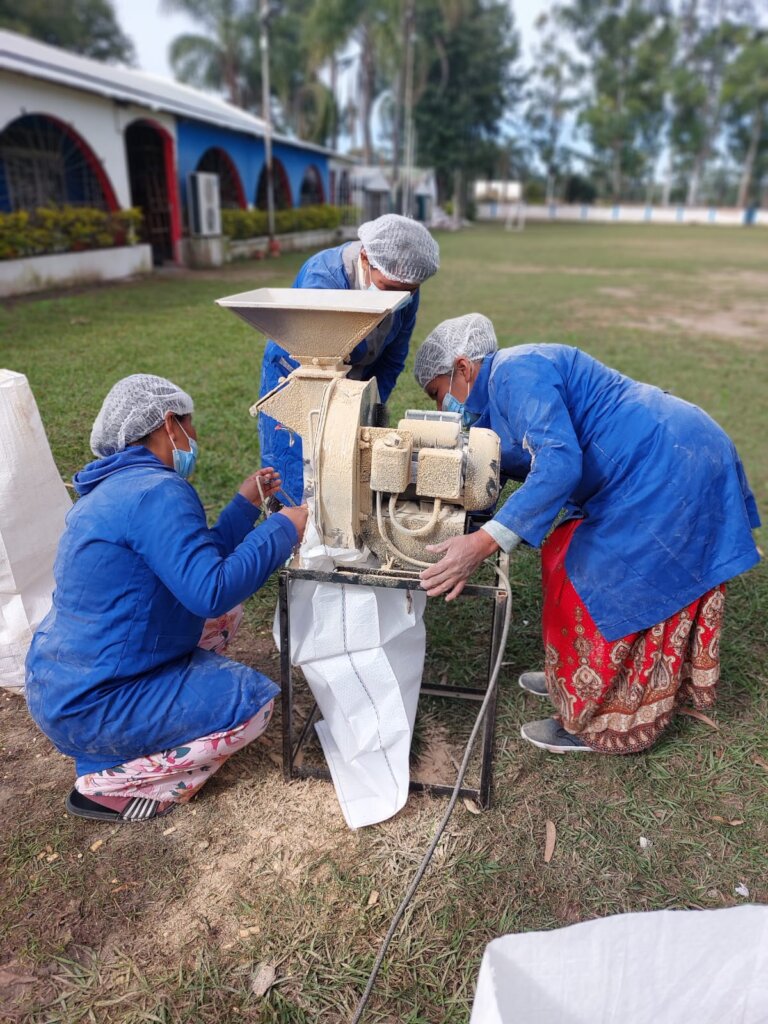
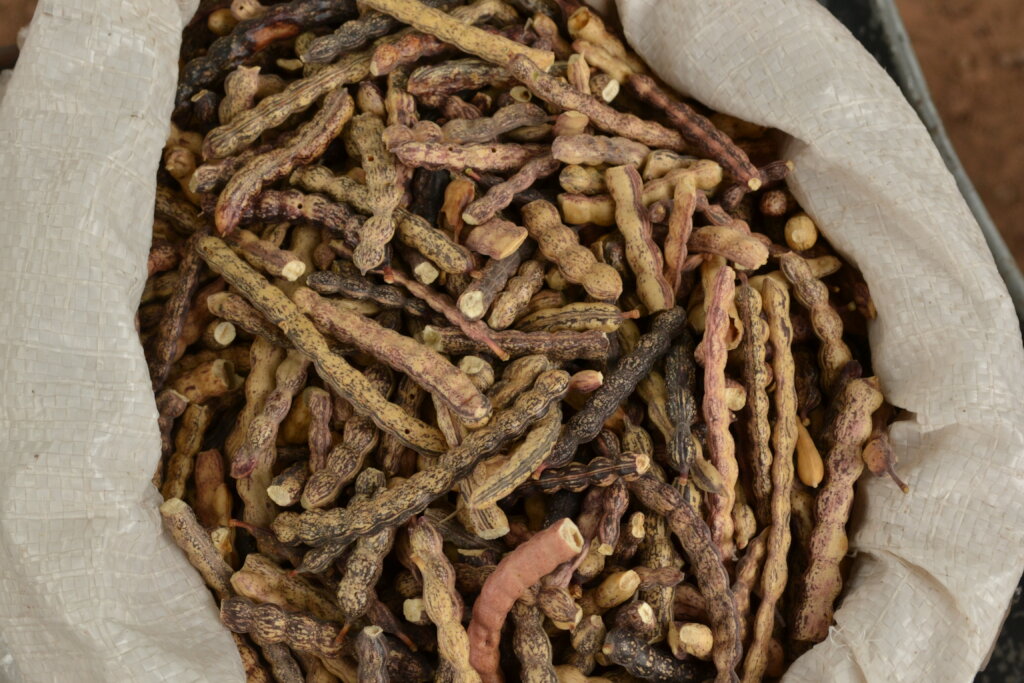
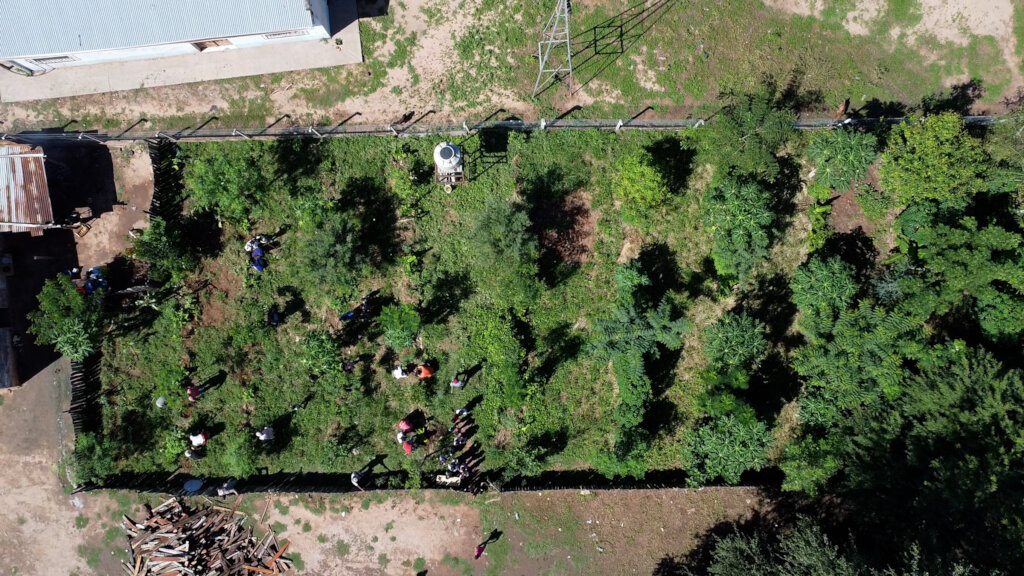
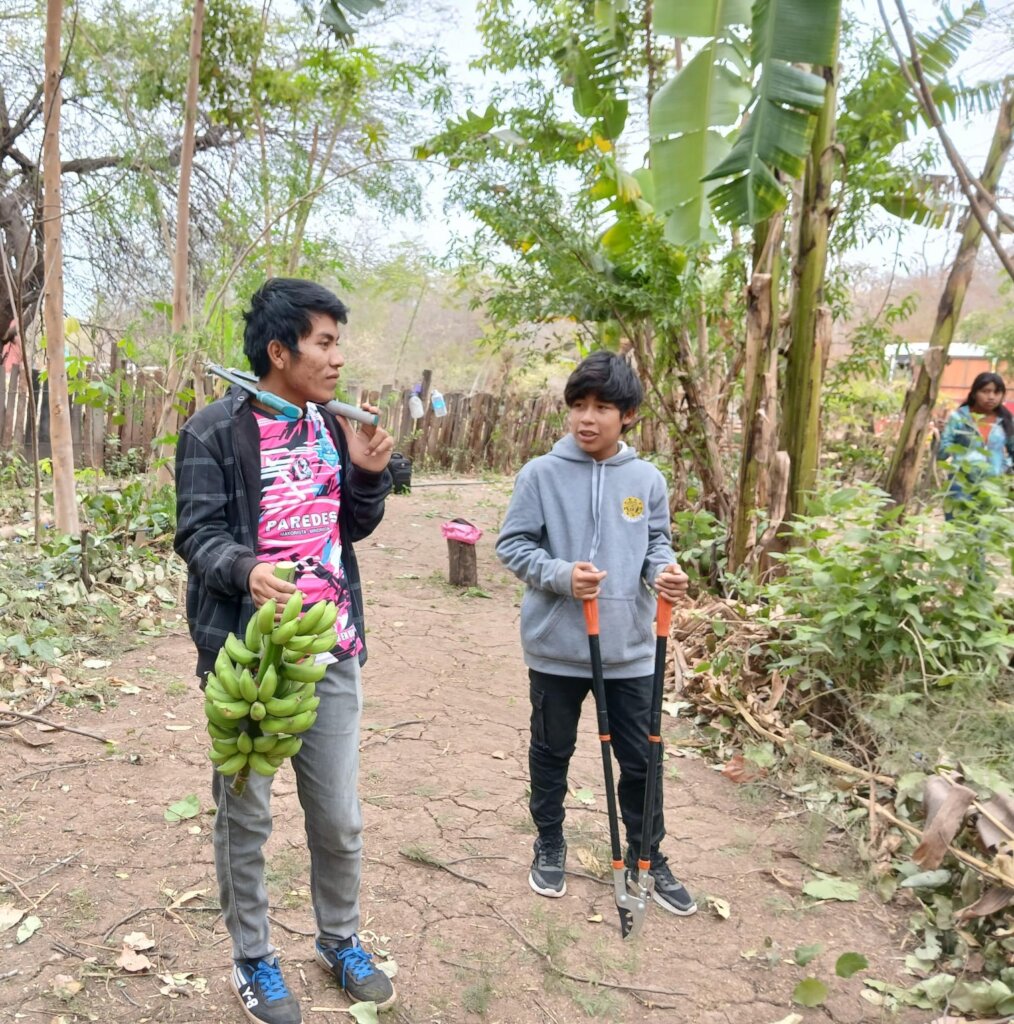
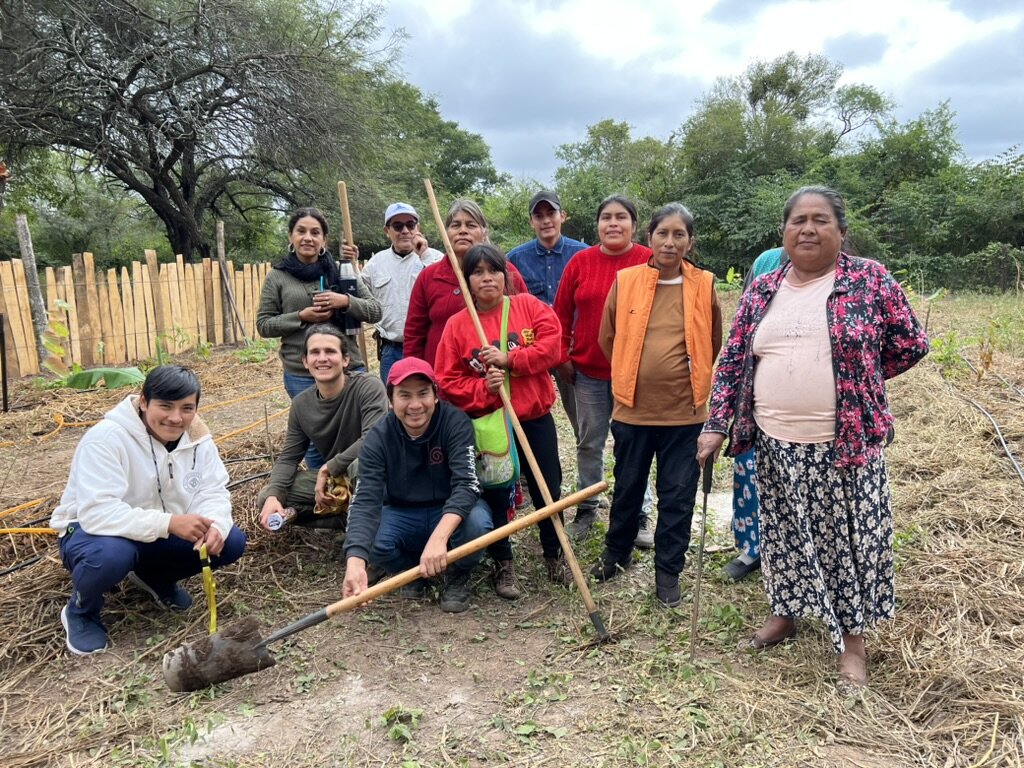
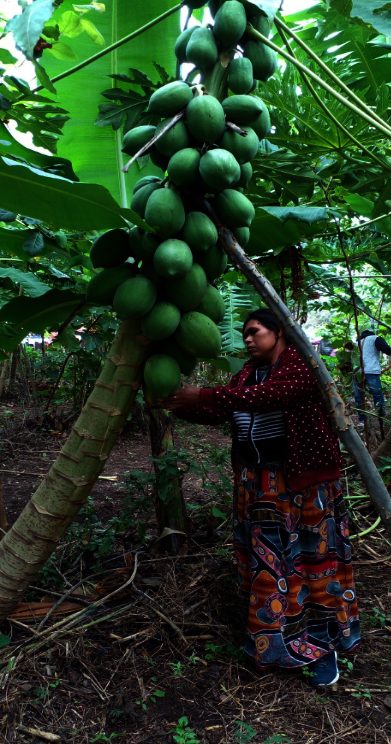
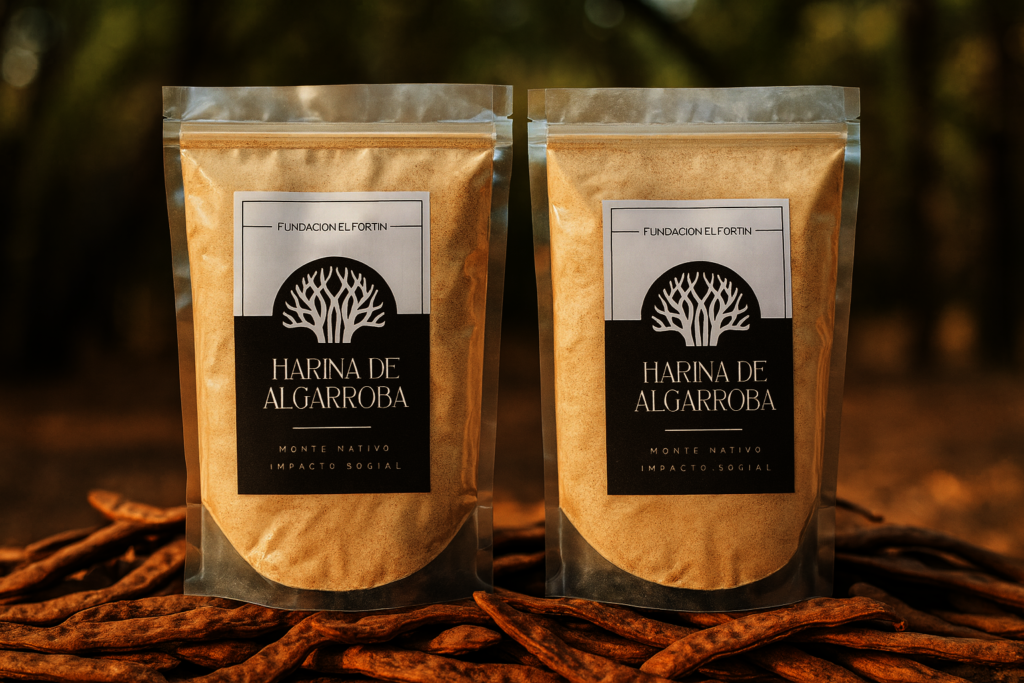
Agroecological agroforestry systems continued to grow as a central pillar of the project. We trained 30 young people in agroforestry practices and supported five community-based agroforestry food systems, harvesting over one metric ton of fruits and vegetables for local consumption. During the year, one additional community agroforestry system was established, expanding access to fresh food. In parallel, 10 Wichi women were trained in non-timber forest products, harvesting more than 350 kg of Algarroba pods and producing, packaging, and selling 150 kg of Algarroba flour, supported by over 20 hands-on workshops. These activities reinforce cultural identity, strengthen local economies, and build long-term resilience to climate and food insecurity.
Project reports on GlobalGiving are posted directly to globalgiving.org by Project Leaders as they are completed, generally every 3-4 months. To protect the integrity of these documents, GlobalGiving does not alter them; therefore you may find some language or formatting issues.
If you donate to this project or have donated to this project, you can receive an email when this project posts a report. You can also subscribe for reports without donating.



Support this important cause by creating a personalized fundraising page.
Start a Fundraiser