By Amy Aucamp-Clark | Campaign Manager
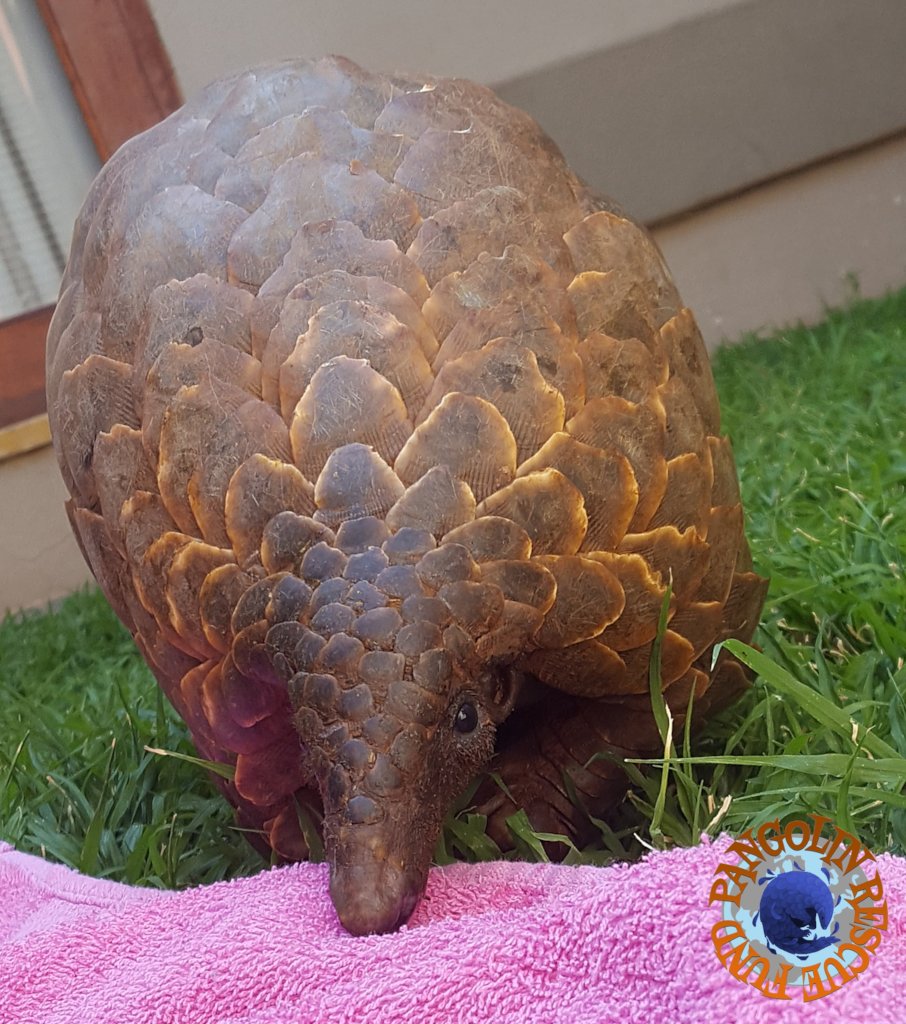
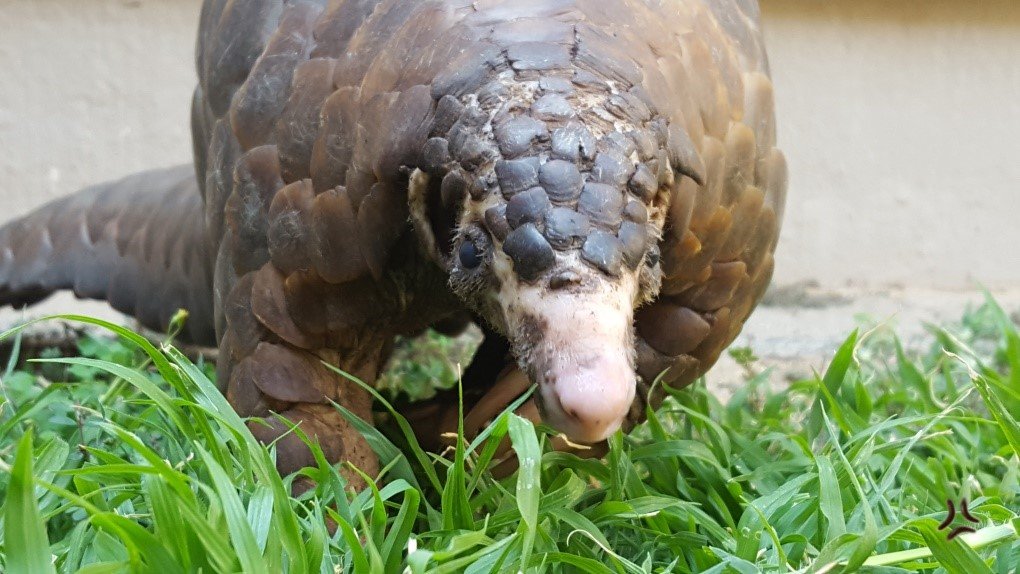
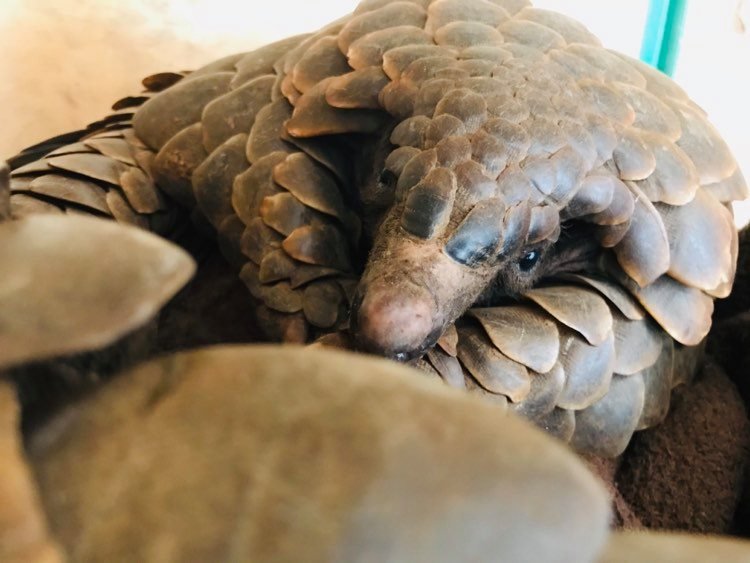
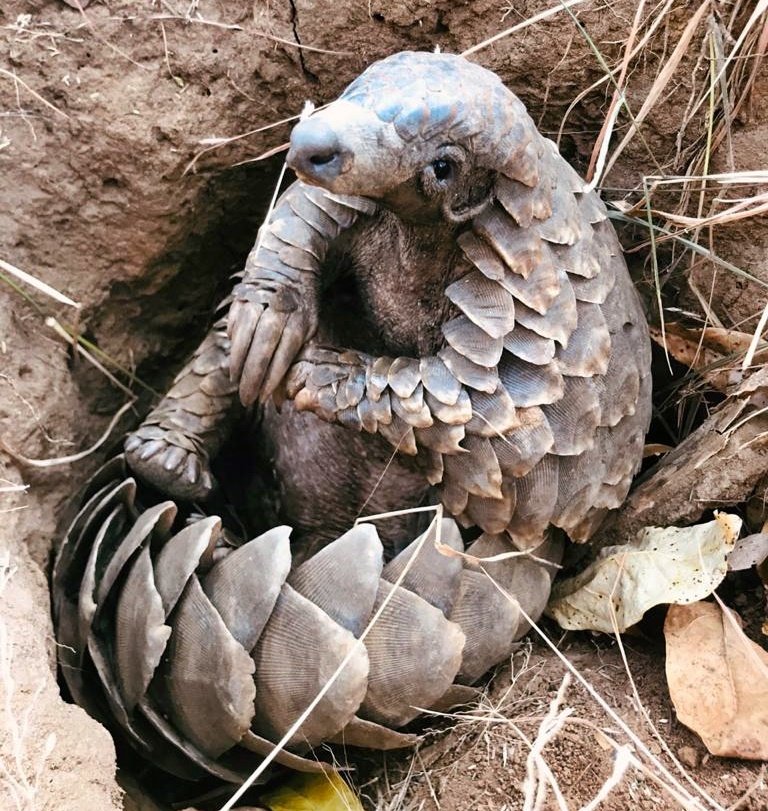
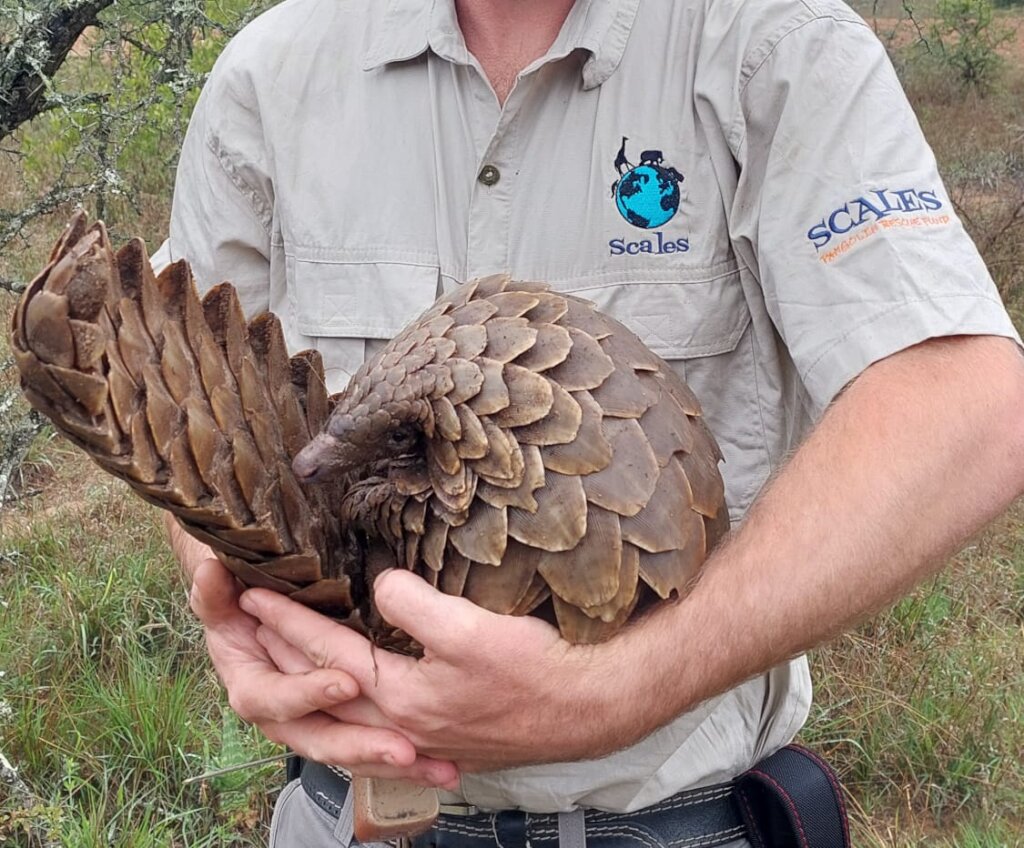
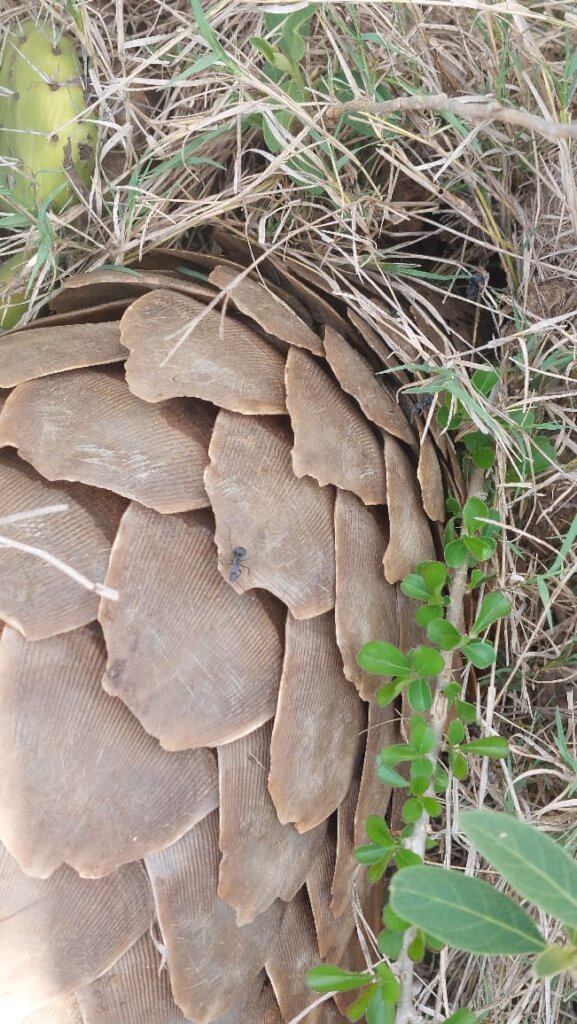
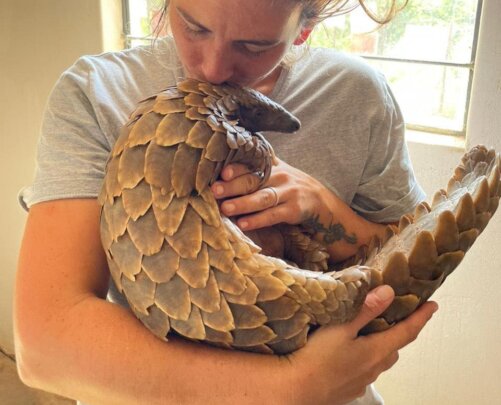
In celebration of World Pangolin Day today, we would like to share the story of a female pangolin who came into our care after being rescued from the illegal wildlife trade on the 8th of October 2022. In gratitude of your continued support of our work, we wanted you to hear Tilly's story first!!
In a joint intelligence operation conducted in Phalaborwa, Limpopo on the 8th of October last year, 7 suspects were arrested, and a female pangolin was successfully recovered. On collection by our team from the scene, it was obvious that she had been held captive for some time as she was visibly skinny, but no major injuries visible.
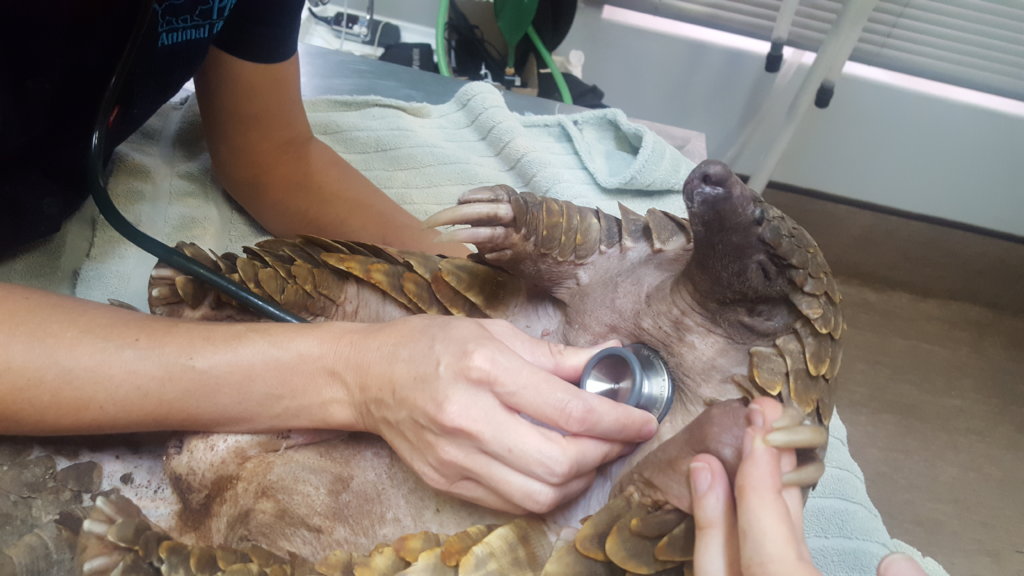
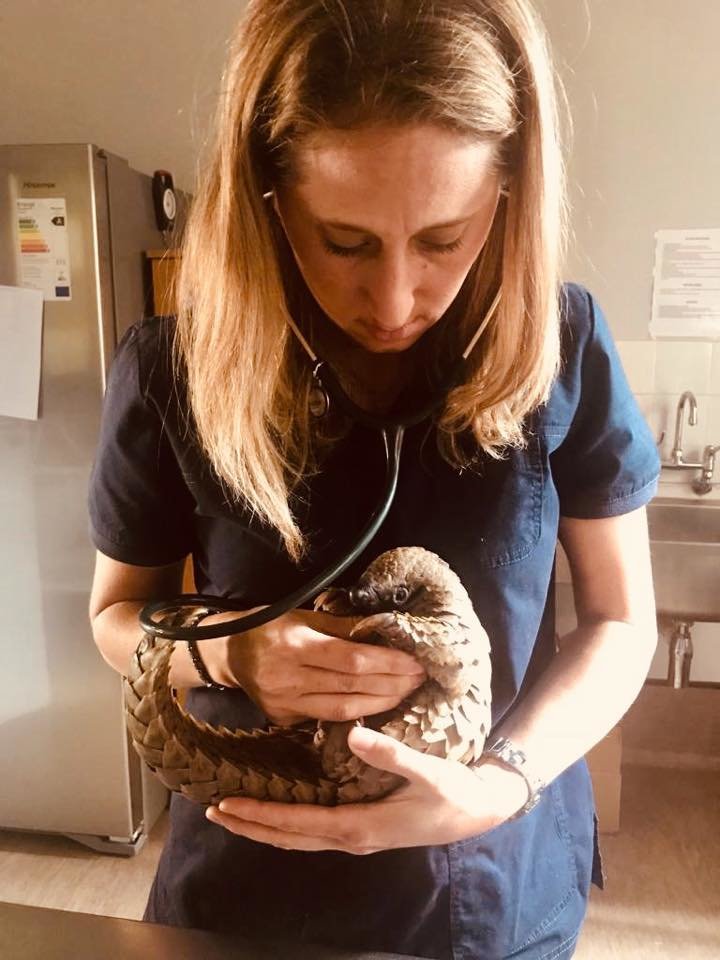
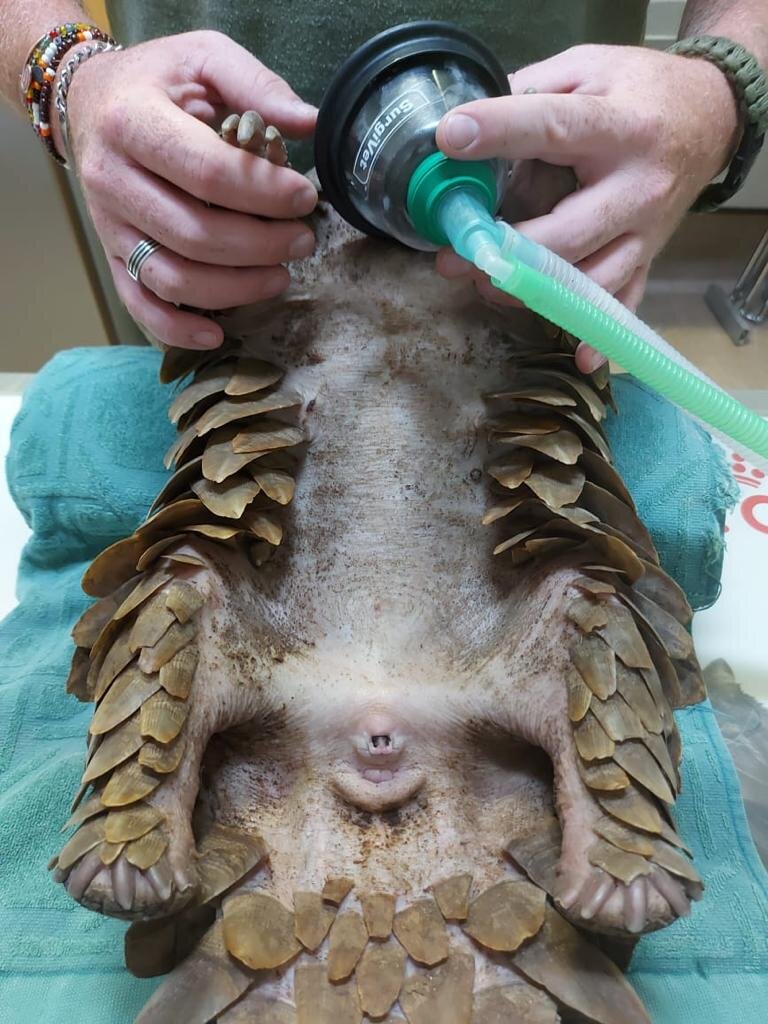
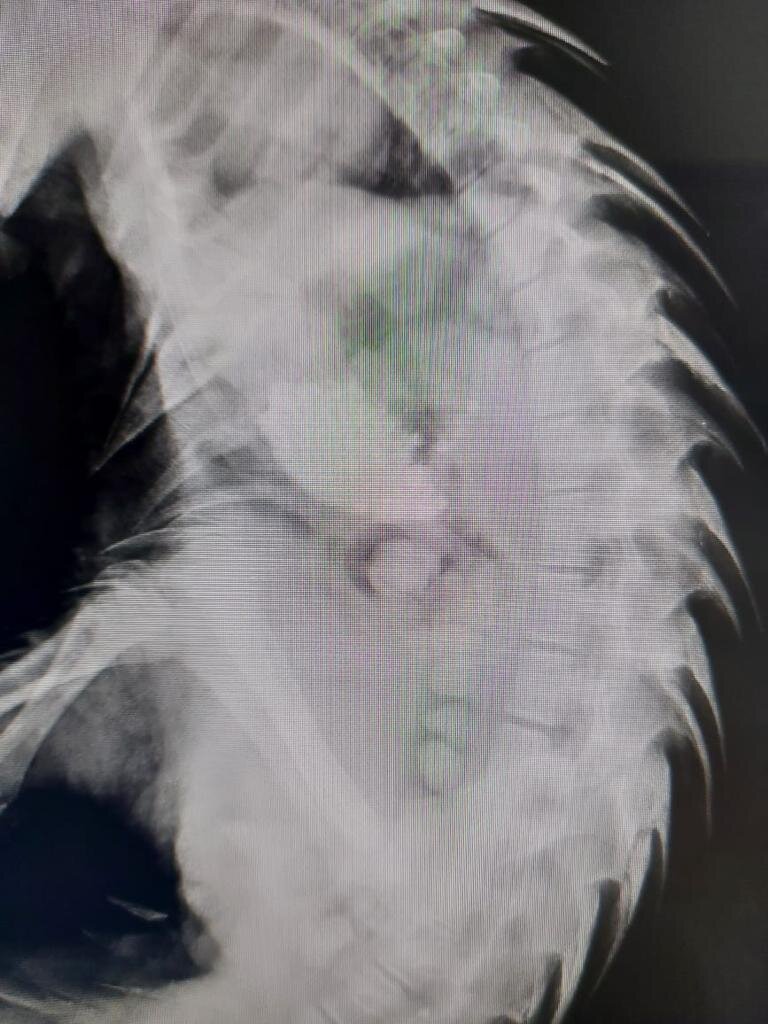
As with all pangolins that come in, she was taken directly to the vet so that here condition could be fully assessed. On admission, all pangolins are weighed sedated and put on a fluids drip to assist with dehydration. Tilly weighed 7.66kg on admission. If the pangolin is female an ultrasound is done to check for pregnancy. X-rays are then taken to insure there are no internal injuries and to check for blockages.
Tilly's X-Rays showed her to be servery constipated, due to how dehydrated she was. Blood tests are then performed to check for any infections, which if present are then medical treated. They are then tube fed to give them a kick start of strength, depending on how compromised the individual is, they might be tube feed for a few days until they are stronger enough to go out on a feeding walk. Due to the serve dehydration and constipation, Tilly remained in intensive care for 8 days before she was ready to move the rehabilitation centre.
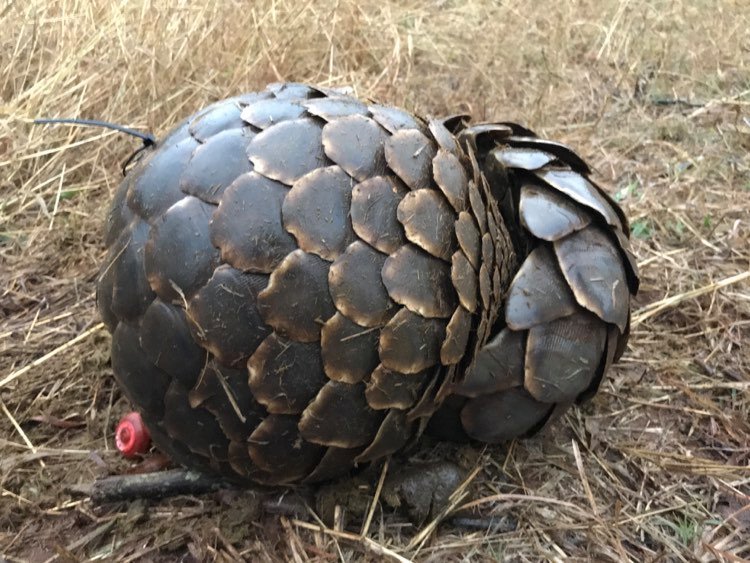
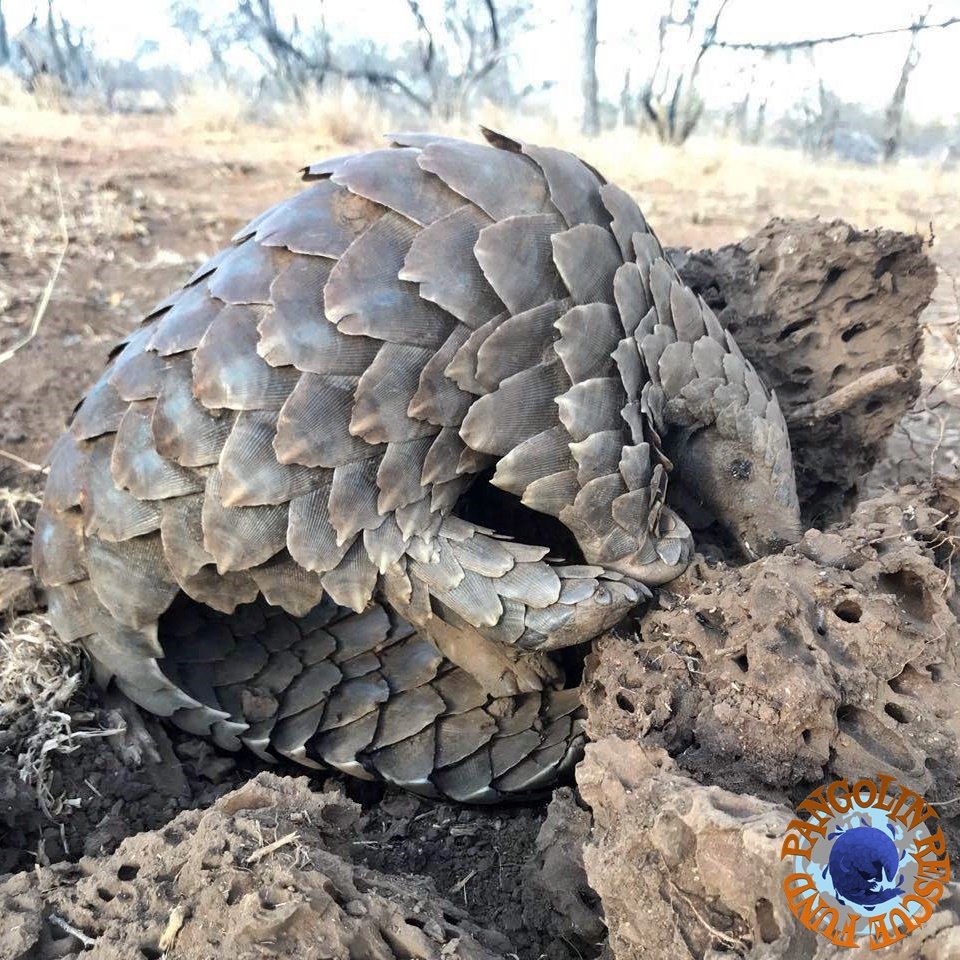
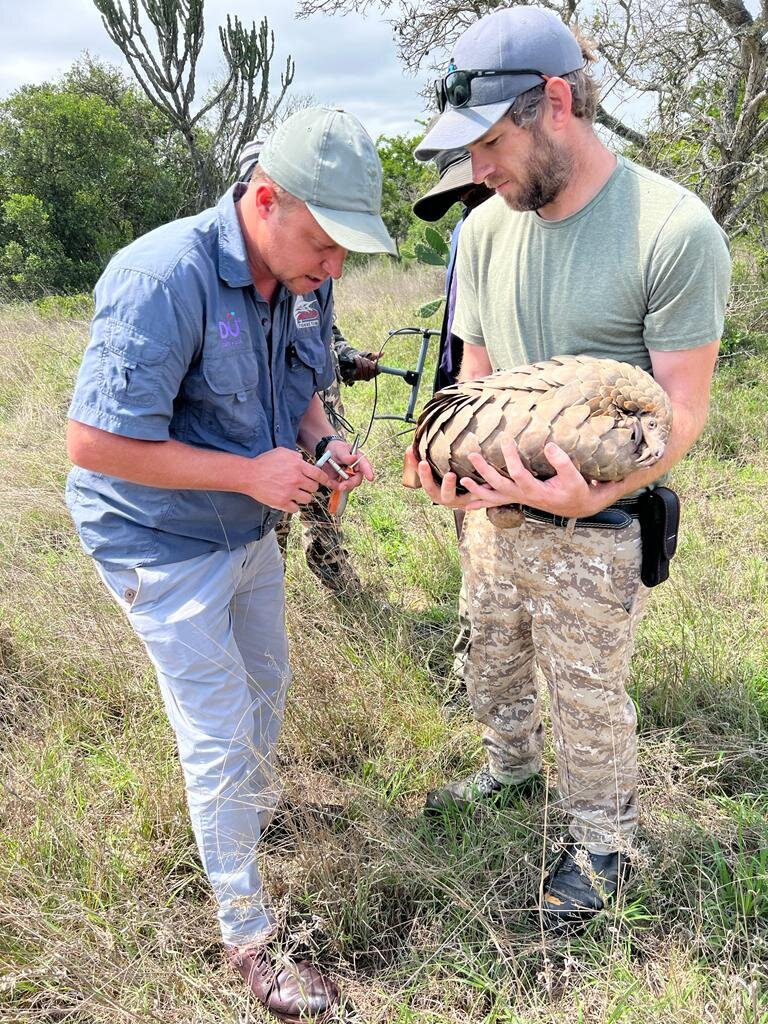
Tilly was the ideal patient. Quick to settle, feeding well on her nightly walks and regaining her weight at a healthy pace. She was only at the centre for 3 weeks before she was ready to begin the "soft" phase of her release. Soft release is when a pangolin is released in a secure wild area fitted with tracking devices that allow its movements to be tracked remotely by GPS, and VHF so the individual can be physically located for regular health checks.
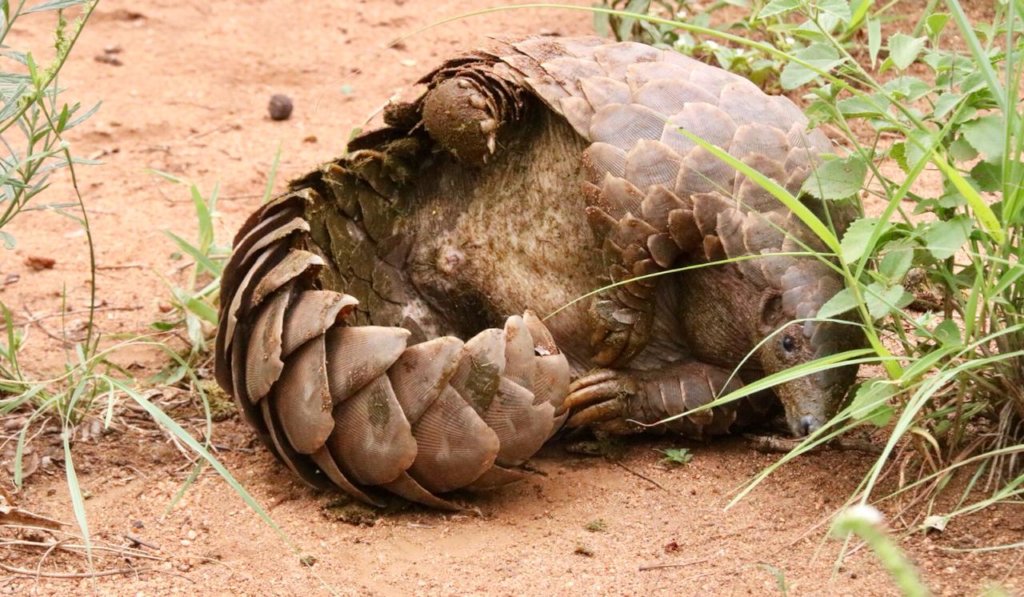
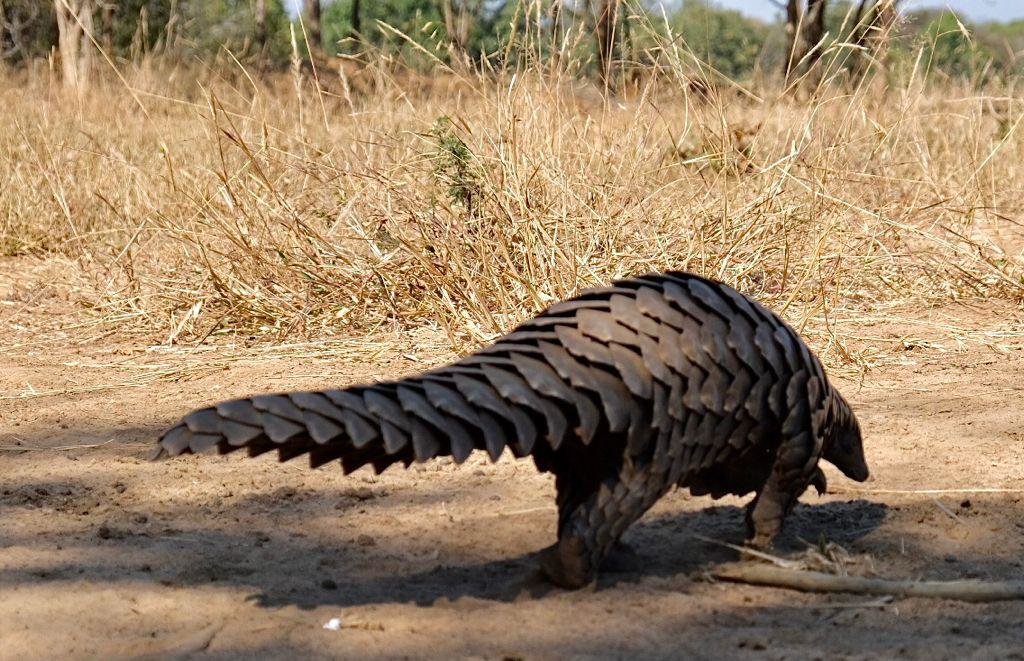
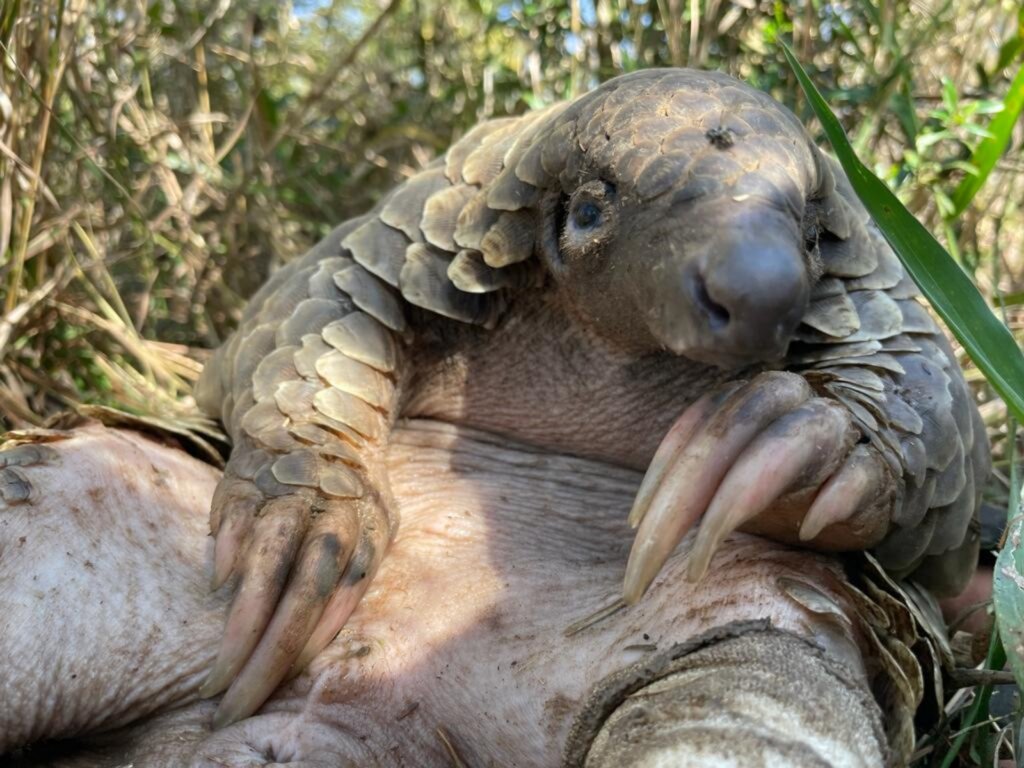
After a suitable release site was identified, Tilly began her soft release in November. As soon as her feet touched the ground at her release site, she found an ant's nest and began feeding. The team monitor all pangolins very closely for the first few days, allowing them to familiarize themselves with the area. Once confident they the pangolin is settled, feeding well and finding good shelter to sleep they are then left to continue without supervision. Monitors will use the tracking devices to locate them daily for the first couple of weeks to do a health check and weigh in to confirm they are still eating well. Over time this is then reduced to twice weekly, to once a week, to twice a month, to once a month until finally they can be left alone. At this time the tags are removed, and the pangolin can continue their life back in the wild!
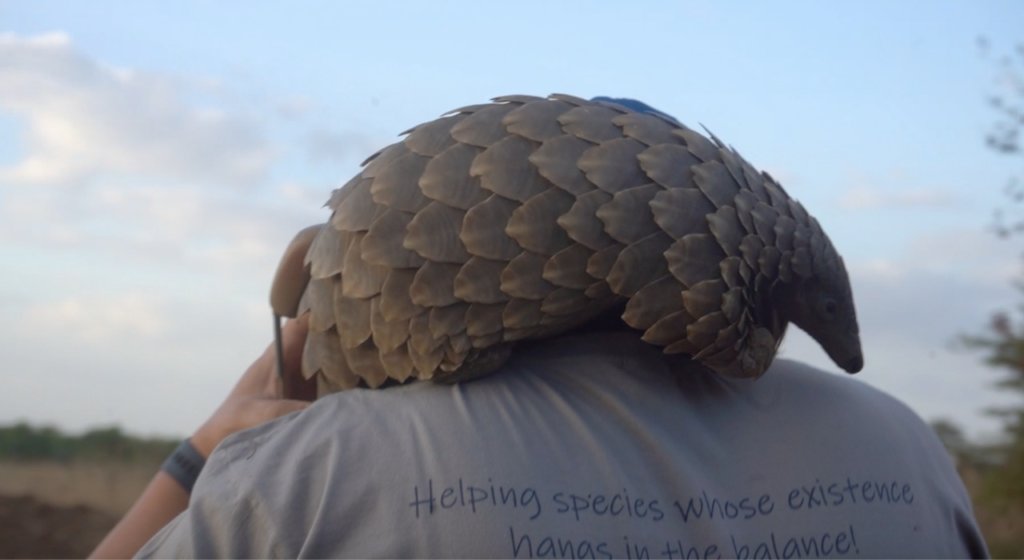
Tilly completed her rehabilitation this week, she passed every rehabilitation milestone with flying colours and so the day finally arrived for her tags to be removed so that she could continue life in the wild with no further interference! The team will miss her sweet natured personality, but we are so excited that she is free to continue her life as wild pangolin should!
If you ask the average bystander to name the most trafficked mammal in the world, you’ll likely hear them answer “elephant” or “rhino.” Many people have never even heard of a pangolin, as they are not widely known outside of Africa and Asia. Yet, these small, scale-covered anteaters are trafficked more than any other mammal, due to soaring demand for their meat and the use of their scales in traditional medicines.
The volumes involved in the illegal pangolin trade are staggering. Between 2019 when we first established the Scales Pangolin Rescue Fund the number of pangolins that have reached the centre has been on the increase, but last year saw our highest increase yet, with more than double the number of pangolin patients compared to 2021!
Tilly's rehabilitation was a relatively easy and quick case compared to some, but it still took the collaboration of 8 organisations and cost approximately R75,000 to complete. It is your generosity that makes it possible!
***ALL PANGOLINS ARE HOUSED AND TREATED OFF-SITE AT UNDISCLOSED SECURE LOCATIONS FOR THEIR SAFETY AND THE SAFETY OF OUR TEAM***
Links:
Project reports on GlobalGiving are posted directly to globalgiving.org by Project Leaders as they are completed, generally every 3-4 months. To protect the integrity of these documents, GlobalGiving does not alter them; therefore you may find some language or formatting issues.
If you donate to this project or have donated to this project, you can receive an email when this project posts a report. You can also subscribe for reports without donating.