By Savannah Paolillo | Impact Report Services
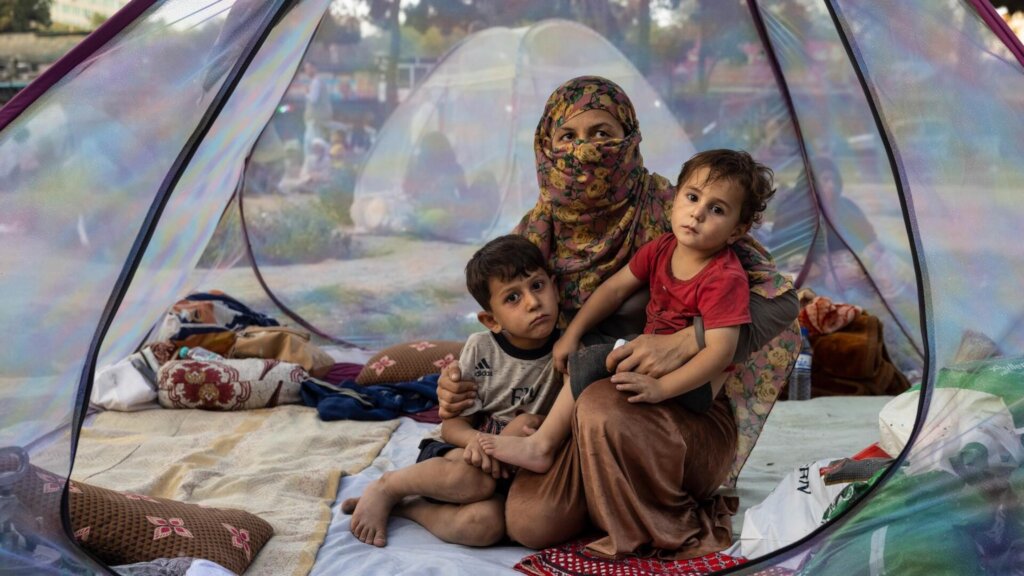
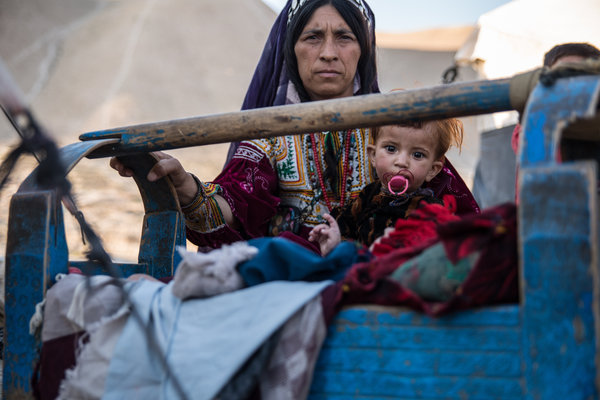
Afghanistan features on this year’s Emergency Watchlist as some 23.7 million people—just over half of the population—urgently need humanitarian support. The crisis in Afghanistan largely stems from the unraveling of the country’s economy following the 2021 change in government. Climate shocks, including recent flooding and earthquakes, exacerbate challenges.The IRC is on the ground in Afghanistan, responding to humanitarian needs across the country.
Flooding impacts Afghans across more than 100 districts
Since April 13th, Afghanistan experienced heavy rains and flash floods across 32 of its 34 provinces, killing over 250 people. Nearly 1,000 homes and over 60,000 acres of agricultural land have been destroyed, alongside critical infrastructure such as roads, bridges and electricity supplies which could hinder the delivery of humanitarian aid.
Any additional flooding will have a detrimental impact on large swathes of the population which are already reeling from an economic collapse, high levels of malnutrition and conflict.“These latest floods have caused a major humanitarian emergency in Afghanistan, which is still reeling from a string of earthquakes at the beginning of this year as well as severe flooding in March, explains IRC Afghanistan director, Salma Ben Aissa. “Communities have lost entire families, while livelihoods have been decimated as a result.”
Economic pressures continue to drive humanitarian needs
Afghanistan’s economy collapsed after the Republic of the Islamic Emirates of Afghanistan (IEA), commonly known as the Taliban, took control of the country in August 2021. Now, the country finds itself economically isolated, losing development funding that previously subsidized an estimated 75% of Afghanistan’s spending on public services. Meanwhile, the funds of the Afghan central bank remain frozen and inaccessible as sanctions and international restrictions limit foreign financial inflows.
Although Afghanistan’s economy stabilized slightly in 2022, it saw negligible growth in 2023. Nearly half of the population lives in poverty and will continue to experience economic hardship.Moreover, funding for Afghanistan’s 2023 humanitarian response plan was lower than in 2022, undermining humanitarian action in the country.
Climate shocks threaten to deepen food insecurity
Three years of successive drought and the harshest winter in 15 years have exacerbated Afghanistan’s hunger crisis at a time when international support is falling. Though an estimated 15.3 million people—35% of the population—continue to suffer from crisis or worse (IPC 3+) levels of food insecurity, funding shortfalls forced the World Food Program (WFP) to cut food assistance for some 10 million people in 2023.
Moreover, declining groundwater levels and increased desertification are diminishing crop yields, leading to reduced food availability in a country that is highly dependent on agricultural production. Simultaneously, the El Niño phenomenon will likely bring wetter-than-normal conditions in 2024, which could lead to an increased risk of floods—particularly in the north and northeast—further affecting crop production and food supplies.
Planned expulsion of 1.7 million Afghans from Pakistan set to increase needs
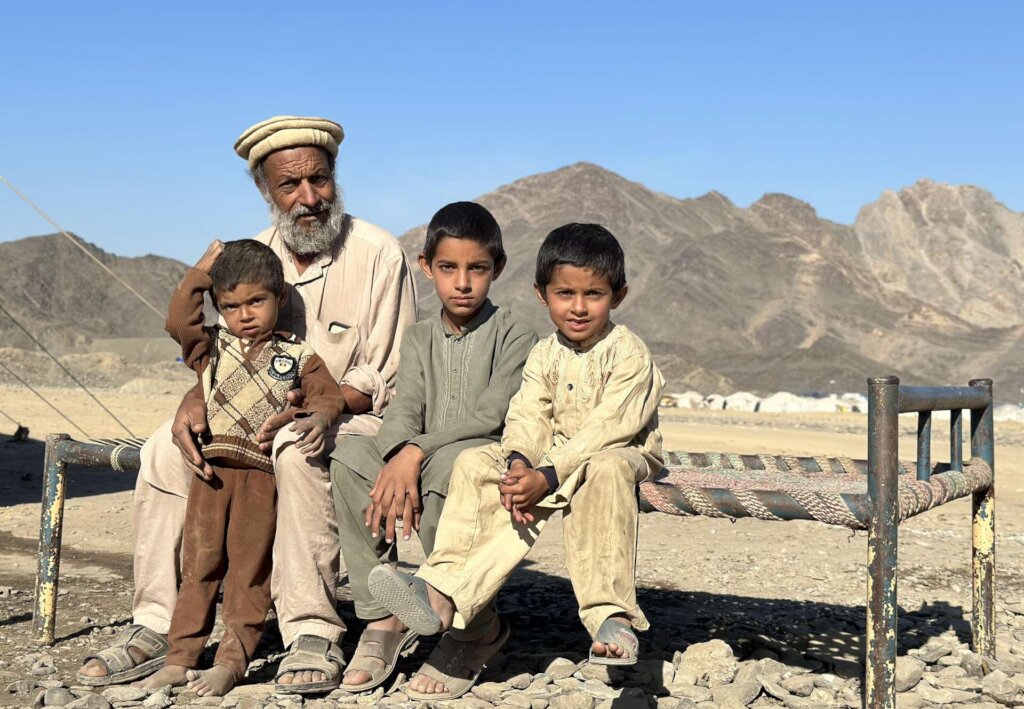
Pakistan’s government announced the expulsion of more than half a million Afghan refugees, who have already been forced to return to Afghanistan. Thousands more are expected to be deported throughout 2024—especially if Pakistan’s government expands expulsion orders to include the 2.2 million documented Afghan refugees living in Pakistan. Meanwhile, Iran’s government is also considering expelling Afghans that it deems are living in the country illegally.The arrival of hundreds of thousands of Afghans to the country's border regions would greatly exacerbate regional needs at a time when there is little capacity to provide support.
Conflict continues to put civilians at risk
Despite the end of large-scale conflict in Afghanistan, the prevalence of local armed groups sustains localized insecurity. Civilians are at risk of deadly bombings, which have resulted in significant casualties.Any increase in nonstate armed group activity would pose significant threats to civilians—particularly to minority Shiite, Hazara, Sikh and Hindu groups who are often targeted.
Challenges in delivering humanitarian aid
Since regaining control of Afghanistan in 2021, the Taliban has issued a series of decrees that complicate the delivery of humanitarian aid. This includes restrictions placed on female aid workers, curbing their ability to freely work for humanitarian organizations.Meanwhile, winter conditions and other environmental hazards such as earthquakes and floods—as well as ongoing conflict risks—will continue to hamper humanitarian efforts to reach affected populations, particularly in rural and hard-to-reach areas.in delivering humanitarian aid
How can you help?
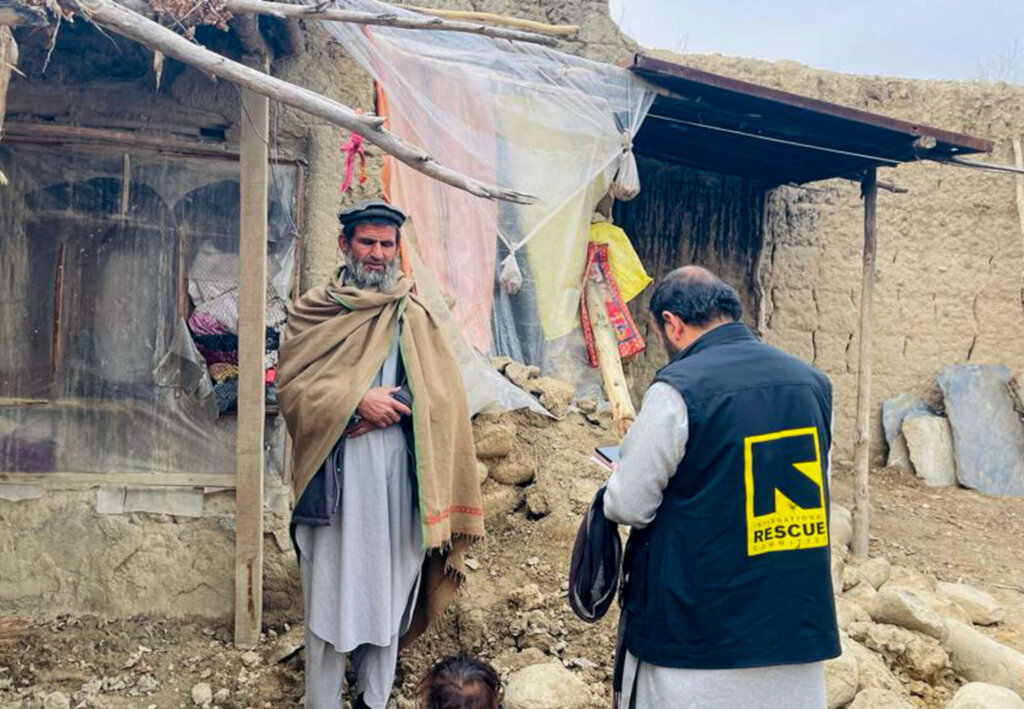
Afghanistan is one of the International Rescue Committee’s longest-standing programs, established in 1988. Over the years our support has proven critical to the safety, education and wellbeing of millions of Afghans and we now work with thousands of villages across twelve provinces. With almost 5,000 staff and volunteers, 99% of whom are Afghans and over 30% women, the IRC works with local communities to identify, plan and manage their own development projects, provides safe learning spaces in rural areas, community-based education, cash distribution provides uprooted families with tents, clean water, sanitation and other basic necessities, and helps people find livelihood opportunities as well as extensive resilience programming.
Donate now to support the IRC's life-changing work in Afghanistan and worldwide. We are on the frontlines providing critical aid to crisis-affected people in more than 50 countries, including places on the 2024 Emergency Watchlist.
Project reports on GlobalGiving are posted directly to globalgiving.org by Project Leaders as they are completed, generally every 3-4 months. To protect the integrity of these documents, GlobalGiving does not alter them; therefore you may find some language or formatting issues.
If you donate to this project or have donated to this project, you can receive an email when this project posts a report. You can also subscribe for reports without donating.