By Daniela Moeller | Project leader
A sea turtle’s story – vital equipment arrives at the rescue center due to recent donations
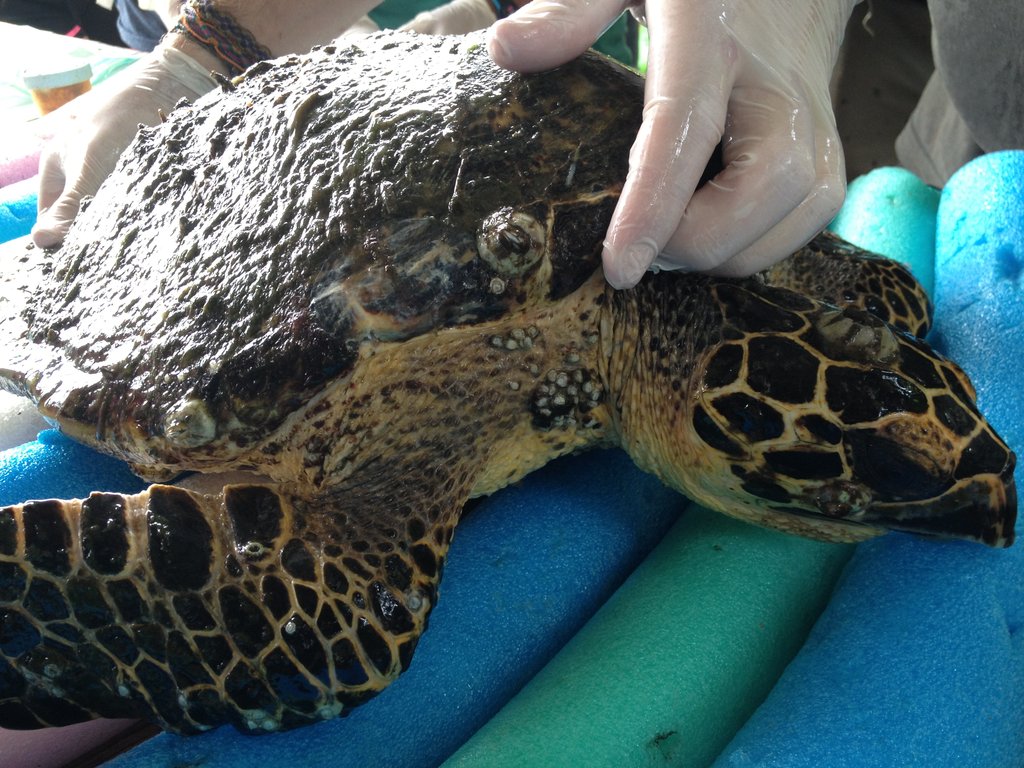
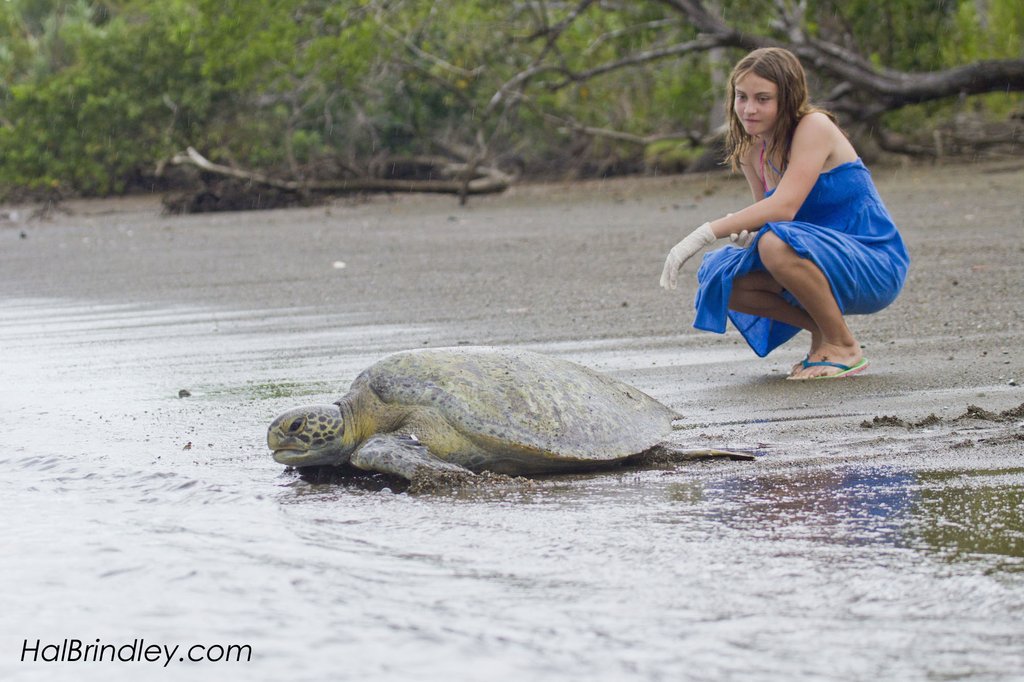
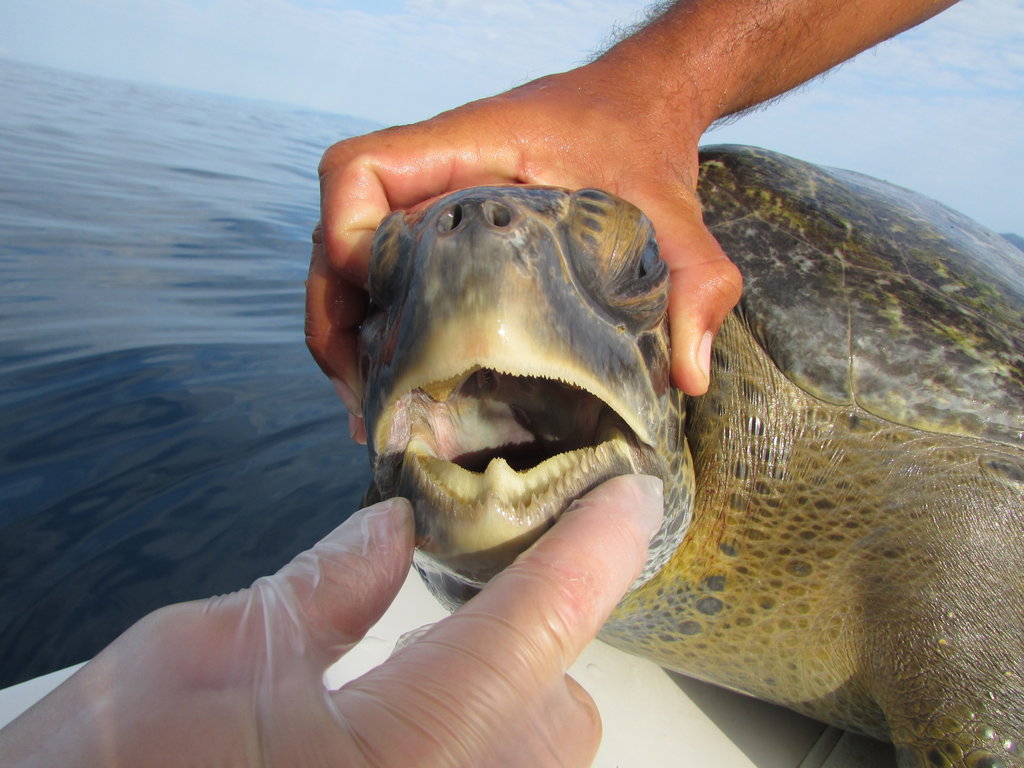
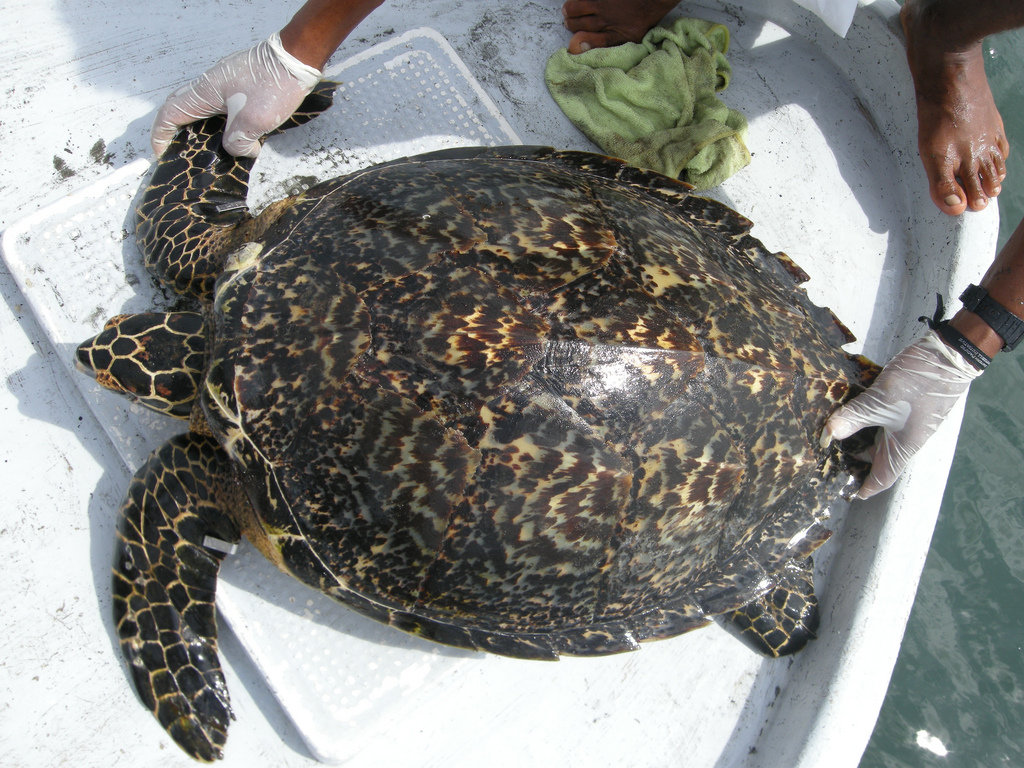
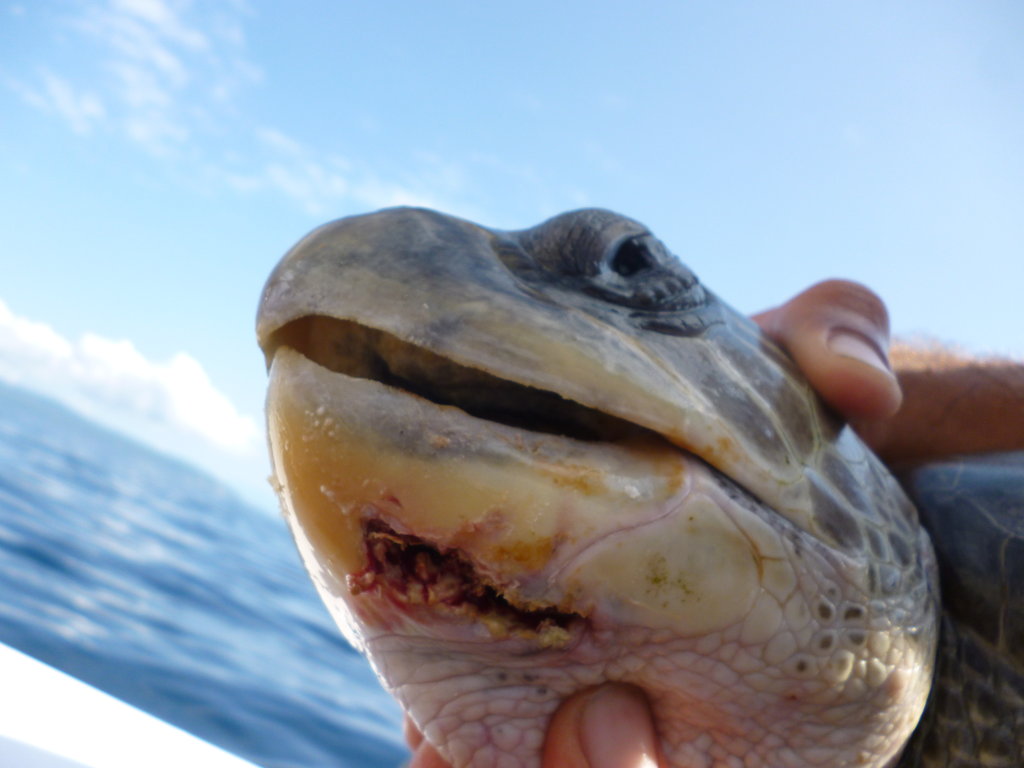
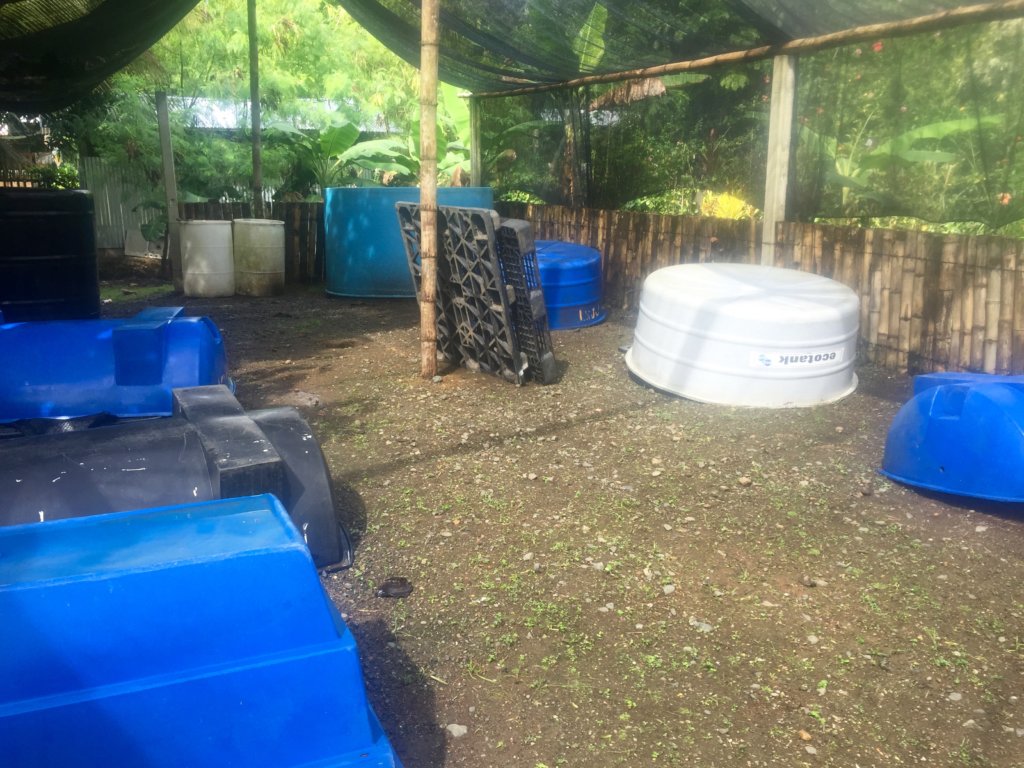
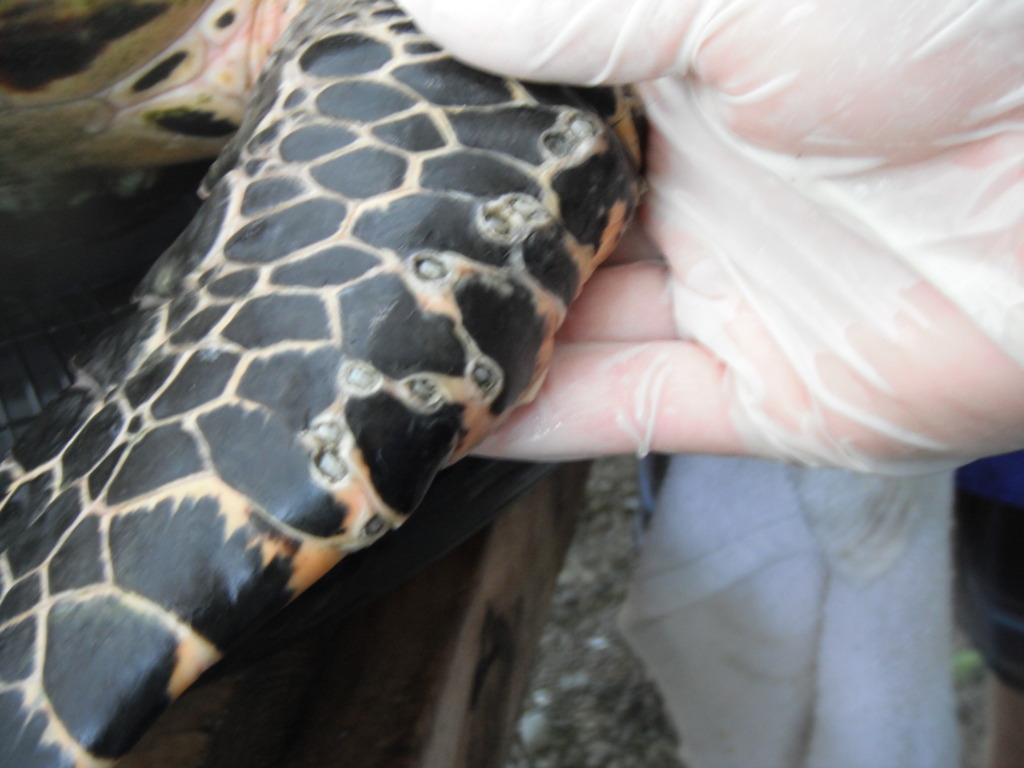
Little is known about the population origin and the health status of sea turtles swimming in the Dulce Gulf- the urge for more scientific information and the wish to study sea turtles in their natural habitat have led to the opening of the In-water project at Playa Blanca in 2010. First studies revealed that especially hawksbill turtles show a high presence of a specific parasite, called Stephanolepas muricata. The parasite might not be fatal for the turtle, but if growing, it can affect the flippers so badly that it hinders the animal to swim or dive. Global warming effects have apparently stimulated the parasite to find a new niche – a sea turtle! LAST set up a basic rescue center with few tanks to be able to treat those patients at the project.
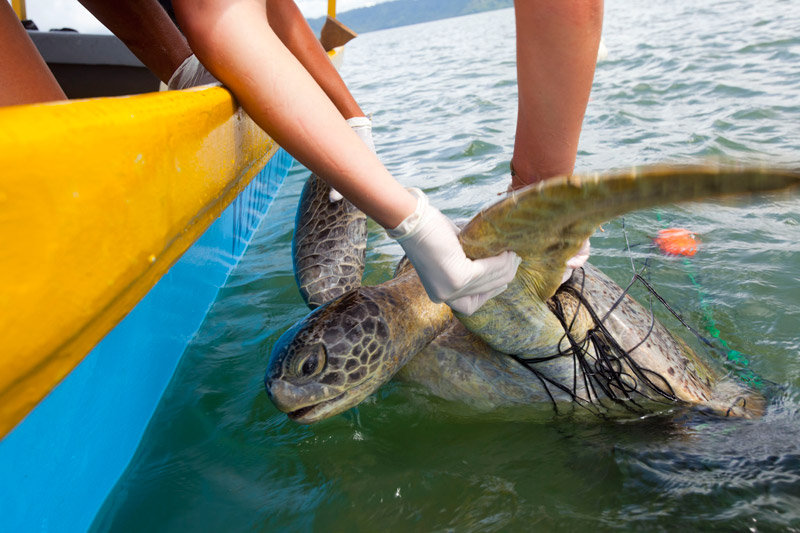
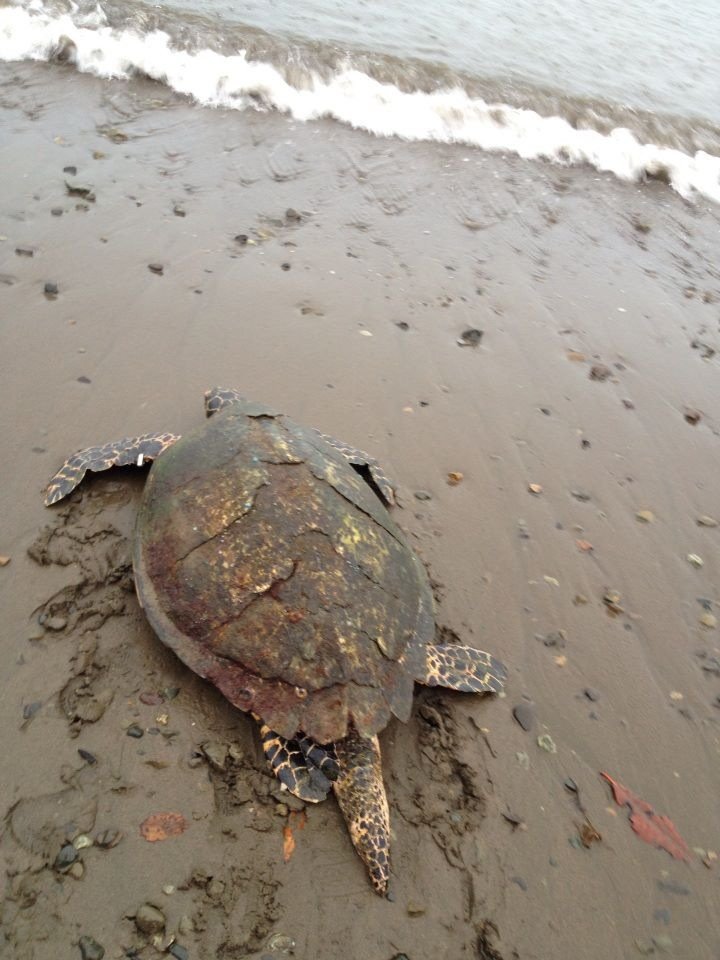
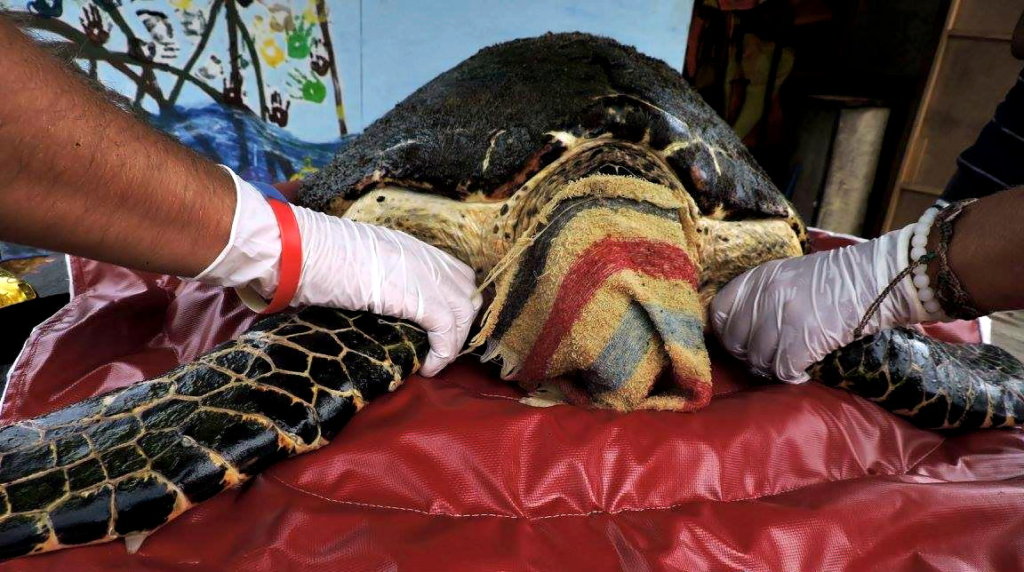
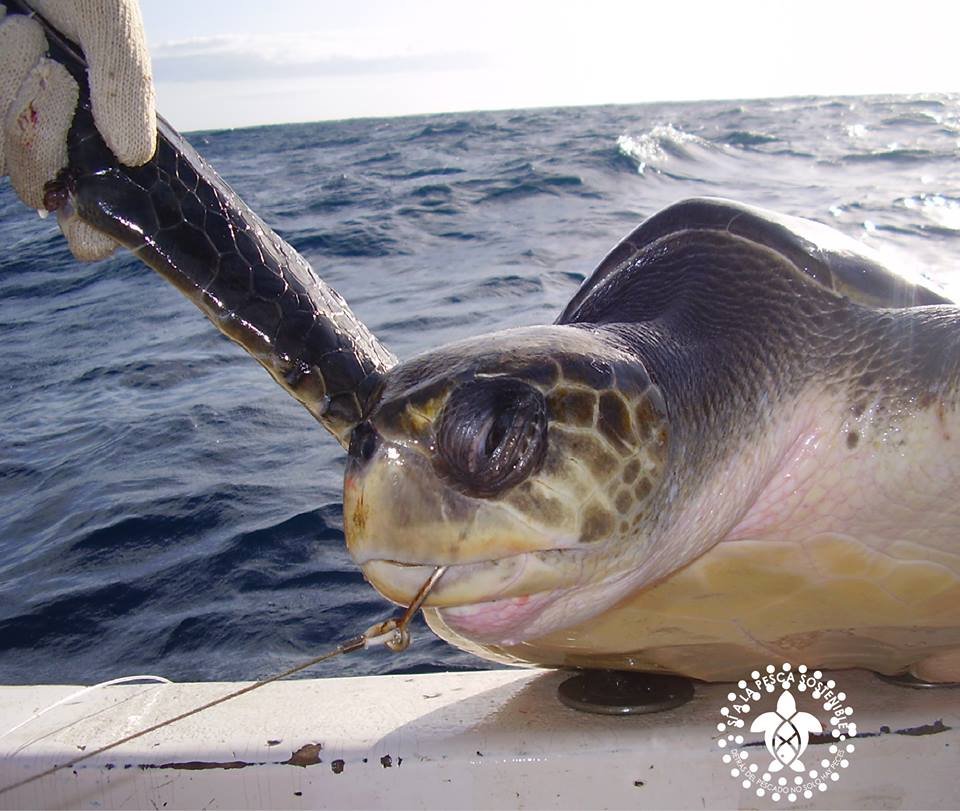
Fishery interaction is one of the most serious threats to the recovery and conservation of sea turtle populations worldwide. According to a study, Costa Rica has the highest rate of sea turtle capture by long-lines, hooking 14 turtles for every 1000 hooks. This mortality rate increases when the long-liners use live-bait, as occurs in the Osa region. In January 2013, a massive stranding event was detected by LAST and other organizations. About 280 sea turtles were found dead in the Dulce Gulf in Osa, the result of unsustainable fishing interactions! This unfortunate event had brought our small center to its limits, as we didn't count with all necessary equipment and supplies to deal with so many stranded turtles – and the next rescue center is far away from Osa!
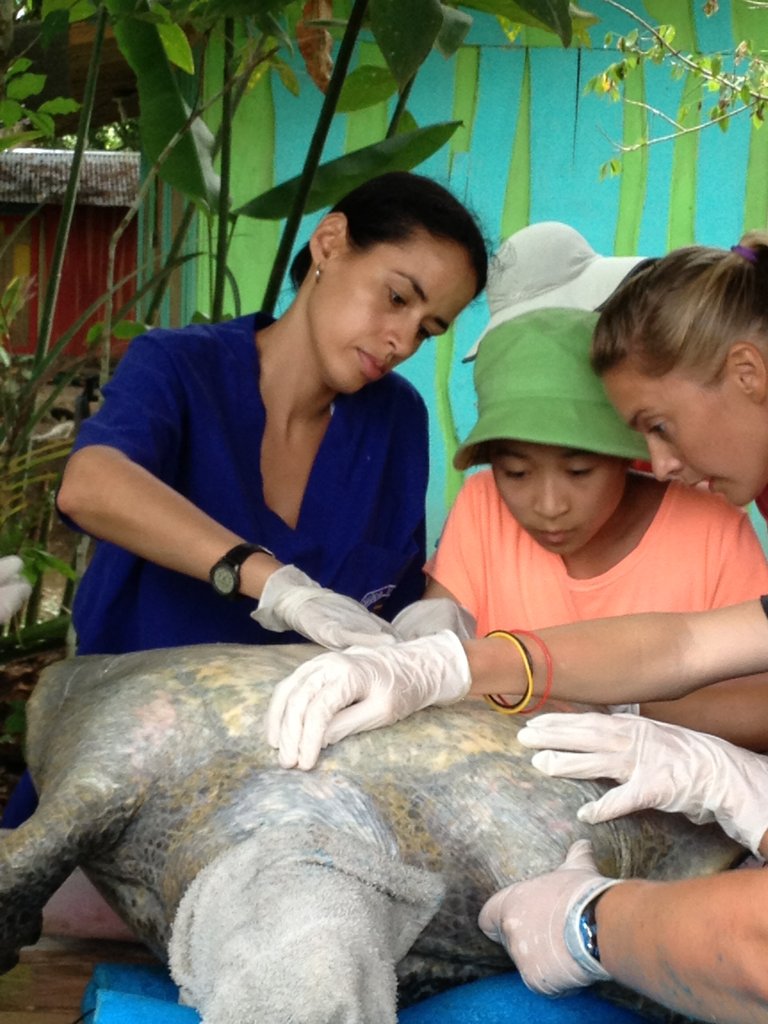
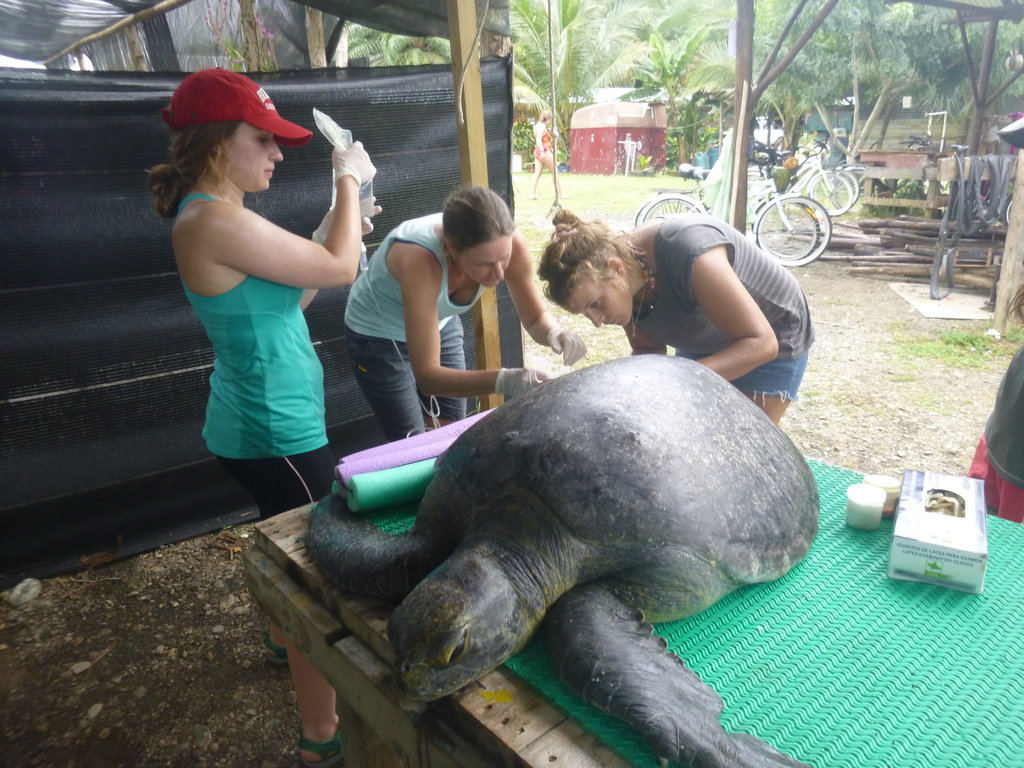
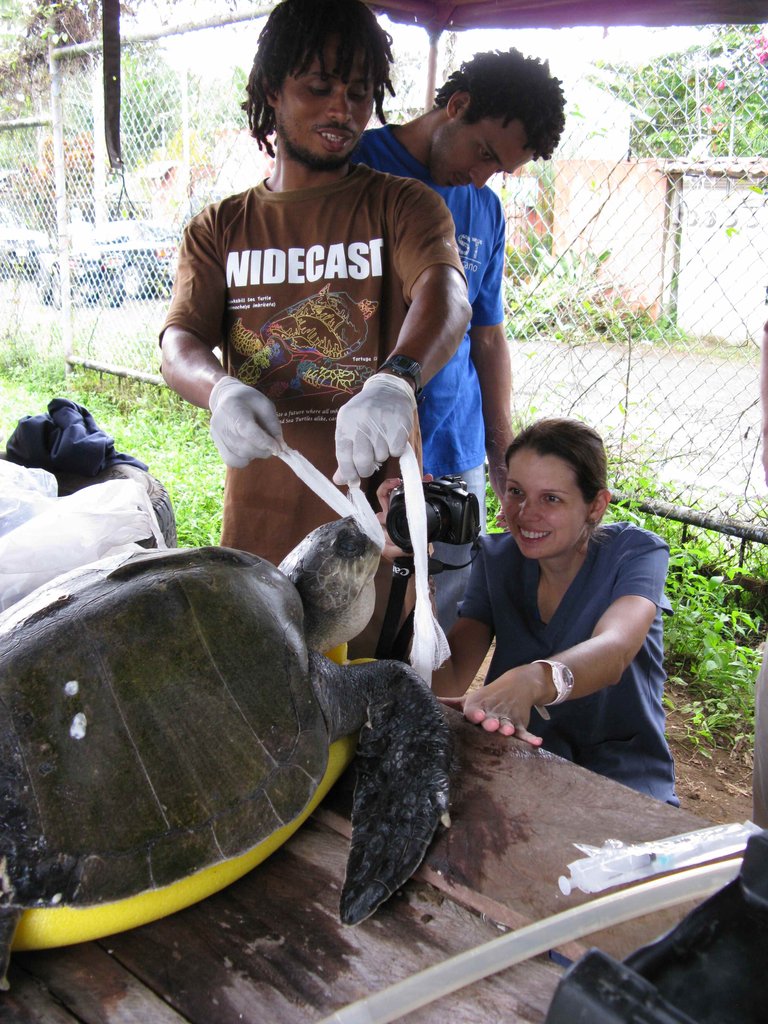
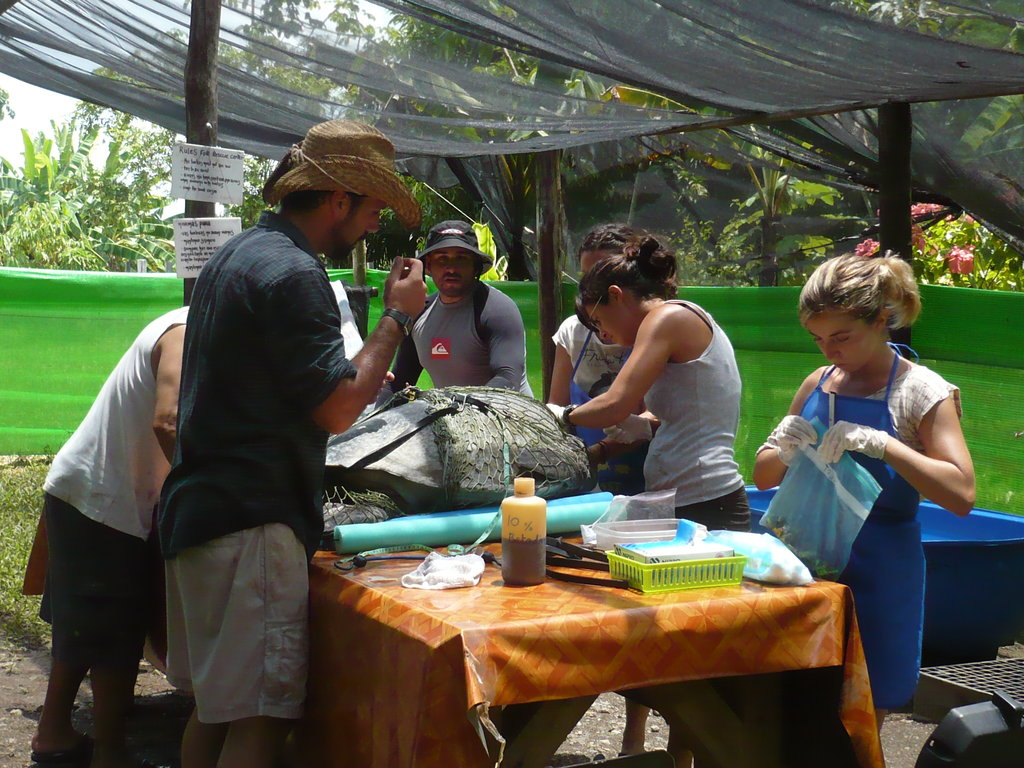
Up to today, more than 600 sea turtles have been studied and more than 75 individuals have been brought to the rescue center. The rescue center serves as well as a learning spot for veterinarian students and young scientists that work towards the investigation of marine turtles in the Eastern Pacific Ocean. This year, more than 450 volunteers took action, including 2 vet student groups and 1 veterinarian is studying the trophic relationship of hawksbill turtles by stable isotopes, using our facilities. One more is just starting his studies on seagrass beds as a critical habitat for sea turtles in Osa.
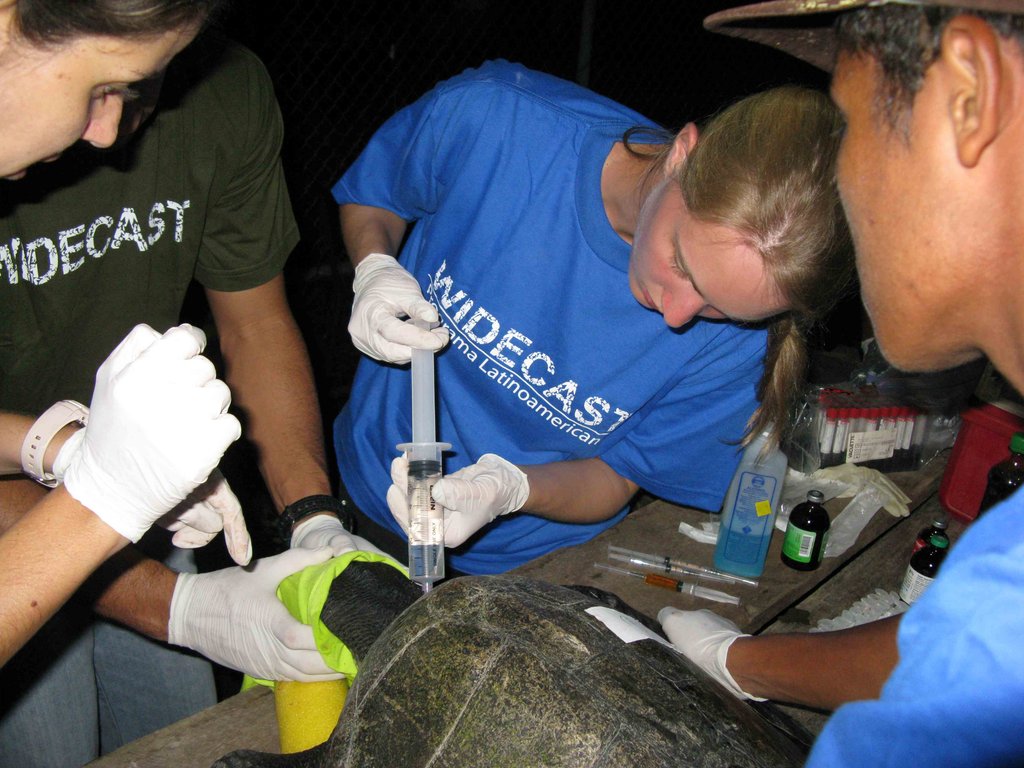
In recent years, we have observed the need for a better medical treatment at the center, as more and more turtles suffer the negative impacts of contamination and illegal fishing activities in the Dulce Gulf.
How Global Giving has helped:
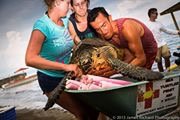
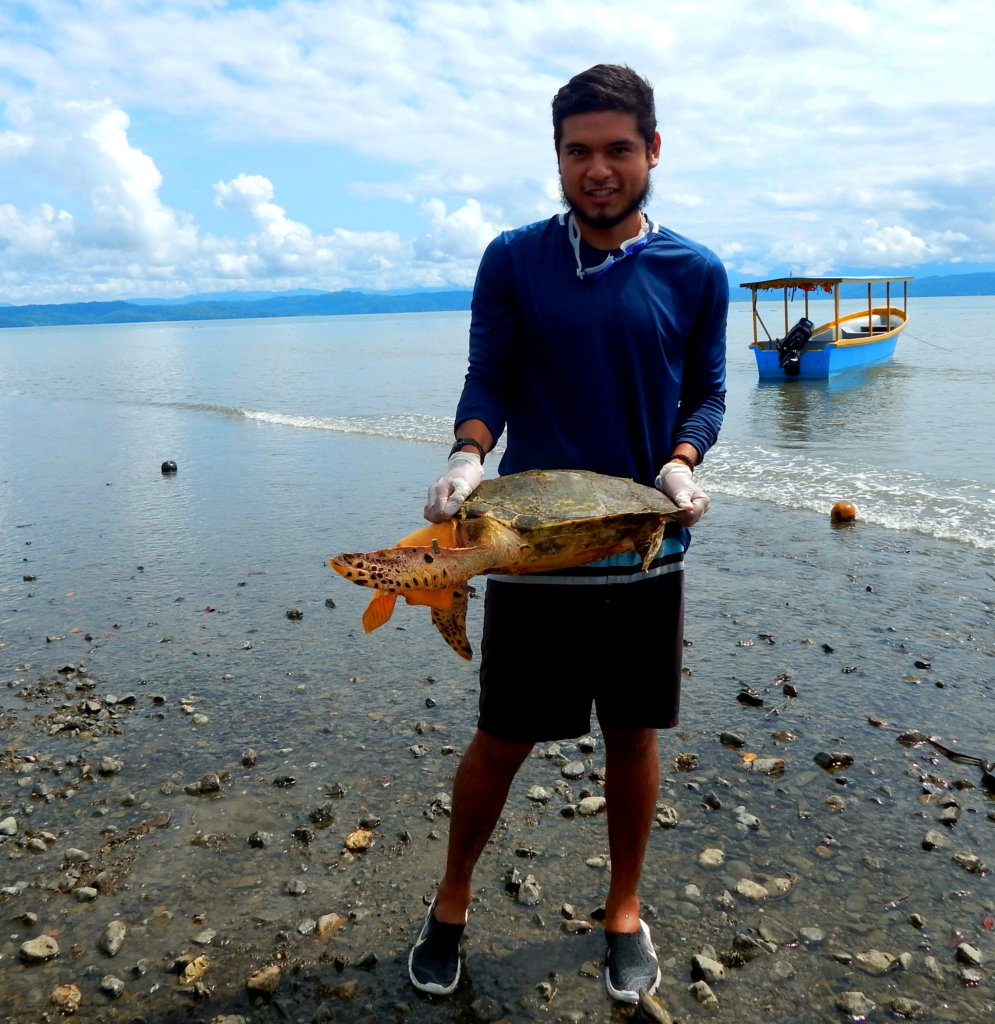
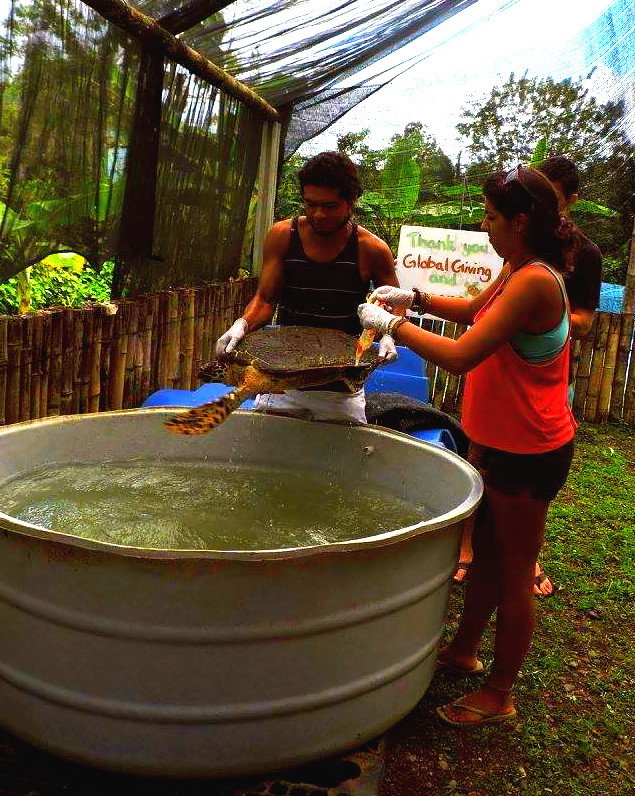
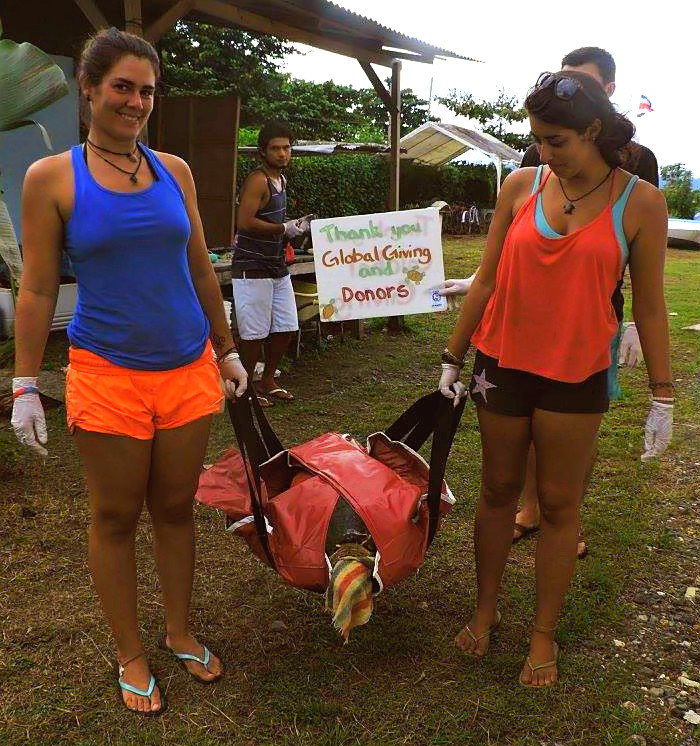
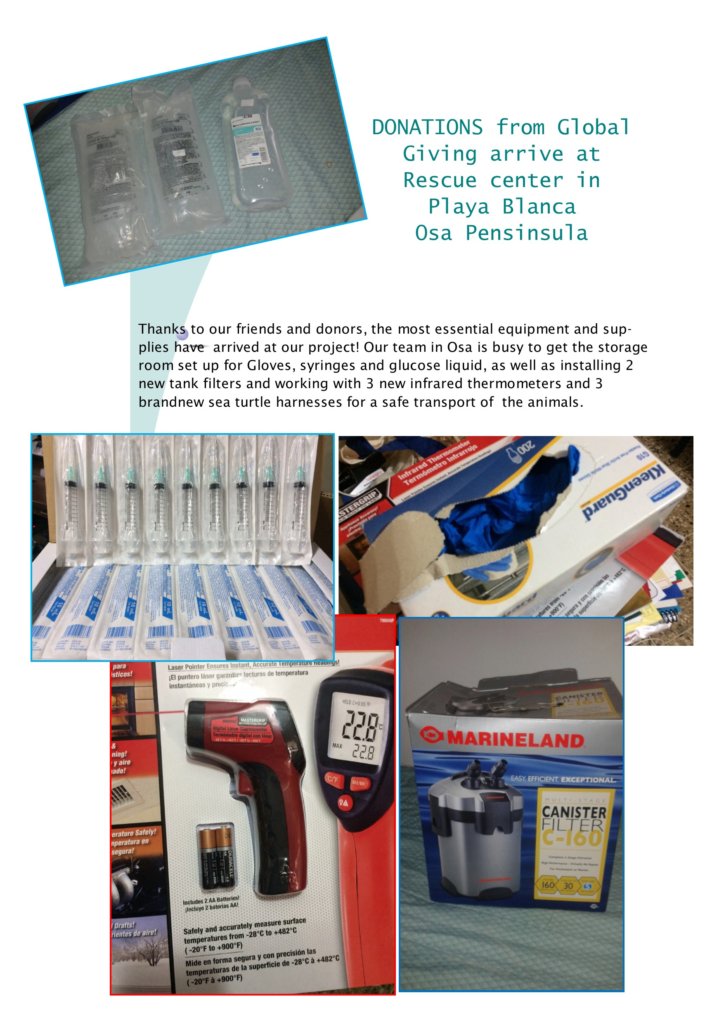
The participation in the Open Challenge with Global Giving opened up the chance to fill this need. More than 5000 USD for urgently required improvements were raised, thanks to dedicated and environmentally concerned people – our donors! Your efforts make the difference! We are so pleased to announce the purchase and arrival of the first parts of equipment and supplies that are crucial for sea turtle rehabilitation! We were able to invest half of the donations in turtle medicine, holders, thermometers, tank filters, latex gloves, glucose liquid and syringes! Shortly after the new turtle holders had arrived, the Osa team received its first turtle since its partnership with Global Giving on Wednesday, November 11. The adult female hawksbill turtle was spotted in the Dulce Gulf for her 3rd time since the project began. With the records from her previous captures the biologist was able to see that the number of parasites on this turtle was drastically increased since her last capture, in January ’15. The turtle was transported back to the rescue center and placed in a fresh water tank for 24 hours. The parasites cannot survive in fresh water and were afterwards removed by the biologist, in order to avoid re-growth. After data recording, the turtle was then released back into the Dulce Gulf. With the new equipment to come, we will be able to provide the firstlist of blood chemistry that will benefit patients recover in captivity, will complete our studies at the center to find out where our turtles move and support not only the development of joined projects but further more complete and robust conservation strategies for the Dulce Gulf.
Moving forward:
Half of the donations will be used for purchasing the treatment table, the all-important blood exam kit, a blood lector, an ambulance boat for sea turtles and the creation of a transport fund for turtles to the center or to the vet school in the capital of Costa Rica. We expect to upgrade the rescue center so that we will be able to give an adequate lifesaving treatment for sea turtles in Osa with lighter traumas and injuries. We have pledged for 8000 USD right now on Global Giving to make our dream come true! Take part of a positive change for Eastern Pacific sea turtles, please share our campaign, sign up for a monthly donation or help us to reach our goal with a donation or Gift card for Christmas.
With much gratitude,
LAST team Costa Rica
Links:
Project reports on GlobalGiving are posted directly to globalgiving.org by Project Leaders as they are completed, generally every 3-4 months. To protect the integrity of these documents, GlobalGiving does not alter them; therefore you may find some language or formatting issues.
If you donate to this project or have donated to this project, you can receive an email when this project posts a report. You can also subscribe for reports without donating.