By Cathy King | Executive Director
Man's Best Friend-Comrades in War and Life
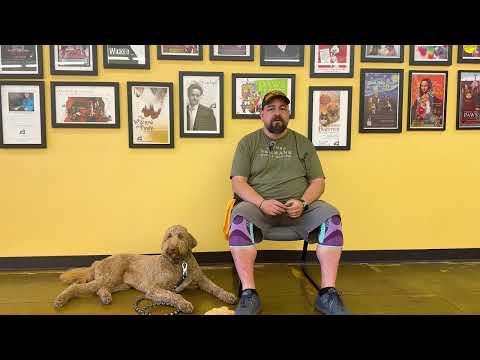
After returning home from his final tour in one of the most dangerous areas in Afghanistan, and the world, Cameron didn't know what he was going to do with his life. Twenty-five years old, he couldn't sleep, had flashbacks of comrades fallen, bleeding out and dying. He drank too much, didn't take care of his health and didn't care whether or not he lived or died. Then came Romeo...
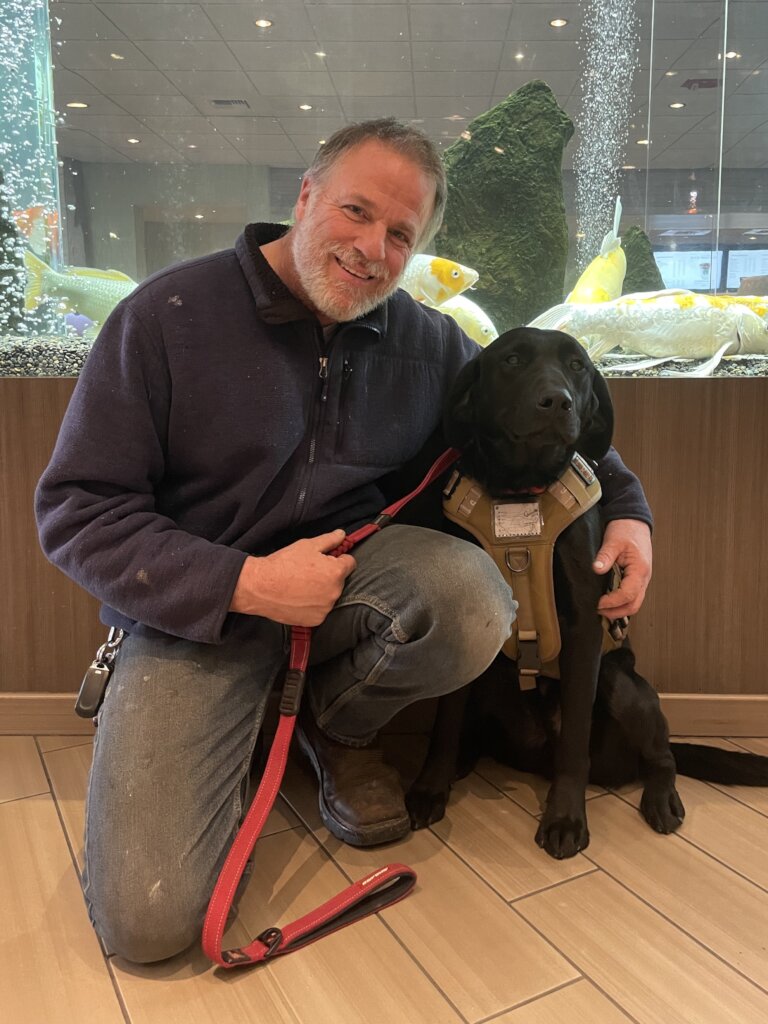
"I adopted a young yellow lab, through CWAC. At first, he was so crazy and hyper. I often considered returning him, and giving up being his forever home. His name is Romeo. He saved my life. Keeping him was like deciding to live. Suicide was no longer an option. I needed him. He needed me. We toughed it out. Now we are better friends then I could have ever imagined. I thank CWAC for saving Romeo from a shelter, and indirectly saving me from suicide."
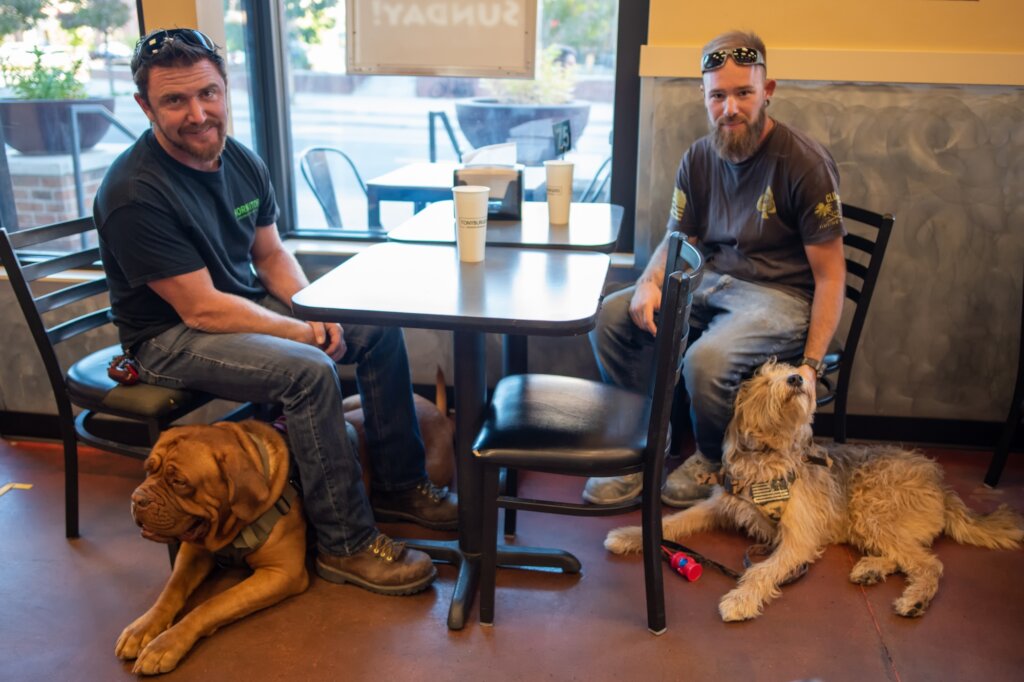
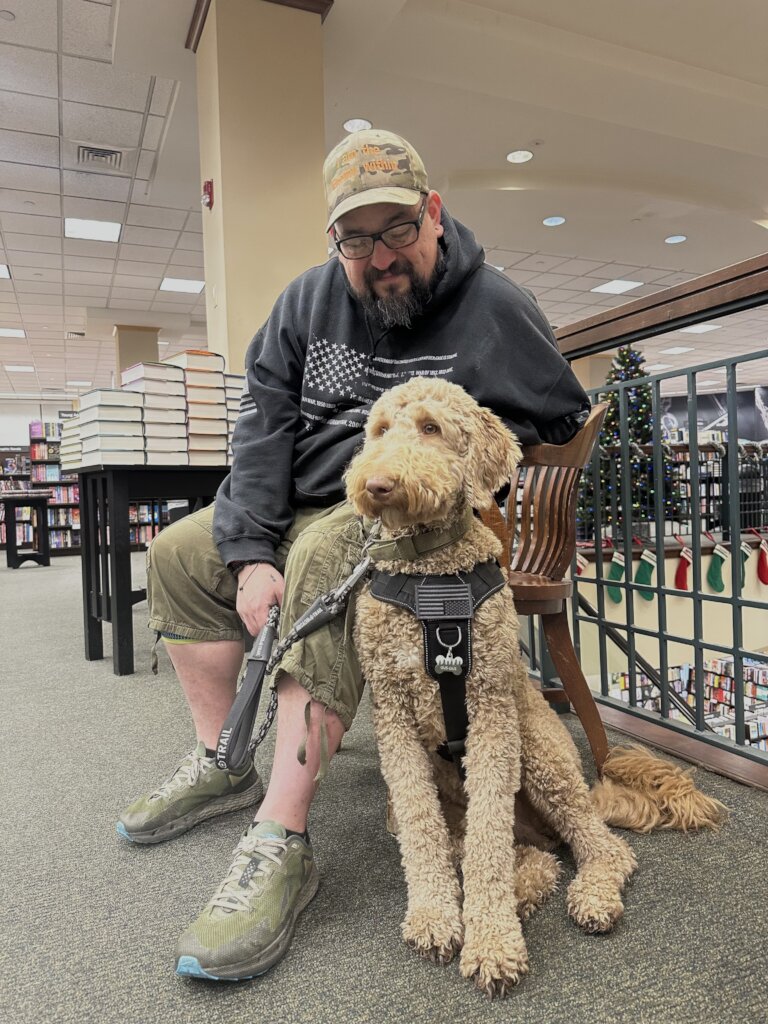
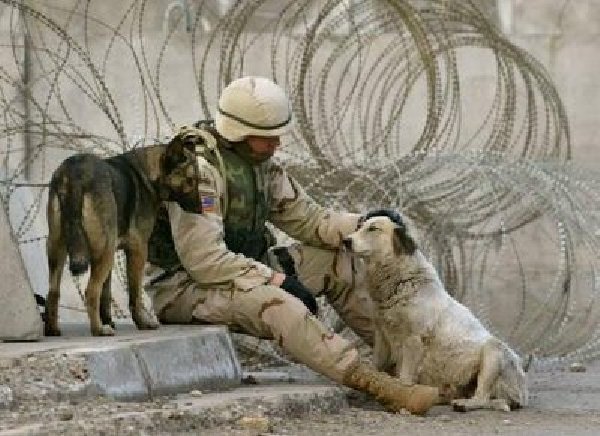
Dogs and war have a long history, veterans serving in Iraq and Afghanistan speak of the local stray dogs that keep them company and give them comfort on long, lonely nights. The dogs bark to alert them danger is coming or watch their back when out on a mission. They are trusted companions and have been throughout history.
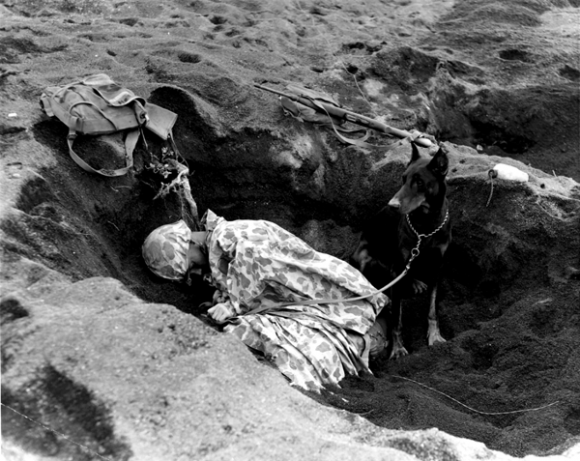
War dogs have been around for ages, dogs on the battlefield, protecting their partners. As far back as ancient Egypt, dogs were used as both offensive and defensive forces. Some Egyptian murals depict dogs being unleashed on Egyptian warriors’ enemies. Similarly, the Greeks recorded a dog’s contributions on a mural celebrating the Battle of Marathon against the Persians. Written accounts by the Roman writers and historians Plutarch and Pliny exist, and Strabo, a Greek historian, described the dogs being “protected with coats of mail.”
Attila the Hun, William the Conqueror, and succeeding generations of English rulers and leaders; the Spanish conquistadors; Napoleon; and Frederick the Great, dogs have served loyally. A frequently cited example of war dogs and their loyalty is Napoleon’s writing in his memoirs, “I walked over the battlefield and among the slain, a poodle killed bestowing a last lick upon his dead friend’s face. Never had anything on any battlefield caused me a like emotion.”
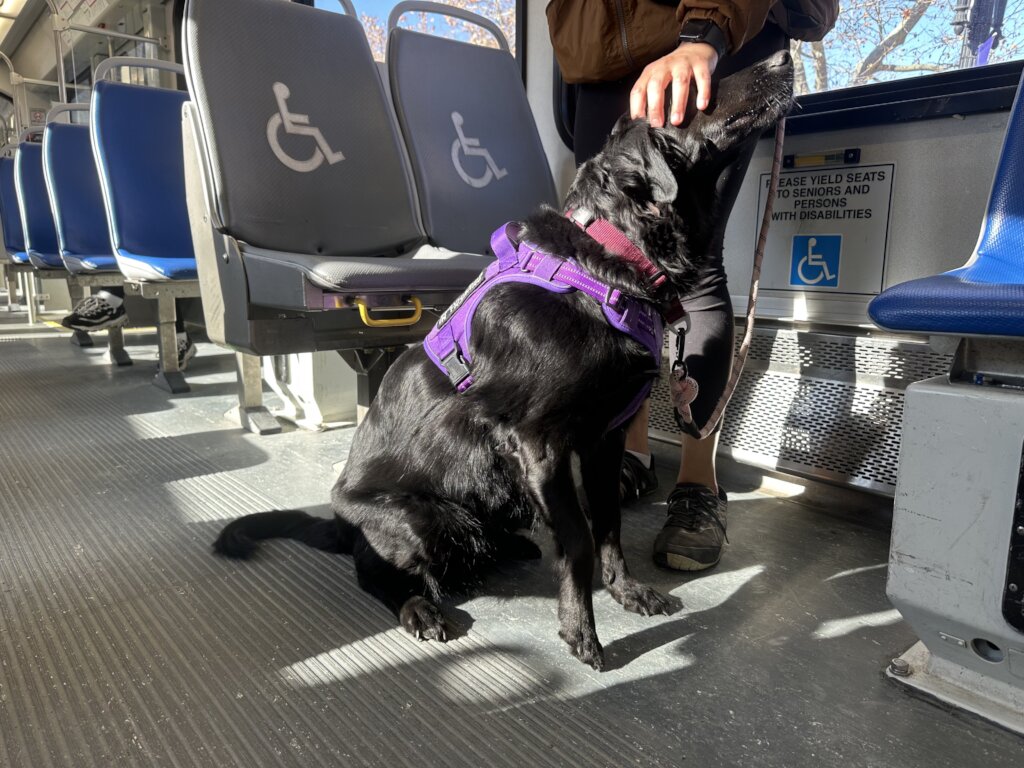
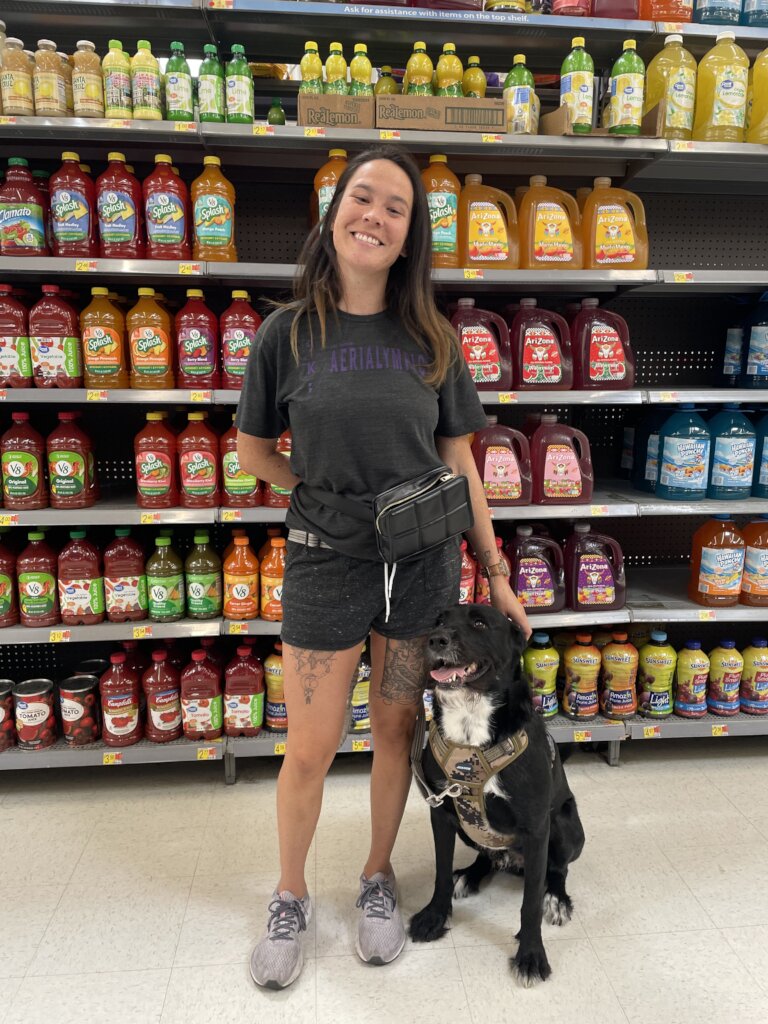
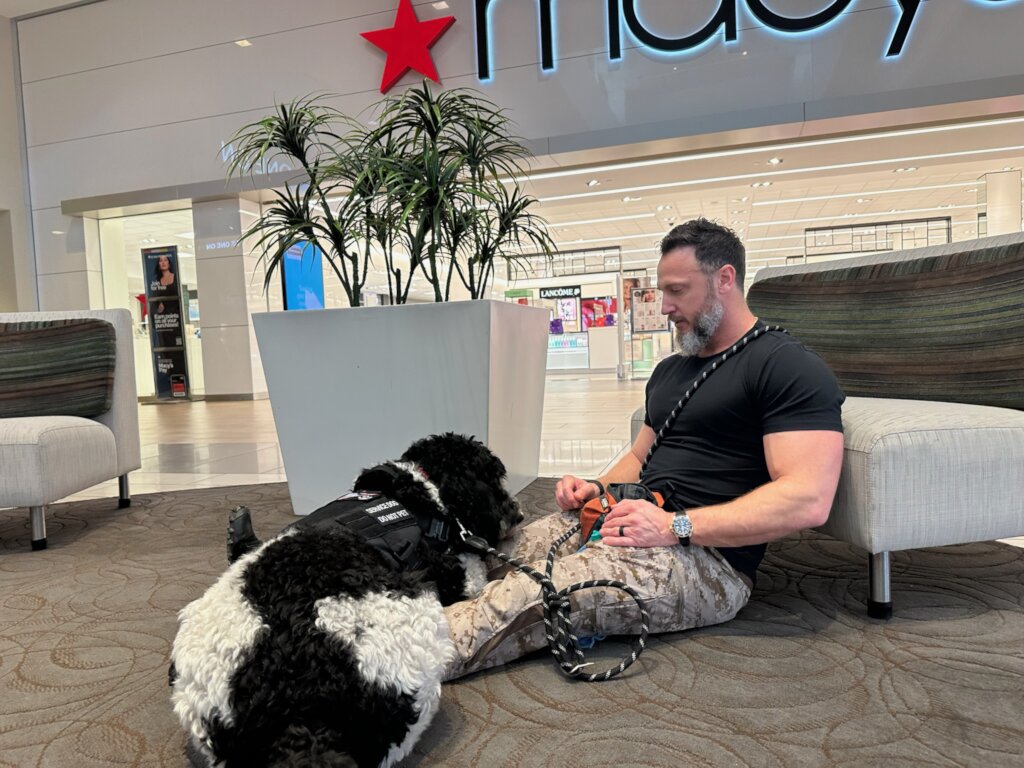
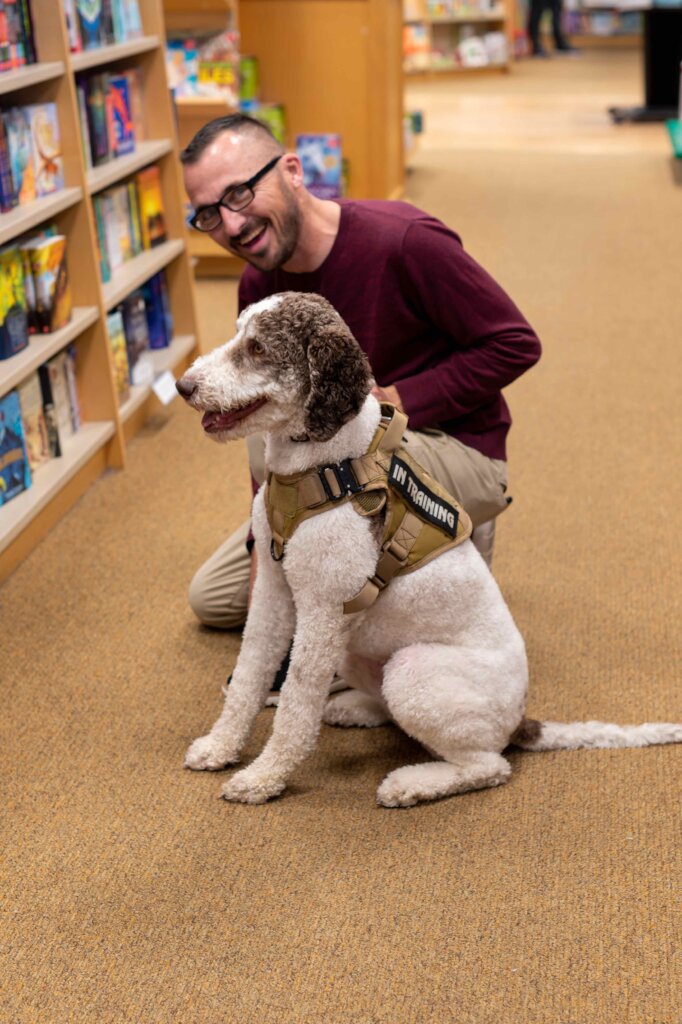
Dogs have a bigger purpose after the battlefield, helping veterans return from the war that continues to in their hearts and minds. Post Traumatic Stress Disorder.
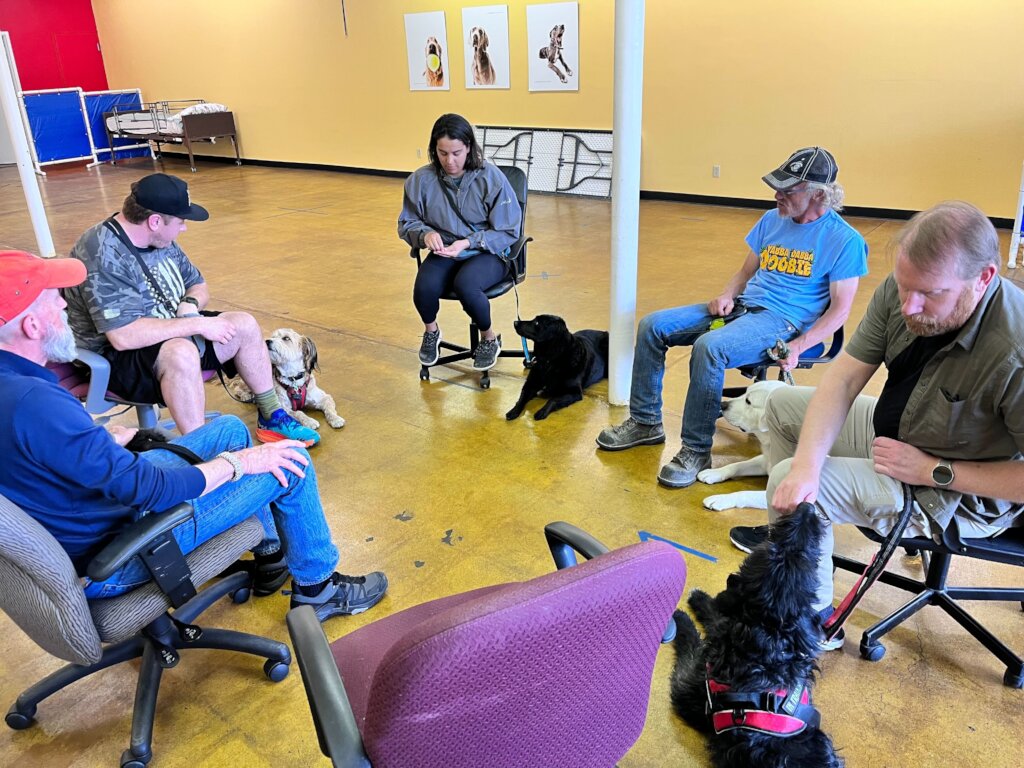
Researchers are accumulating evidence that bonding with dogs has biological effects, such as elevated levels of the hormoneoxytocin. “Oxytocin improves trust, the ability to interpret facial expressions, the overcoming of paranoia and other pro-social effects—the opposite of PTSD symptoms,”. Dogs also give unconditional and nonjudgmental love. They require food and exercise, getting veterans out and helping them regain their family and social lives. They give some veterans a purpose to live.
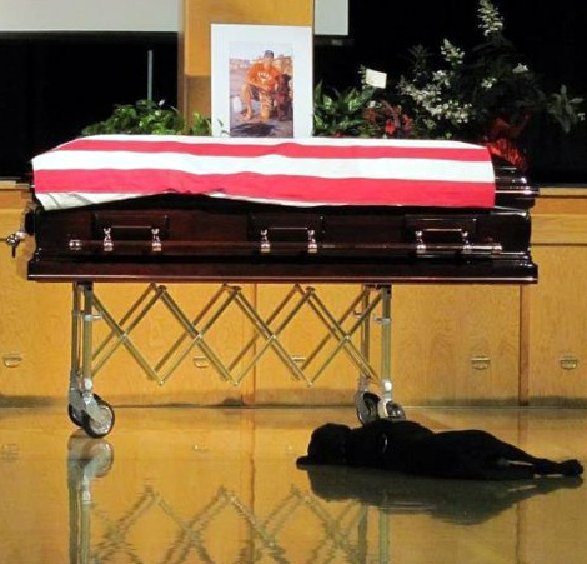
Canines With a Cause would like to thank the men, women and dogs who have served. We would also like to thank those who make our life saving programs possible.
Happy Veterans Day!
Sincerely,
Cathy
Project reports on GlobalGiving are posted directly to globalgiving.org by Project Leaders as they are completed, generally every 3-4 months. To protect the integrity of these documents, GlobalGiving does not alter them; therefore you may find some language or formatting issues.
If you donate to this project or have donated to this project, you can receive an email when this project posts a report. You can also subscribe for reports without donating.



Support this important cause by creating a personalized fundraising page.
Start a Fundraiser