By Kwagala Samantha | Project contributer
*Understanding Ebola: Causes, Impact, and Prevention*
Ebola virus disease, often called Ebola, is a severe and often fatal illness affecting humans and other primates. It was first identified in 1976 during outbreaks in what is now the Democratic Republic of Congo, near the Ebola River, from which it takes its name. Since then, several outbreaks have occurred, mainly in Central and West Africa.
*Causes and Transmission*
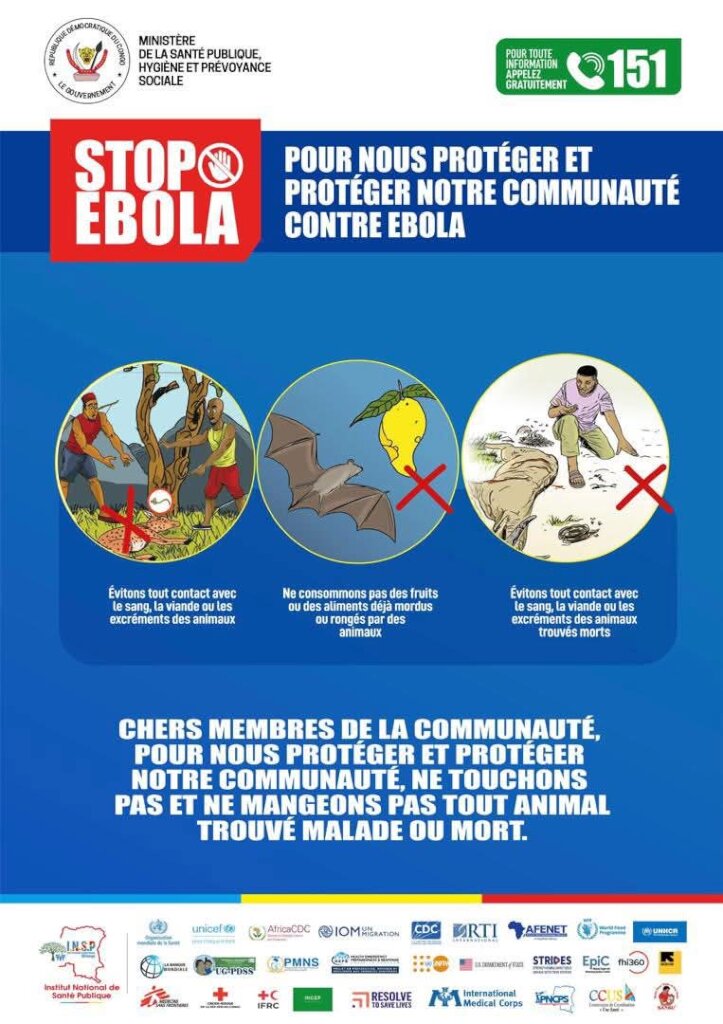
Ebola is caused by viruses belonging to the _Filoviridae_ family. The most common strains that cause disease in humans are Zaire, Sudan, and Bundibugyo viruses. The original source is believed to be fruit bats, which can carry the virus without showing symptoms.
Humans become infected through direct contact with the blood, bodily fluids, or tissues of infected animals, often during hunting or butchering. Human-to-human transmission occurs through direct contact with the blood, secretions, organs, or other bodily fluids of infected people, and with surfaces and materials contaminated with these fluids. The virus is not airborne, so casual contact like sitting near someone does not spread it.
*Symptoms and Progression*
The incubation period ranges from 2 to 21 days. Early symptoms are often nonspecific and can resemble malaria, typhoid, or influenza. They include:
- Fever and severe headache
- Muscle pain and fatigue
- Sore throat and loss of appetite
As the disease progresses, symptoms can include vomiting, diarrhea, rash, impaired kidney and liver function, and in some cases, internal and external bleeding. Severe cases can lead to shock, organ failure, and death, usually due to fluid loss and low blood pressure. Mortality rates vary by outbreak and strain, typically ranging from 25% to 90%.
*Impact on Communities*
Ebola outbreaks have far-reaching effects beyond health. They strain healthcare systems, disrupt education, and damage local economies as markets close and trade slows. Fear and misinformation can lead to stigma against survivors and healthcare workers. Children are particularly vulnerable, as they may lose parents and guardians, and schools are often closed to limit spread.
*Treatment and Prevention*
There is no specific cure for Ebola, but early supportive care significantly improves survival chances. This includes rehydration, maintaining oxygen levels, treating other infections, and managing blood pressure. In recent years, two monoclonal antibody treatments and a vaccine have been approved for the Zaire strain, offering better outcomes when used early.
Prevention focuses on breaking chains of transmission:
1. *Safe burial practices*: Bodies of people who died from Ebola remain infectious and must be handled by trained teams.
2. *Infection control*: Healthcare workers use personal protective equipment and strict hygiene protocols.
3. *Contact tracing*: Identifying and monitoring people exposed to confirmed cases helps contain spread.
4. *Community engagement*: Education on transmission and safe practices reduces fear and improves cooperation.
5. *Vaccination*: In areas with active transmission, targeted vaccination campaigns help protect high-risk populations.
*The Role of Preparedness*
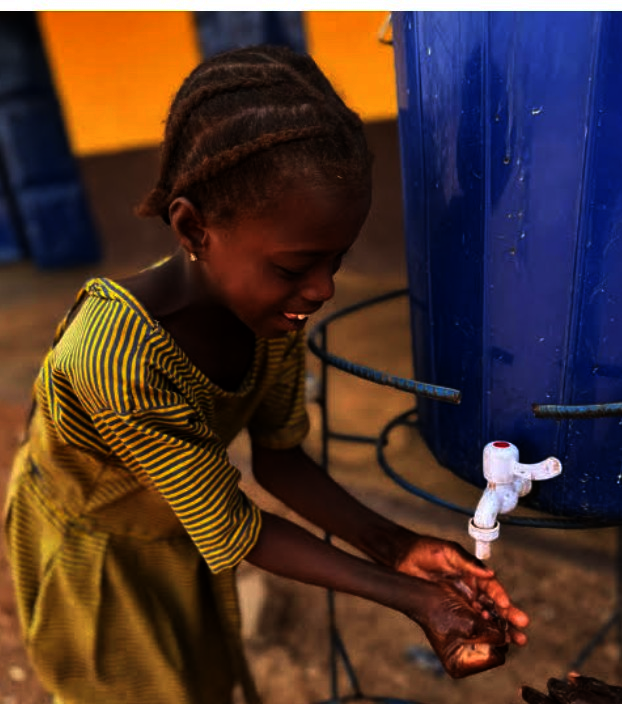
Effective response depends on early detection, rapid reporting, and coordinated action between governments, health organizations, and communities. Handwashing stations, clean water, and public health messaging are simple but critical tools in prevention.
*Conclusion*
Ebola remains a serious public health threat, but knowledge and preparedness have improved outcomes in recent outbreaks. Continued investment in healthcare infrastructure, community education, and rapid response systems is essential to protect vulnerable populations. With the right measures, transmission can be stopped and lives saved.
Project reports on GlobalGiving are posted directly to globalgiving.org by Project Leaders as they are completed, generally every 3-4 months. To protect the integrity of these documents, GlobalGiving does not alter them; therefore you may find some language or formatting issues.
If you donate to this project or have donated to this project, you can receive an email when this project posts a report. You can also subscribe for reports without donating.



Support this important cause by creating a personalized fundraising page.
Start a Fundraiser