By Yoshida Toshimichi | Project Leader
Thank you very much for continuing to support the "Coastal Forest Restoration Project."
Currently, our project is conducting thinning operations in the area planted in 2018. Working with professionals from forestry cooperatives, companies, and volunteers from across Japan, we plan to thin approximately 26,000 trees across 16 hectares by the end of March. Thinning operations aim to help the remaining black pine trees to extend their branches, increase their foliage, develop thick, tall trunks, and grow deep, wide roots, in order to strengthen the coast forest. In this first thinning round, about 30% of the trees will be removed. Over the next few decades, thinning will continue gradually until only 12–16% of the originally planted black pines remain. These remaining trees will form a resilient coastal protection forest for generations.
This time, we are going to report the volunteer-led thinning activities conducted from January to March.
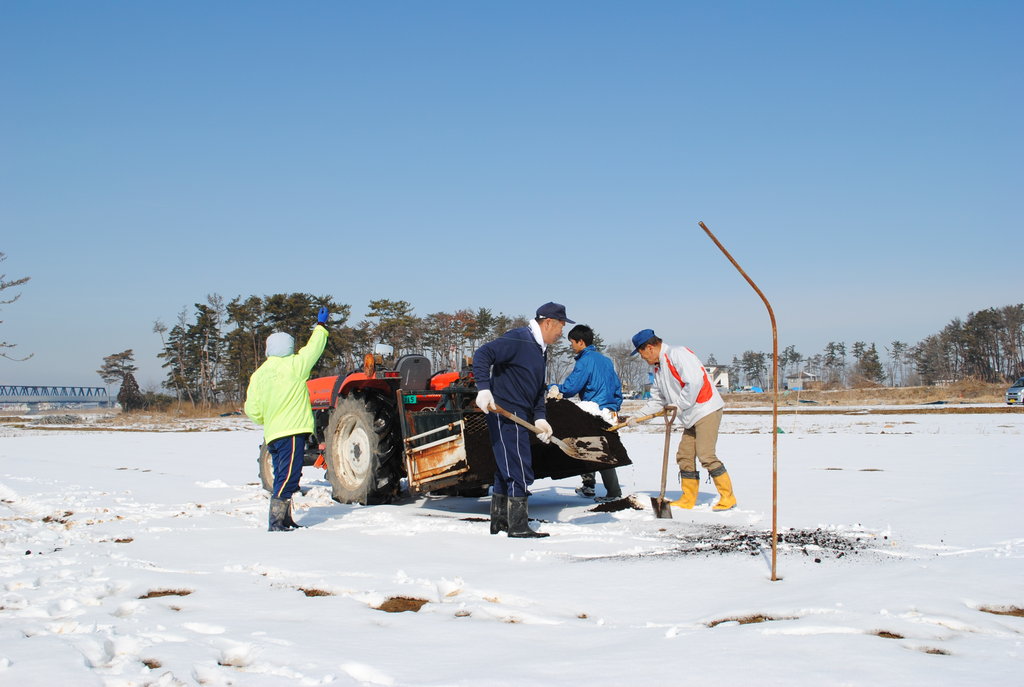
On January 25, 31 volunteers gathered to participate. Their task was to saw down designated rows of black pines and carry the felled trees out of the forest. However, freshly cut black pines are incredibly heavy, making it a tough job to drag them to the collection points. Volunteers also had to cut down branches from the logs to ensure they would fit efficiently into dump trucks for removal.
While professionals used chainsaws to cut down the trees, volunteers,who did not have chainsaw certification,used hand saws. To minimize trip hazards, volunteers were instructed to cut as close to the base of the tree as possible. Sawing through trunks more than 10 cm in diameter while maintaining a low posture was no easy task. Additionally, pine resin dulled the saw blades over time, requiring frequent maintenance. Volunteers worked carefullywhile communicating with each other to ensure safety throughout the process.
Same volunteer efforts took place on February 14–15 and March 1–2. Thanks to their hard work, we successfully completed the thinning of approximately 2 hectares assigned to the volunteer team.
With more sunlight now reaching, the remaining black pines will grow more vigorously. However, vines and other plants which inhibit the growth of black pine may also become more active. From spring to autumn, volunteers will help remove these invasive plants to ensure the continued healthy growth of the black pines.
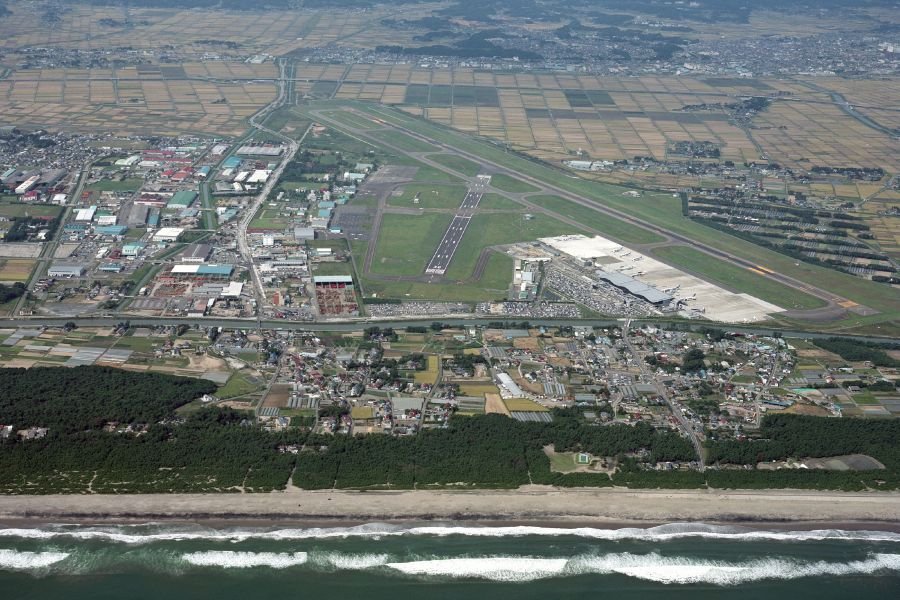
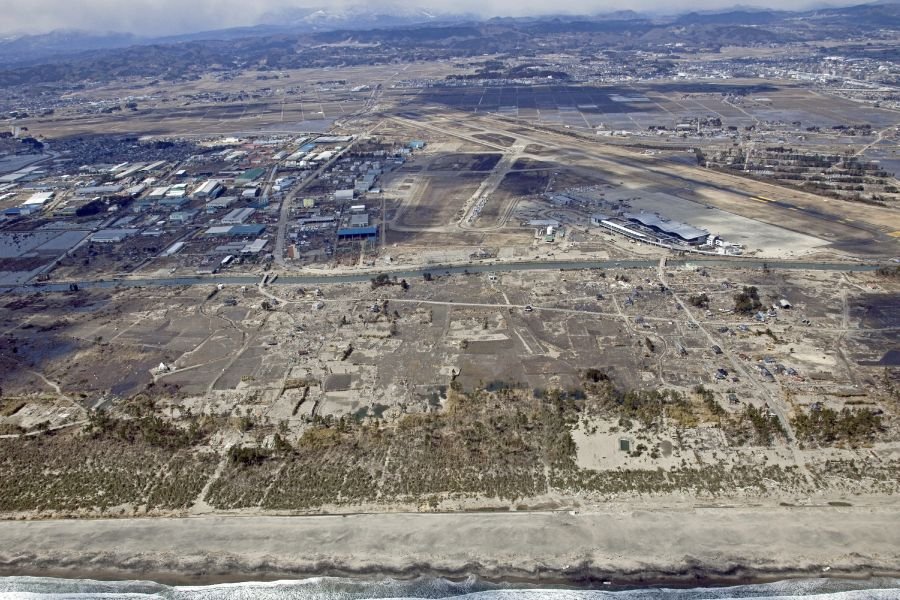
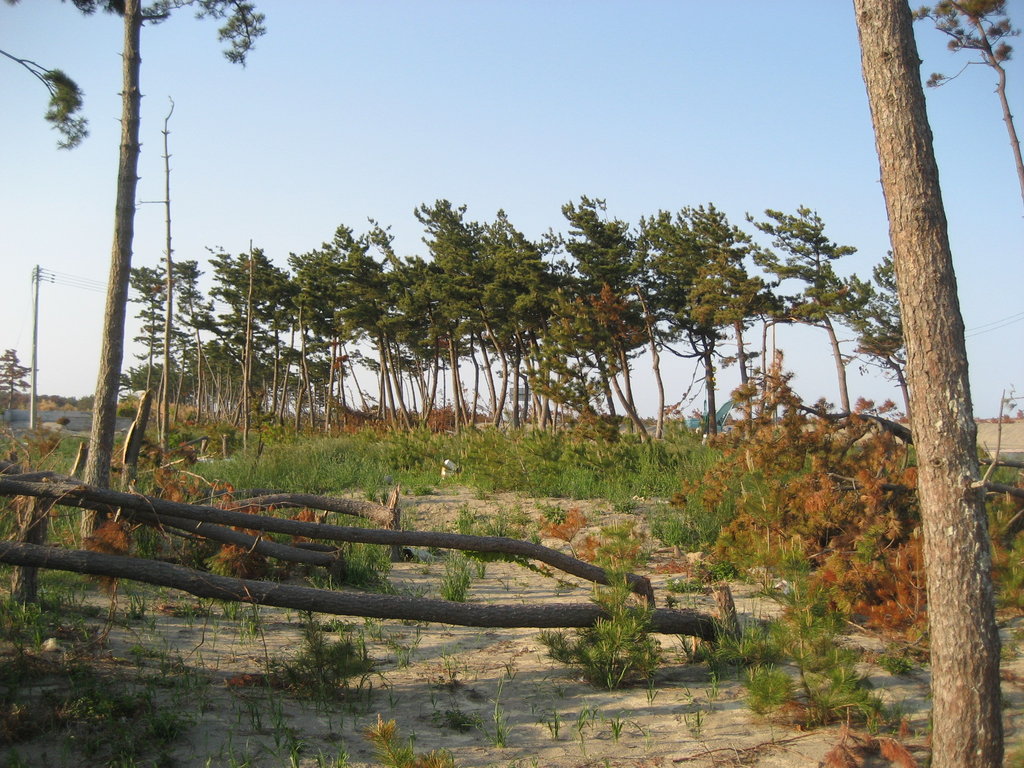
Moreover, it will soon be March 11 once again. The memory of the Great East Japan Earthquake, which struck on March 11, 2011, is fading. Discussions about the disaster are becoming less frequent except during this time of year. Our mission is not only to restore the coastal forest damaged by the tsunami but also to ensure that the lessons learned from that tragic event are not forgotten. We will continue our activities to pass on these important memories and experiences to future generations.
Project reports on GlobalGiving are posted directly to globalgiving.org by Project Leaders as they are completed, generally every 3-4 months. To protect the integrity of these documents, GlobalGiving does not alter them; therefore you may find some language or formatting issues.
If you donate to this project or have donated to this project, you can receive an email when this project posts a report. You can also subscribe for reports without donating.



Support this important cause by creating a personalized fundraising page.
Start a Fundraiser