By Nanaho Asano | Project Coordinator
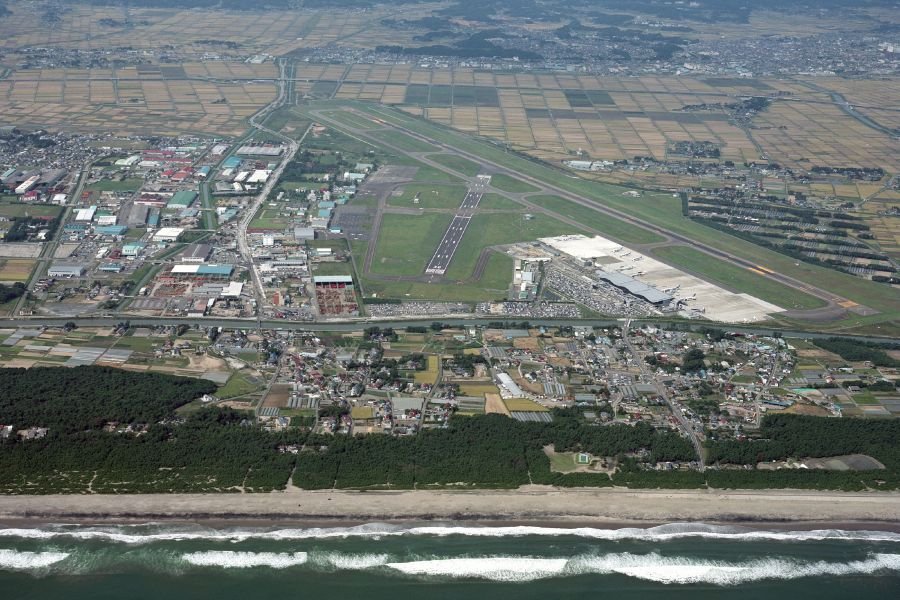
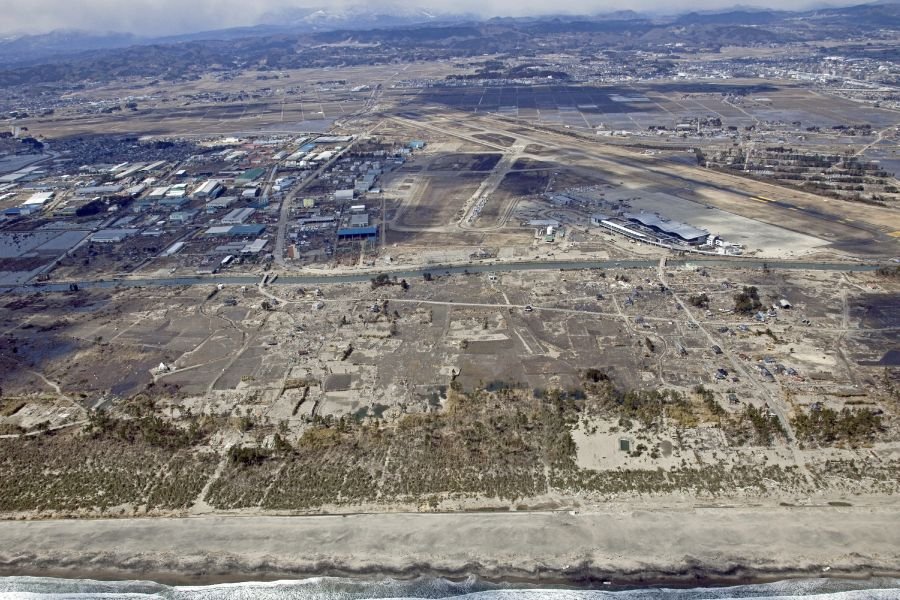
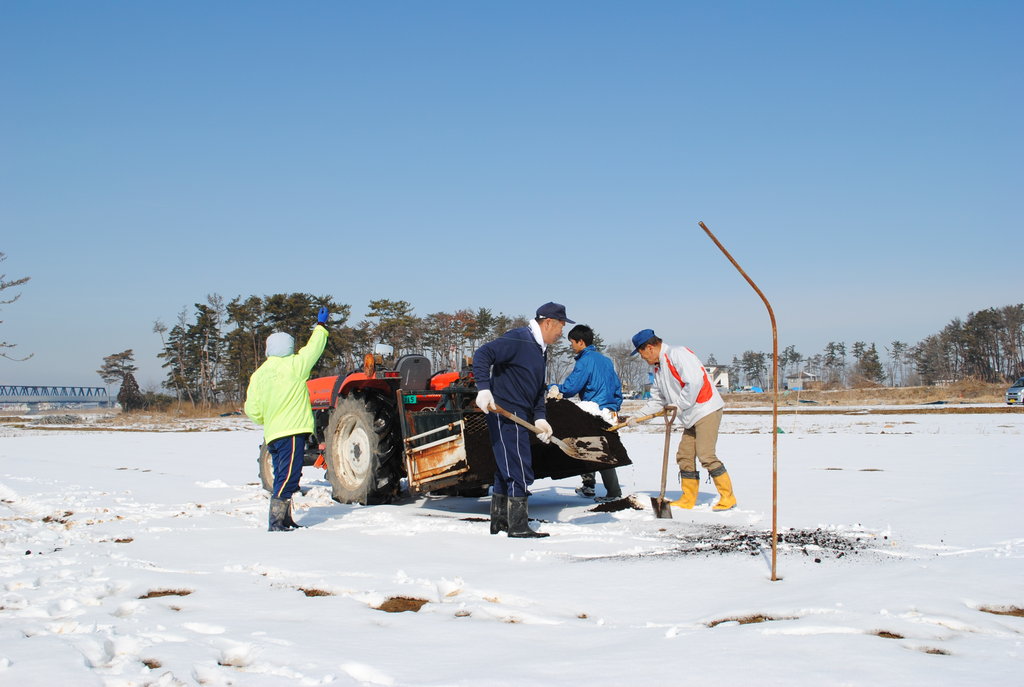
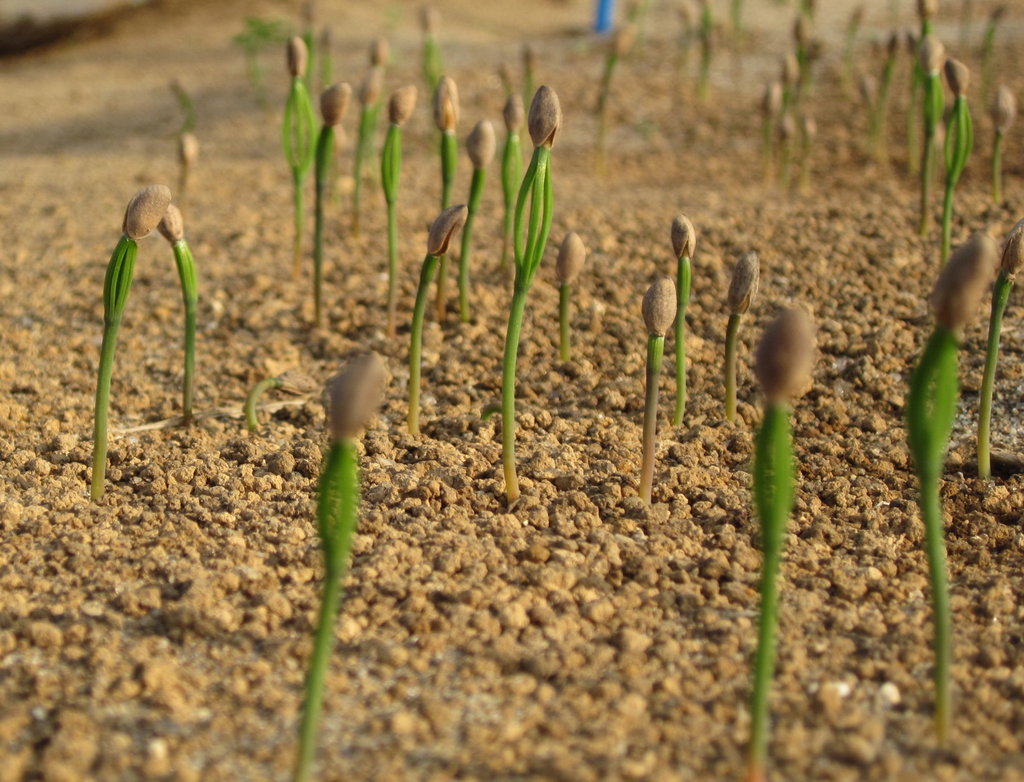
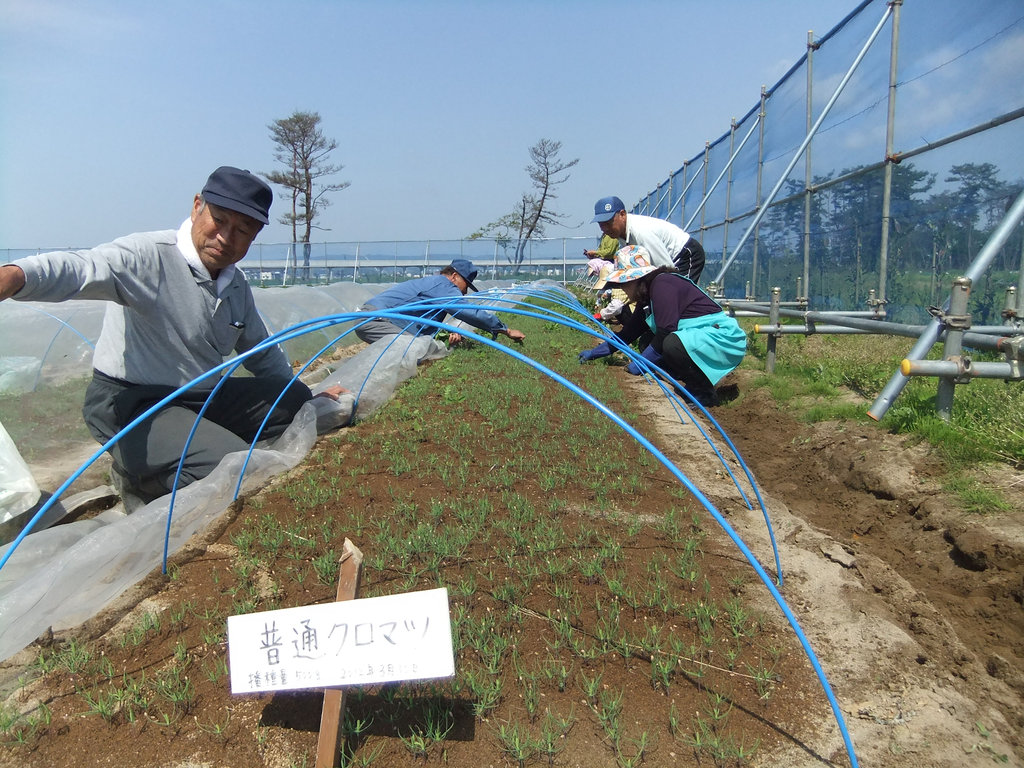
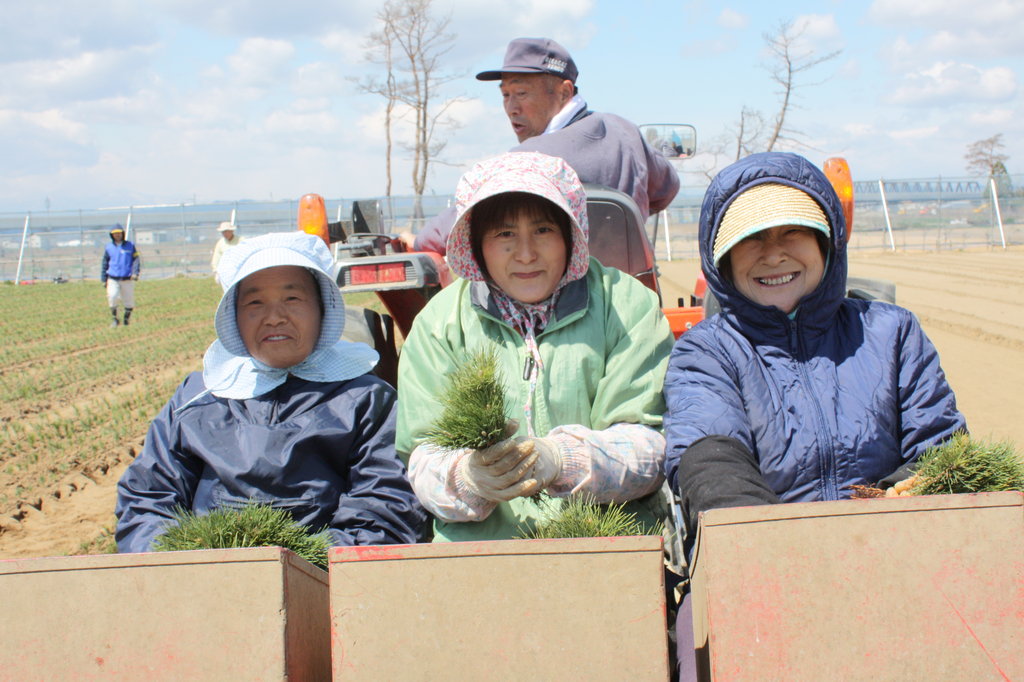
It has been fifteen years since the Great East Japan Earthquake disaster and fifteen years since we started this project. In the first phase (from 2011 to 2020), we raised and planted a total of 370,000 black-pine saplings. Now, in the second phase, we are focusing on post-planting maintenance – digging water drainage channels, weeding invasive vegetation (such as kudzu vines), and thinning out the trees. With the tremendous help of forest workers and volunteers working hard on site maintenance, more than 95% of the trees have survived and are growing strong, sturdy trunks.
We owe it to you that this project has come this far, growing a strong, resilient forest that will help protect people’s lives. We are always heartly grateful for your kindness and generosity.
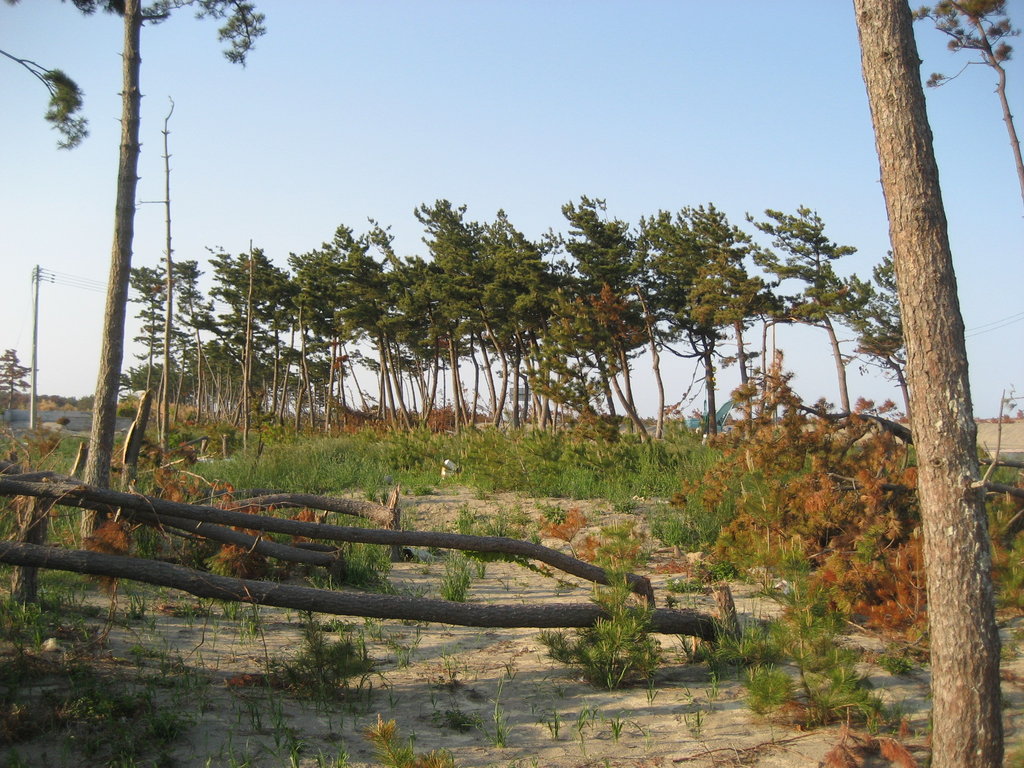
At the same time, the project site is facing some challenges, in particular, a pine wilt disease. Spread around neighboring localities for the past few years, the disease recently reached Natori city – our project base. The disease is caused by pine wilt nematode, a microscopic, worm-like creature carried by the Japanese pine sawyer beetle. As the nematode affects tree’s water-conducting tissues, it ultimately causes pines to die. Once the area is infested, the disease spreads rapidly, resulting in the loss of many pine trees. While there is still no complete method to prevent it, watchful eyes of local communities can make a huge difference. If volunteers and locals notice that “something seems off” with the pines’ usual appearance and respond at an early stage, they can become a powerful force in protecting the forest. Through various activities such as seminars, we try to spread awareness and cultivate a sense of ownership towards the importance of coastal forest in local communities.
Cooperation with forestry professionals is also indispensable. Responding to the spread of disease requires specialized knowledge and skills, such as pesticide spraying and preventive trunk injections, as well as removal and proper disposal of dead pine trees. It is thanks to your generosity and continued support that these efforts can be sustained. Empowering the volunteers and specialists working on the ground, your contributions are the driving force which moves the project forward.
We are committed to advancing The Coastal Forest Restoration Project as a sustainable, long-term initiative, helping protect local communities and nurture forest for future generations. We sincerely hope you will continue to stand with us in this endeavor.
Once again, we take this opportunity to heartfully thank you for your generosity, hoping for continued support.
Project reports on GlobalGiving are posted directly to globalgiving.org by Project Leaders as they are completed, generally every 3-4 months. To protect the integrity of these documents, GlobalGiving does not alter them; therefore you may find some language or formatting issues.
If you donate to this project or have donated to this project, you can receive an email when this project posts a report. You can also subscribe for reports without donating.



Support this important cause by creating a personalized fundraising page.
Start a Fundraiser