By Suzuki Eiji | President, Association for Restoration of Coastal
To our dear friends worldwide,
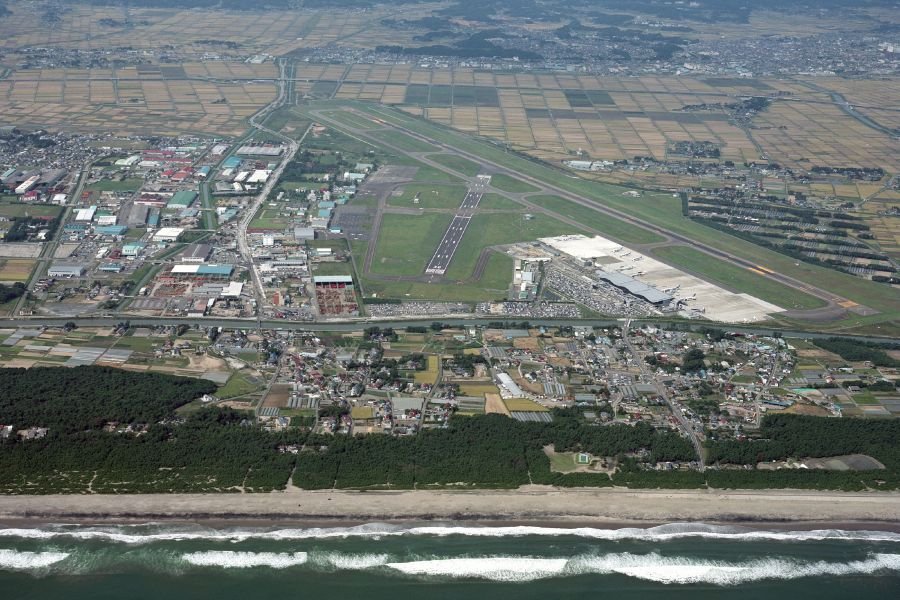
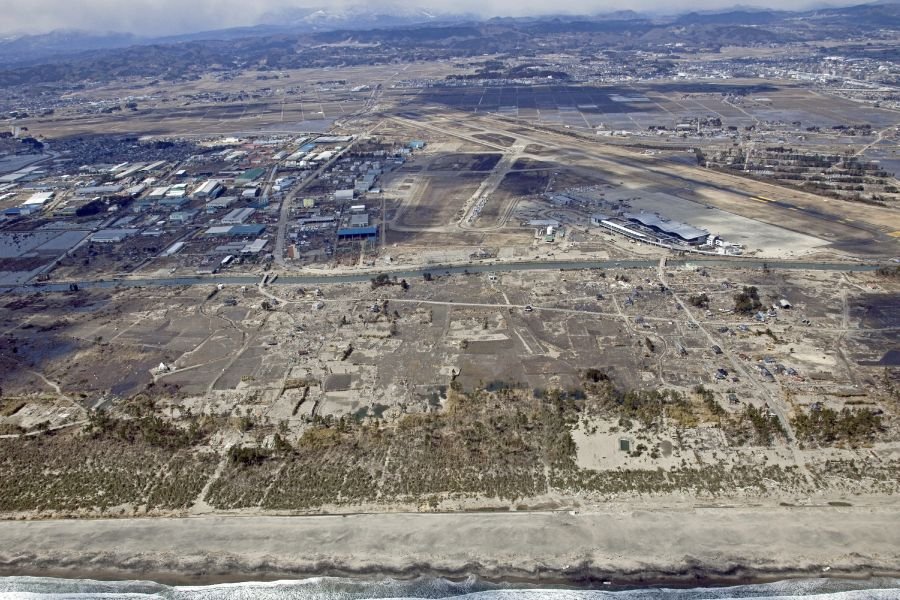
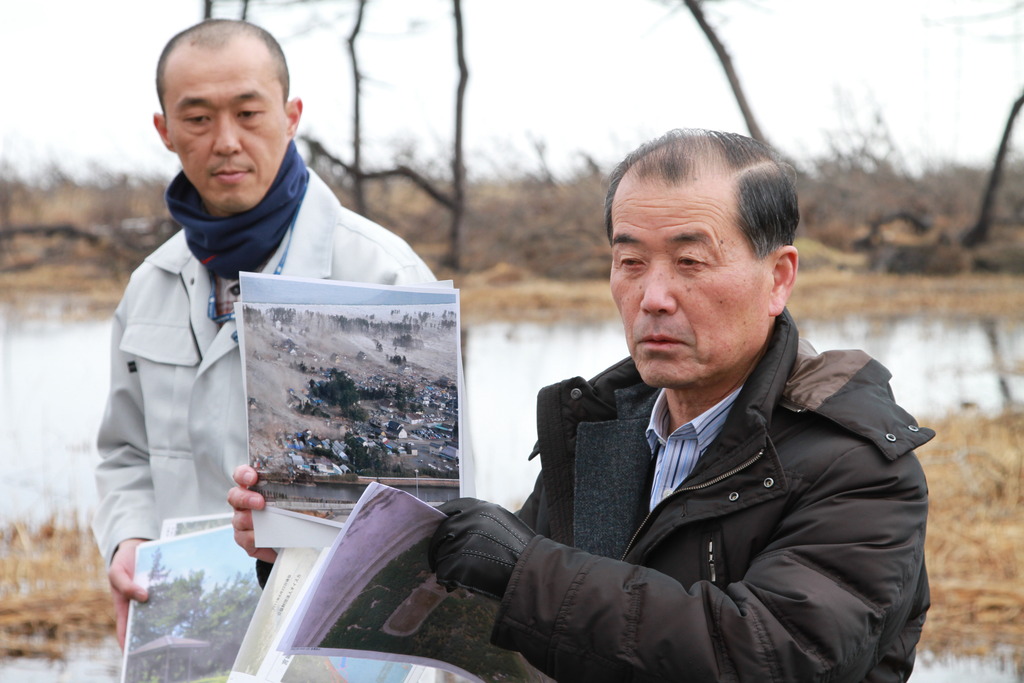
Our life changed drastically due to the tsunami at the time of the Great East Japan Earthquake on March 11, 2011. We were living in a coastal village named Kitakama, located in the east of Sendai Airport, in Natori City, Miyagi Prefecture. About 400 people, mostly farmers, were living in 100 residential houses. 55 residents lost their lives in the tsunami disaster. We lost all of a sudden our living just in one day.
Under such a situation, we were completely at a loss. In May 2011, staff of OISCA came to visit Natori for an on-site survey of possible restoration of the damaged seashore forest.
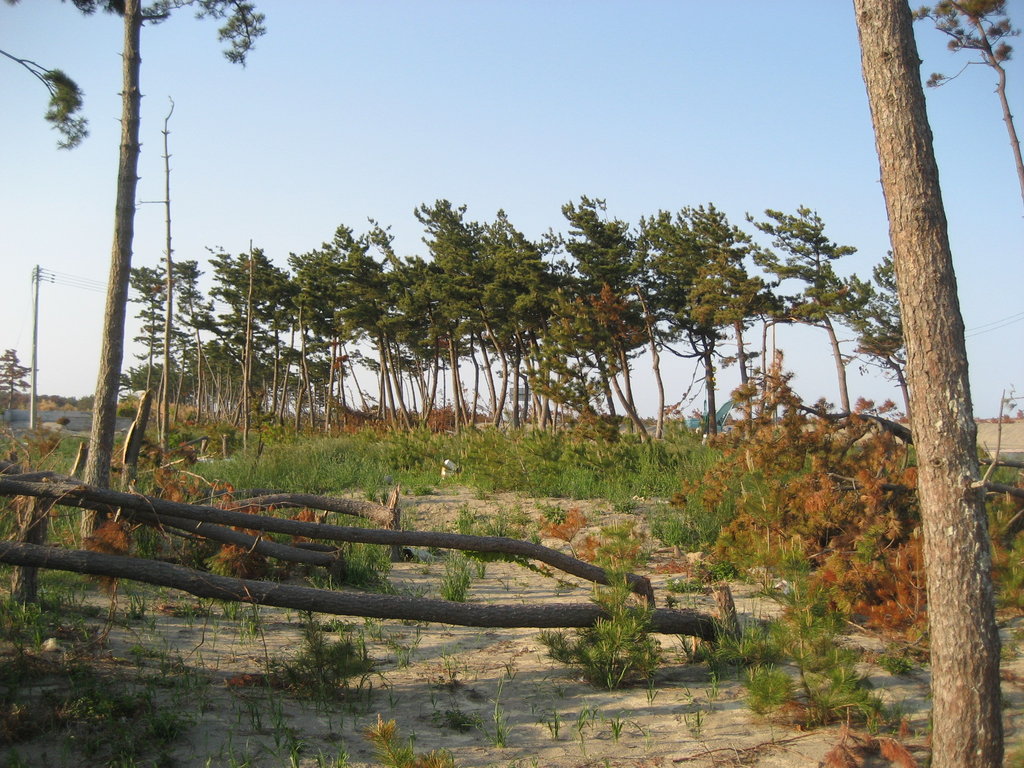
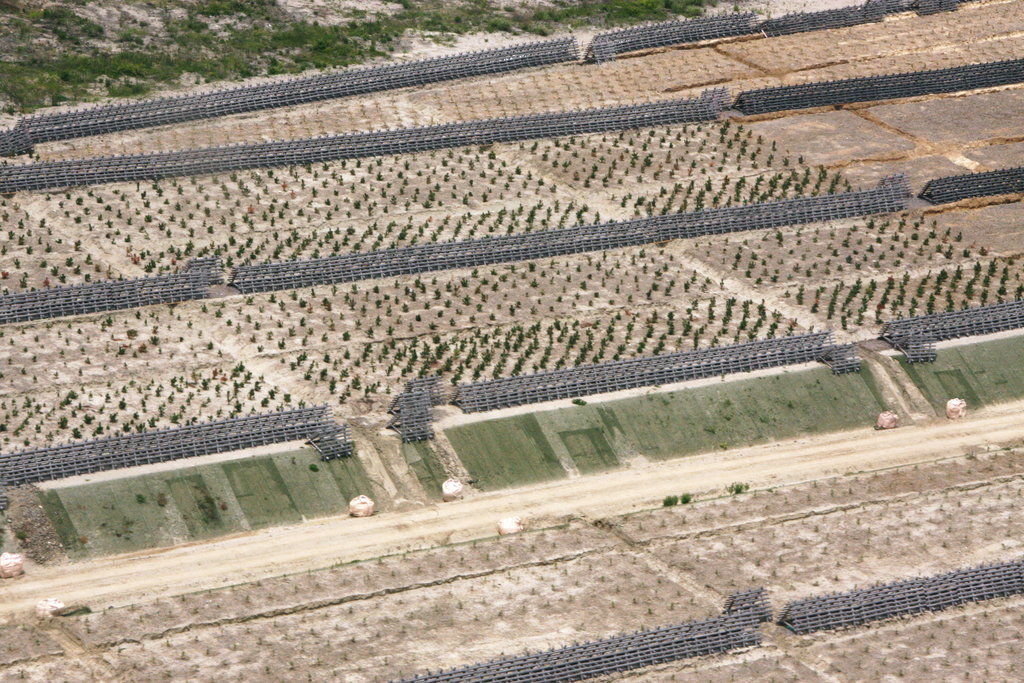
Through its long experience of carrying out worldwide activities, OISCA recognized the important role of seashore forests in fighting against natural disasters, for windbreak and prevention of flying sands and tidal waves. Together with us, OISCA launched a project to plant 500,000 black pine trees in an area covering 100 hectares to restore the damaged coastal forest.
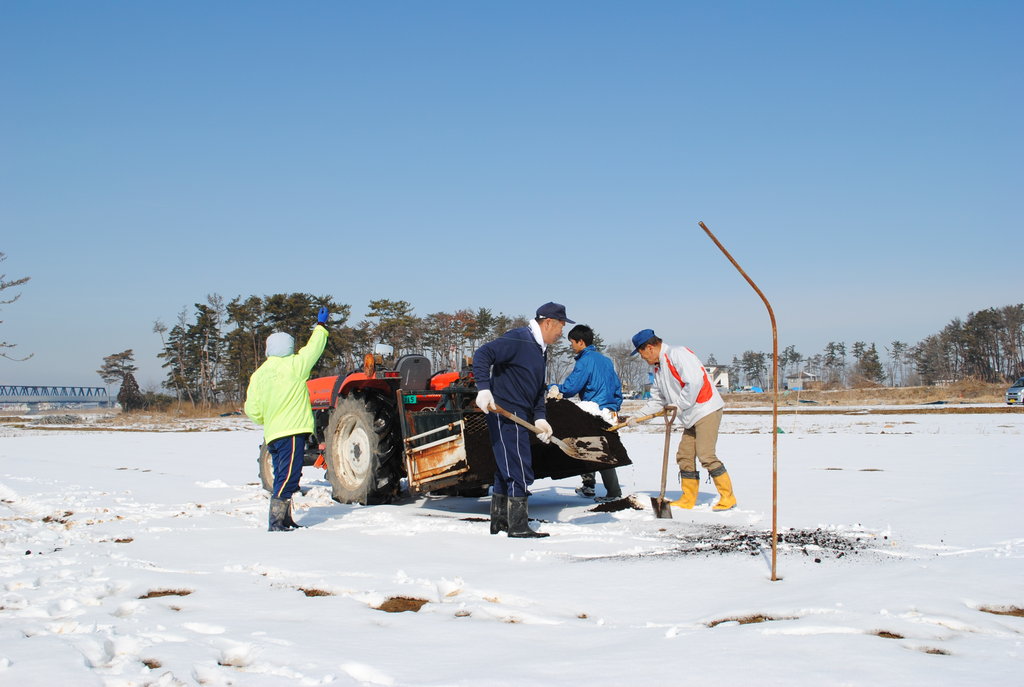
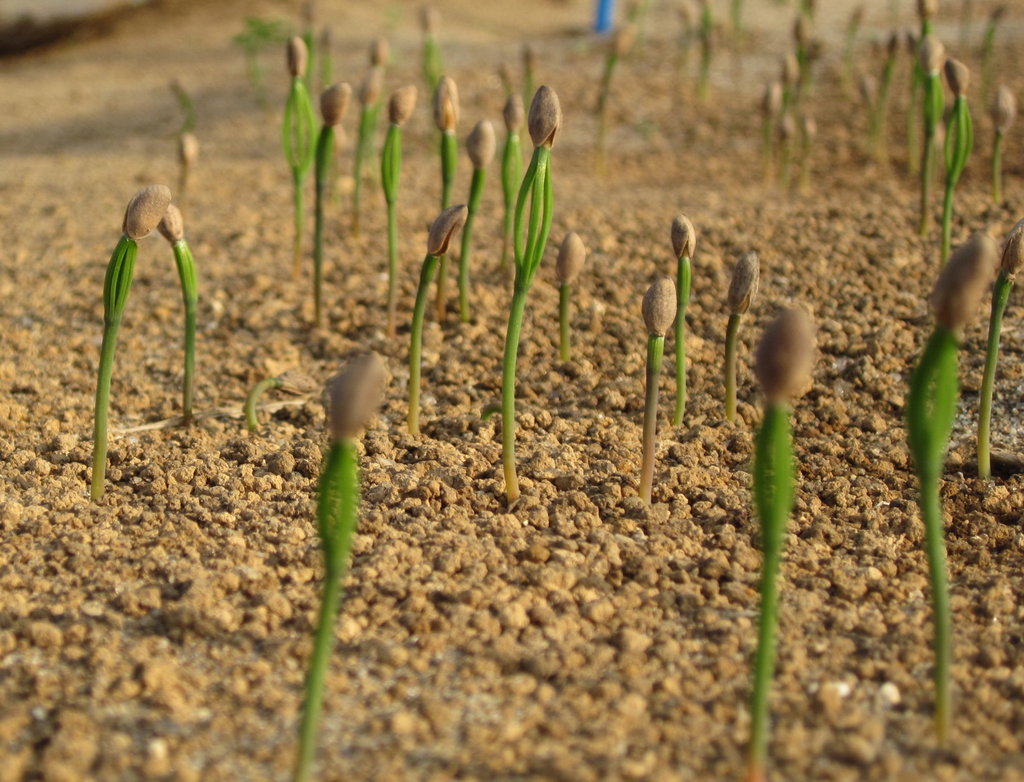
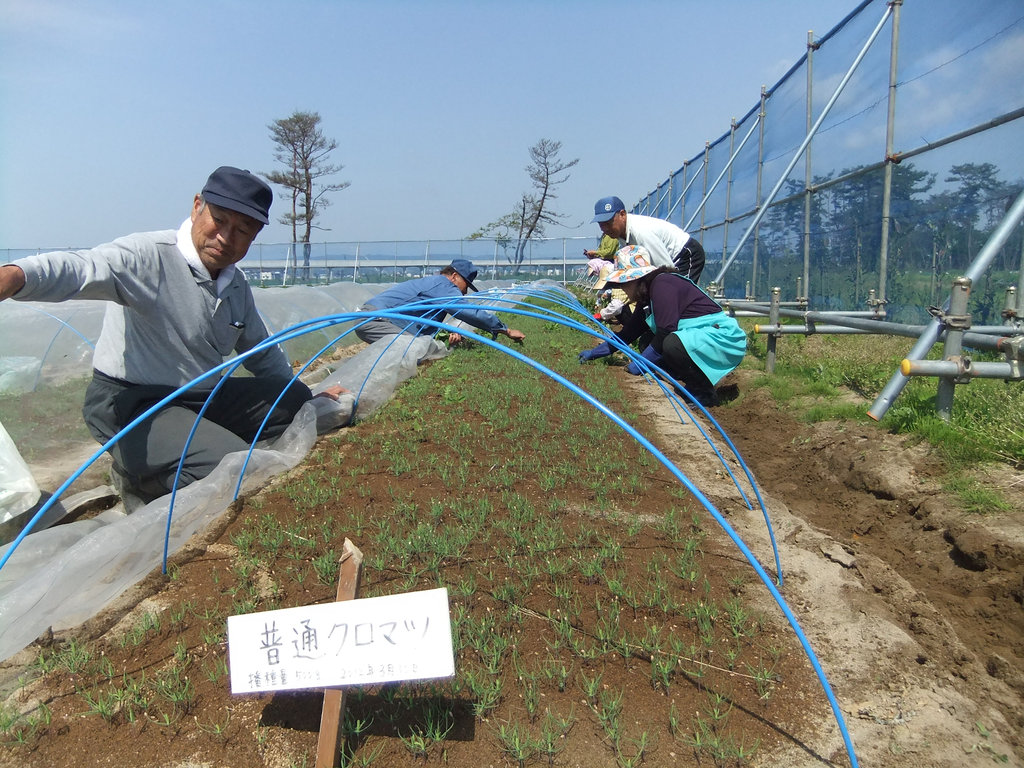
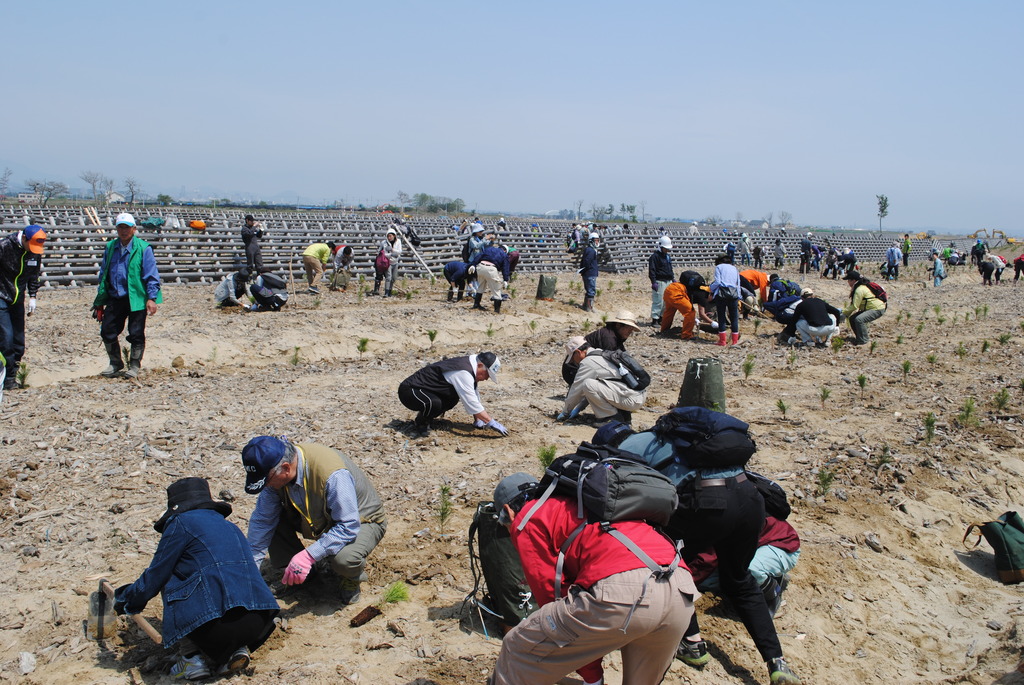
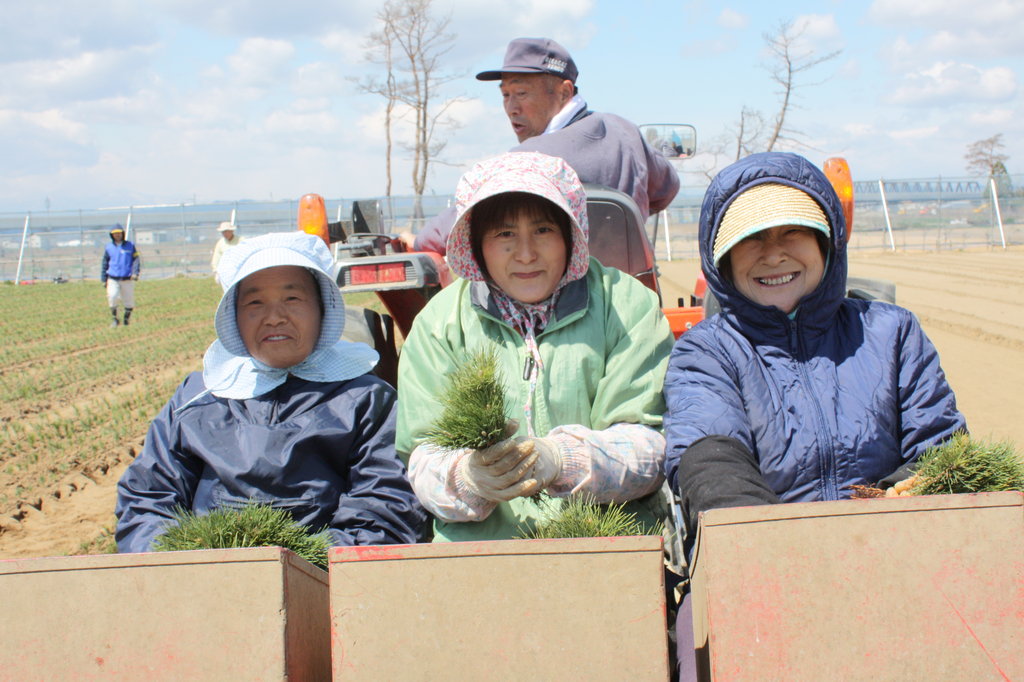
Through the twists and turns, we held a tree-planting ceremony in May 2014 and planted about 80,000 black pine seedlings said to be resistant to insects over 15-hectare land. In spite of the severe coastal environment where salty wind constantly blows, the seedlings have been steadily growing thanks to the dedicated efforts of the disaster-affected farmers.
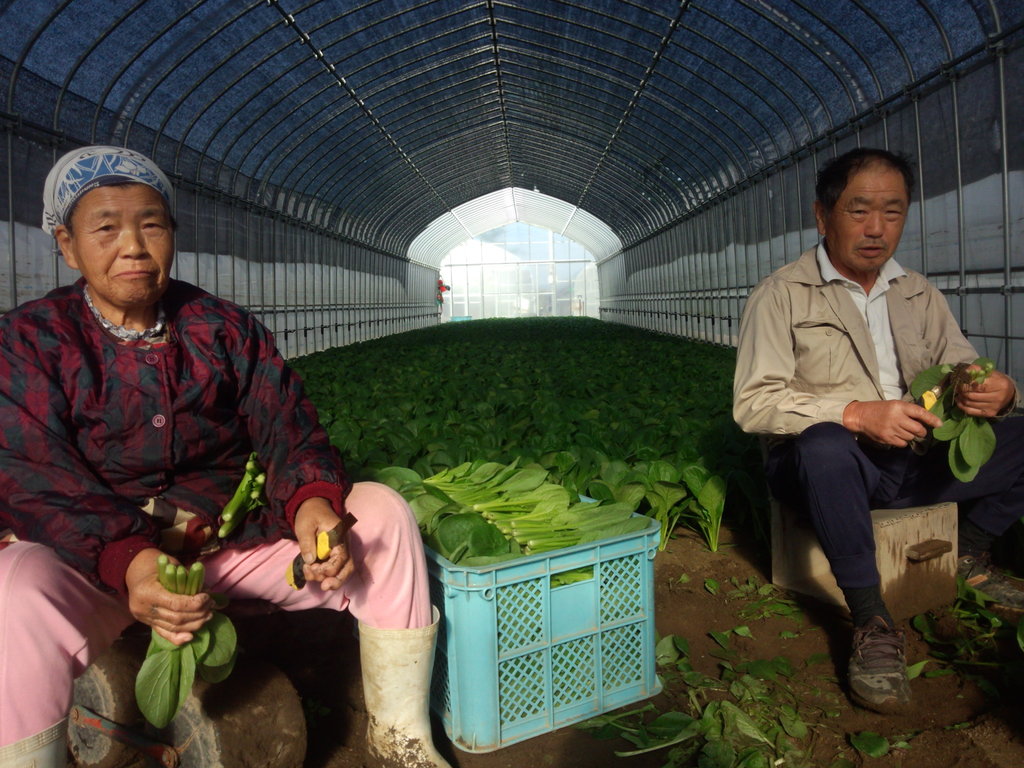
Before the disaster, Kitakama was a melon and Chinese cabbage (qing-geng-cai) producing area. The coastal forest also protects agricultural crops from the cold sea breeze. Since it was started to plant trees for the restoration of the coastal forest indispensable for agriculture, there has been a new momentum for the renaissance of agricultural crop producing area. The improvement and development work of the adjacent agricultural land has made progress and about 300 units of green houses were built. We can finally see a bright light in the development of new infrastructure for our living. This year, we are going to start making preparations for vegetable production.
The Coastal Forest Restoration Project is not only limited to the restoration of the “hardware and functions” such as the prevention and mitigation of natural disasters, salty wind, wind-blown sands and tidal waves, but will also significantly contribute to the restoration of the “heart and mind” to rebuild our community with our own hands.
This is the 4th year since the Coastal Forest Restoration Project was implemented. But black pine trees do not grow in a brief space of time, and sustained efforts are required for a long time to come. We are firmly determined to work very hard for restoring “beautiful stretch of sandy beach dotted with green pine trees”.
We strongly request for your continued support for and participation in our Project.
Eiji Suzuki
President
Association for Restoration of Coastal Forest in Natori City
Project reports on GlobalGiving are posted directly to globalgiving.org by Project Leaders as they are completed, generally every 3-4 months. To protect the integrity of these documents, GlobalGiving does not alter them; therefore you may find some language or formatting issues.
If you donate to this project or have donated to this project, you can receive an email when this project posts a report. You can also subscribe for reports without donating.



Support this important cause by creating a personalized fundraising page.
Start a Fundraiser