By Nanci Cole | Project Leader
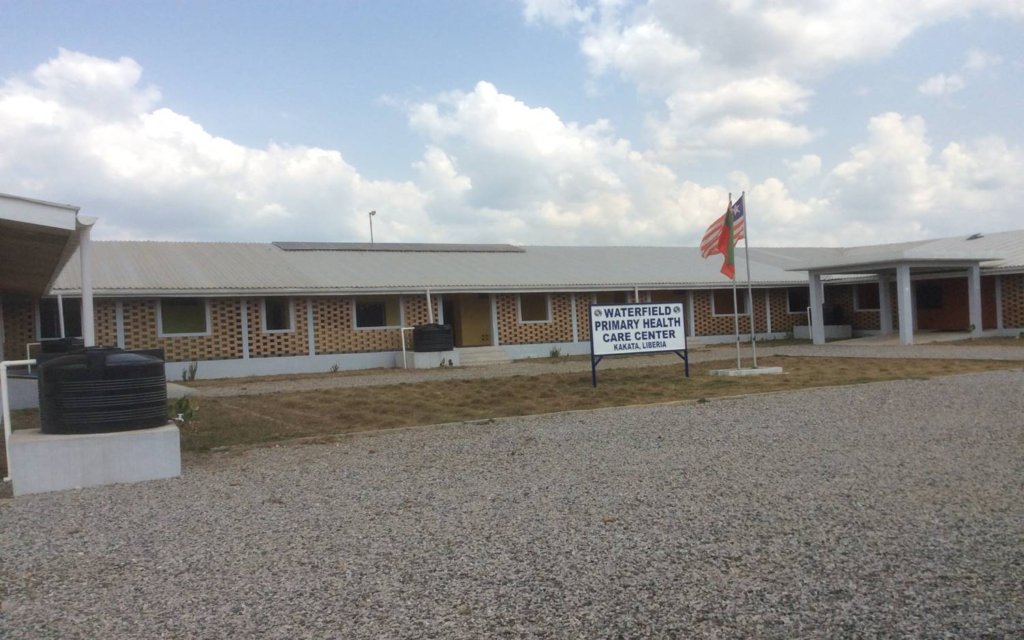
The first case of ebola in Liberia was reported in March 2014. At that time it seemed the crisis was far away from Kakata, something reported in the news, rumored about town, with little impact on our daily work. We continued to treat patients with very high fevers, diarrhea, vomiting, muscle pain, headaches, malaria, sore throats, injuries, pregnancies, and chronic diseases. We talked about ebola and took precautions, but we were treating these cases long before ebola came to Liberia, and continued to treat them after ebola became official.
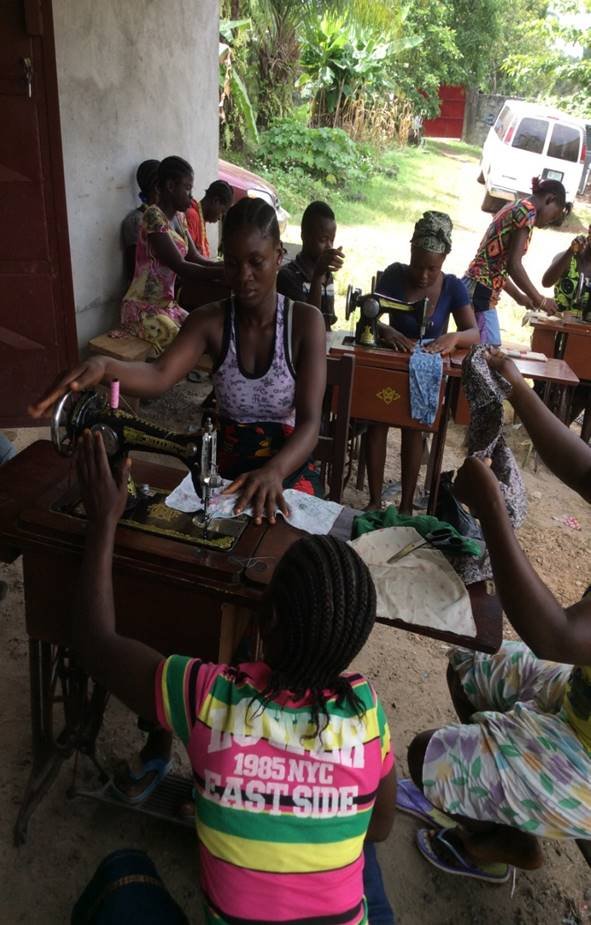
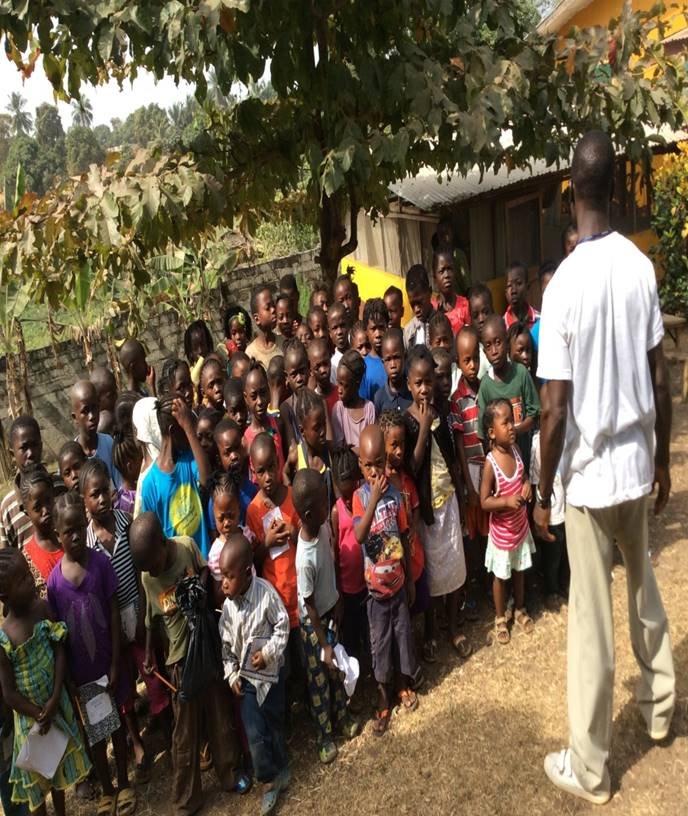
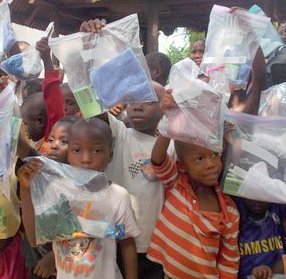
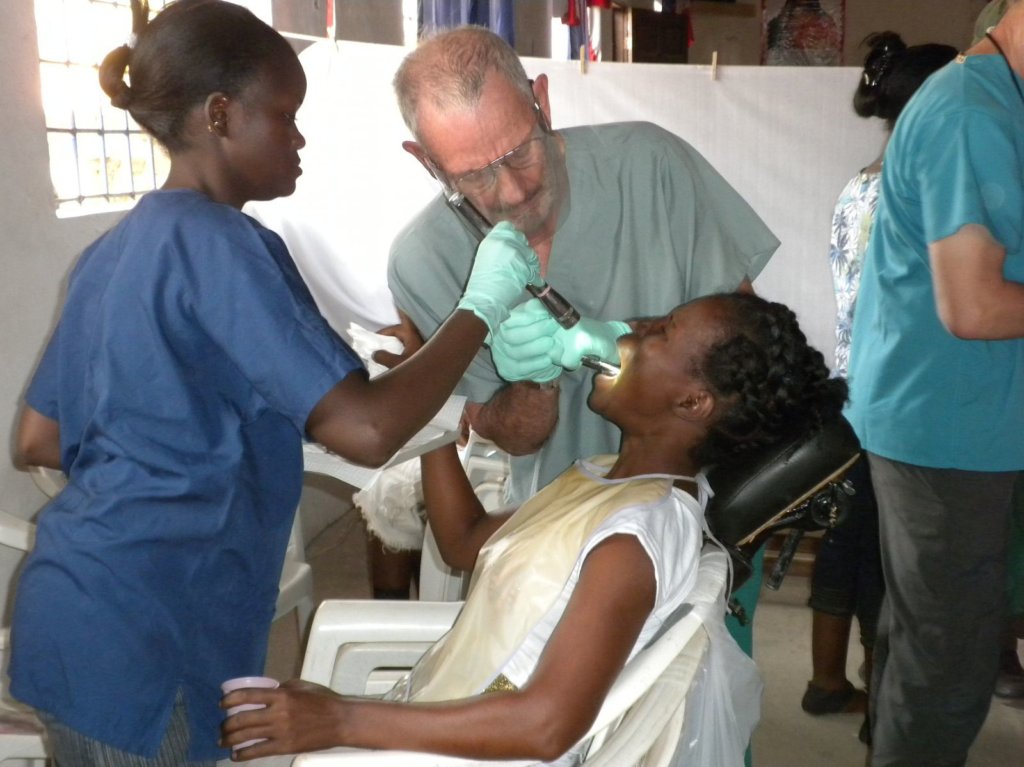
Between March and July, we worked in the clinic and out in the communities treating 2,173 patients and de-worming 3,736 kids and adults. We provided glasses to 150 patients, took care of 107 pregnant women with prenatal visits and after delivery care, and provided clothing to 85 adults in desperate need. We provided 125 health kits to children; provided toothbrushes and talked about dental care. Every day our health workers rotate under a tree in the yard providing health education on various topics to the patients who gather there. In addition to the patients under the tree, we provided classes to over 1,200 women and men out in their communities in community centers, churches, schools and other gathering spaces. We have been talking about hand washing and sanitation for 3 years. We also provided health education with regular medications to everyone under our care for chronic diseases, such high blood pressure, diabetes, sickle cell, and epilepsy. Health education is provided to every patient we see.
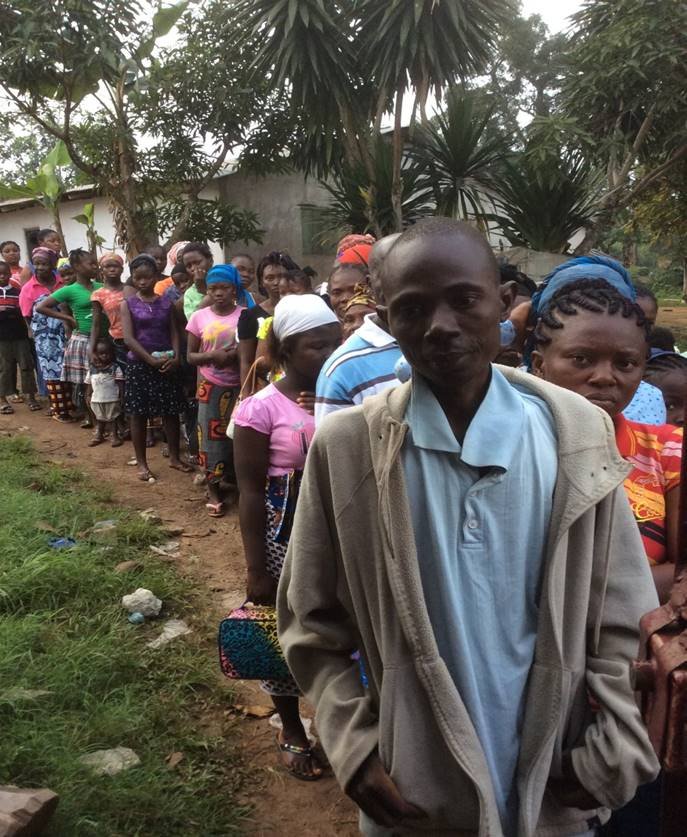
When the local hospital closed and the government shutdown in July, our clinic was overwhelmed by all the patients coming to us. Senator Oscar Cooper provided us with disposable PPEs immediately when the first ebola case was reported in Kakata. Ebola was real, it was in Kakata. The first report turned out to be a false alarm, but within a month, we lost 11 nurses from the local hospital and 3 local pastor's wives, caregivers to members of their churches. Dr. Chris and the staff knew many of these people personally, members of our community.
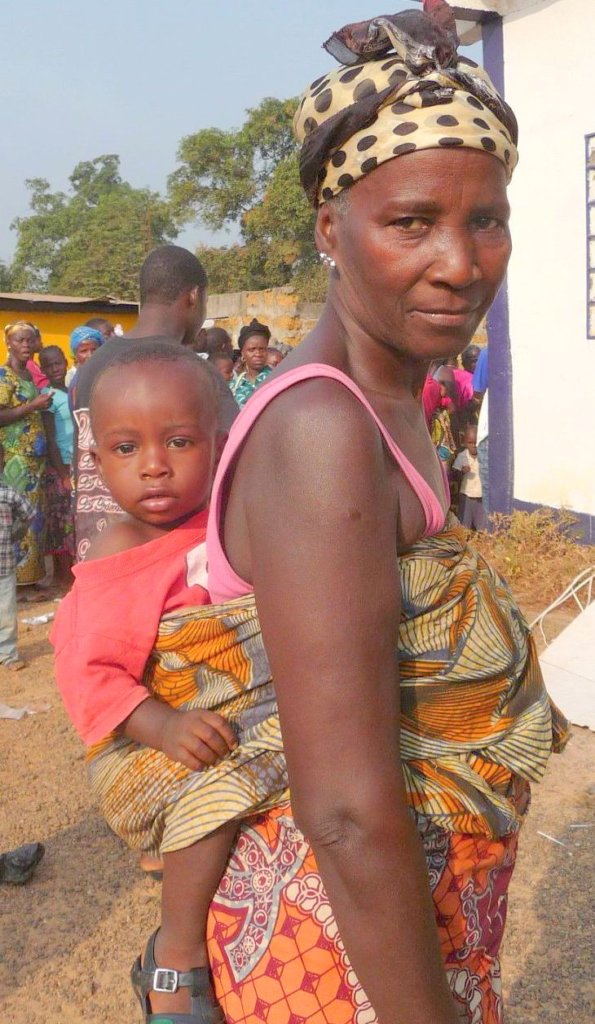
Even though the government has discouraged travel, the population of Margibi County has grown from 135,000 to over 200,000 in the last 90 days. Kakata, being centrally located, has seen a surge in population from both rural areas and the city, as people seek a safe place with their families. We see new faces in our outreach every day. People are very anxious to hear what we have to say. The Ministry of Health provided us with pamphlets about ebola and we were able to make copies for widespread distribution, but more than half of these people are not able to read or write. Flyers and pamphlets are of little value for them. They have questions. We talk in the language that they understand. They are encouraged to pass on what they learn to relatives and neighbors not able to attend or who live in other areas of the country. We believe that we have reached more than 136,000 people with an ebola message since March.
We were not properly equipped to handle the increasing patient load after the hospital closed. There was no place to refer patients. The government imposed restrictions on large groups of people gathering. Dr. Chris decided to close the clinic, both to comply with government restrictions prohibiting people traveling and gathering and for the safety of patients and staff.
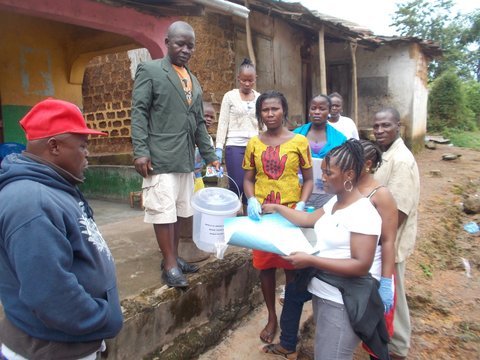
Although the clinic is closed, we continue to serve those serious cases coming to our doors. We continue to provide refills of medications. We hold daily training sessions and community meetings, continuing to take our messages to each of our 34 communities. In the past 3 weeks we have purchased 200 buckets, 200 large bottles of bleach and soap to build hand washing stations. Four buckets have been placed at main entrances and exits of each community, so that people can stop and wash their hands. Our next goal is to permanently place additional buckets in each school, day care center, church, mosque, garage, and market place.
Our emphasis continues to be on community health, keeping people and communities safe and well. The message on ebola is just a fraction of our message. This crisis has brought urgency and attention to our work. We continue to talk about fevers, malaria, diarrhea, sore throats, typhoid, and STIs, watching hands, nutrition, and deworming. We continue to work with groups to provide clean water.
Throughout this crisis our health workers have continued to provide outstanding and faithful service. All of the health workers in Kakata ran away from their post, but we stayed and did the work necessary. We will never be able to repay these dedicated staff members for risking their lives during this whole ordeal. They are still at work in the communities daily.
Links:
Project reports on GlobalGiving are posted directly to globalgiving.org by Project Leaders as they are completed, generally every 3-4 months. To protect the integrity of these documents, GlobalGiving does not alter them; therefore you may find some language or formatting issues.
If you donate to this project or have donated to this project, you can receive an email when this project posts a report. You can also subscribe for reports without donating.



Support this important cause by creating a personalized fundraising page.
Start a Fundraiser