By Nanci Cole | Project Leader
The first thing you notice about Matormah is the light that shines through her eyes as she enters a room. She is dressed in a long flowery outfit and affectionately greets the HWHL staff and Dr. Hena as cherished friends, rather than medical professionals, which testifies to the relationship building efforts that HWHL has achieved in the Kakata area and its surrounding villages.
Before the introductions are completed, Matormah informs all of us, “I have two songs [of thanksgiving] to sing for the HWHL staff”. Both songs are sung in her native traditional language, Kpelle, and they speak of thanking God and being satisfied with the serving God.
“I am thanking God because I can’t believe I am the same person! Everywhere I go, people in my neighborhood who knew me and my [epilepsy] condition keep marveling at me walking around normally.” “Is that Matormah?” “Is that the same girl who used to fall out the spells?” I keep hearing them saying as I am going by, she shares with her bright smile.
Matormah is has been undergoing treatment with HWHL for approximately two years. The results have been remarkable. Evidence of the epilepsy seizure toll has had on her can be seen from the burns and scars where she had previously fallen into a fire.
In Kakata, as is common around Africa, spirituality is linked to most aspects of life. Many people have traditional beliefs that epilepsy patients are suffering from demon possessions or under attacks from evil spirits. So if you speak with Matormah, she will share a similar story which she blames for the attacks, until she was relocated to the church residence, where she currently lives and serves as a cleaner and lead chorist.
Dr. Hena believes that there could be a medical explanation of Matormah’s condition having been a congenital trauma which went unnoticed until later. She shares that Matormah is one of 14 epilepsy patients currently undergoing treatment with HWHL. The cost is very expensive as the preferred medication, Phenobarbitone (Phenobarb), is quite expensive and difficult to find in Liberia. It costs approximately $50 U.S. Dollars for 60mg of 1000 tablets.
The World Health Organization (WHO) estimates that there are approximately 10 million people across Africa suffering from epilepsy and 80% of them go without treatment due to the high costs of medication and often the lack of neurologists with most of these countries.
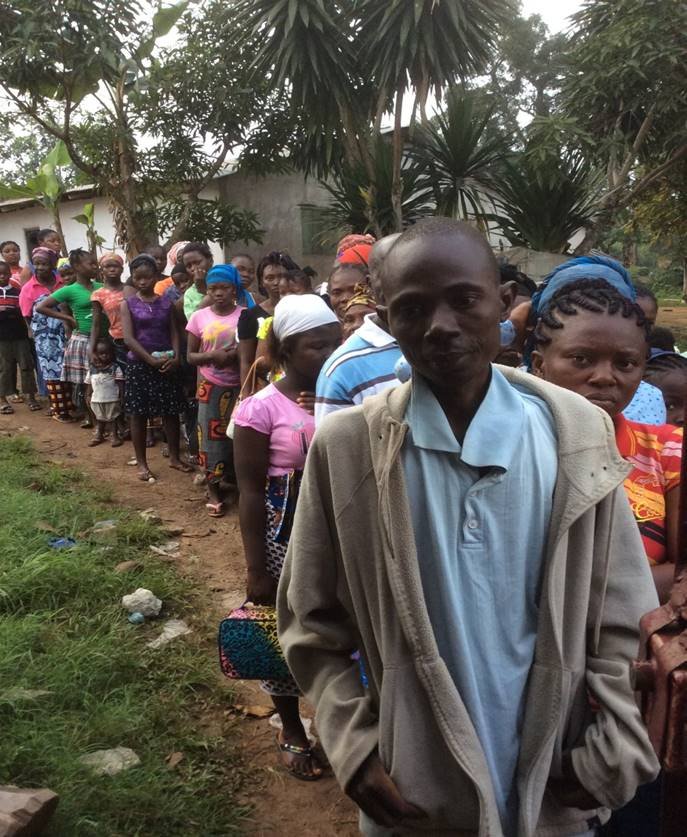
Currently, HWHL provides medications and services at no cost to patients like Matormah, who are unable to cover the expense of the service. These are some of the challenges that are faced by the program as increasing demands are placed upon the staff from people needing a competent doctor that can provide quality medical care, but perhaps more importantly, what keeps the patients overflowing, is that Dr. Hena shows genuine concern and interest in the human being, not just their medical condition.
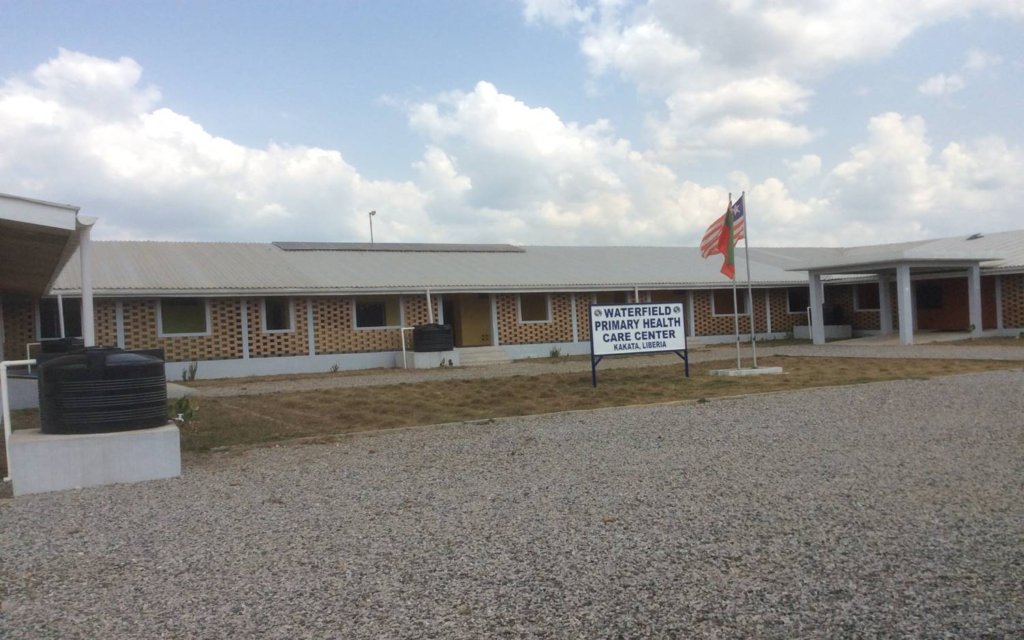
As the HWHL program prepares to shift to the Waterfield Primary Health Center (WPHC), they look forward to carrying on with faithful patients like Matormah and expanding the reach and services to more people within and from around the Kakata area.
As for Matormah, she is thankful for the HWHL staff, which she affectionately nicknamed the “Dwazeh people”, for allowing her to have a healing song of praise and thanksgiving for the work God continues to do through HWHL.
Project reports on GlobalGiving are posted directly to globalgiving.org by Project Leaders as they are completed, generally every 3-4 months. To protect the integrity of these documents, GlobalGiving does not alter them; therefore you may find some language or formatting issues.
If you donate to this project or have donated to this project, you can receive an email when this project posts a report. You can also subscribe for reports without donating.



Support this important cause by creating a personalized fundraising page.
Start a Fundraiser