By Team RTF | Project Leader
Dear Friend of RTF,
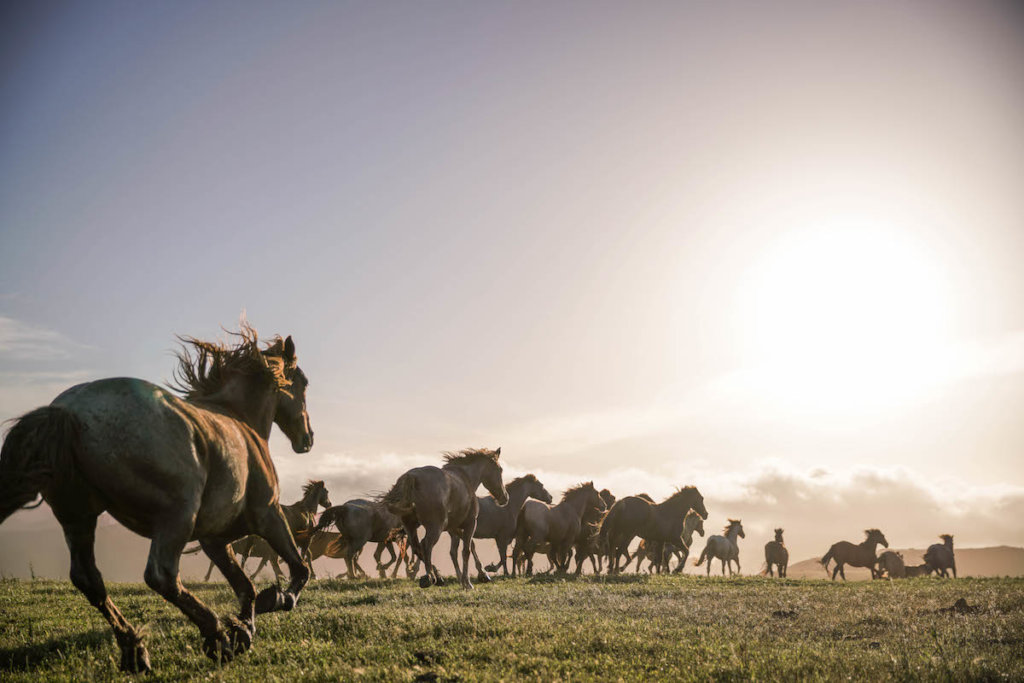
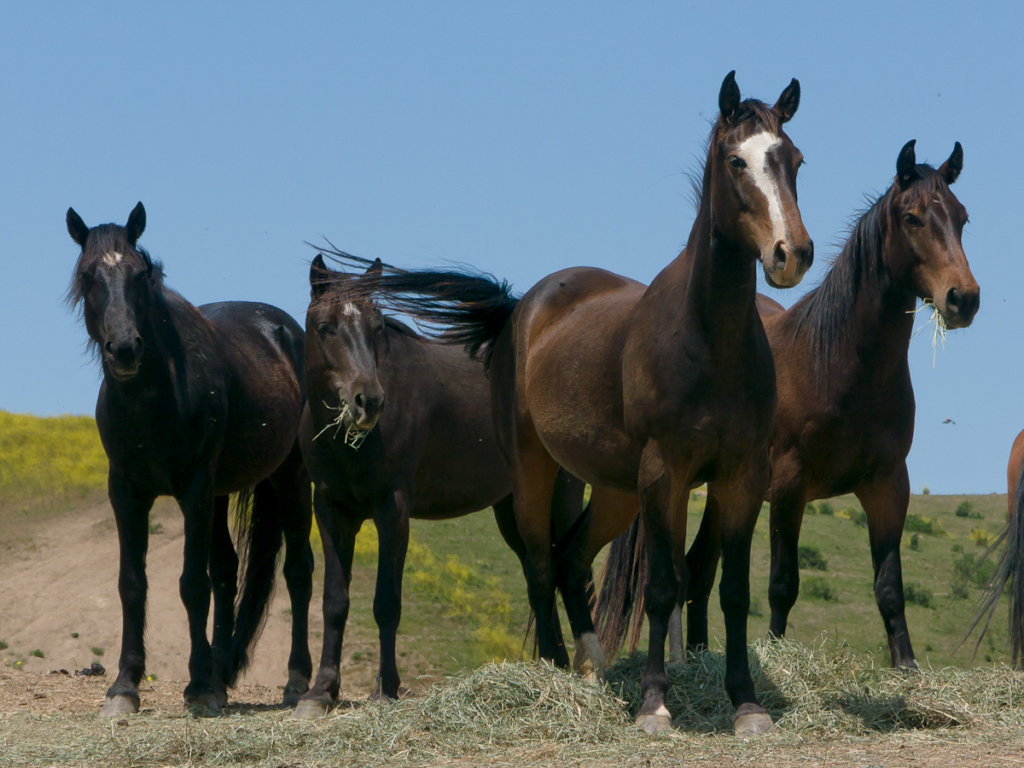
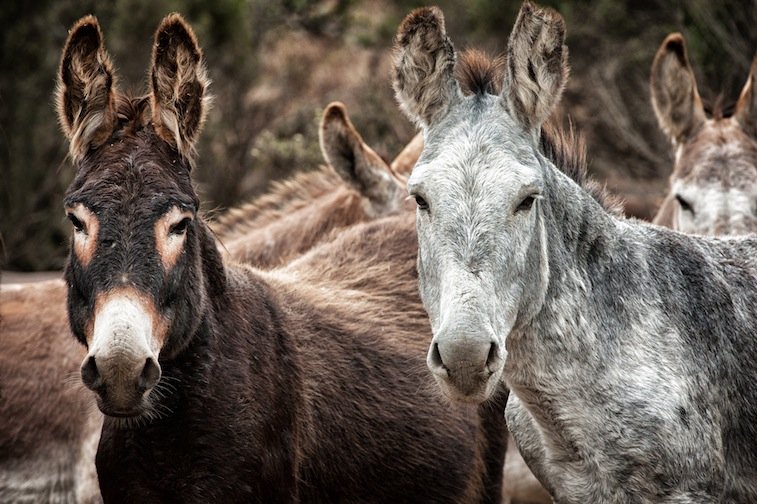
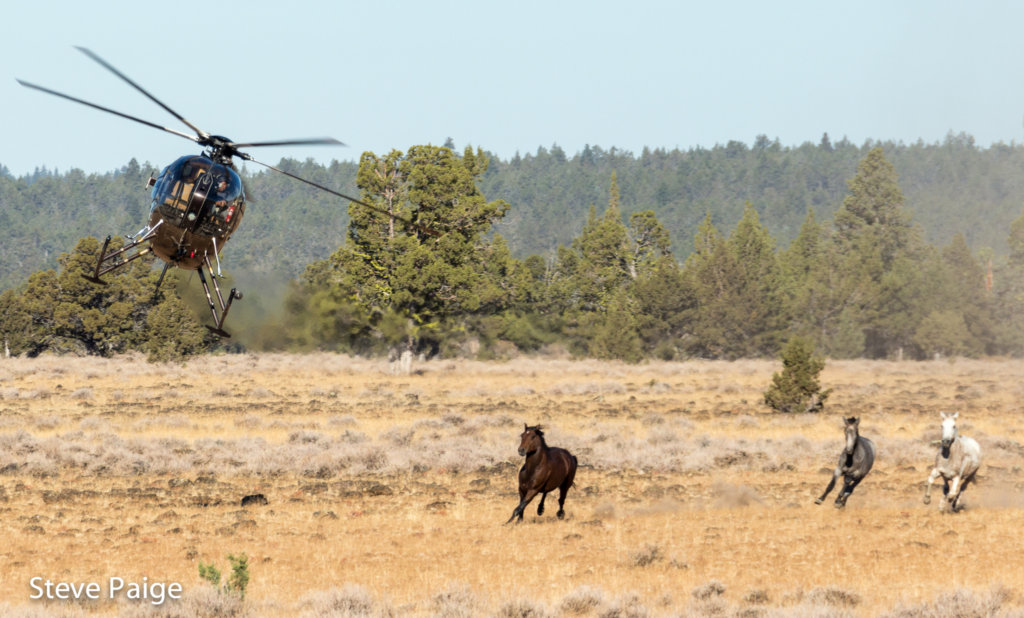
As Summer heats up, we take a look back at RTF's recent several months at a special Birthday, a successful grazing project, dedicated volunteers, and RTF's advocacy work both for wild horses and burros still running free—for now—on our public lands, and all horses threatened by an inhumane end.
Opening Day and Spirit's 30th Birthday
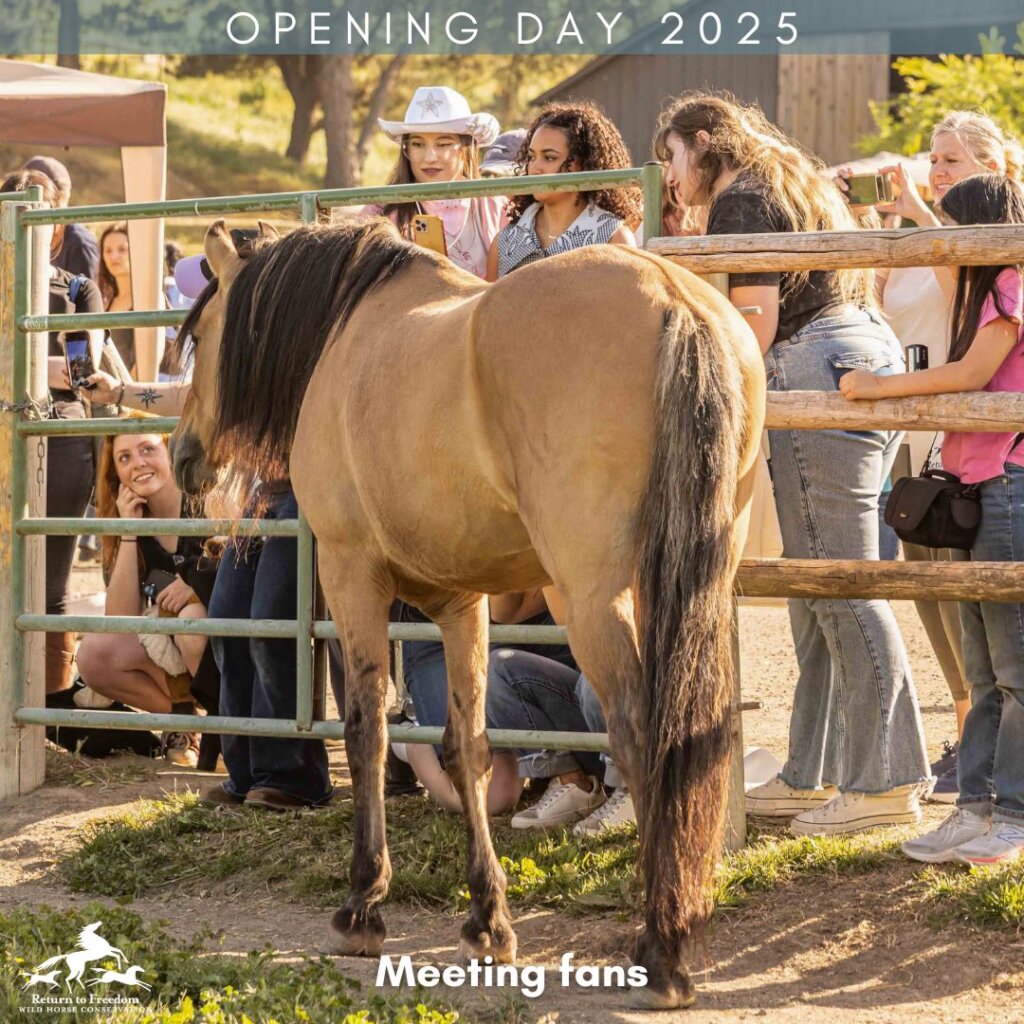
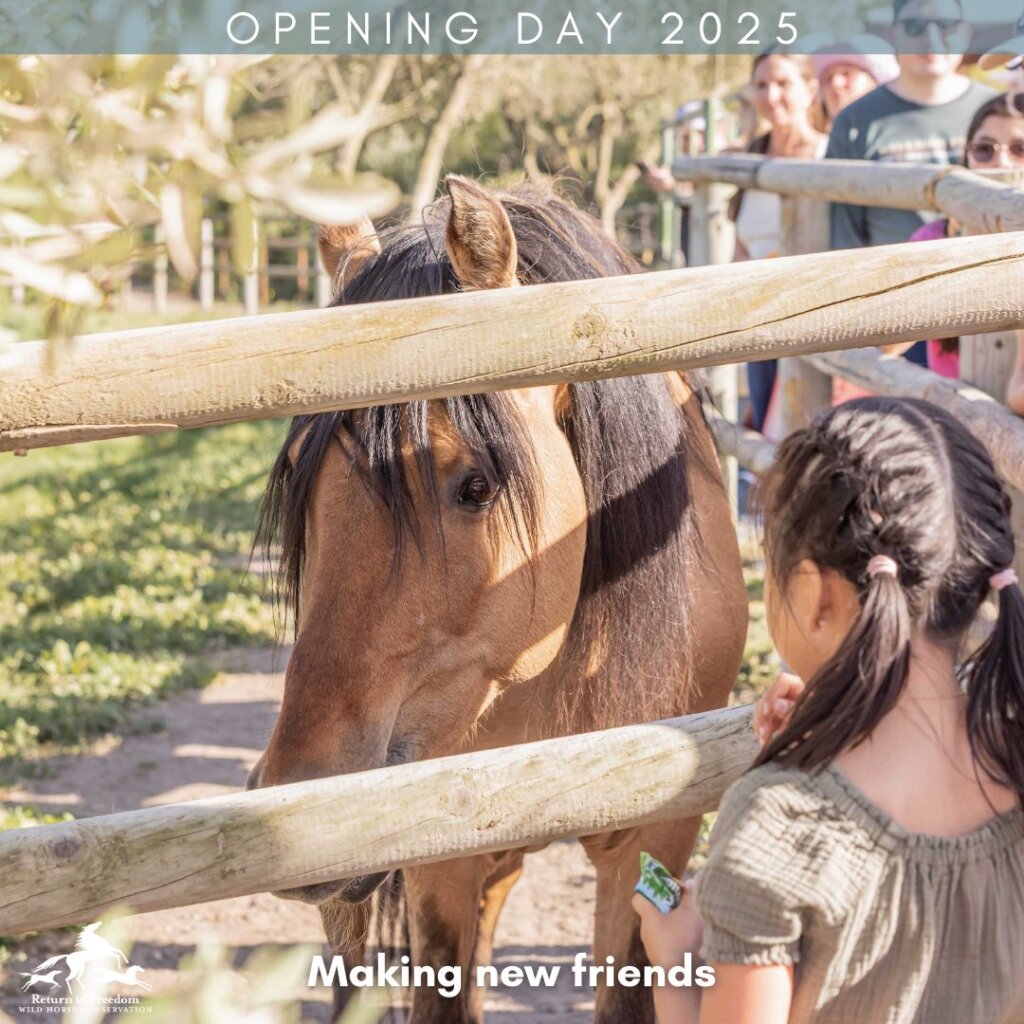
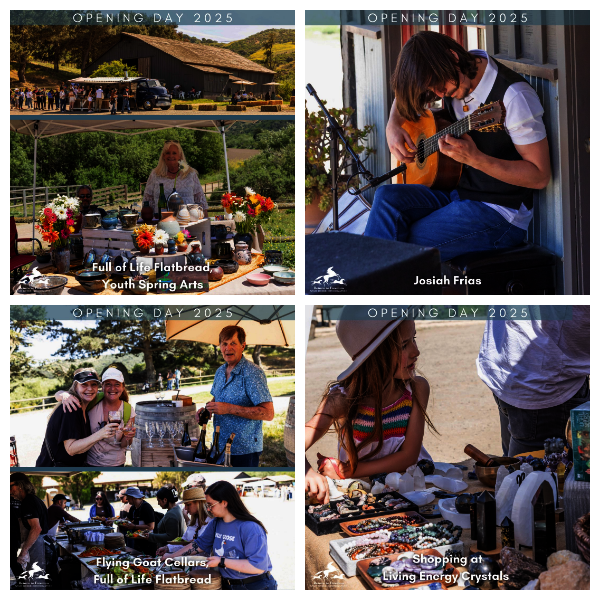
We’re so grateful to everyone who helped make our celebration of Spirit’s 30th birthday and the Opening Day of our 2025 program season so special!
More than 300 visitors from across the U.S. and around the world came to see Spirit and help us raise funds for the more than 460 wild horses and burros in our sanctuary’s care.
We were brought to tears listening to their stories of what this film and Spirit have meant to them. This movie, Dreamworks Animation’s “Spirit: Stallion of the Cimarron,” and this horse have affected so many so much, and have been transformative to so many lives!
Like the words written by screenwriter John Fusco, the story told by America’s mustangs and the film is about resilience, family, perseverance and determination.
A heartfelt thank you to:
special speakers Lorna Cook, “Spirit: Stallion of the Cimarron” co-director, and animator Peter Paul
flamenco guitarist George Quitin and classical guitarist Josiah Frias
Pete Crowheart for sharing a Native American blessing,
Miguel Lupiano for showcasing his horse training skills.
caterer Full of Life Flatbread
vendors Chris West Originals, Pureredy, Pacifica, Living Energy Crustals and Youth Springs Art,
silent auction donors Montecito Med Spa, Lash On Wax Off, Blossom Salon, Carole King, Walter Claudio Salon, Petrine Day Mitchum, Cindy Rackley, C.M. Burk Western Art, The Ballard Inn, Transcendence Wines, Babcock Winery, Essence Captured, Lumen Wines, Alamo Motel, Full of Life Flatbread, Sycamore Mineral Springs Resort and Spa,
product donors Flying Goat Cellars, Beckmen Vineyards , Sadie’s Bake Shop, Two Wolves Wine, @SadiesBakeShop, Two Wolves Wine, New Frontiers Natural Marketplace, Wild West Pizza, Farm Supply of Buellton, CA.,
lift supplier Sunbelt Rentals of Lompoc, CA.,
and our hard-working volunteers and staff!
One moment, especially, will never be forgotten—as Marina, an RTF equine assistant, led Spirit back up to his pasture on the hill, 300 visitors from all over the United States, Brazil, Canada, Australia, Poland and England sang happy birthday to this special horse who carries their dreams of a free, kind world.
———
Regenerative Grazing Project
Return to Freedom has worked with advisor Rodger Savory to implement regenerative grazing practices at its sanctuary with sustainable results. RTF sees properly managed grazing and holistic management as part of a long-term solution to restore our public lands.
While the majority of Americans are unaware that wild horses still roam some of the most desolate and remote areas in the West, for decades, the American mustang has been fighting for survival on the front lines of a battle over the use of precious natural resources—forage and water.
Long seen by ranchers as an invasive nuisance and competition with their livestock for forage and water, wild horses have suffered brutal persecution. In the 1950s and 1960s, the inhumane treatment they suffered was exposed.
For the past 26 years, RTF has been at the forefront of wild horse conservation, identifying and pioneering minimally-intrusive solutions at its sanctuary that can be implemented on the range for long-term herd management to keep wild horse and burro herds wild and free. As a solution-focused organization, RTF collaborates with a broad range of stakeholders including advocates, animal welfare organizations, sanctuaries, land owners, diverse associations, agencies and legislators.
RTF bases its work on guidance from leading scientists in genetics, ancient DNA research, proven safe and humane fertility control, and regenerative holistic land management.
At first glance, a program to restore the land at RTF's San Luis Obisbo satellite location may not sound as exciting as the rescue of an endangered wild herd.
But those two things are related in a way we need to understand, and this land experiment could be a key to our government valuing the presence of wild horses and burros on public lands, rather than blaming them for its destruction.
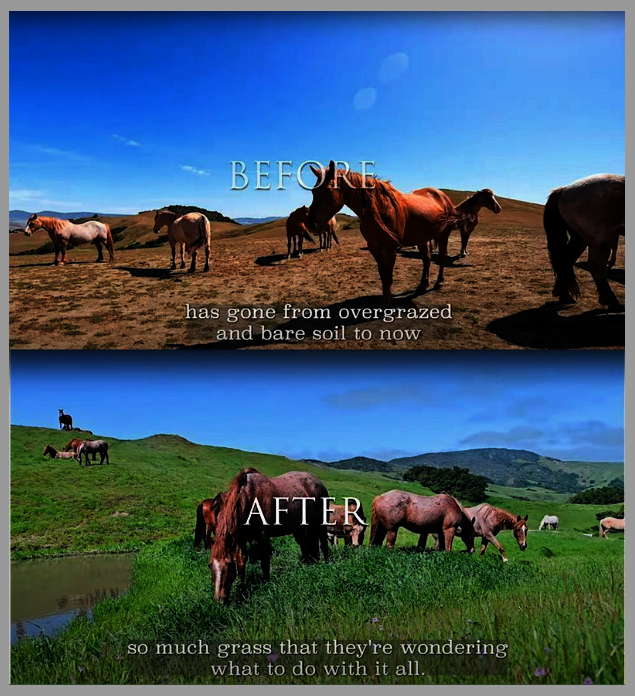
The immediate benefits to RTF are easy to see—what was once a parched landscape which couldn't provide enough forage for the horses, requiring heavy supplement with expensive hay, now bursts with more vegetation than they can eat.
Regenerative land management with horses and donkeys was initially developed and most commonly used for agriculture and livestock farming. In contrast, RTF has been pioneering the use of these techniques purely for restorative conservation—it's about healing the land, and that in turn brings far-reaching benefits for many stakeholders, including the horses, burros and other wildlife.
By using rotational grazing, moving horses from well-grazed areas and letting that land rest sufficiently to become healthy and vibrant with life again, we have shown that it's not the number of horses on the range, it's the management of the horses that make the difference,
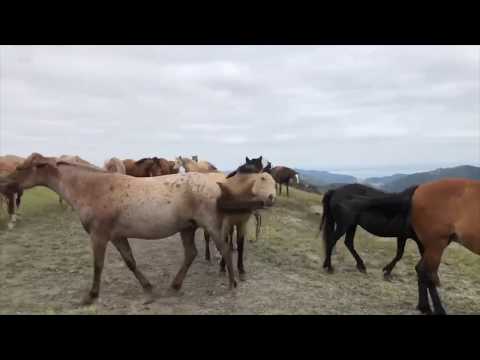
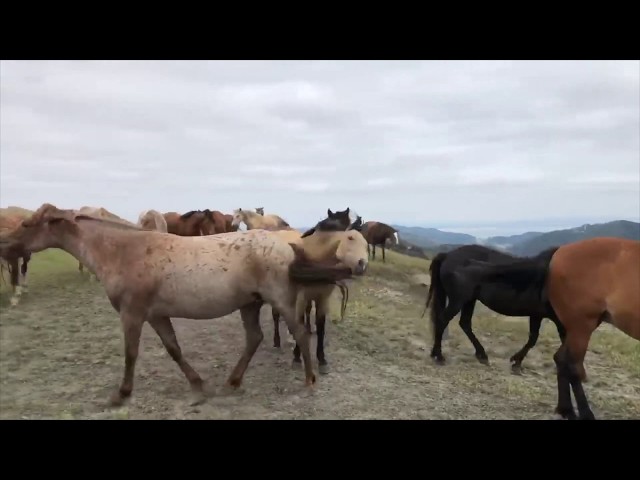
The horses, by moving constantly and spreading and trampling seed, replenish the land by their very nature. They are part of the solution, not the problem..
———
Volunteers
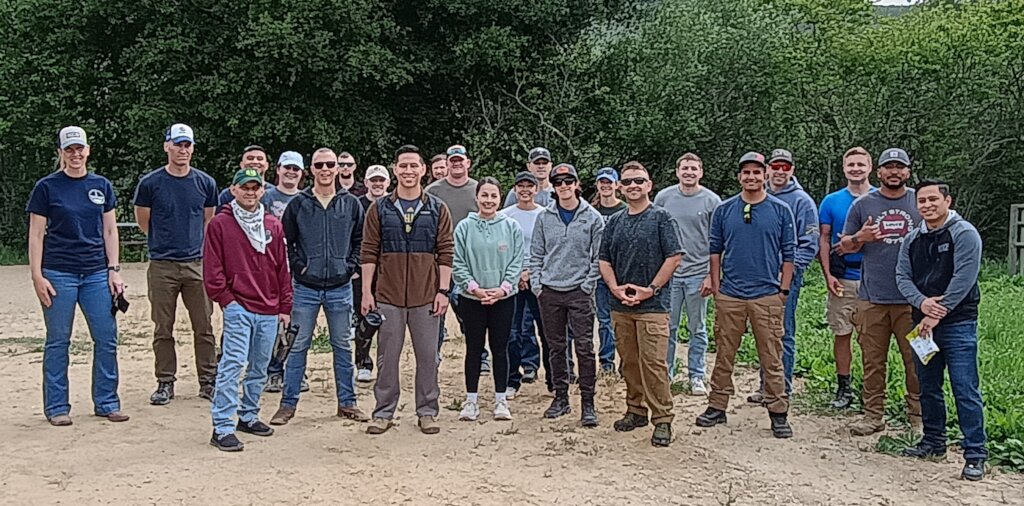
Each year Vandenberg Space Force Base sends RTF a crew of their own, and they work very hard to help out around our Lompoc Headquarters. We thought they deserved to be seen and appreciated by our supporters. Like all non-profit organizations, RTF depends on volunteers to augment the staff to get the hard work done, and we are so grateful to those who generously give their time and energy to help make this a great home for our hundreds of displaced wild horses and burros.
———
Wild Horse Advocacy
Litigation
Return to Freedom is now awaiting a ruling by the 10th Circuit Court of Appeals in a case crucial to the future of wild horses in southwest Wyoming. RTF is fighting the BLM’s decision to strip 2 million acres from wild horse use for the benefit of private ranchers in the Checkerboard, an unfenced area of alternating blocks of public and private land set up in the 1860s.
In March, we took part in a hearing before a three-judge panel in Denver. Our attorney (who represents RTF, Front Range Equine Rescue and two equine photographers) and those representing other wild horse advocacy groups collectively argued that the BLM had violated the Wild and Free-Roaming Horses and Burro Act and National Environmental Policy Act.
In August of last year, a federal district court judge ruled that the BLM did not violate federal laws when it decided in 2023 to amend its Resource Management Plan. The BLM’s primary stated reason for taking land out of wild horse use: it is difficult to create a barrier between public and private lands there.
In a separate ruling, the district court denied the ranchers’ request to force the BLM to immediately remove all of the Checkerboard’s wild horses or conduct a new management plan amendment process. We entered that case along with Front Range, Frederick and Rea to oppose the grazing association’s demands, and successfully defeated the ranchers’ lawsuit.
Horse slaughter
Return to Freedom continues to work alongside animal welfare and horse industry groups alike in the push for passage of the Save America’s Forgotten Equines (SAFE) Act. It would place a lasting ban on horse slaughter in the United States and bar the export of American horses for slaughter.
This important legislation was recently reintroduced in Congress. The new version (H.R. 1661 in the House, S. 775 in the Senate) has amassed 121 bipartisan cosponsors.
During the last Congress, 236 House members cosponsored the bill. Unfortunately, it was not put up for a vote.
In 2024, a total of 19,915 American horses were shipped to their deaths in Mexico or Canada. While those numbers are horrific, they represent a new low this century. The number of horses exported to foreign slaughterhouses has fallen almost 90% over the last decade.
The last domestic slaughterhouse closed in 2007. Since then, RTF and others have successfully lobbied Congress for annual funding bill language preventing the hiring of horsemeat inspectors. That’s created a year-to-year ban on slaughter here at home.
——
We wish you could have been there on Opening Day, singing Happy Birthday to a beloved horse—maybe someday you will visit RTF! But no matter what, it is people like you who have made all this possible, and who will achieve even more for wild horses and burros in the days to come.
Thank you!
To the Wild Ones, and Those who stand with Them,
All of Us at Return to Freedom
Links:
Project reports on GlobalGiving are posted directly to globalgiving.org by Project Leaders as they are completed, generally every 3-4 months. To protect the integrity of these documents, GlobalGiving does not alter them; therefore you may find some language or formatting issues.
If you donate to this project or have donated to this project, you can receive an email when this project posts a report. You can also subscribe for reports without donating.



Support this important cause by creating a personalized fundraising page.
Start a Fundraiser