By Team RTF | Project Leader
Dear Friend of Return to Freedom,
It's s cliche only because it's so true—we can't believe the year is going so fast! The past few months may have passed quickly, but as well as the daily never-ending work of caring for nearly 550 wild horses and burros, a lot of other activities were crammed into this short stretch of Time. Here are just a few...
A Fond Farewell For Now
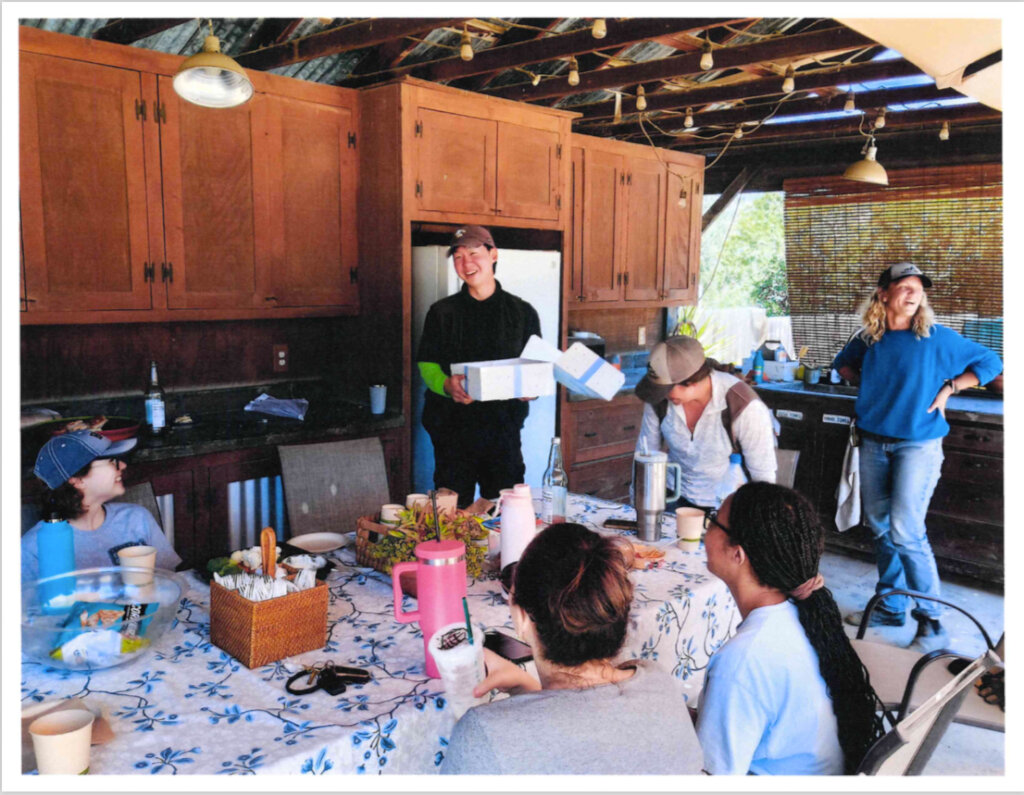
We'd like to salute our recent in-resident intern, Jae Hyeon Choi, from South Korea. Jae resided here and worked with RTF for four months, and he became an imortant part of this little team we call family.
We were all sad when he had to leave his internship on July 5th. His presence was invaluable and he always worked with a smile that lit up our day. We did get to celebrate his birthday before he left, and we've included a photo of our celebration. Jae captured our hearts and, we wish him only the best in his future adventures. Thanks, Jae!
Volunteers
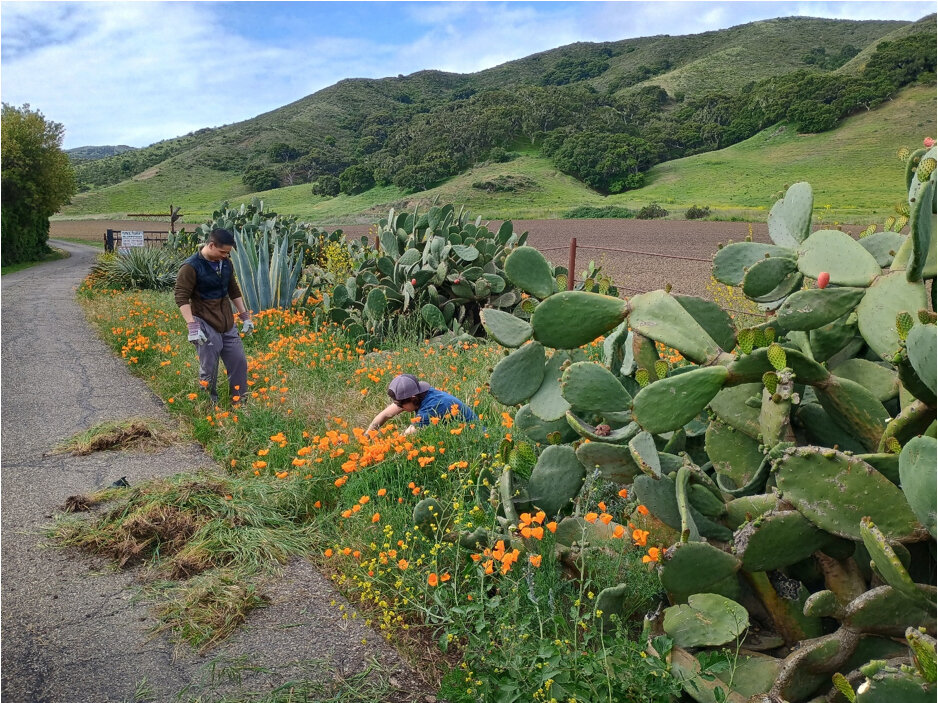
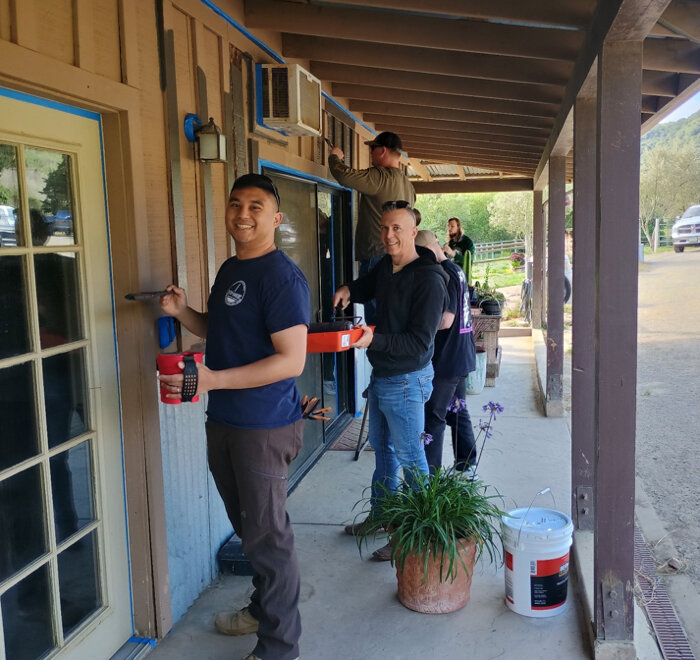
RTF has many fantastic volunteers, and we love them all. We also depend on them to keep RTF operating smoothly. Today we'd like to again thank our great volunteers who come here to help out from Vandenburg Space Force Base. We are always so grateful for their contributions and the work ethic they bring with them. They arrive with smiles on their faces and they leave still smiling. On a typical day they accomplish more in two and a half hours than we'd expect in a day—or even a week!
For example, in just one day they—
Getting these large and laborious tasks done so quickly and with such cheerful enthusiasm, is a relief to us, you'd better believe it—looking over the place after they'd finished was like seeing a miracle!
If you live nearby or are traveling and would like to add an RTF Volunteer Day to your schedule, more Volunteer opportunities are always upcoming, including our weekly Volunteer Day every Saturday. To participate in a Volunteer Day; please contact: volunteers@returntofreedom.org. to make arrangements.
Bringing the Issues to the Horse-loving Public
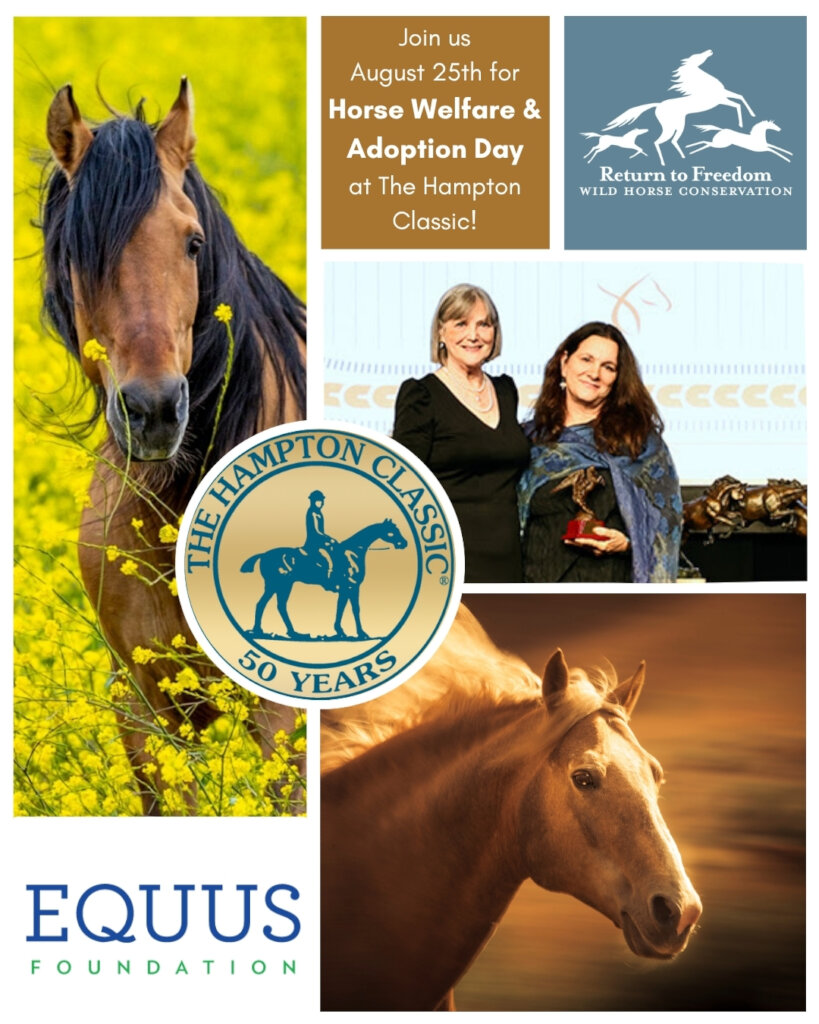
In August, Return to Freedom participated in the Horse Welfare and Animal Adoption Day in Bridgehampton, N.Y.
Presented by the EQUUS Foundation and sponsored by Georgina Bloomberg, Adoption Day includes horse rescue groups as well as dog and cat shelters.
We participated as part of the EQUUS Foundation Alliance. We’re grateful to the foundation for its shared dedication to protecting all of America’s horses.
The event gave us with a chance to speak about advocating for more humane wild horse management and the need to ban the export of domestic and wild horses to foreign slaughterhouses.
We found that those in attendance were alarmed to learn about the challenges wild horses still face and eager to help.
The federal Bureau of Land Management oversees an agency-estimated 73,000 wild horses and burros and the U.S. Forest Service about 8,000 more in 10 Western states.
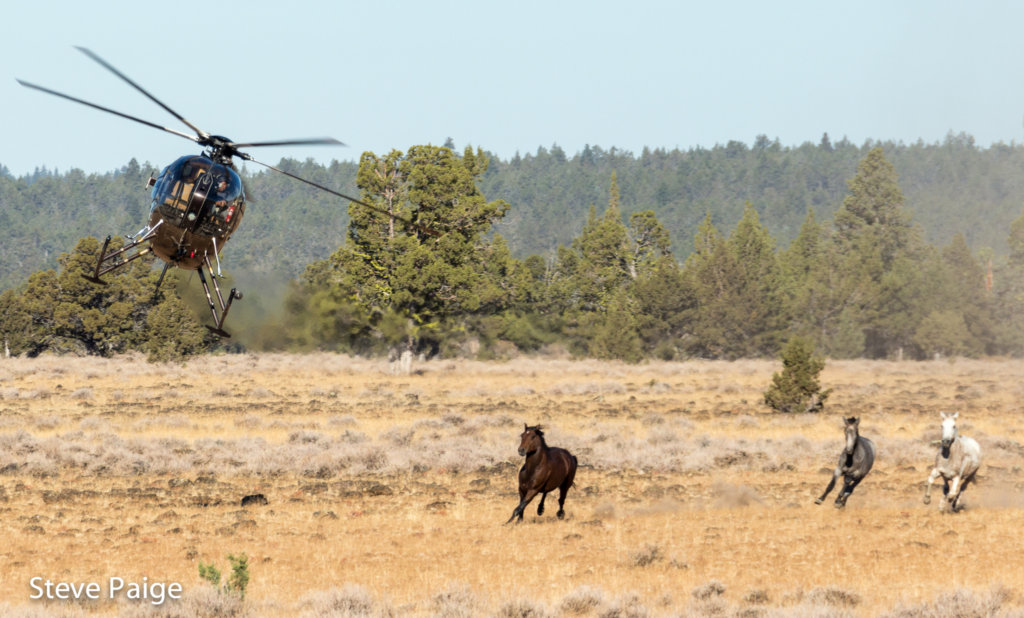
Both agencies have for decades tried and failed to meet the population goals that they’ve set through capture and removal in helicopter roundups, rather than by using proven, safe and humane fertility control to stabilize herd growth.
As a result, 62,000+ wild horses and burros now languish in off-range government corrals or on leased pastures, not on their home ranges.
Horses and burros that the government adopts out or sells are placed at risk of suffering and dying in a foreign slaughter pipeline that Congress has yet to close down.
RTF Advocacy
1. Battling for Wyoming's wild herds
Return to Freedom and our co-plaintiffs, Front Range Equine Rescue and photographers Angelique Rea and Meg Frederick, were among those that prevailed in federal appeals court rulings in July affecting wild horse Herd Management Areas in Southwest Wyoming. The court found that the Bureau of Land Management violated the law when it decided to take away 2 million acres from wild herds. The ruling also delayed a planned helicopter roundup until at least next summer.
What’s next: Prepare to face off with the BLM in District Court, where a judge must determine a remedy or whether the BLM’s plan amendment for that area of Wyoming should be vacated entirely. A status conference is set for Oct. 7, where the judge is expected to define further details of the proceedings.
2. Ensuring protections against lethal management
The president’s Fiscal Year 2026 budget proposal left out standard protections that bar the BLM from using the killing of healthy wild horses as a management option. It also called for a 25% funding cut that would have placed the lives of 63,000 captive wild horses at even greater risk. RTF and other organizations successfully lobbied House and Senate Subcommittees that included the protective language in their Interior appropriations bills. Both kept wild horse funding flat even as many federal programs are being slashed.
What’s next: Call on Congress to pressure the BLM to stop stalling the use of proven, safe and humane fertility control that can replace capture and removal as the agency’s main management tool.
3. Keeping horse slaughterhouses closed
During the first seven months of 2025, 12,194 American horses were shipped to Mexico or Canada for slaughter— a 25% increase from the same period last year after years of steadily declining export numbers. RTF and its colleagues successfully advocated for the inclusion of Agriculture appropriations bill language stopping the U.S. Department of Agriculture from using tax dollars to hire horsemeat inspectors. The addition of such language to funding bills has created a year-to-year ban that has kept new horse slaughterhouses in the United States from opening since 2007, when the last one closed.
What’s next: Advocate for passage of the bipartisan Save America’s Forgotten Equines (SAFE) Act. The bill would place a lasting ban on horse slaughter and close the foreign slaughter pipeline currently has 166 House cosponsors. We’re also lobbying to add the anti-slaughter SAFE Act language to the Farm Bill, a comprehensive agriculture and food funding bill renewed about every five years.
4. Preventing the sale of public lands
A provision in the “One Big Beautiful Bill Act,” a Fiscal Year 2025 budget reconciliation bill, would have forced federal agencies to sell off up to 3.3 million acres of our shared public land. Millions of acres of public land could have been on the chopping block — including land set aside for wild horses and burros. Public blowback resulted in the provision being scrapped before the bill passed.
What’s next: Continued vigilance regarding efforts to sell off public land. Opposing a planned repeal of the 2001 Roadless Rule, which protects 60 million acres of public land from development.
———
We are so grateful for the people like you who not only keep RTF's nearly 500 displaced wild horses and burros fed , healthy and happy, but give RTF the ability to advocate for justice for the wild equines still running free on our public lands. We never forget who makes all of this possible. Thank you!
To the Wild Ones, and Those who stand with Them,
All of Us at RTF
Links:
Project reports on GlobalGiving are posted directly to globalgiving.org by Project Leaders as they are completed, generally every 3-4 months. To protect the integrity of these documents, GlobalGiving does not alter them; therefore you may find some language or formatting issues.
If you donate to this project or have donated to this project, you can receive an email when this project posts a report. You can also subscribe for reports without donating.



Support this important cause by creating a personalized fundraising page.
Start a Fundraiser