By Roberta Ward Smiley | President and Founder, La Reserva Forst Foundation
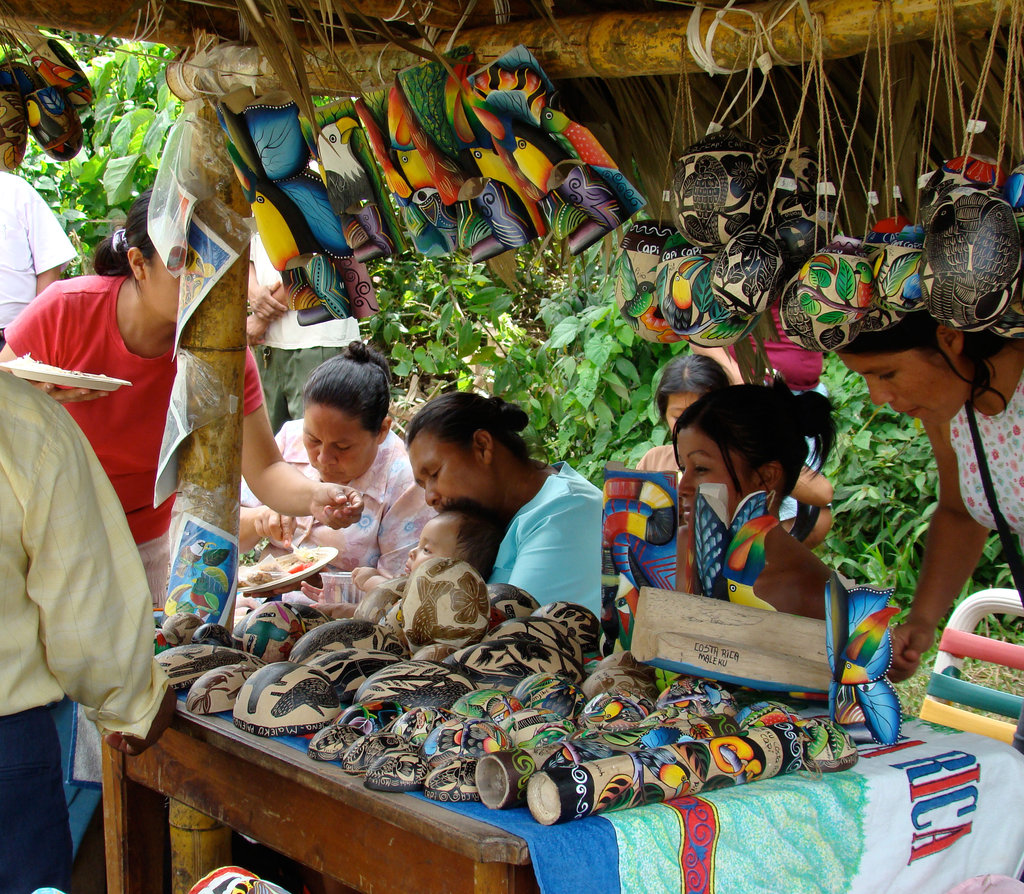
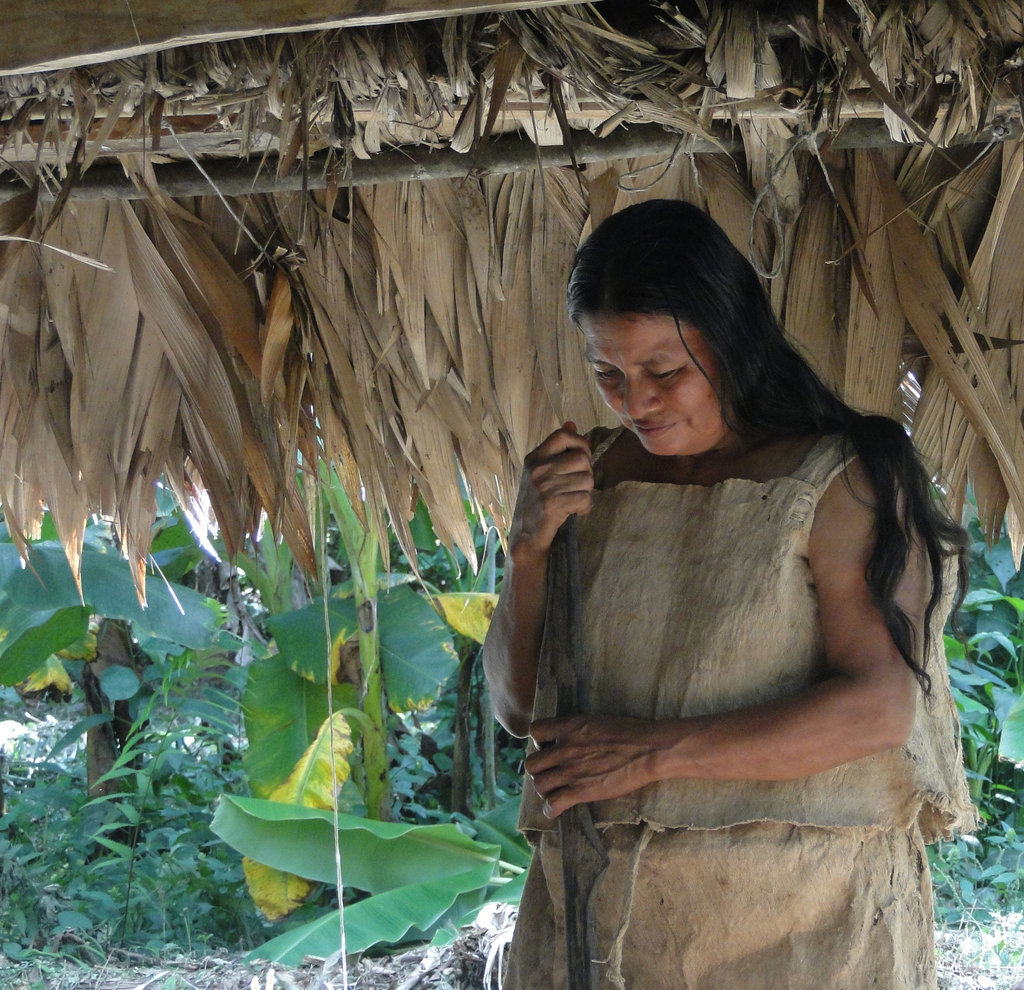
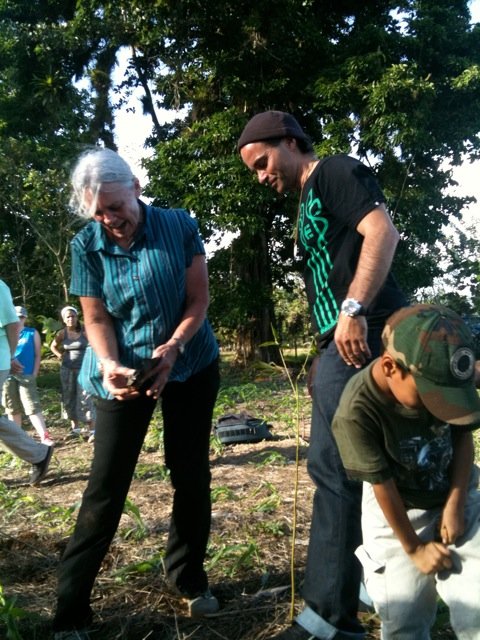
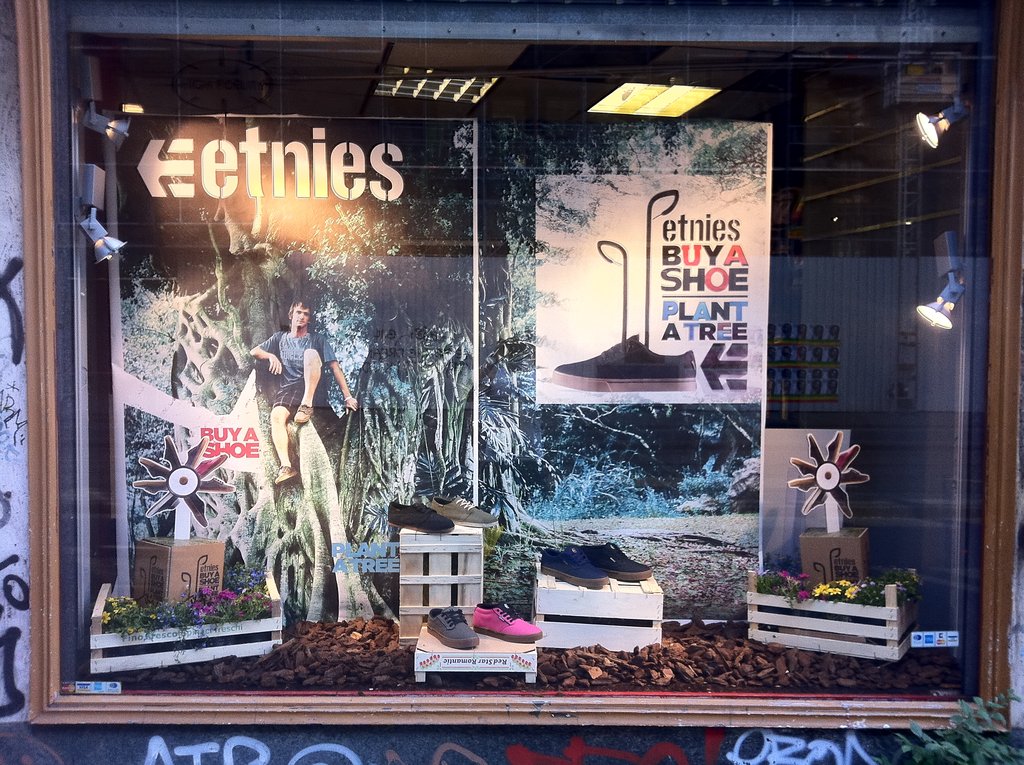
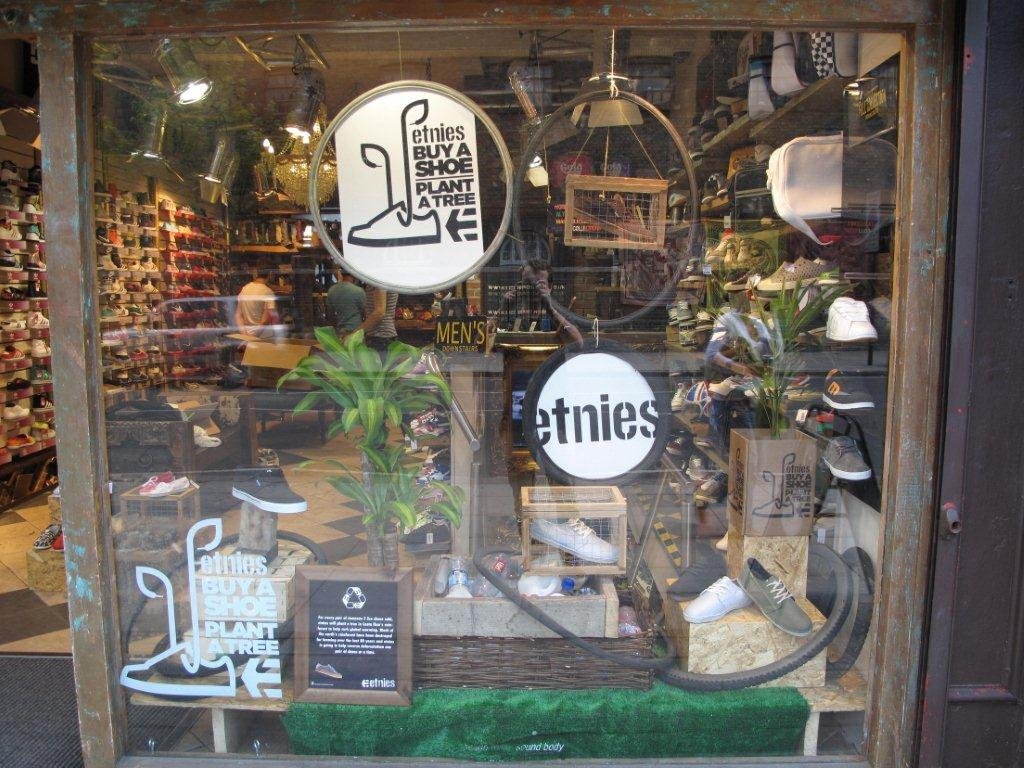
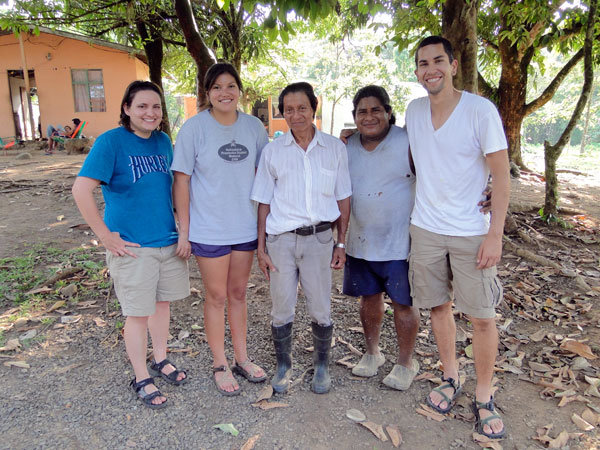
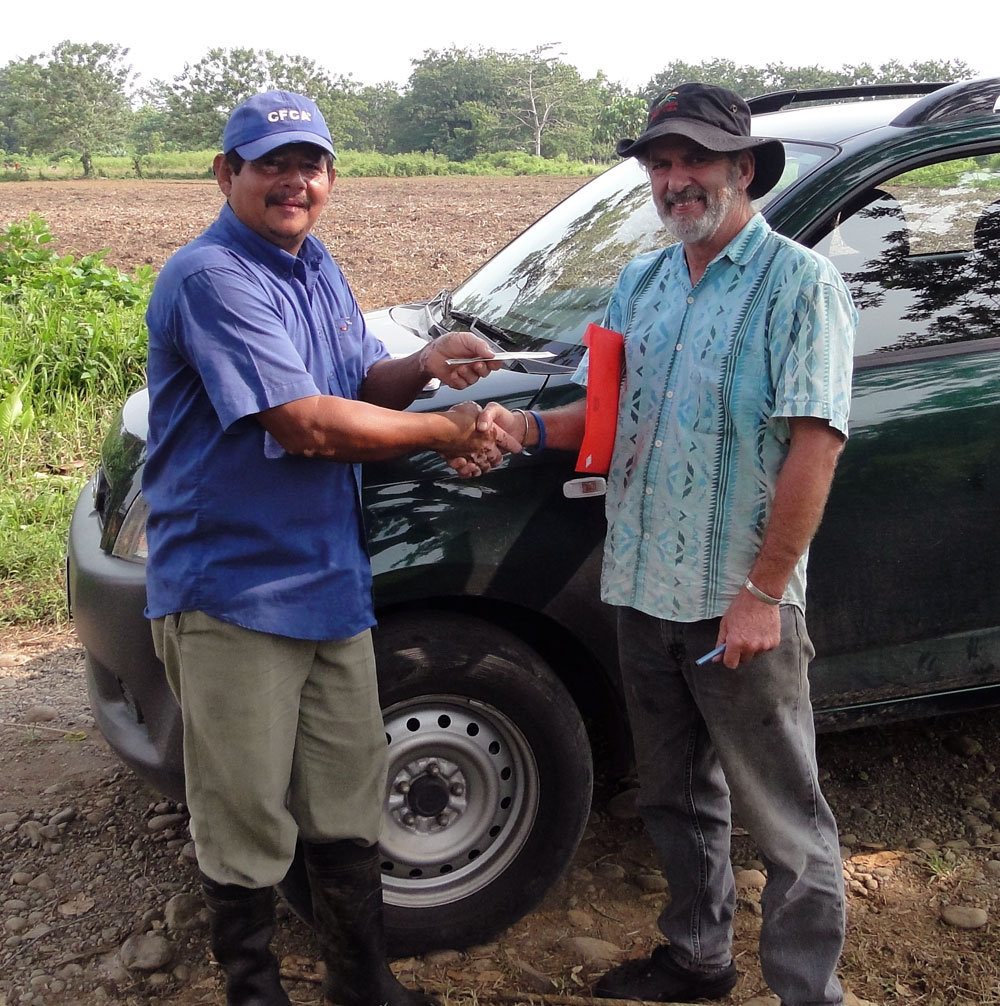
March 18, 2011 - LRFF, the Maleku people and etnies shoes (Sole Technology) inaugurated the Buy a Shoe, Plant a Tree campaign (BASPAT) for the Rio Sol Biological Corridor with a grand event and ceremonial tree planting.
June 2011 - Since the inauguration etnies has been promoting the BASPAT campaign all around the world.
January 2011 - LRFF has agreed via a formal contract to provide a minimum of $10,000 toward the planting of the Rio Sol project. To date we (LRFF/CR and LRFF/US) have donated approximately $7600. We have received, to date, three installments from Sole Technology totaling $8750. These installments are paid to the LRFF/US office in Houston and are disbursed to LRFF/CR as needed for the project. The Rio Sol project is also listed on the Global Giving philanthropic website where donors from around the world may donate. We have now accumulated more that $15,000 (see the Rio Sol expense sheet for deposits) of the $61,000 needed to finish the project.
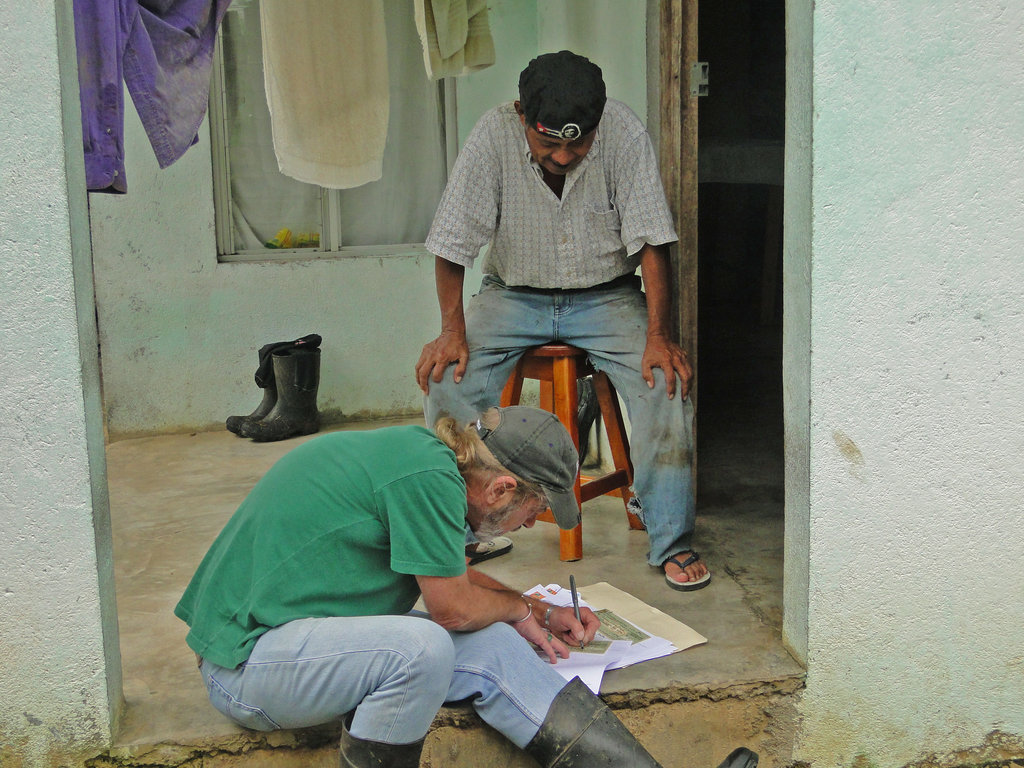
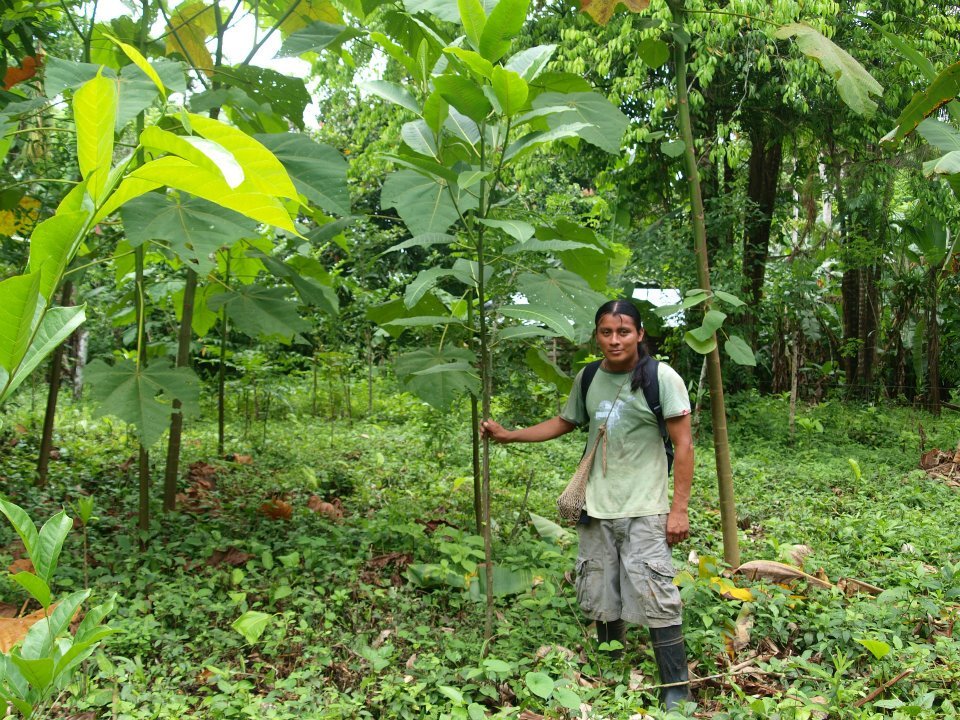
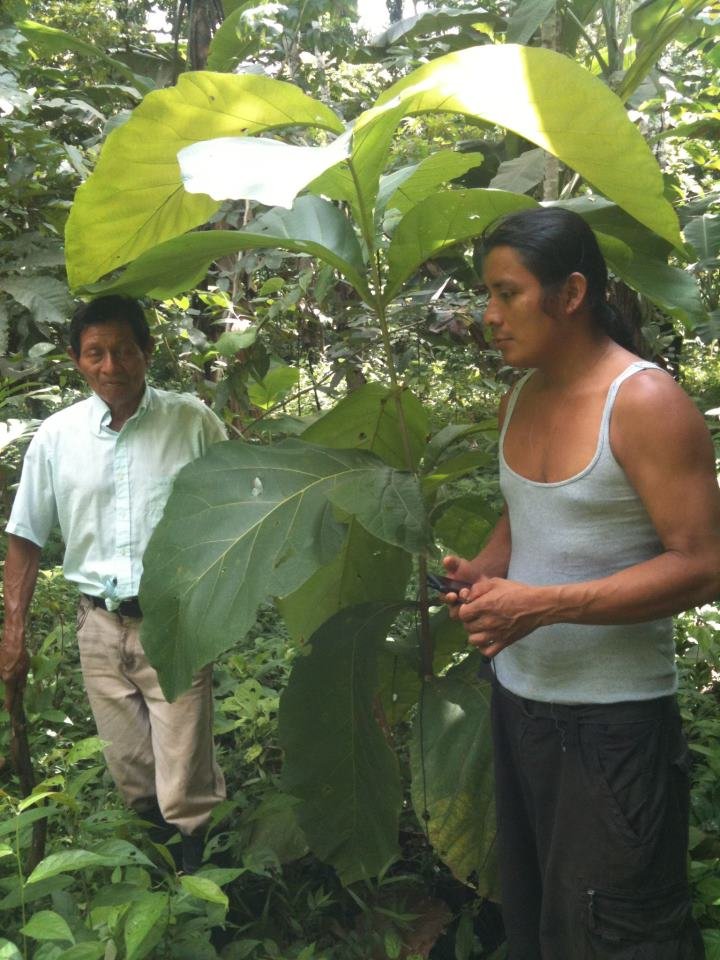
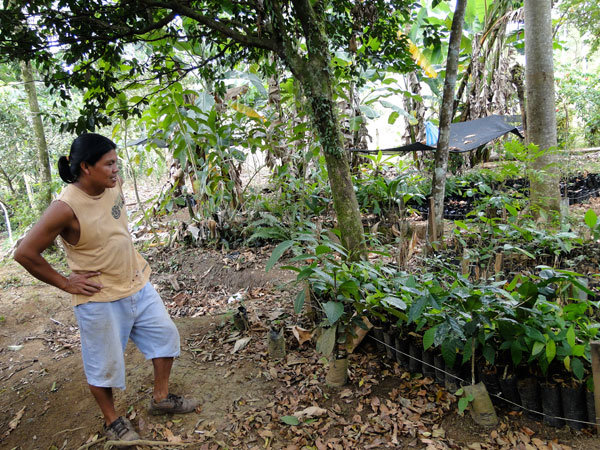
January 2011 - we began approaching landowners along the Rio Sol and within the Maleku Reserve about participating by allowing us to reforest areas of their properties. The landowners that were interested were given bags and instructed on how to collect baby trees and build their own nurseries so that in June LRFF/CR could buy the trees in each landowners nursery at .50 (USD) per tree to be planted in the project. For example, if a landowner wanted to participate with 1 hectare we asked him to plant a nursery of 1000 trees. We always plant a minimum of 1000 trees per hectare of 80+ species.
March 2011 - For this first stage of the Rio Sol project we ended up with 13.75 hectares to be planted with six different landowners.
May 24,, 2011 - LRFF/CR did an inventory of all the participating landowners nurseries to make a count of the number of species and how many trees would be available for the planting of this first stage scheduled to start on the 30th of May.
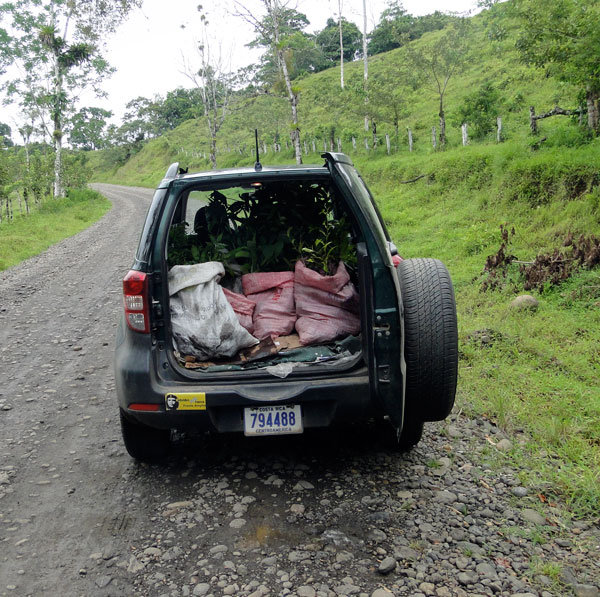
May 25, 2011 - The next day we did an inventory of the La Reserva nursery and found that we had enough trees to start planting on the scheduled day. The final inventory was 113 native tree species and 14,000+ trees.
May 26, 2011 - we paid all of the landowners for the trees in their nurseries and made plans to begin planting at Franklin Mojica’s farm in Palenque Tonjibe first.
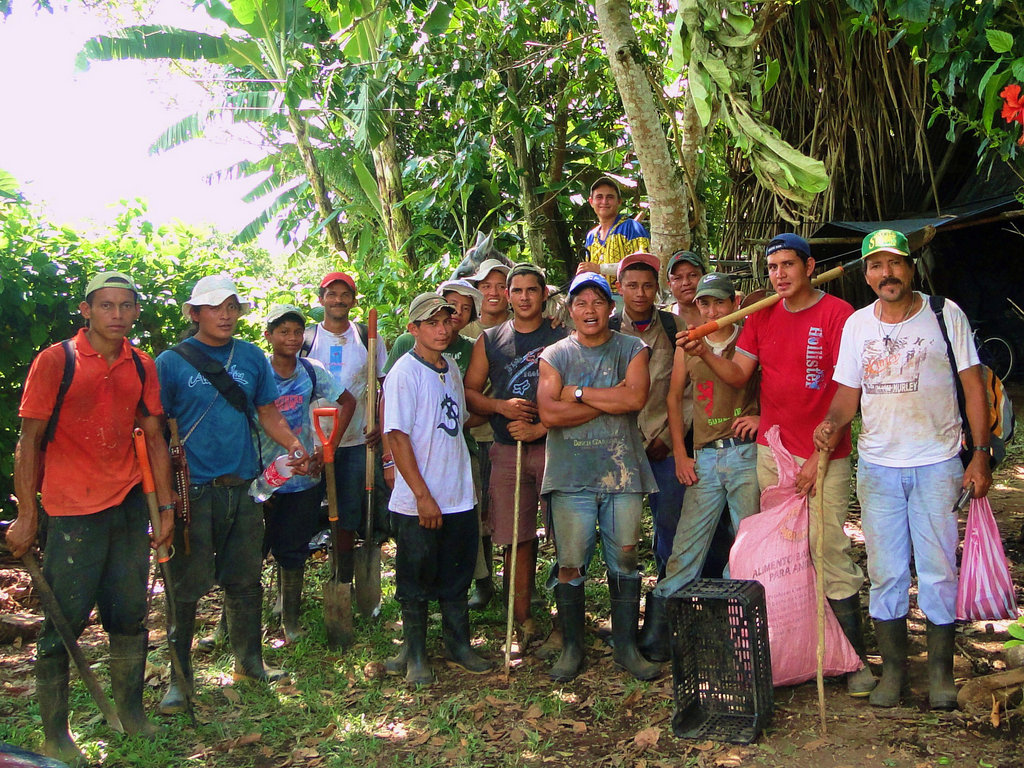
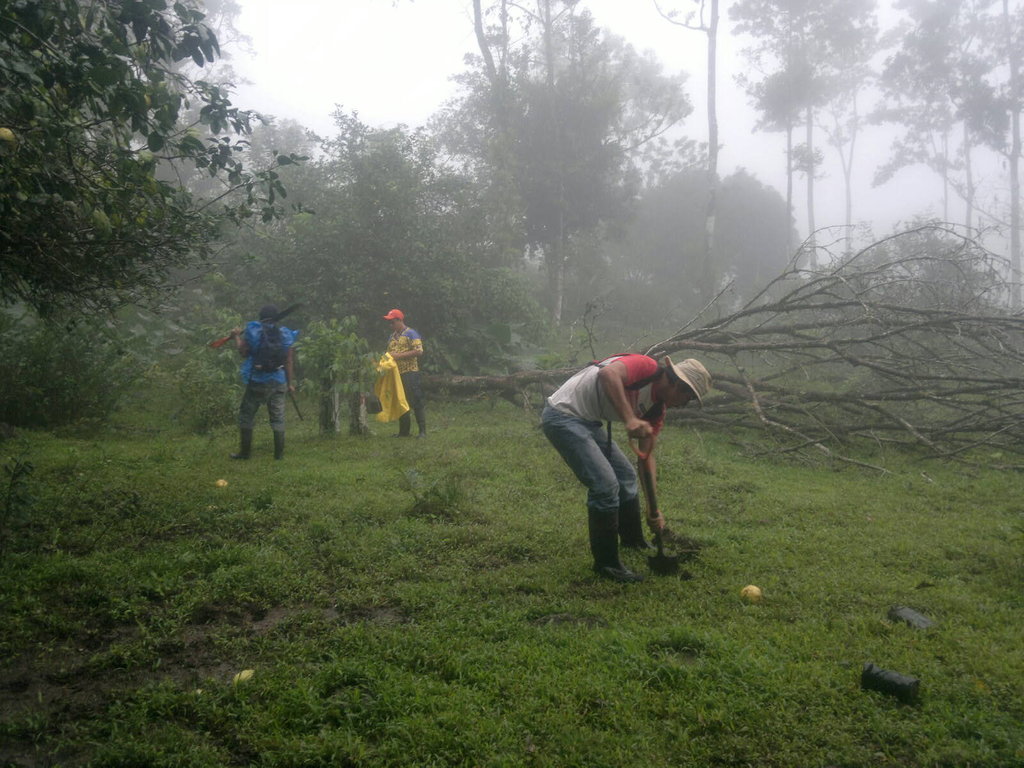
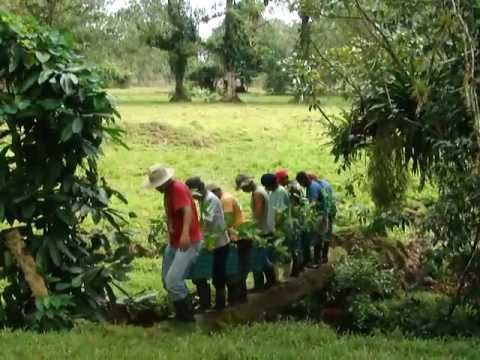
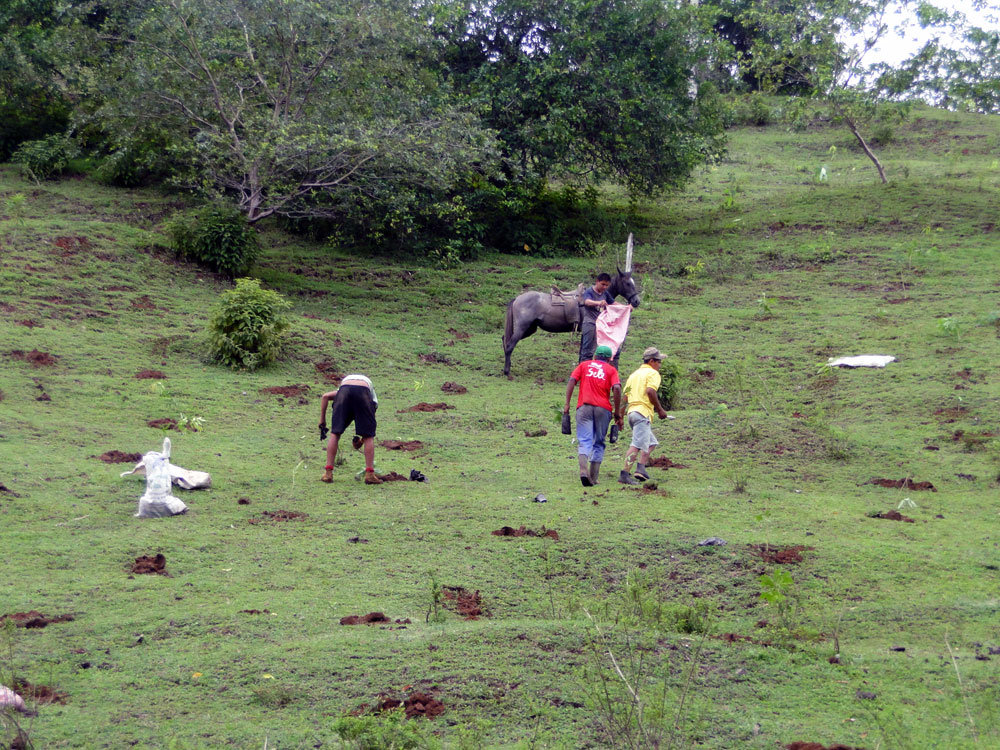
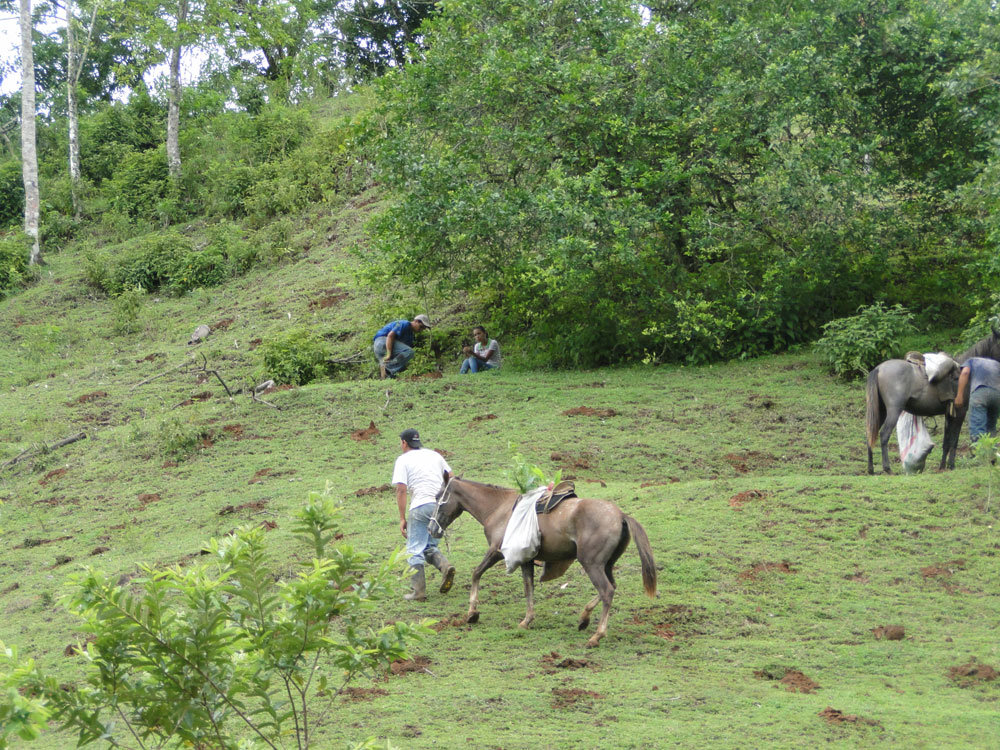
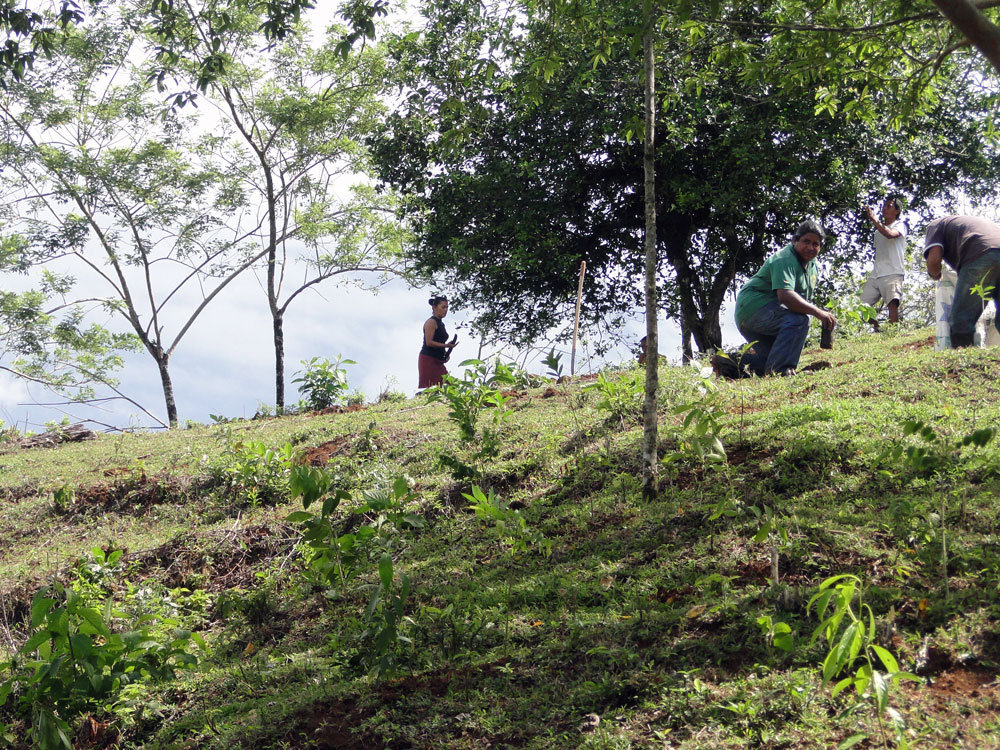
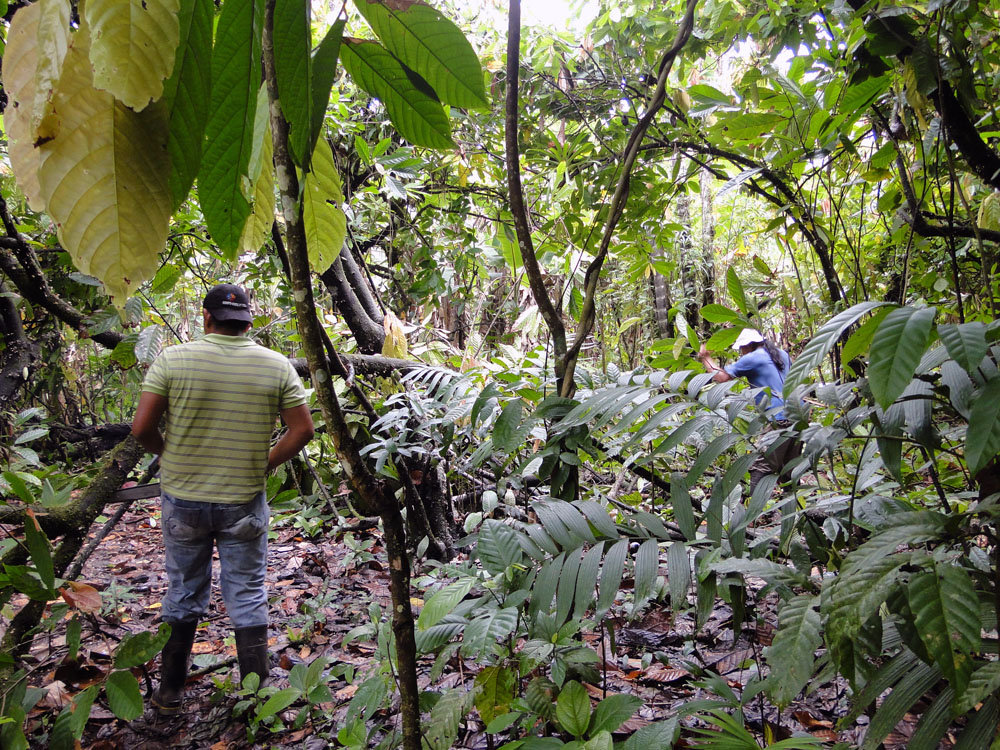
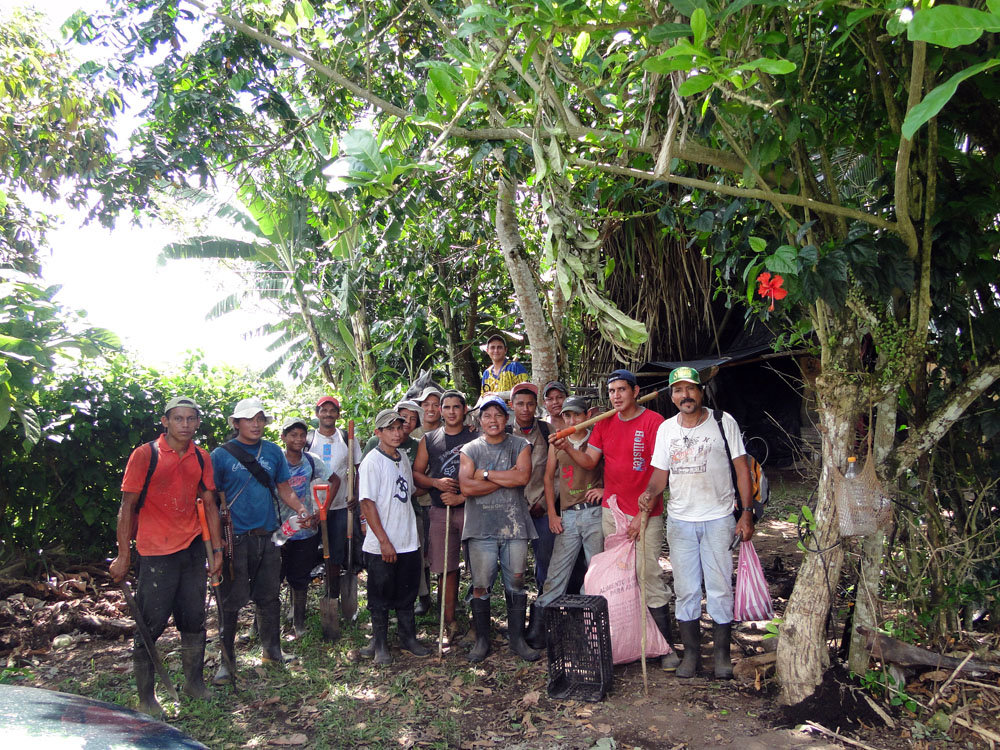
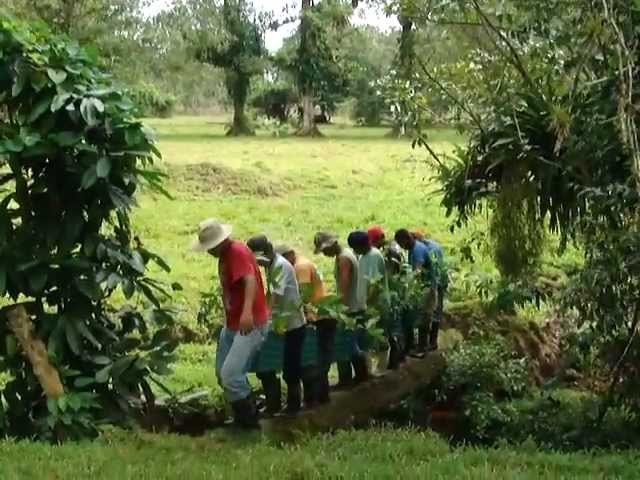
Monday, May 30, 2011 – The “team” of about 16 Maleku everyday workers, Daniel Spreen Wilson (supervisor) and Omar Muñoz (field manager) began planting the Mojica property of 4 hectares. They finished this property on Thursday afternoon after planting 5000 trees.
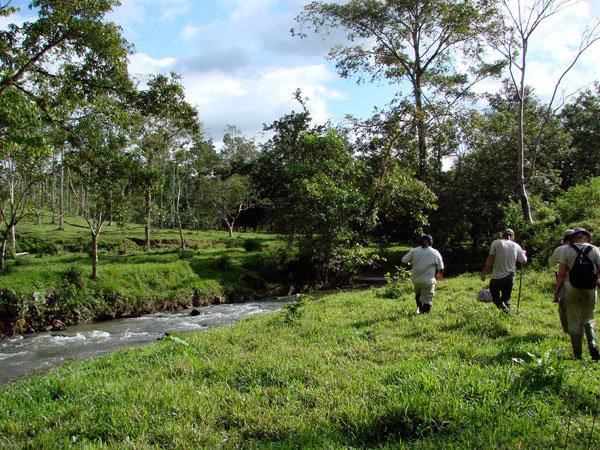
Friday, June 3, 2011 – The “team” planted Julio Tinoco’s 1 hectare area in Palenque Sol along the Rio Sol with more than 1000 trees.
Monday, June 6, 2011 – Planting began on Alex Vela Vela’s 3.5 hectares area along the Rio Sol. The planting team planted 3500 trees by late Tuesday morning and began planting on Chino’s 3.75 hectares. They finished Chino’s farm on Wednesday and went to Isidro Acosta’s farm in Palenque Margarita and began preparing the area to be planted.
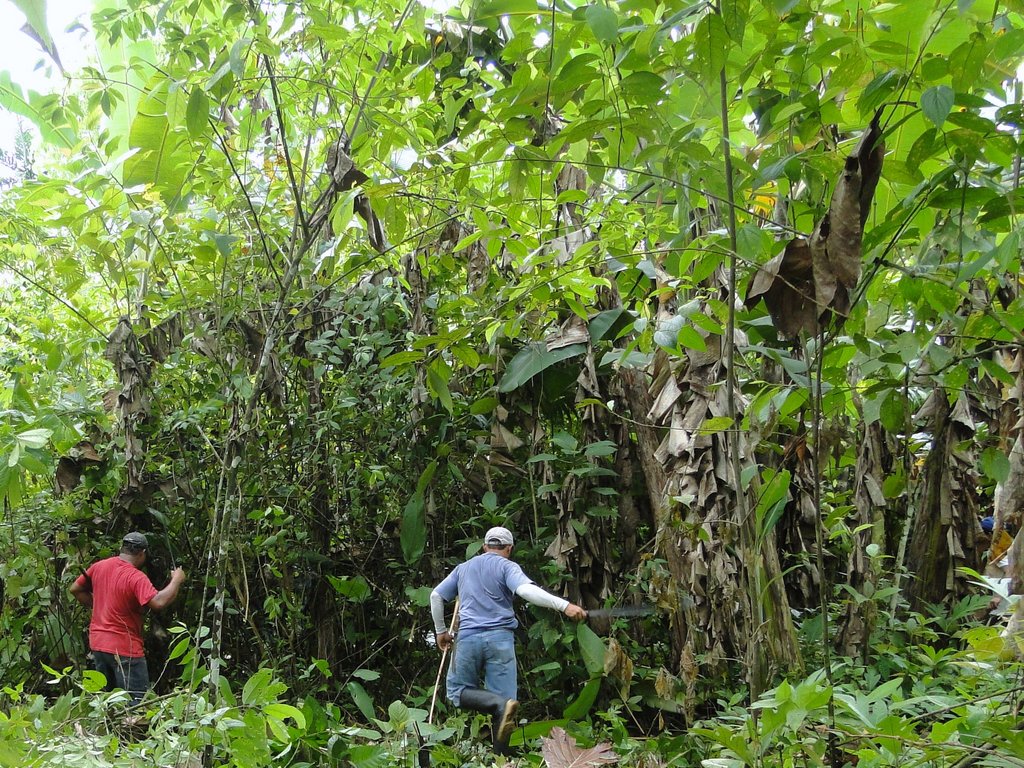
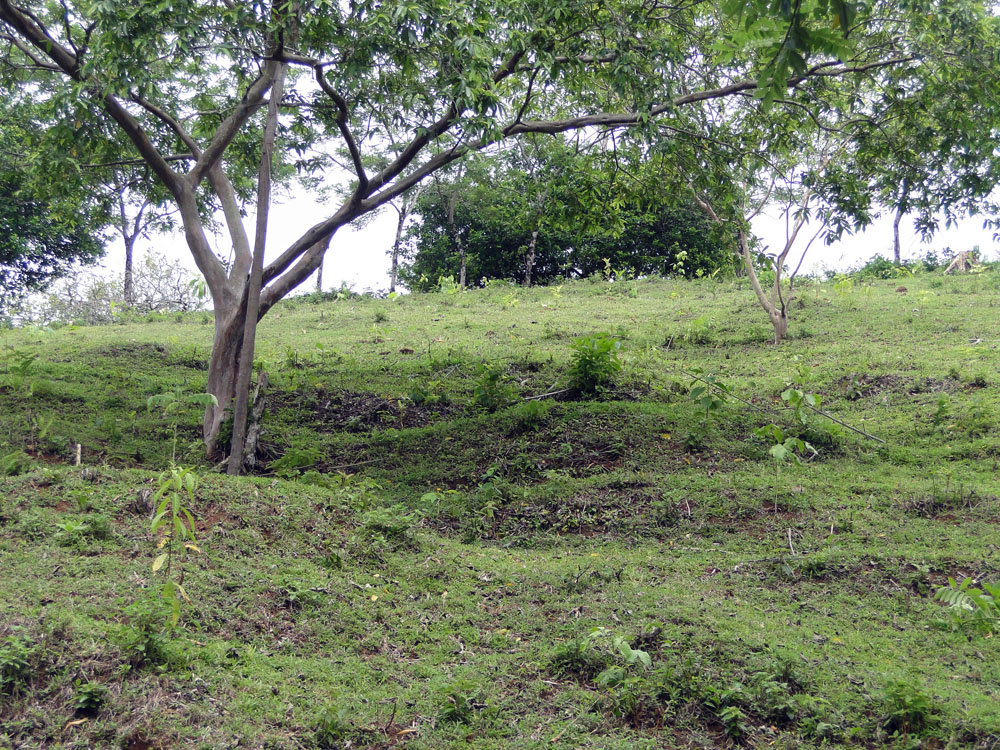
Thursday, June 9, 2011 – The team chopped with machetes the one hectare area of Isidros’s and began planting more than 1000 trees. On Friday they finished planting the last 400 trees. Daniel drove by to see how the trees were doing at the Mojica property, planted the week before. He took a photo and said he’s never seen trees doing so well.
Monday, June 13,2011 – The last property, Belmer Blanco Blanco’s, of ½ hectare will be planted. Fence must be built and an alley way for the cattle to reach the Rio Sol to drink but the team estimates they will finish the same day or early on Tuesday.
The maintenance of this first stage of the Rio Sol Biological Corridor project will begin in two months, August, and will continue for the next two years. Now we must go to work finding more participants and funding to accomplish the second stage of the project, another 21 hectares. Will you help us to.................
Keep Planting?!
Project reports on GlobalGiving are posted directly to globalgiving.org by Project Leaders as they are completed, generally every 3-4 months. To protect the integrity of these documents, GlobalGiving does not alter them; therefore you may find some language or formatting issues.
If you donate to this project or have donated to this project, you can receive an email when this project posts a report. You can also subscribe for reports without donating.