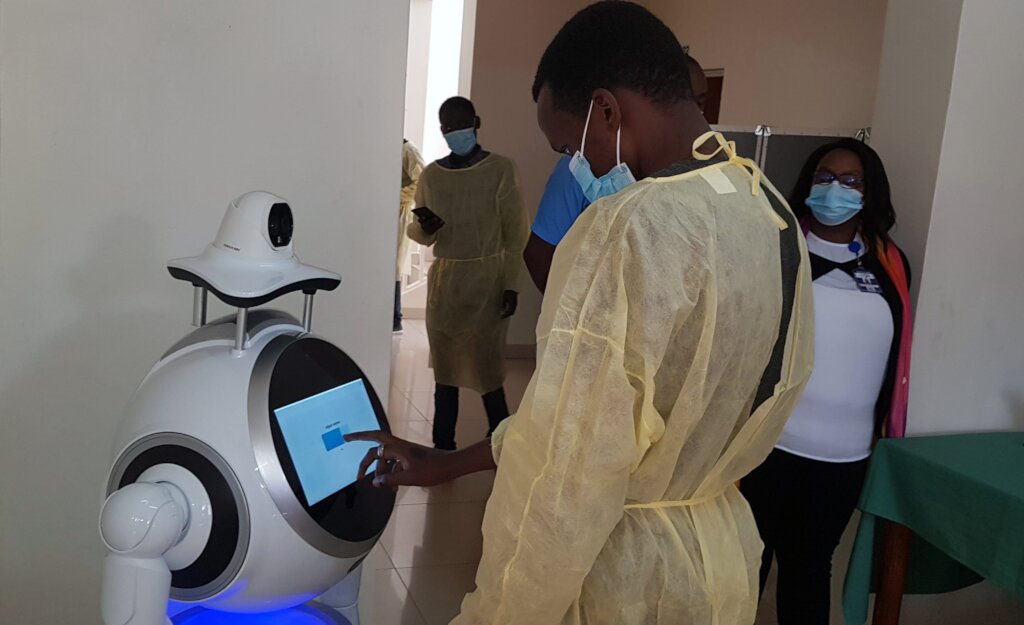
Nigeria faces a shortage of trained health workers in modern medical technology, with fewer than 4 doctors per 10,000 people and limited exposure to robotics in surgery and care delivery. This project will train 500 doctors and nurses in robotics, improving their technical skills and readiness to adapt to global medical standards. With growing demand for safe and precise care, timely training will prepare them to use new tools that can save lives and reduce errors.
Most doctors and nurses in Nigeria are not exposed to robotics training, limiting their ability to use advanced tools that are now standard in many countries. The lack of knowledge creates gaps in surgery, diagnostics, and care delivery. Nigeria's health workforce is already overstretched, and without exposure to modern technology, the gap in safe care widens. Patients risk delays, avoidable errors, and reduced trust in health systems when technology-driven care is not available.
This project will organize robotics training for 500 doctors and nurses through workshops, simulation labs, and guided practice. Participants will learn how robotics can assist in surgery, patient monitoring,and repetitive tasks, reducing strain on staff.The training will combine classroom instruction with practical exercises to build competence.By creating a pool of health workers familiar with robotics, hospitals will have better prepared staff ready to adopt technology as it becomes available
Trained doctors and nurses will strengthen Nigeria's medical capacity by introducing robotics-based care into hospitals. Their new skills will help reduce surgical errors, improve patient safety, and shorten recovery times. Over time, this pool of trained workers will serve as trainers for others, expanding knowledge across the system. Hospitals will also be more prepared to adopt robotic equipment, placing Nigeria on track to keep pace with international standards in healthcare delivery.



Support this important cause by creating a personalized fundraising page.
Start a Fundraiser