By Amber | Karama volunteer
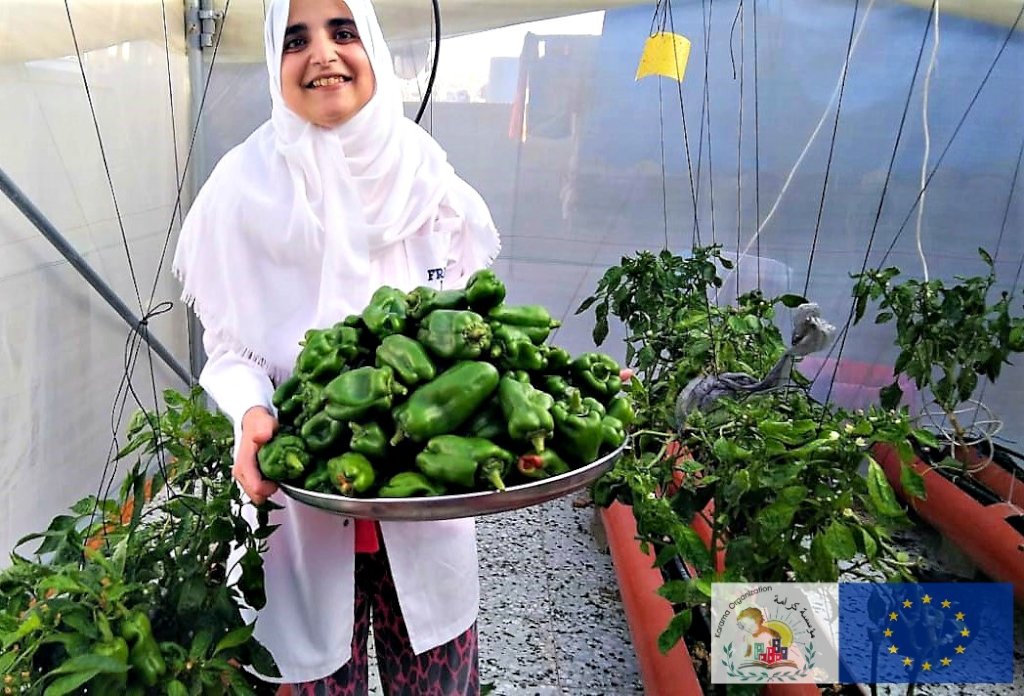
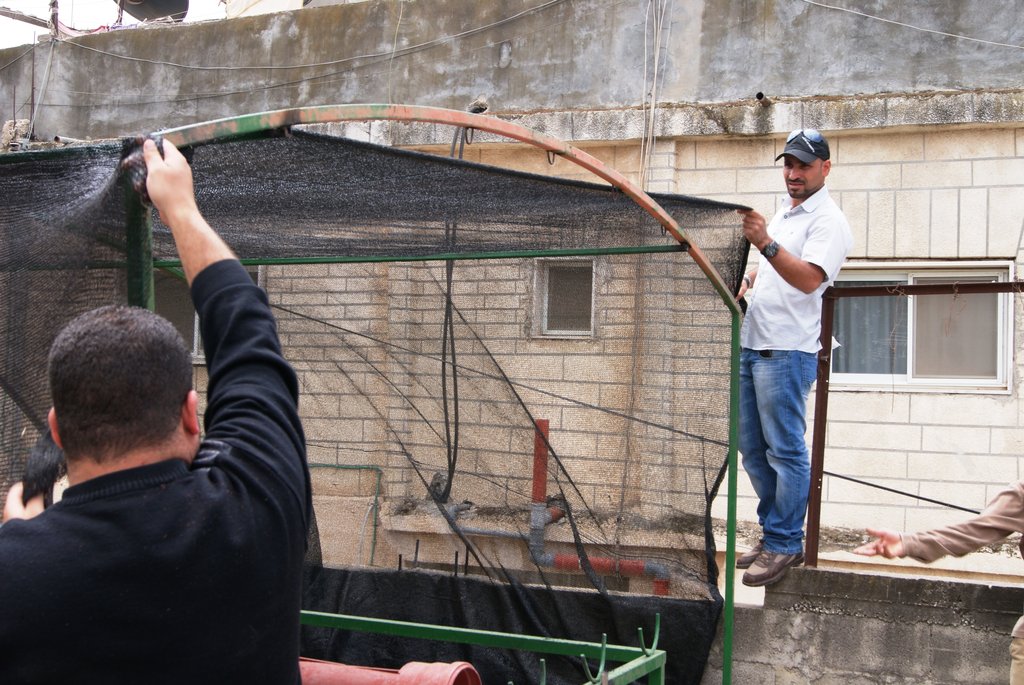
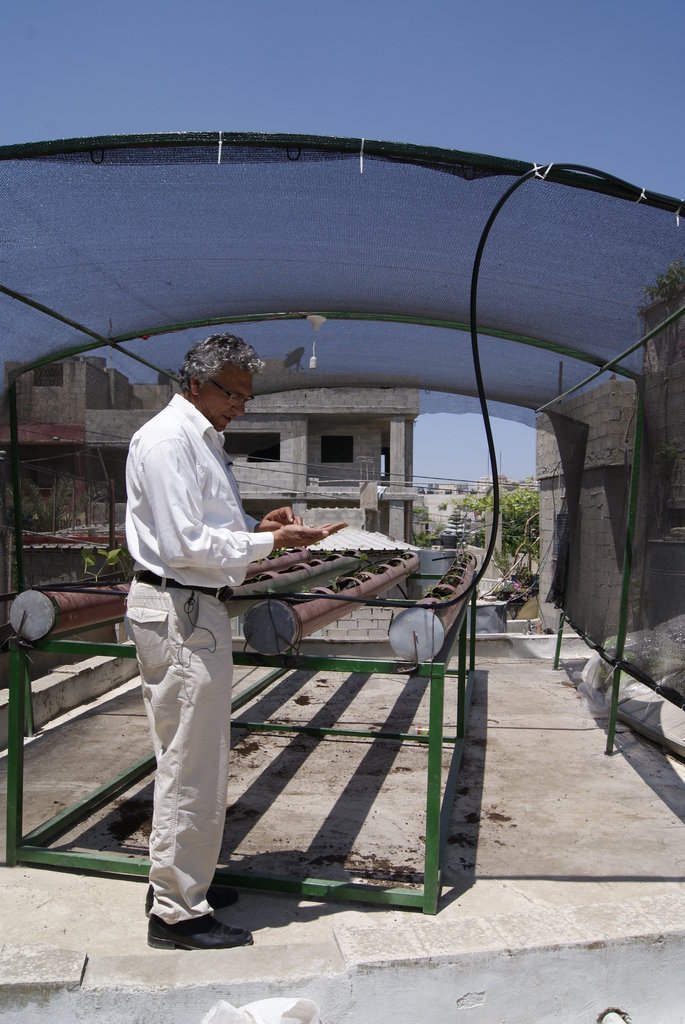
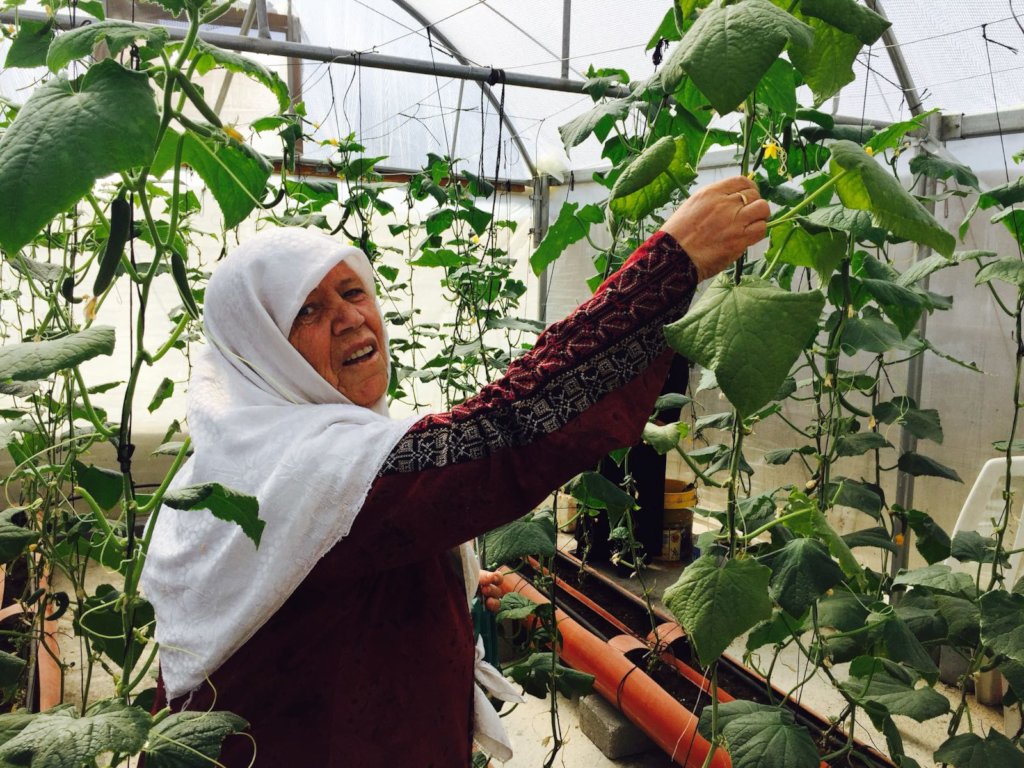
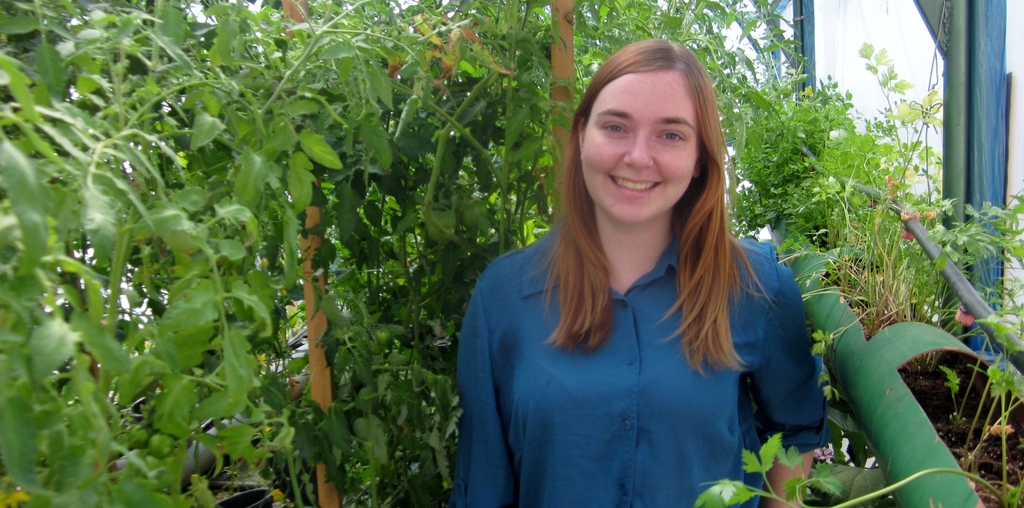
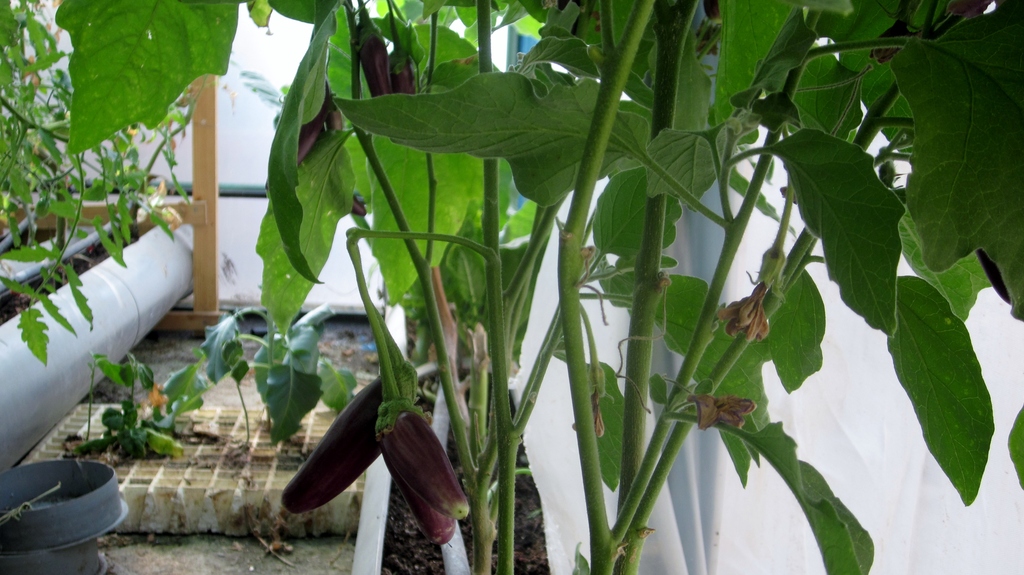
As an international, when I first arrived in Deheishe it was getting out of a taxi to enter a world of concrete. With so many people being forced to live in such a small space, there is no room for things such as a park or even trees. You are hard pressed to look around and find anything green. At least, that is the assumption I had until visiting Karama. On the roof of this NGO is the first rooftop garden that was established in Deheishe. Seeing the life of these numerous plants growing with such power in such conditions leaves a person feeling a new sense of determination. The world of concrete may be the currenct circumstances but that does not mean the people must accept them. These gardens provide the opportunity for people within Deheishe Refugee Camp to challenge the conditions the occupation has left them in.
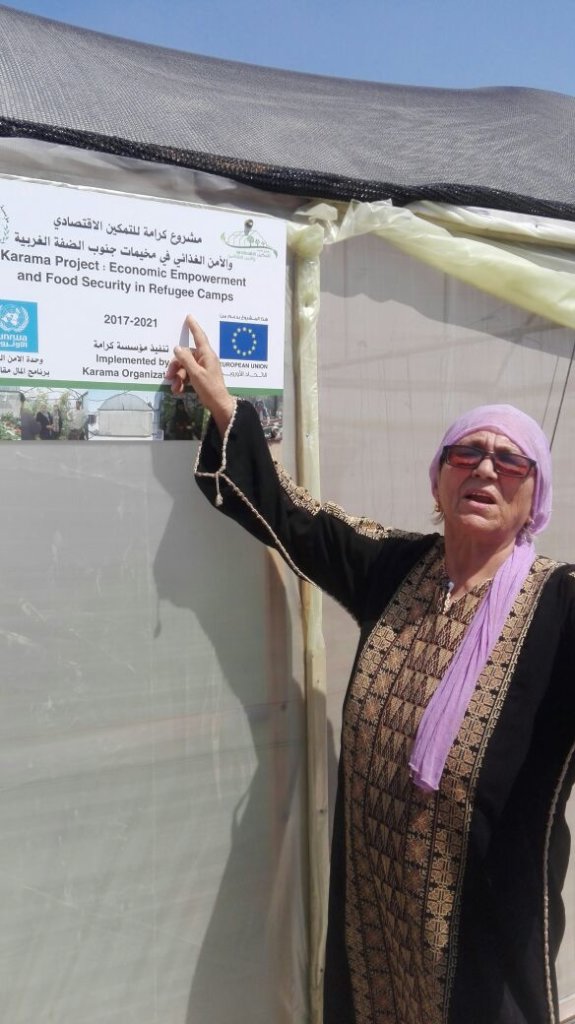
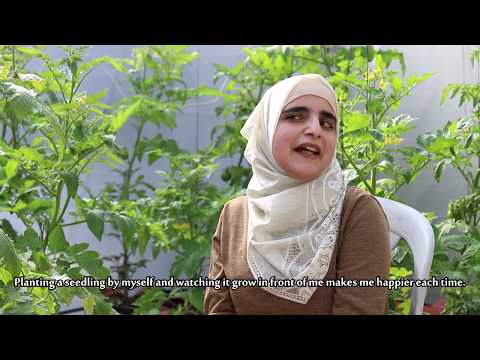
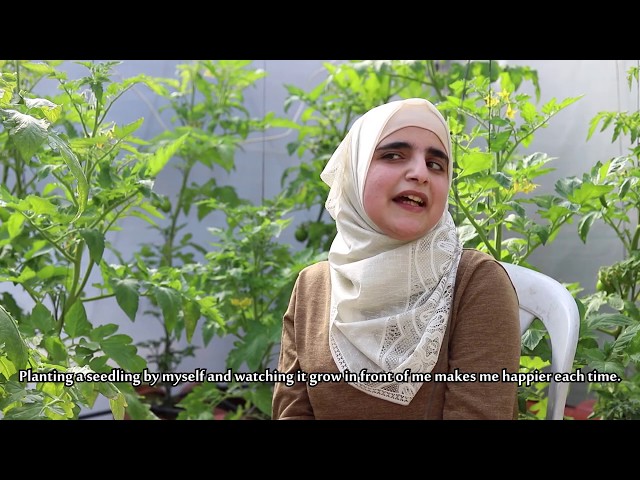
While you may not be able to stand on a street within the camp and see these green spaces it cannot be mistaken that they are there. With 15 gardens currently established, women have been able to find a new sense of purpose and a feeling of confidence within themselves. They can offer healthy alternatives to their family, providing options others than the sugar filled sweets that come at a much lower cost. When being forced to live in a situation that is full of so many uncertainties, the knowledge that these gardens give to women about where their food is coming from, how it is produced and what is in it allows them to confidently serve meals to their families where they can be sure about the process that went into creating the food they are eating.
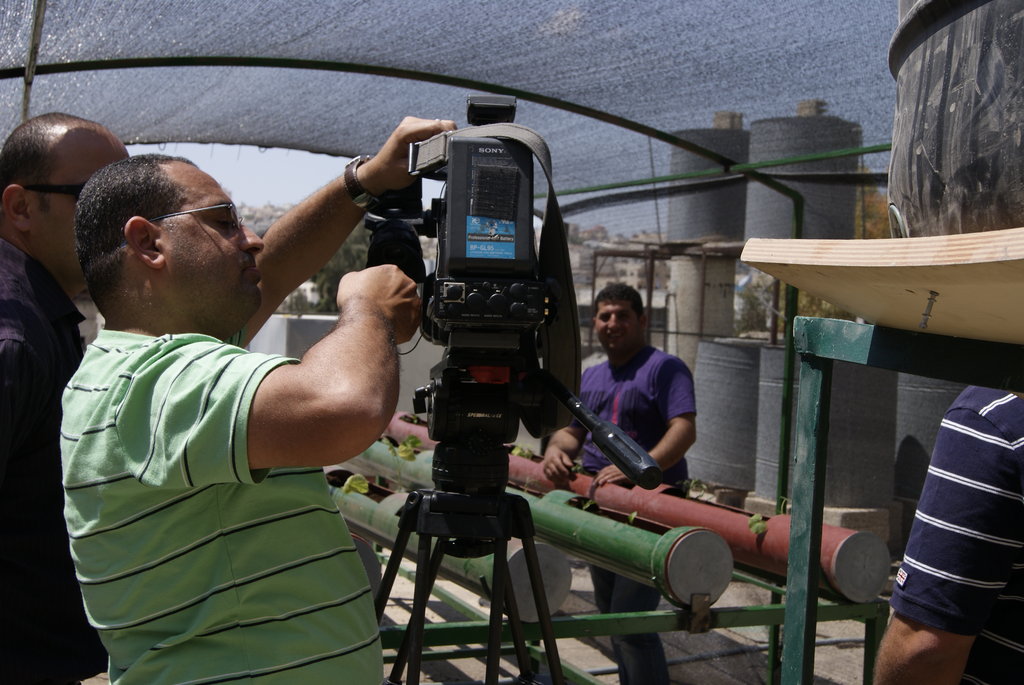
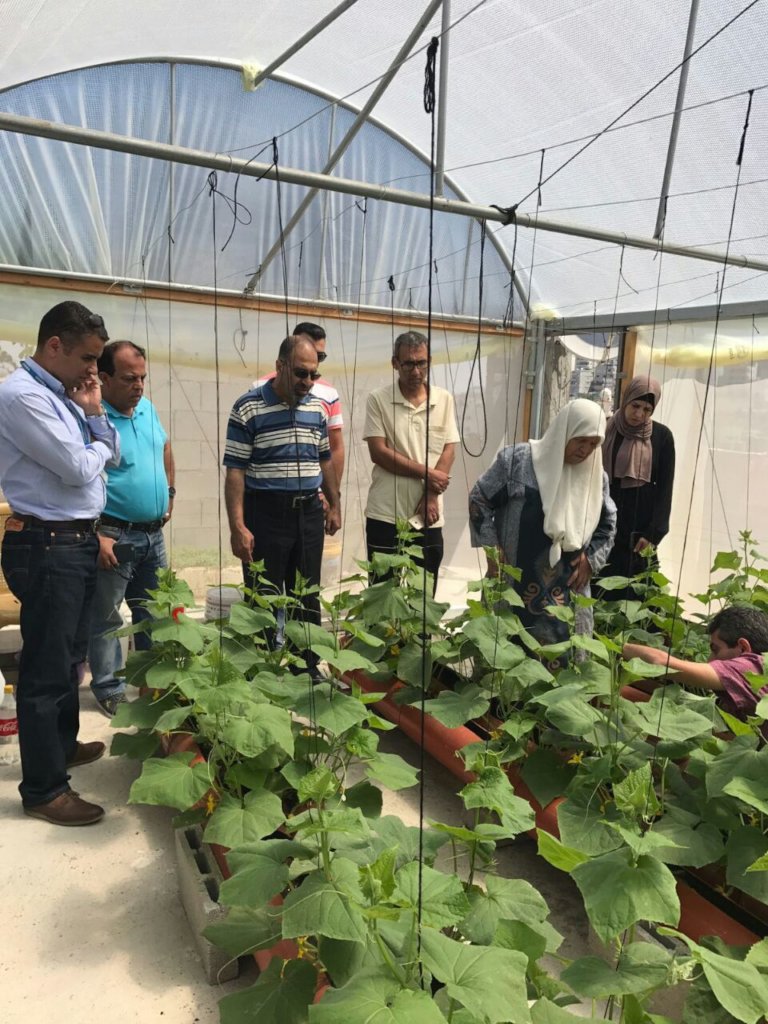
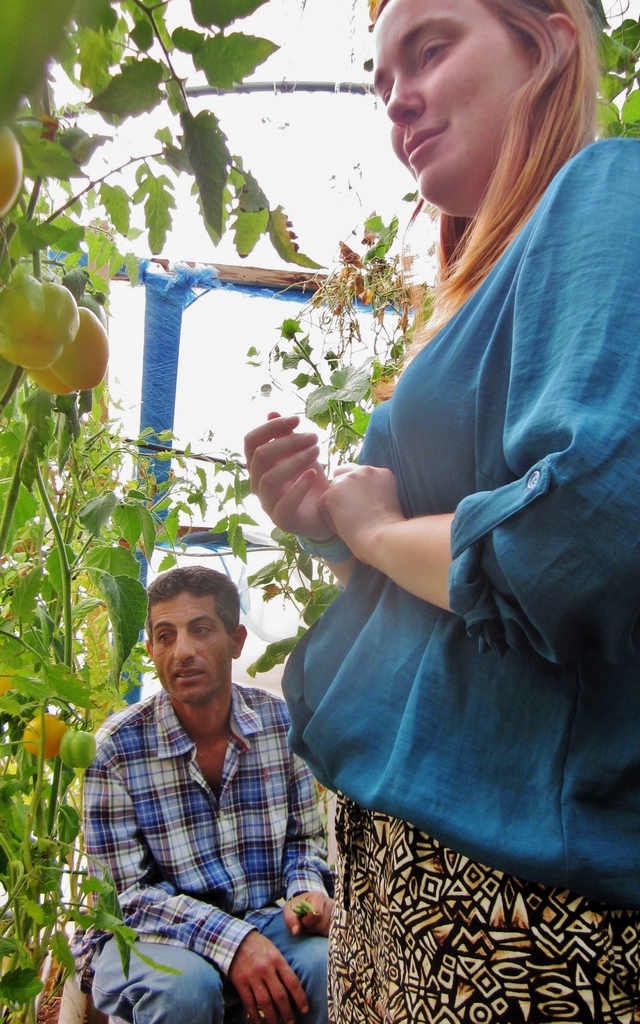
Having an international person view and walk through their garden is something these women are becoming more accustomed to. As the gardens grow and flourish, so does the international attention that they are receiving. The hard work of these women has been shown on various news station and they are more than happy to discuss their work. While the attention to the gardens is growing, it is our hope that the support will too. It is only through donations that these women are able to continue their gardens and that Karama will be able to fund the development of even more.
The beginning of May brings the start of summer harvest to the lives of these women and their gardens. It also brings the time when the community remembers the Nakba; the time when the Palestinian people were expelled from their land. However, these gardens have allowed for women to reconnect with their history and the land that they lost. Women that participate in the gardening project have spoken of how through this project they feel more connected to their villages than ever. Working with these plants and growing food for their family has provided a renewed emotional connection that had been tested by the circumstances of the occupation. These gardens provide a tie to a past that can become hard to reach through daily struggles. One woman has claimed she now feels more ready to move back to her land than ever before. While time continues to pass creating a further separation among people and between Palestinian and their land, their history and their rights, time has not weakened the spirit and determination of the people.
Project reports on GlobalGiving are posted directly to globalgiving.org by Project Leaders as they are completed, generally every 3-4 months. To protect the integrity of these documents, GlobalGiving does not alter them; therefore you may find some language or formatting issues.
If you donate to this project or have donated to this project, you can receive an email when this project posts a report. You can also subscribe for reports without donating.