By Barbara Rosasco | Secretary & Treasurer
Water- the staff of life....
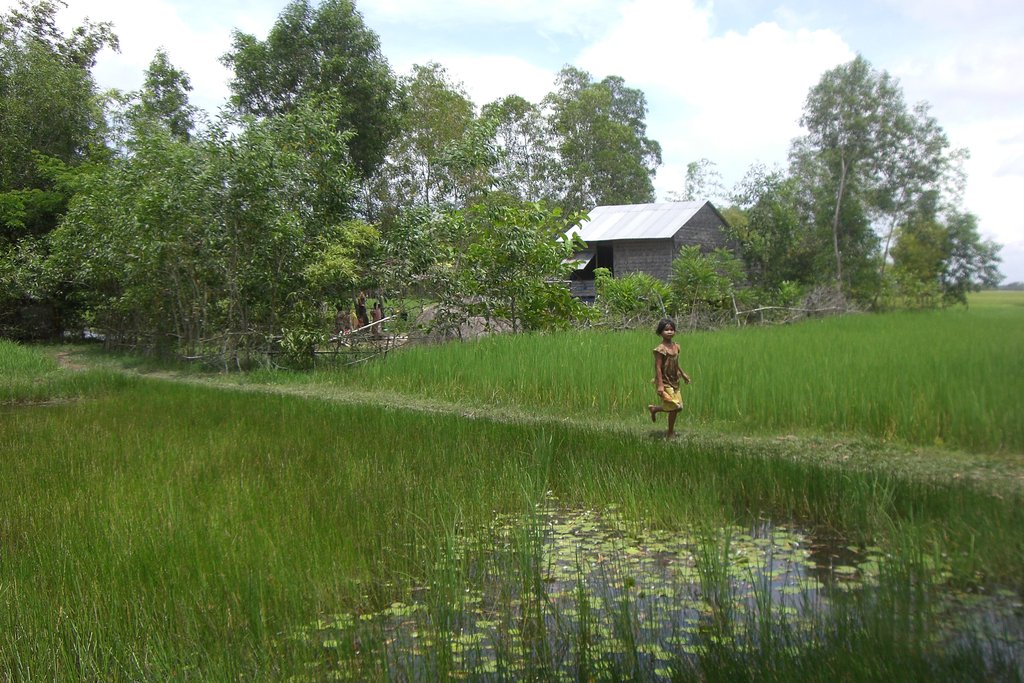
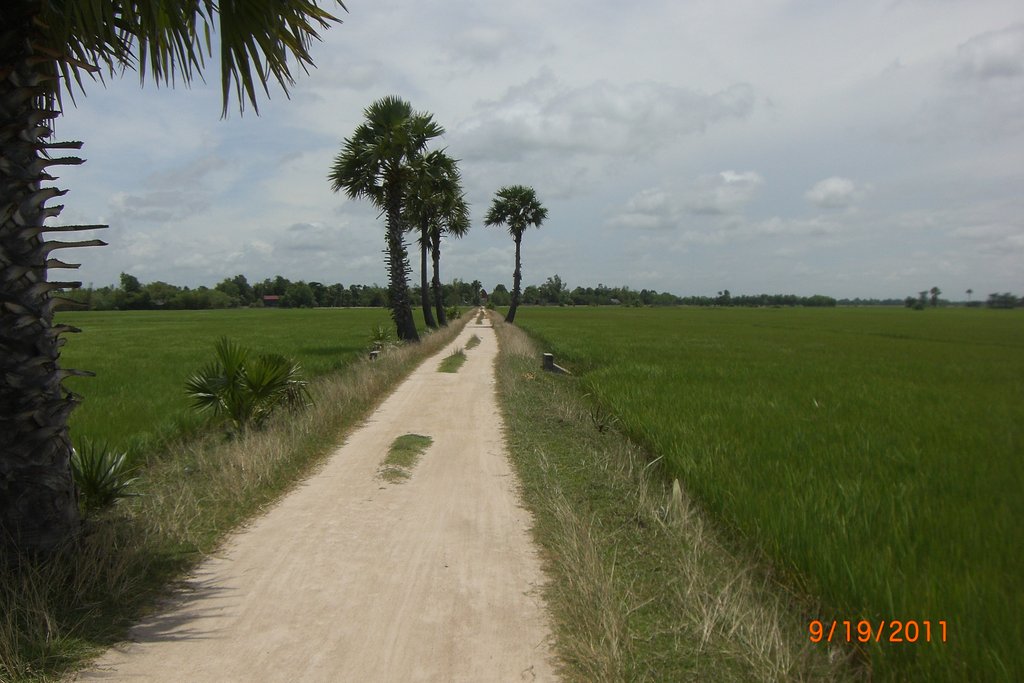
Most farmers in Cambodia are dependent upon a single,annual , non-irrigated rice crop to provide both food and income for an entire year. Rural families depend upon annual collection of rain water during the rainy season to provide drinking water and to grow their rice crop. If the rains fail, it imposes great hardship upon families who will then engage every family member who is able, to walk to the nearest water source, sometimes miles away, to carry water back by hand, in jugs. Water is essential to life, lack of water means children may be taken from school to walk great distances carrying water. This hardship was one of the key factors that inspired our Rural Assistance Program.
A key component of our rural assistance program, from its start in 2000, has been well drilling to avoid such dire circumstances. Each year, when funds are available, we have drilled on average 30 wells, providing 30 more families and their neighbors access to a safe, reliable ser ource of water. Now, after more than 16 years, we have drilled approximately 500 water wells.
These days we hear a lot about droughts in various parts of the world, and the anticipation of El Nino rains to break the prolonged drought cycle in the western US . In the developed world,this has been a serious matter, with areas such as California imposing severe water rationing. The flipside of the El Nino rains that recently came to the Western US has been the impact of a "super" La Nina in South East Asia, causing a "super drought" and causing severe drought conditions in Cambodia, such as have not been seen in nearly 10 years. More importantly, the next rainy season is projected to have such a lack of rain as to be unable to irritgate the next rice crop.
A failure of the rice crop creates dire conditions, causing severe hunger, and even starvation for families and children who will have not income for the coming year and no food from a failed rice crop. This in turn, causes a forced migration to the cities in search of work. Children may be trafficked and families destroyed from the impact of sexually transmitted diseases (HIV/AIDS) through prostitution and trafficking . The drought creates a dreadful cycle and one which takes families and communities years for recovery, and some individuals will never recover.
For now, according to a May 9,2016 article in Barron's "drought, floods,and historically low global inventories have rice market experts worried" that the price of rice could double if rice harvests fail. Global rice stocks stand at ultra low levels not seen since 2007. No only will families have not income and a rice cropfor food , but they will face potentially 100% price increases on the rice that they may hope to buy.
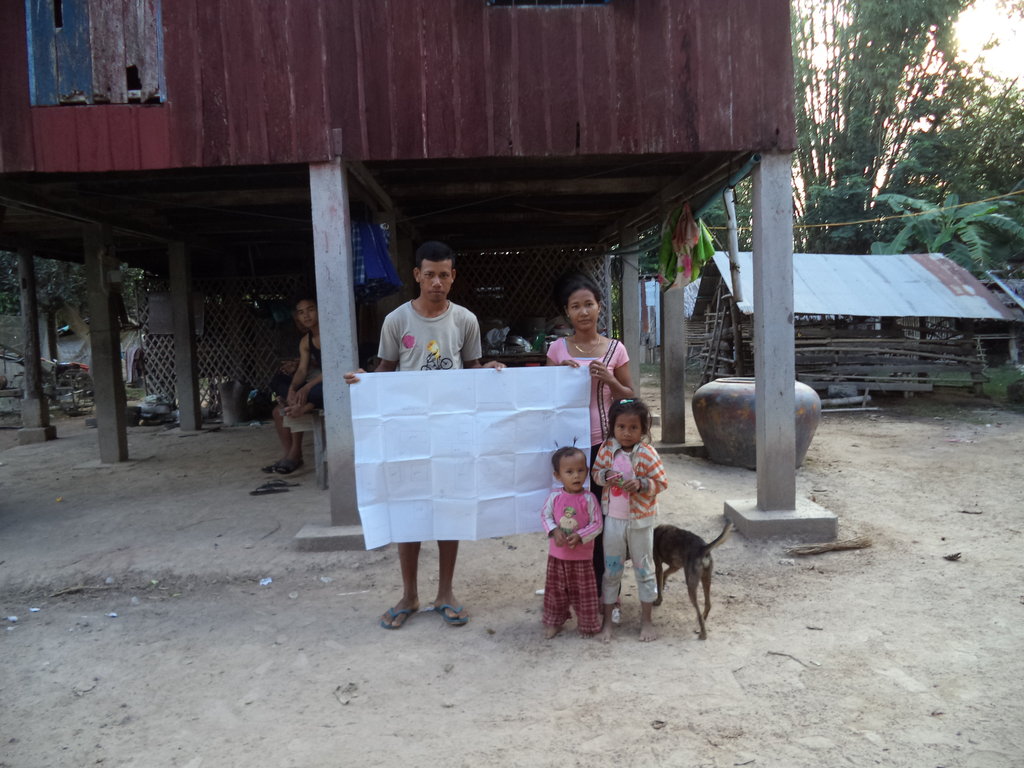
For families in the rural assistance program ( RAP) , they will continue to have access to water and can grow small plots of vegetables to both supplement income and provide food for families. These wells provide more than simple drinking water. This access to water provides an ability to keep families together, keep children safe and in school , to put food on the table and provide families with at least some income.
A well costs $ 270 .... its benefits are immeasurable. We are still trying to fund the wells that we drilled last year... until that debt is satisfied ( about $8000) we cannot fund more wells. We hope that you will join us in supporting this program.
Barbara & Mark Rosasco
Project reports on GlobalGiving are posted directly to globalgiving.org by Project Leaders as they are completed, generally every 3-4 months. To protect the integrity of these documents, GlobalGiving does not alter them; therefore you may find some language or formatting issues.
If you donate to this project or have donated to this project, you can receive an email when this project posts a report. You can also subscribe for reports without donating.