By Barbara Rosasco | Secretary & Treasurer
We never know the worth of water till the well is dry. ~Thomas Fuller M.D , 1732
Change a life by giving the gift of water.
Most of us in the developed world have never known the hardship of lack of water. Some people may have experienced temporary interruption from a storm. Some folks have gone camping and adapted to a sharply limited, but temporary access to water. However, we usually do not stop to consider our great privilege as we turn on the tap and,of course, expect to get water.
I love the quote by Thomas Fuller, who in the 1700's , pointed out the obvious . We do not appreciate the real value of water until we have none.
Why our Rural Assistance Program began
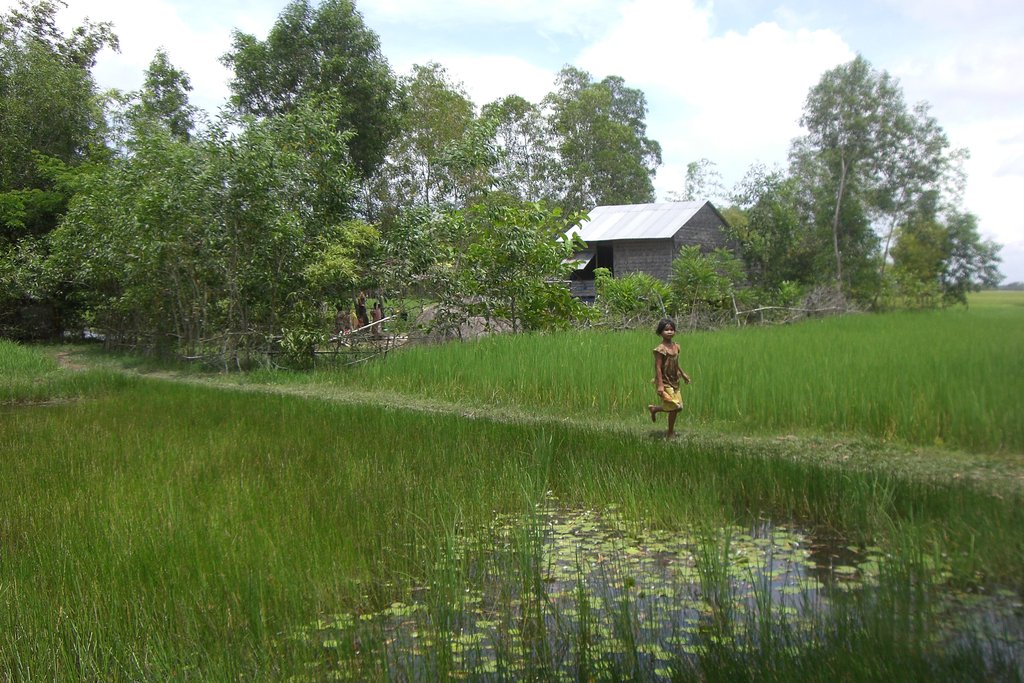
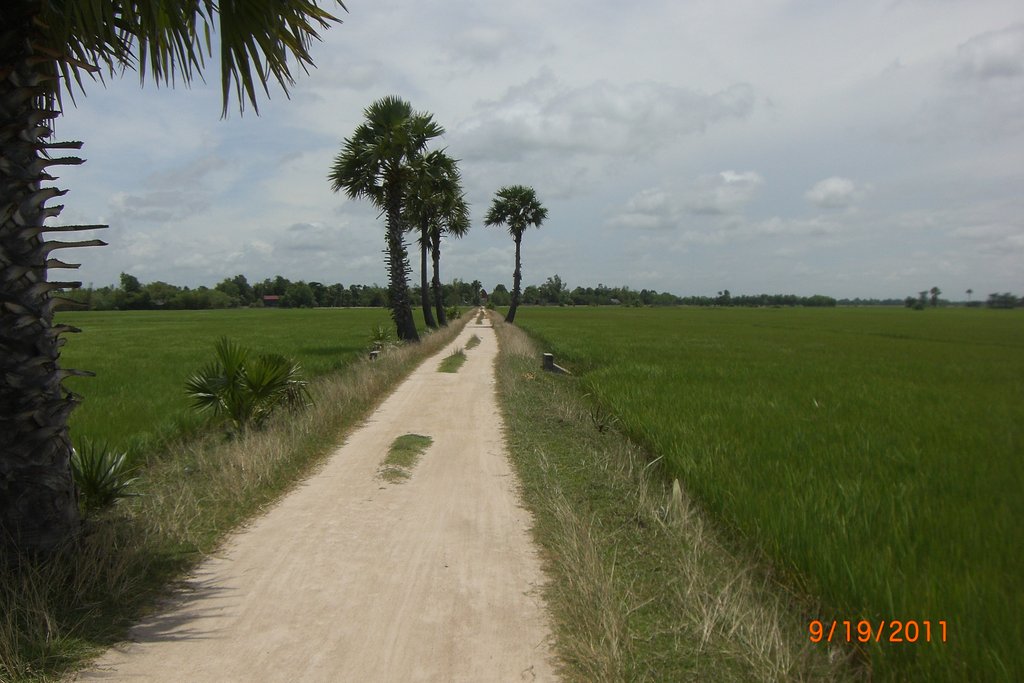
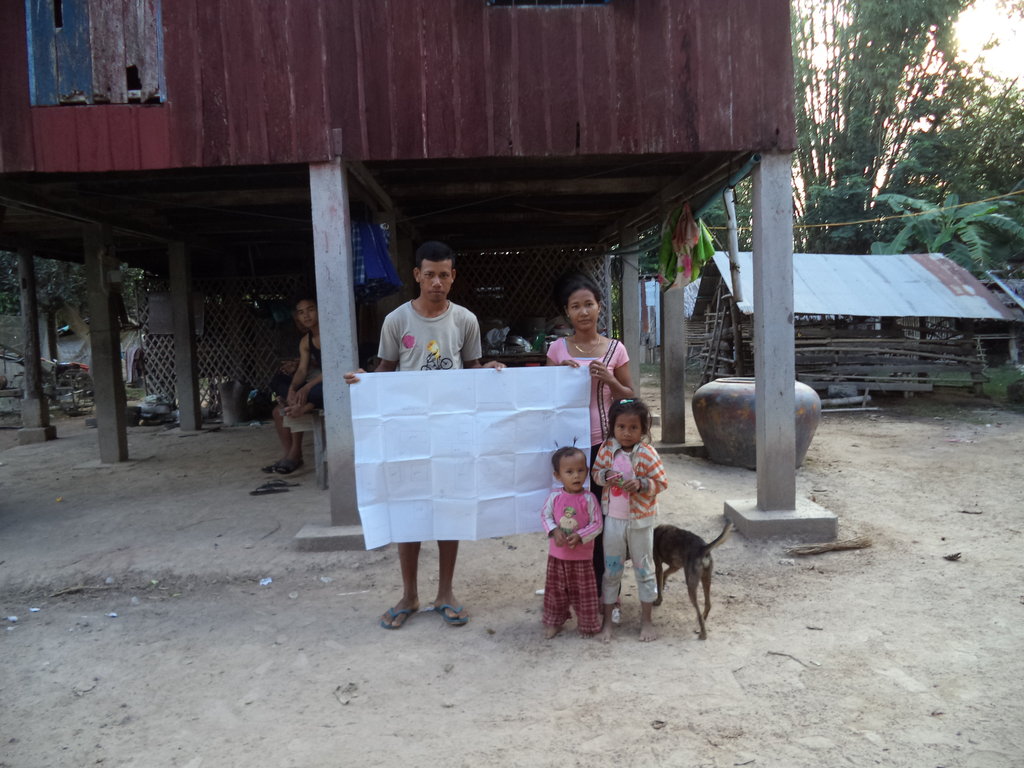
Our Rural Assistance Program, (RAP ) rose from this concept in 1998, when we encountered farming families in northeasten Cambodia ( Prey Veng Province) who had experienced profound suffering from a prolonged drought.
Dire circumstances
According to UNICEF in Thailand, a crop failure from lack of rain occurs one of every 3 years in Southeast Asia. When faced with a failing rainy season, single crop rice farmers and their families become desperate.
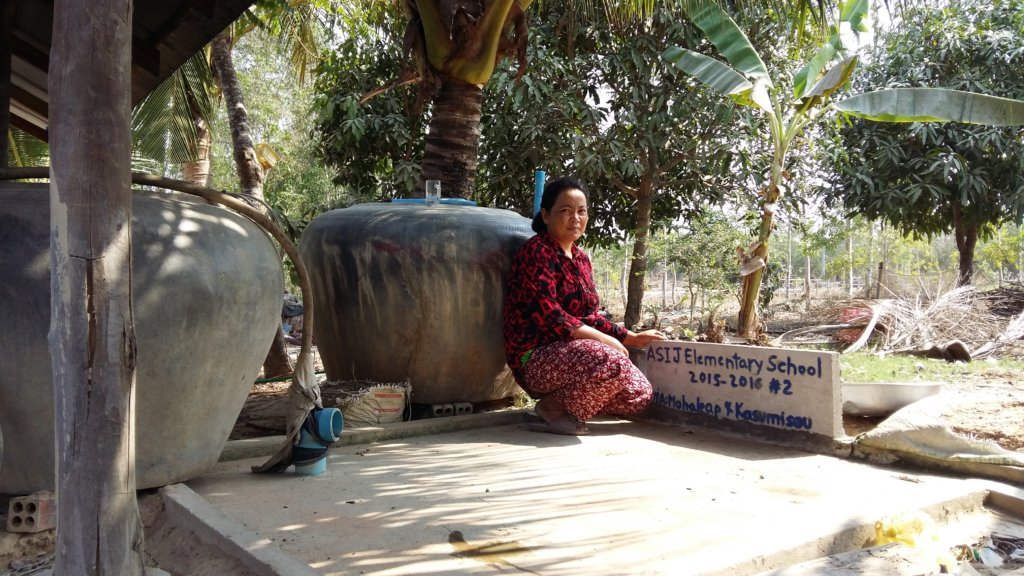
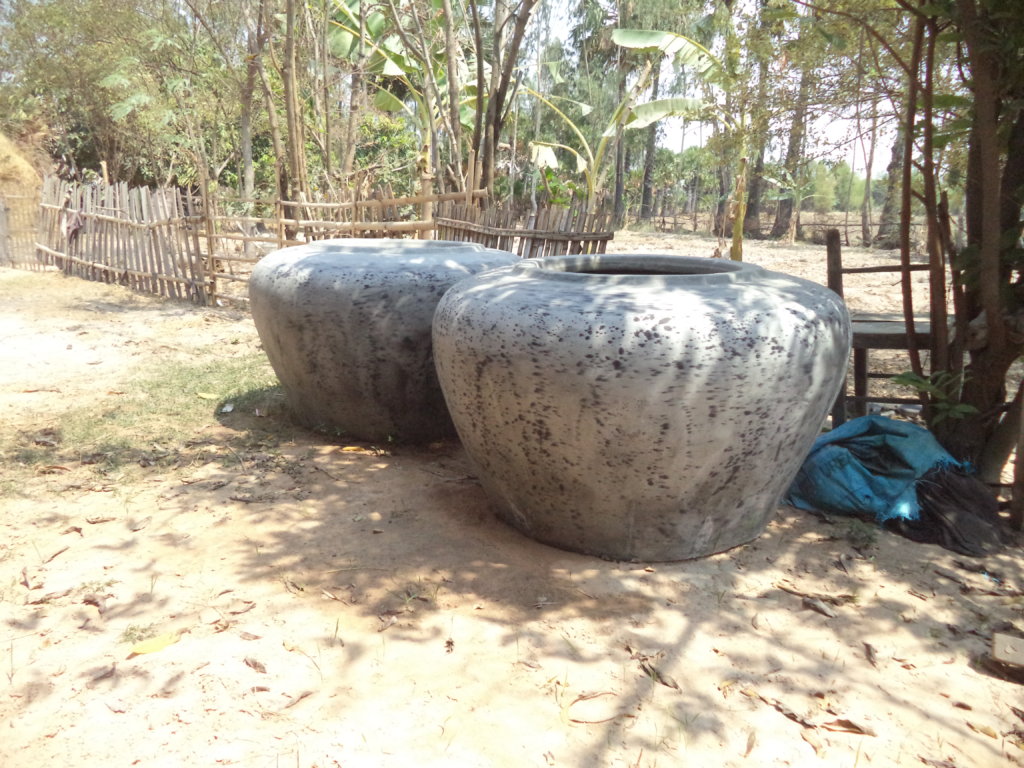
In a normal rainy season, the rain water is captured in large clay jars, about 4 to 5 feet tall and about 3 feet in diameter , placed at each corner of the roof. The stored rain water is used in the dry season for drinking, cooking and limited bathing. While it is difficult to generalize how much rainwater is collected, a 2001 article by UNICEF in Thailand estimated that an 11 cubic meter jar, if full, could provide enough just drinking and cooking water for a family of 5 for one year. Without stored rain water, families are forced to go to desperate means to get water. This can mean pulling even small children out of school to use them as labors to carry water, sometimes from great distances and sending older children and parents to the cities to search for work.
The knock on effect: No rain, no drinking water, no food
When the rice crops fail because the rains don’t come, it means that there will be no food for the coming year. This forces single crop rice farmers and all able bodied teens and adults to head for the cities, usually, Phnom Penh the capital, in hopes of finding work of any kind.
Illiterate and without resources, these workers are typically exploited and paid as little as $ 1 to $3 per day for hard labor and sometimes dangerous work in construction. Women and girls often turn to prostitution as a way to earn money. The migrant workers eventually return to their villages weeks or months later , sometimes, unknowingly bringing HIV to their villages.
Our solution
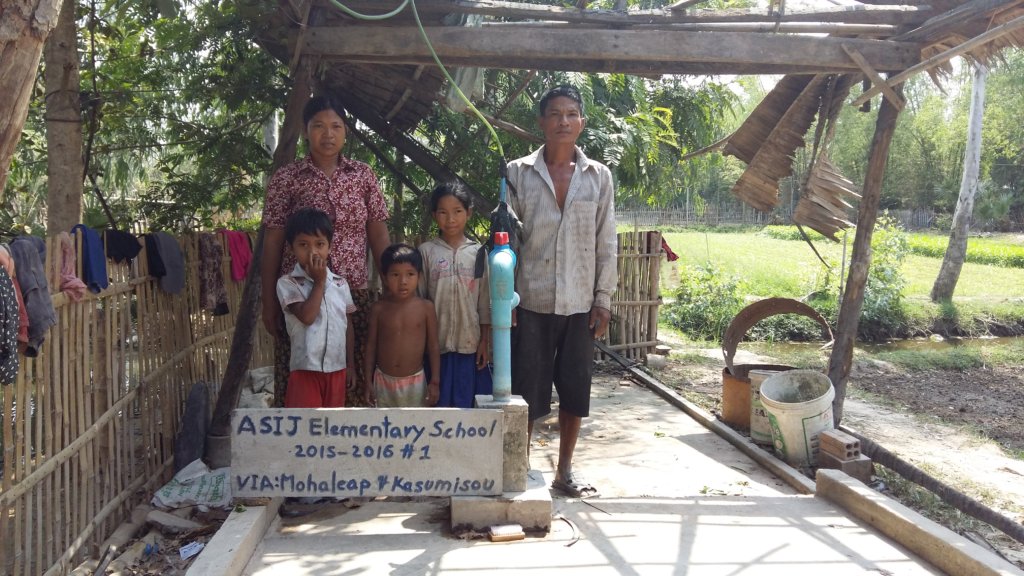
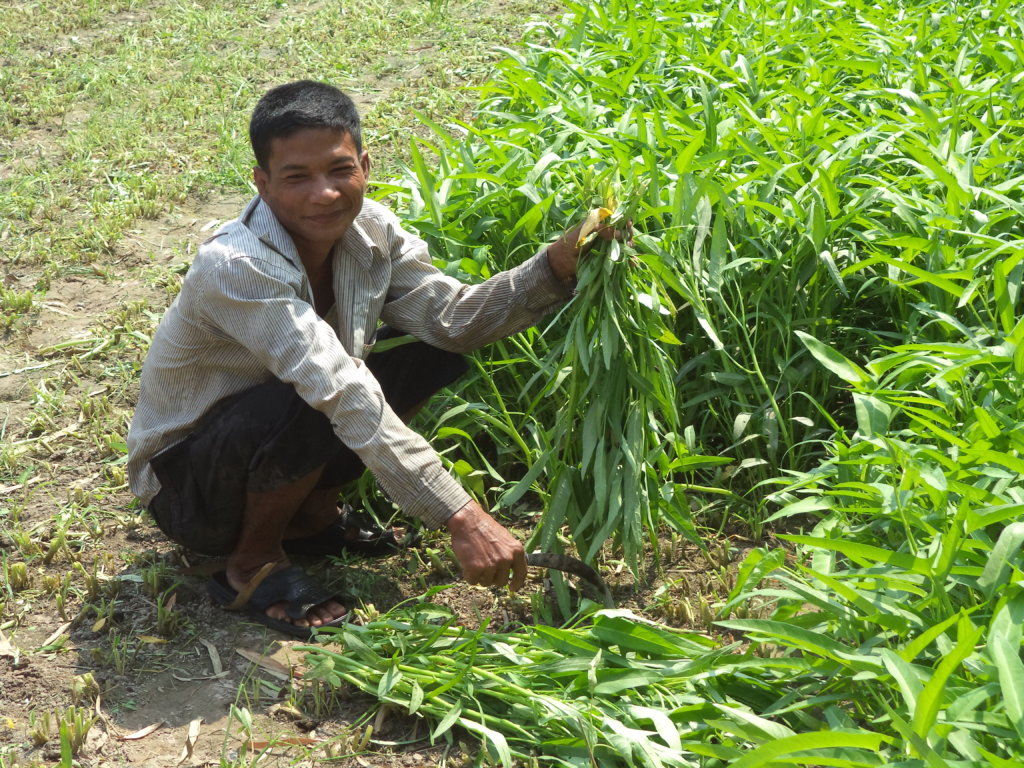
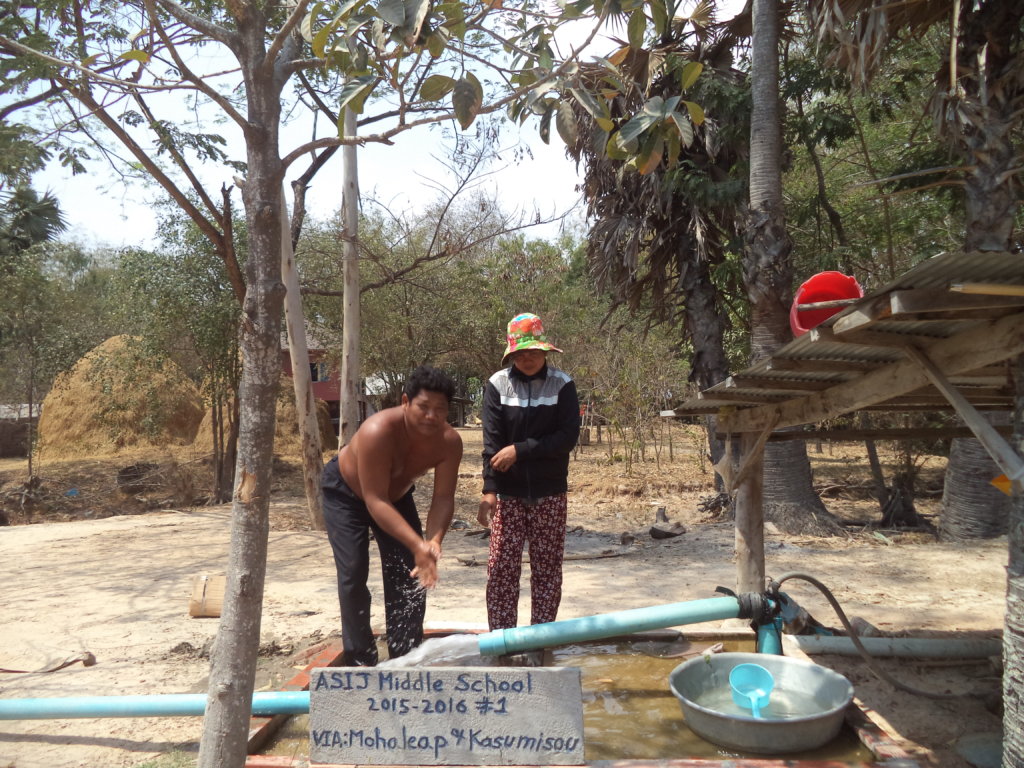
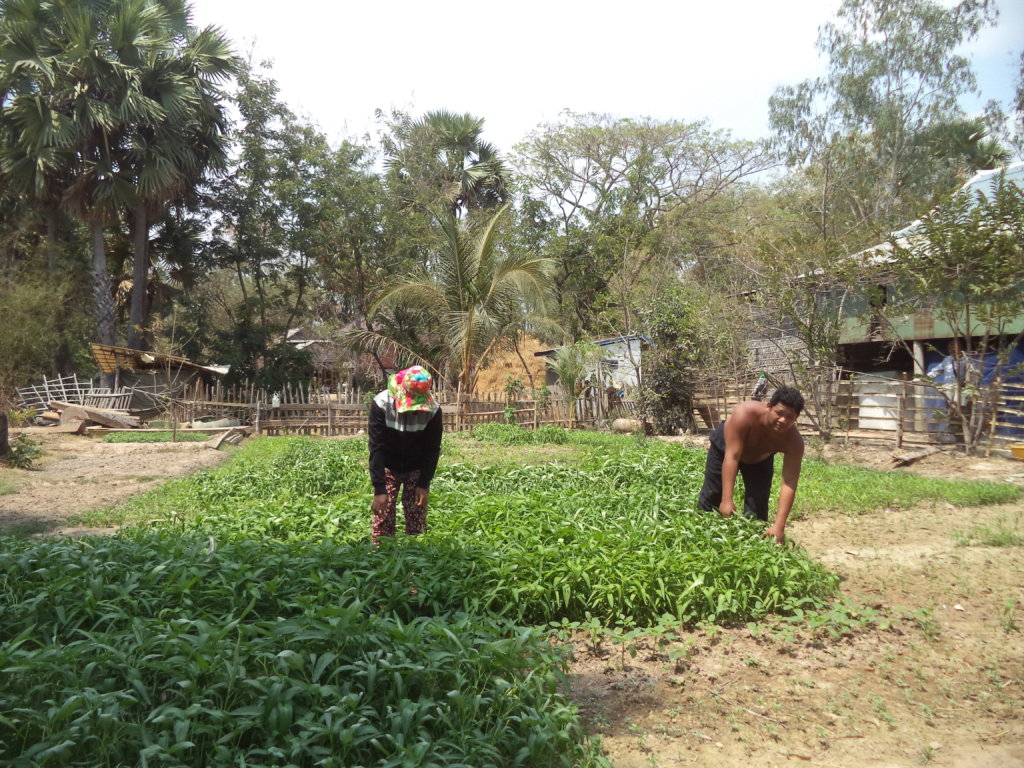
Our solution was to drill wells where appropriate, as a cost effective way to bring a reliable, safe source of water to these families and allow them to live a more secure life, focusing their efforts on more diversified farming and educating their children.
Elementary and Middle School students sponsor 4 wells to change lives
A well costs just $ 270.
As parents, we often talk about how to help our kids, in the developed world, to understand and appreciate the challenges of others less fortunate.
Talk about personal empowerment and understanding! The American School in Tokyo Japan, Elementary School students sponsored 2 wells and the Middle School students also sponsored 2 wells . The ASIJ students raised money throughout the school year to fund the wells from various activities including sales of Friendship bracelets* at their Winter Festival and other events.These students , by working to sponsor the four wells, have dramatifcally changed the lives of these four families and their neighbors.
You can change a life by giving the gift of water!
These wells are life changing for a farming family. Access to a well provides
Over the past 15 years and more than 500 wells later, we estimate that each well serves several additional families.
With 8 wells sponsored, we are actively seeking donations to pay for the remaining 22 wells we drilled so that we can continue to offer this life changing project to other families.
We are deeply grateful to you, our donors for your generous support to helping to transform lives by providing access to water.
Barbara & Mark Rosasco
*The Friendship bracelets are a small income project for teenage girls cared for in a group home run by Catholic nuns in Bangkok, Thailand. These girls make the friendship bracelets as a way to earn pocket money.
Project reports on GlobalGiving are posted directly to globalgiving.org by Project Leaders as they are completed, generally every 3-4 months. To protect the integrity of these documents, GlobalGiving does not alter them; therefore you may find some language or formatting issues.
If you donate to this project or have donated to this project, you can receive an email when this project posts a report. You can also subscribe for reports without donating.