By Barbara Rosasco | Secretary & Treasurer
A short history of our Rural Assistance Program ( RAP)
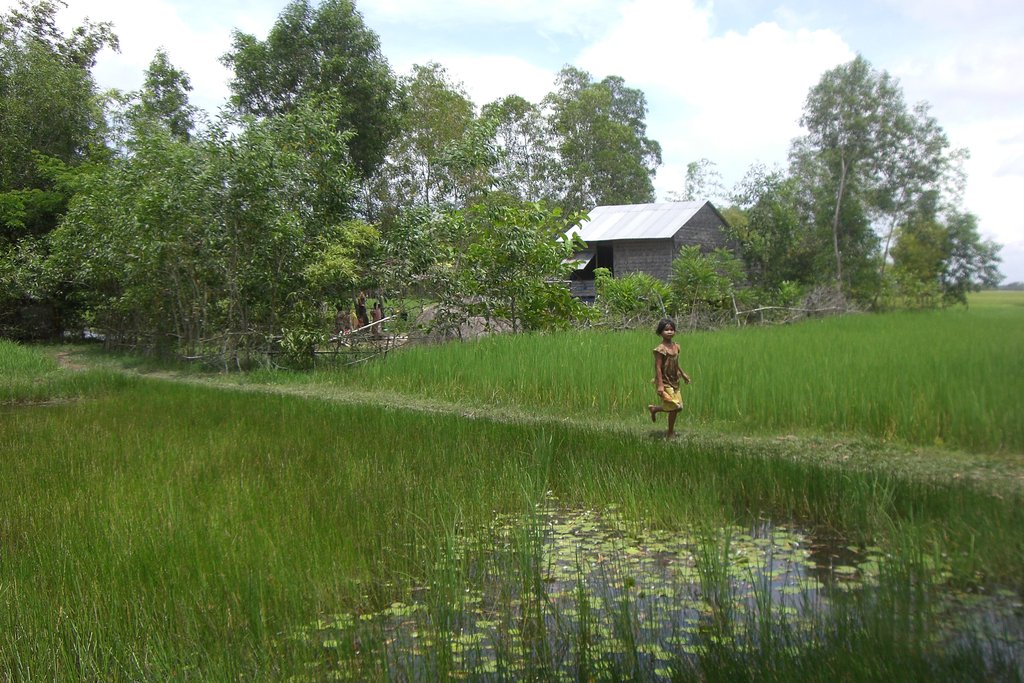
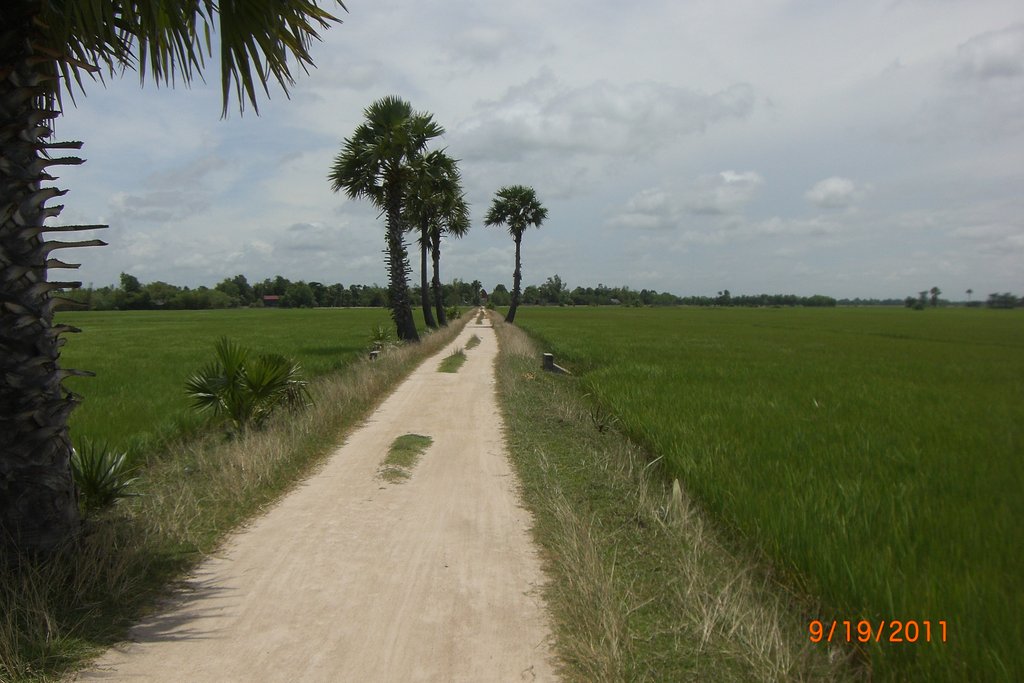
When we started our Rural Assistance Program in January 1999, our initial target area was plagued with hunger and extreme poverty. Most of the farmers there grew only a single annual crop of rainy season rice. After planting their rice in the Spring and harvesting it in November or December, nearly all of the adult males and most of the adult females who did not have small children at home, would desert their villages and travel to Phnom Penh, Cambodia, in search of work as construction laborers.
Thankfully and due in large part to the success of our RAP program, living conditions in the three districts which are our target area, have improved dramatically over the past 18 years. Our program provided subsistance farmers not only agricultural education through our green farming initiative but also installed approximately 500 water wells that gave more than 2000 families access to a reliable source of water. Now, we rarely see serious hunger there. However, many of our farmers still produce only enough to feed their families with little or nothing left to sell. Consequently, some of them have no meaningful cash income other than what they can earn by deserting their farms to do backbreaking work as day laborers in the city, earning only about $5.00 per day.
Our newest initiative, the Moringa Project, which we discussed in our last update, is aimed at helping our farmers to remain on their farms throughout the year while earning cash income to supplement their agricultural output.
The Moringa Project
Mark returned from Asia just yesterday, so we are pleased to be able to give you an update of our moringa project.
This new initiative is centered on promotion of moringa farming for a select group of fifty farmers. Our partner organization in the field recently made a multi-year contract with a moringa processor in Phnom Penh.
Program highlights:
Water is critical to the success of this project
Of the fifty farmers selected to pioneer this effort, forty already have water wells on their farms. We hope to sponsor 10 wells (estimated at $280 per well) for the ten farmers without wells so that they can fully participate in this exciting new effort.
Where we are now
As of the date of this report, about ten of our farmers have already planted their first moringa crops. The new moringa plants should be ready for pruning after about six months from the date of planting and then the plants will be pruned again on a rotating basis every two or three months thereafter.
Diversification is a critically important part of our Rural Assistance Program
From the start of our RAP program in 1999, we placed a strong emphasis on the benefits of crop diversity. This new moringa program is only intended to be a supplement to our farmers’ existing efforts.
However, if successfully cultivated, a small moringa field can bring our farmers meaningful cash income. For some of our farmers, this will be the first time in their lives that their small farms provided them with not only food for their families but significant cash income. Hopefully, the cash income will enough for many of our farmers to discontinue the practice of leaving their farms to work as construction laborers in Phnom Penh and instead be able to stay at home with their families on the farm.
Explanation of photos
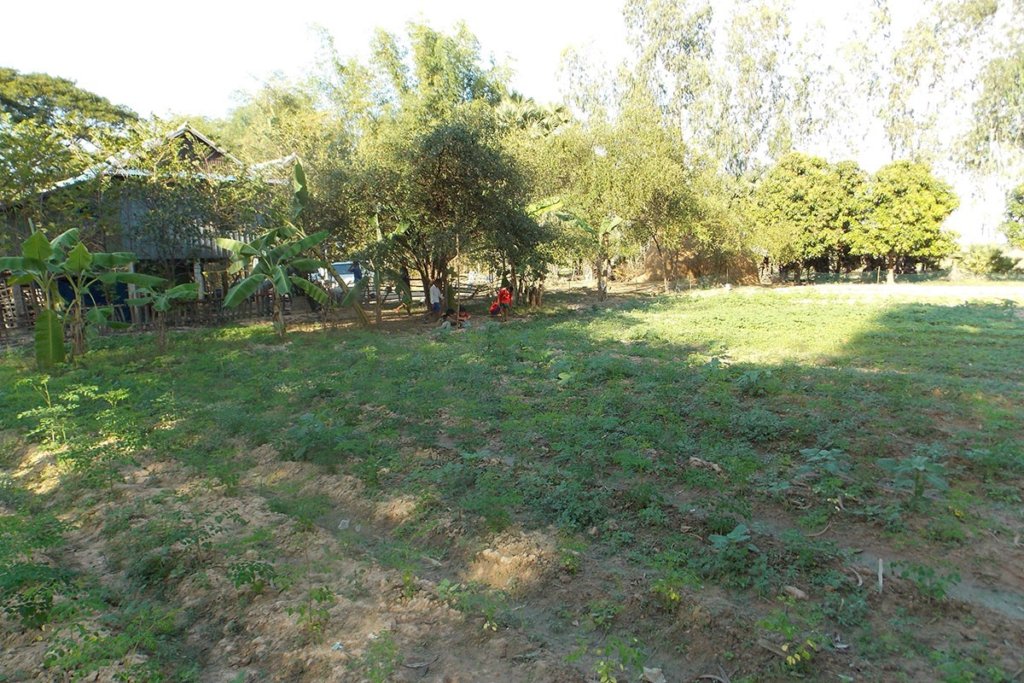
Photo # 1 The moringa field shown in the photo above is approximately 1/10 of a hectare (approximately ¼ acre). It was planted in early January and, once the plants mature and are ready for pruning (about six months after planting), our team expects that this field alone, if properly tended, could produce cash income of more than $2,000.00 per year for the farmer and his family. Put differently, if successful, our moringa program will provide farmers with cash income comparable to what they might have otherwise earned from working as laborers in Phnom Penh.
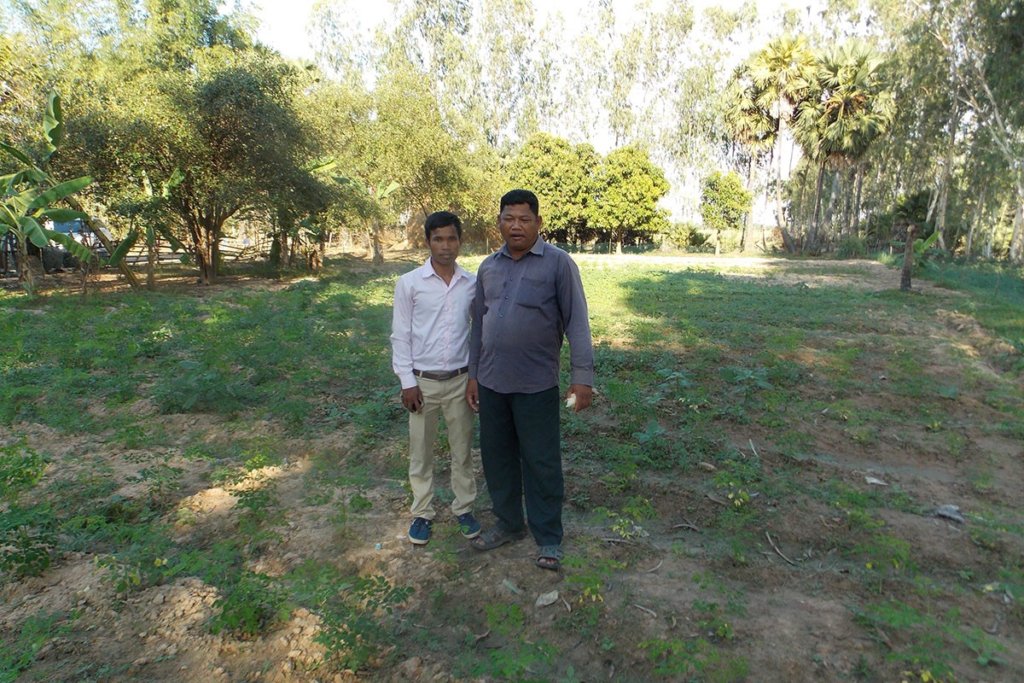
Photo # 2: Farmer B. Rey (right) and B. Sophal, our team’s moringa advisor, stand in B.Rey’s new moringa field.
We are very excited by the prospect of providing our farmers with an alternative to the dangerous, backbreaking and rather poorly paid work in Phnom Penh so that they can remain throughout the year, productively employed on their own farms.
Please join our call to action!
We remain grateful to you, our generous donors for your support. Our donors have been and will continue to be vital to the success of this program, especially for our 10 farmers lacking wells. Please consider whether your community, school or church group might be willing to sponsor a well and by doing so, change lives or if the "gift" of a well might be a wonderful way to celebrate a milestone.
Thank you,
Barbara & Mark Rosasco
Project reports on GlobalGiving are posted directly to globalgiving.org by Project Leaders as they are completed, generally every 3-4 months. To protect the integrity of these documents, GlobalGiving does not alter them; therefore you may find some language or formatting issues.
If you donate to this project or have donated to this project, you can receive an email when this project posts a report. You can also subscribe for reports without donating.