By Travis Scicchitano | Project Officer
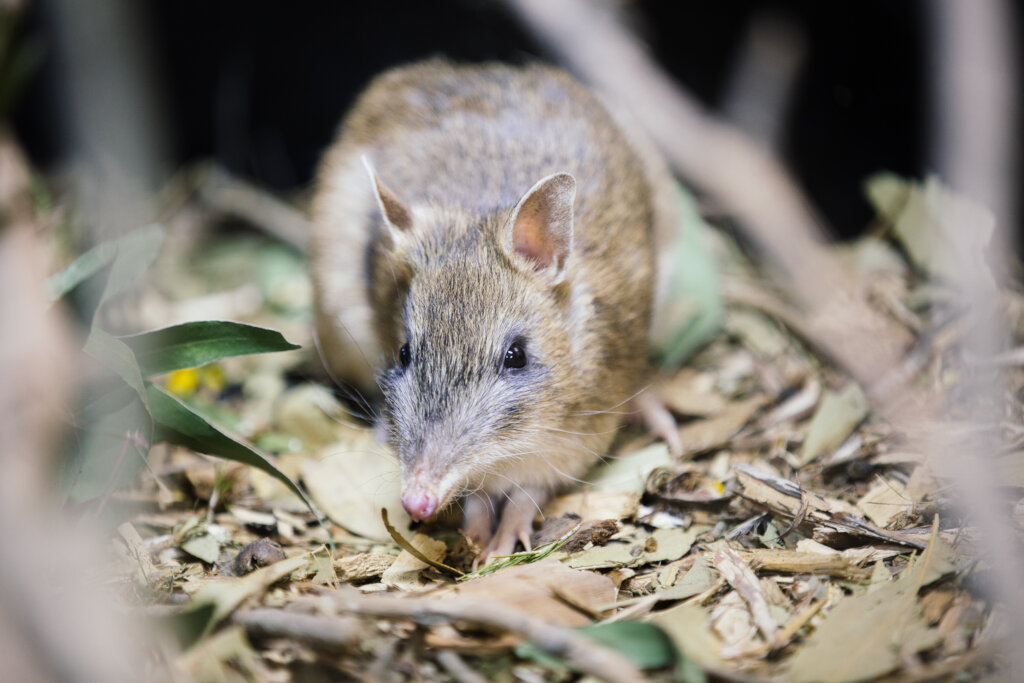
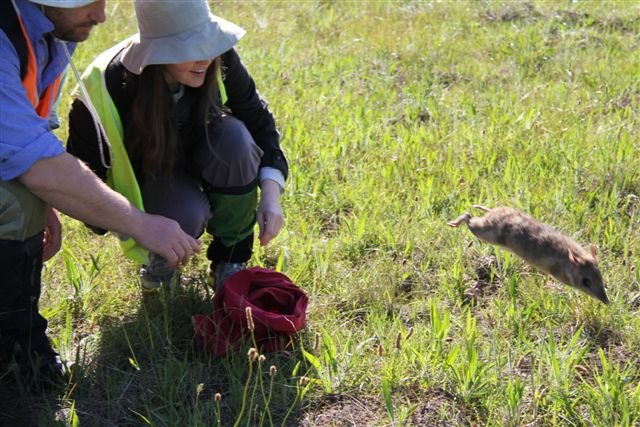
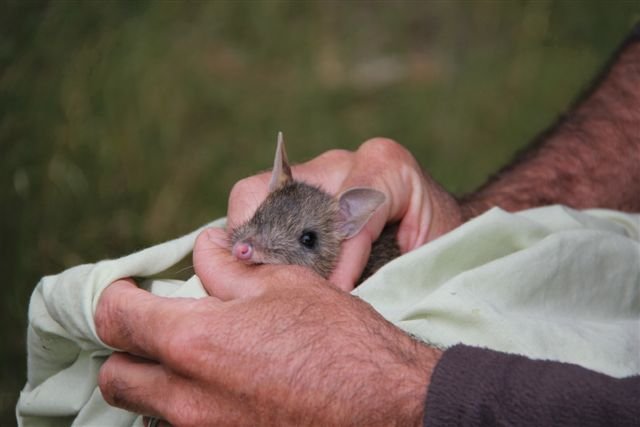
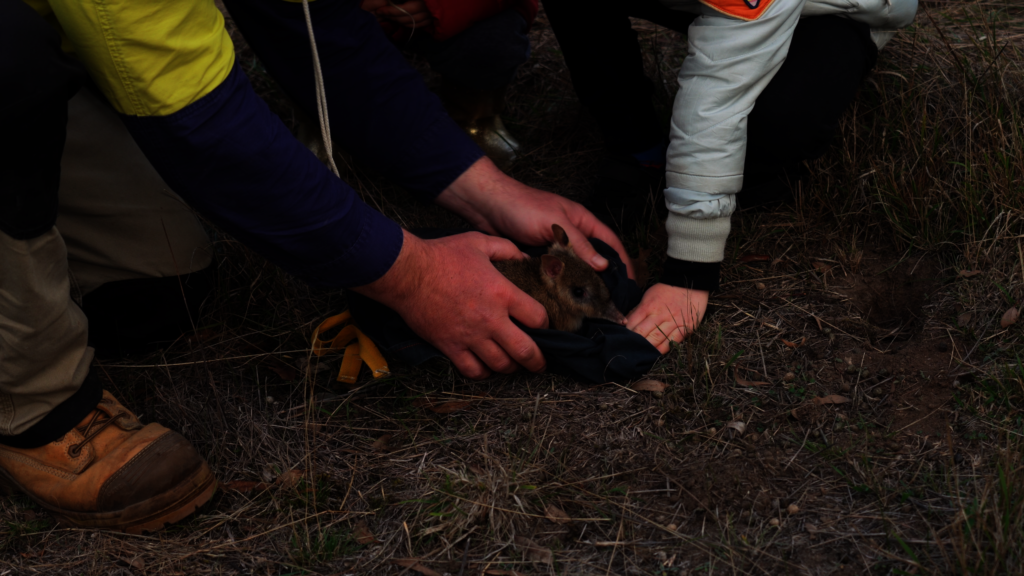
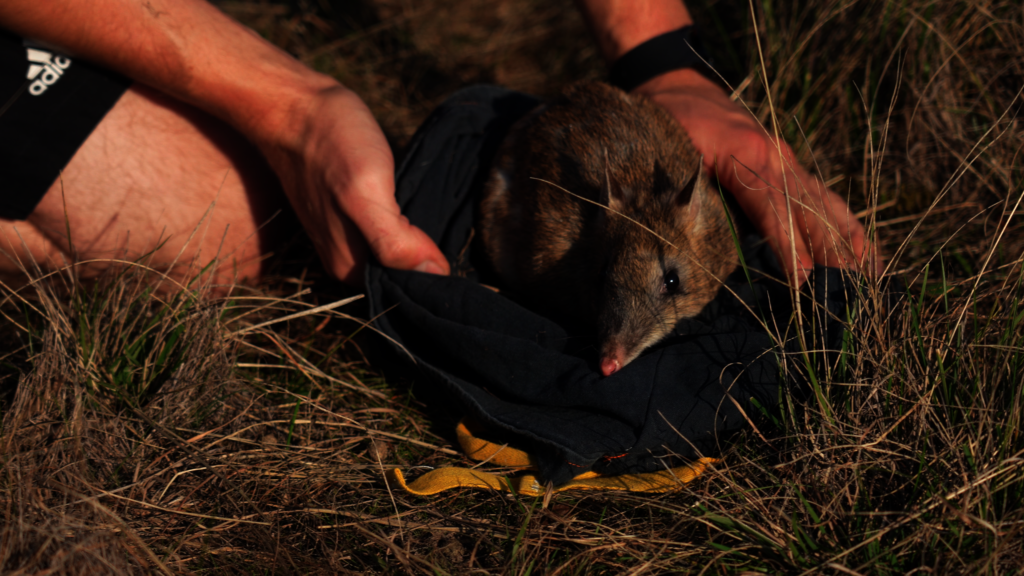
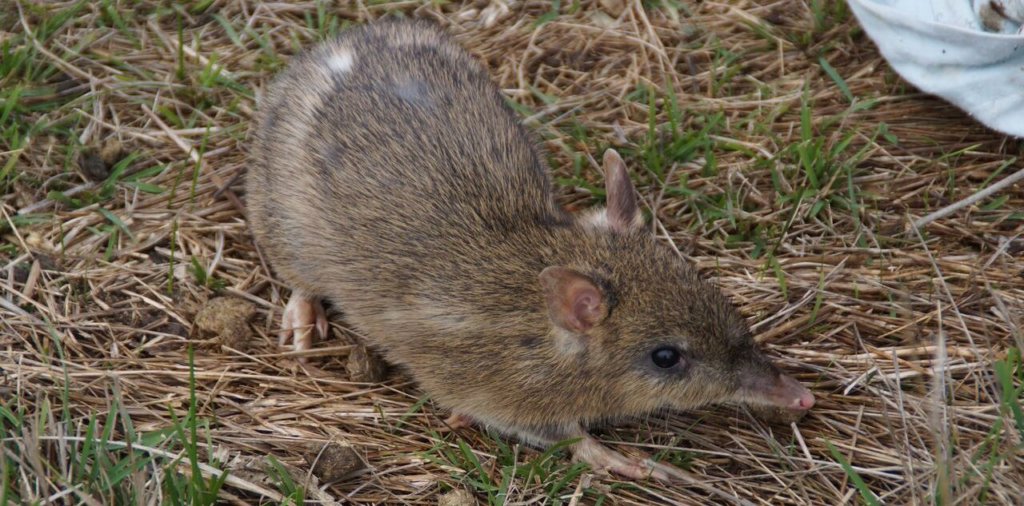
Over the last few months we have continued our conservation activities to bring back from extinction the Eastern Barred Bandicoot, at our two sites in Woodlands and Hamilton. It was great to report last month on our monitoring results, which showed healthy populations across both sites, however, without habitat for the bandicoots our population numbers would decline.
The volcanic plains network of grasslands, which stretch from Melbourne in a westerly direction to the South Australian border, is one of the rarest vegetation communities in the world. With only approximately 0.5% remaining, it’s understandable as to why the bandicoots are also threatened. During the mid-1800's, Victoria was being settled and farming was commencing. This volcanic soil that the grasslands grow on was the most nutritious for growing pasture grass and vegetables. It was also very easy to clear, with burning the easy choice, rather than clearing large forests that took a long time to create farmable land. As a result, these grasslands disappeared very quickly straining many small wildlife species and also making them more exposed and vulnerable to predators such as foxes (once they were introduced).
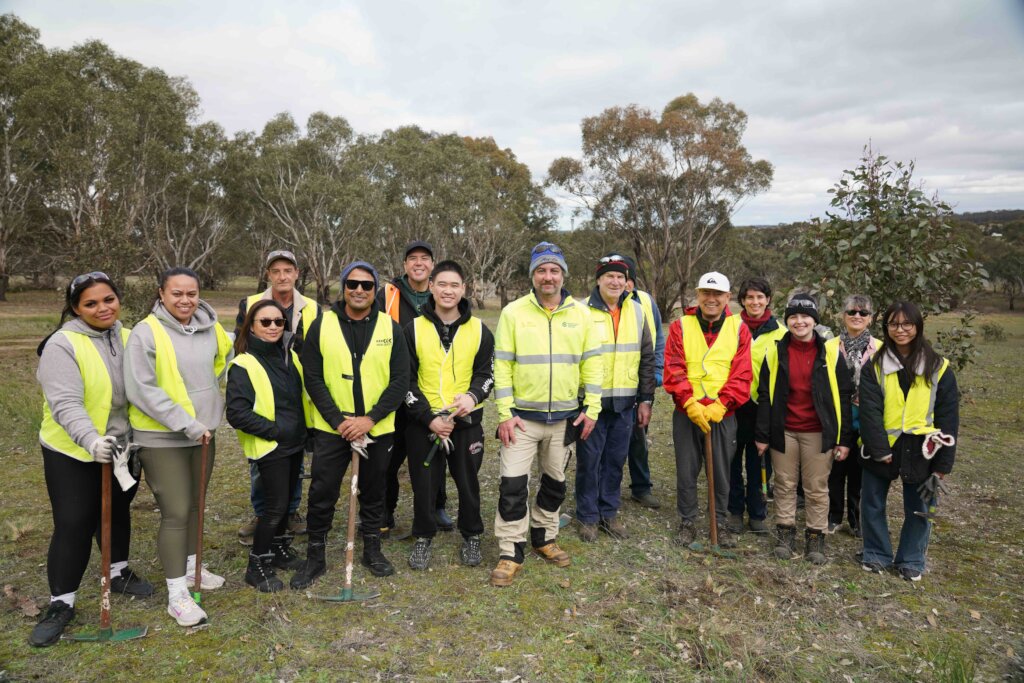
At both Woodlands and Hamilton, we are busy running programs to assist in the health of the grasslands. Around 1,000 seedlings including 7 different species of wild flowers are due to be planted over the next month. This will be fantastic as we are dramatically improving the biodiversity of the grasslands. To assist with this large-scale planting project, we have been fortunate to secure the services of Green Army teams. These are six month training programs for young Australian's to learn about the environment and put into practice their new found knowledge. The teams will also assist with weed control, an important task to support smaller grasses that easily become outcompeted by larger introduced species. Controlling and eliminating grazing pressure from rabbits is another major task being undertaken. Flexible 10m long inspection cameras are sent down the burrow systems to check if there are any bandicoots inside before collapsing the rabbit burrows.
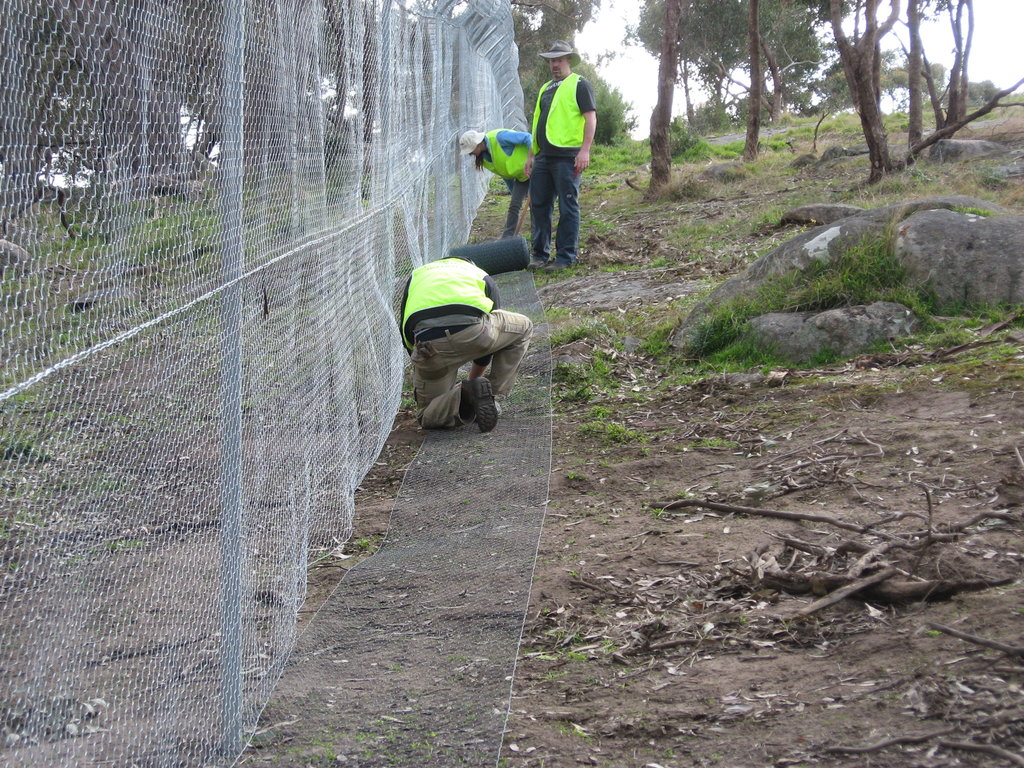
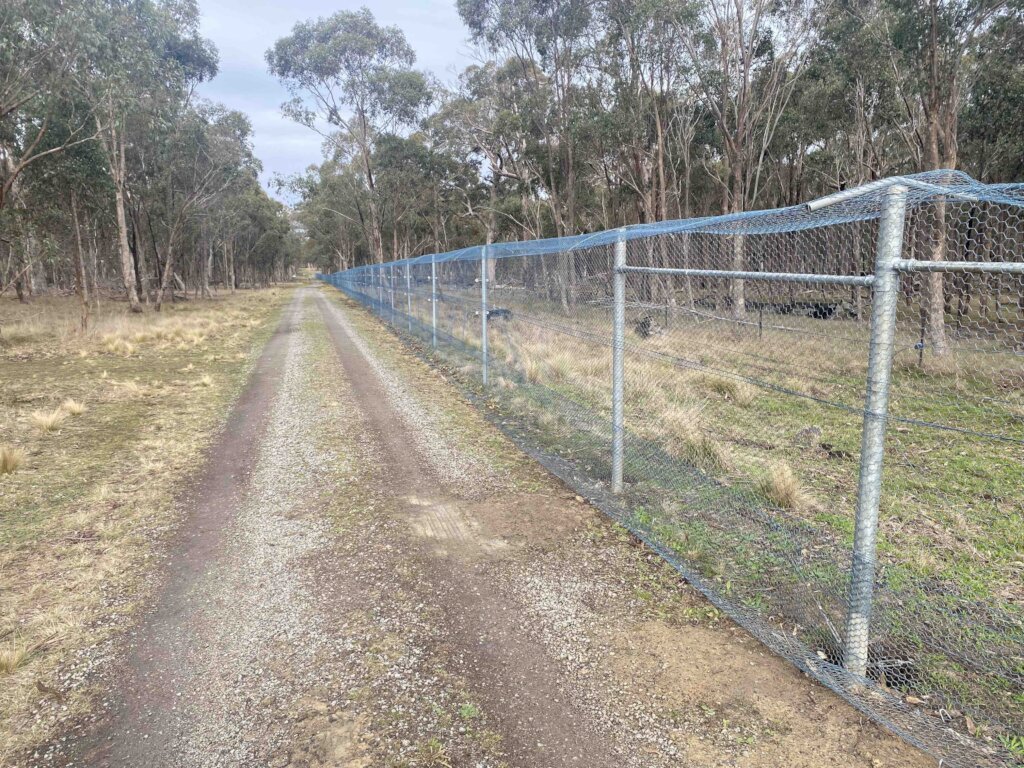
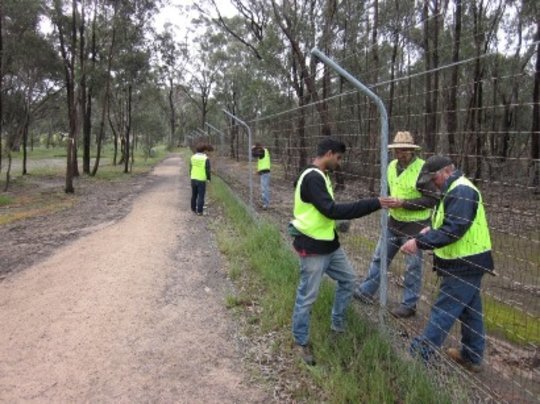
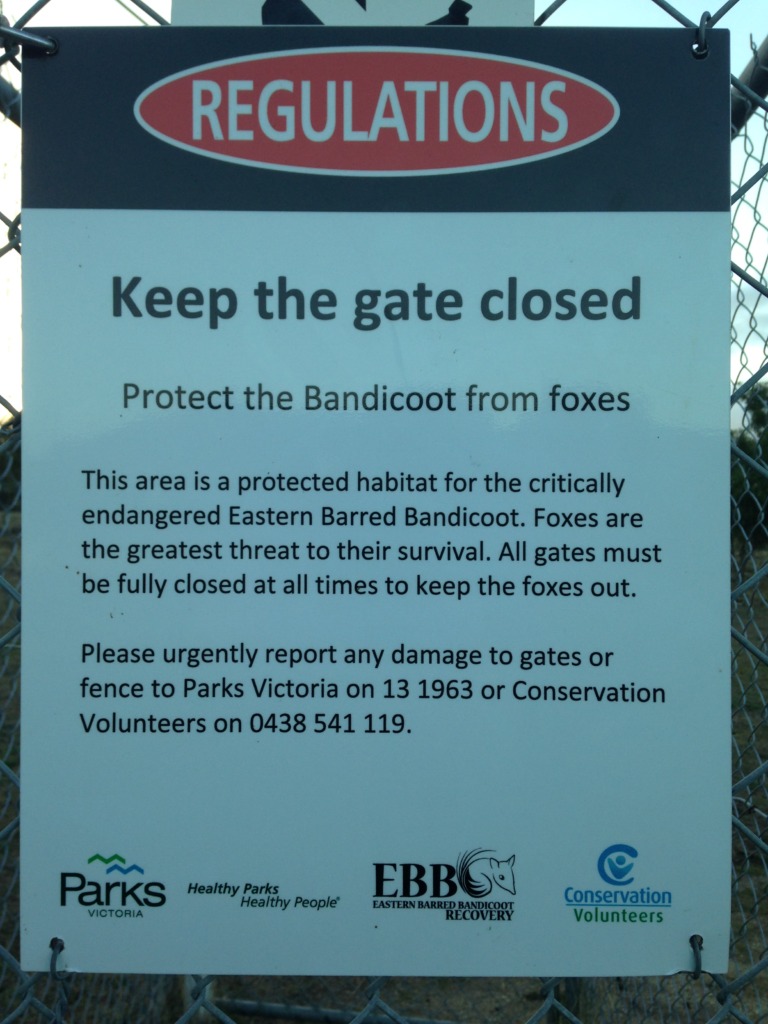
In addition to these projects, our volunteers continue their diligent fence patrols and maintenance to keep our main predator, the fox, on the outside of our properties. Check out how brazen this fox is on the video as it happily runs alongside the car and the fence line. It is a challenging time of year with a lot more fox activity as the females are coming into breeding season and last year’s young are looking to create their own home.
We’d like to say a big thanks to our Green Army teams, project partners and countless volunteers who come out and give us a hand protecting these rare grasslands that house our beautiful bandicoots. We’d also like to give a heartfelt thank you to our Global Giving donors - your generous and ongoing support is invaluable to our efforts to protect the bandicoots.
Please consider donating or sharing our story with your family and friends – with your support, together we can safeguard the survival of the Eastern Barred Bandicoot and their habitat.
Links:
Project reports on GlobalGiving are posted directly to globalgiving.org by Project Leaders as they are completed, generally every 3-4 months. To protect the integrity of these documents, GlobalGiving does not alter them; therefore you may find some language or formatting issues.
If you donate to this project or have donated to this project, you can receive an email when this project posts a report. You can also subscribe for reports without donating.



Support this important cause by creating a personalized fundraising page.
Start a Fundraiser