By Monique Pool | Director
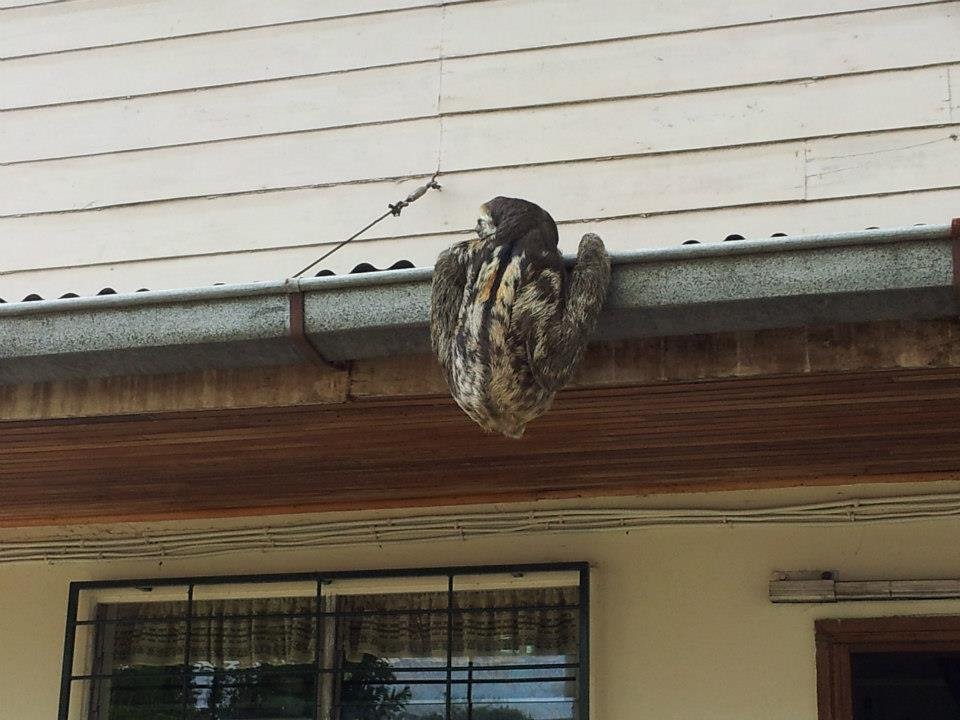
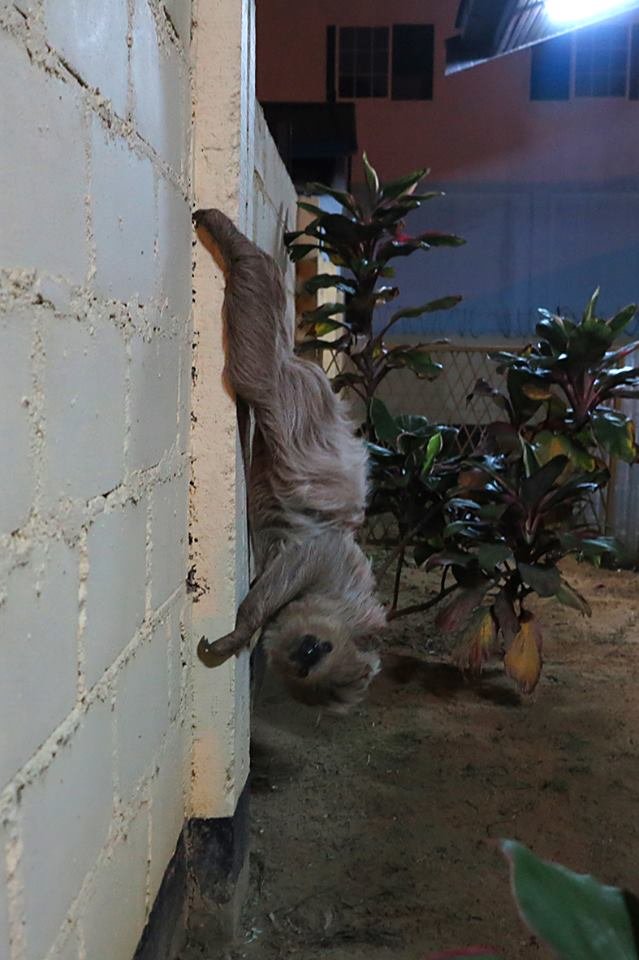
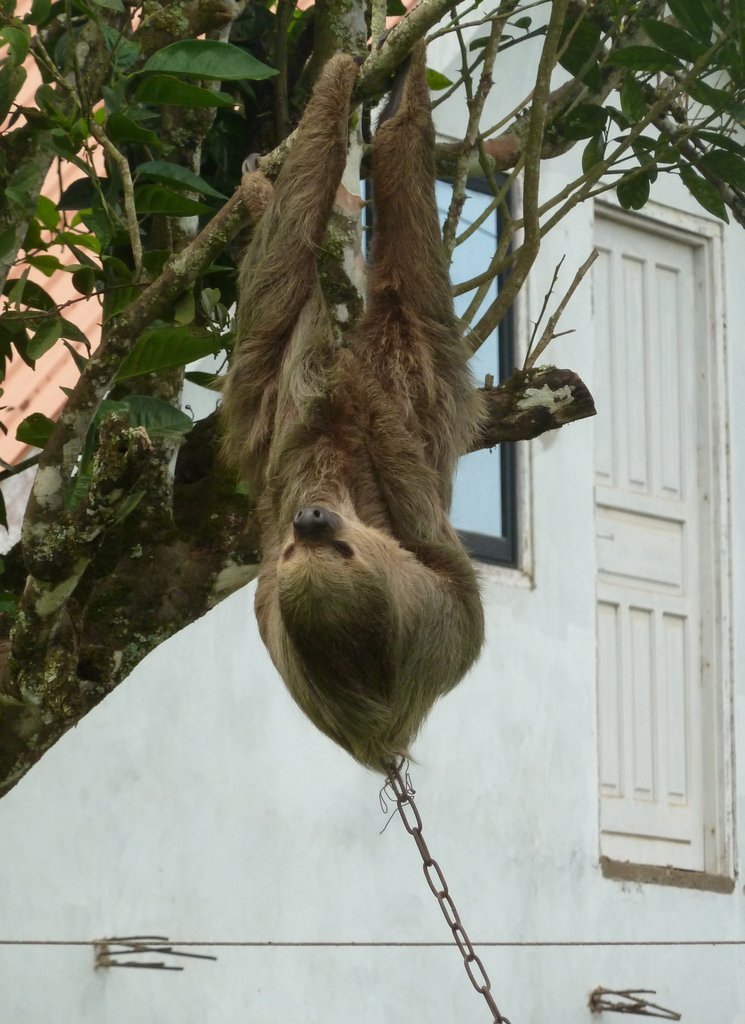
This year we already had many rescues and releases. Rescues normally involve animals in difficult situations, where the humans are not looking forward to co-habiting with a sloth or anteater either in their house, under their roof, or on their roof. Some of these rescues were not the normal rescue, care and release cases. Two of these rescues both involved lesser anteaters, that were wounded so severely that we did not know if they would survive.
Fredy the Anteater
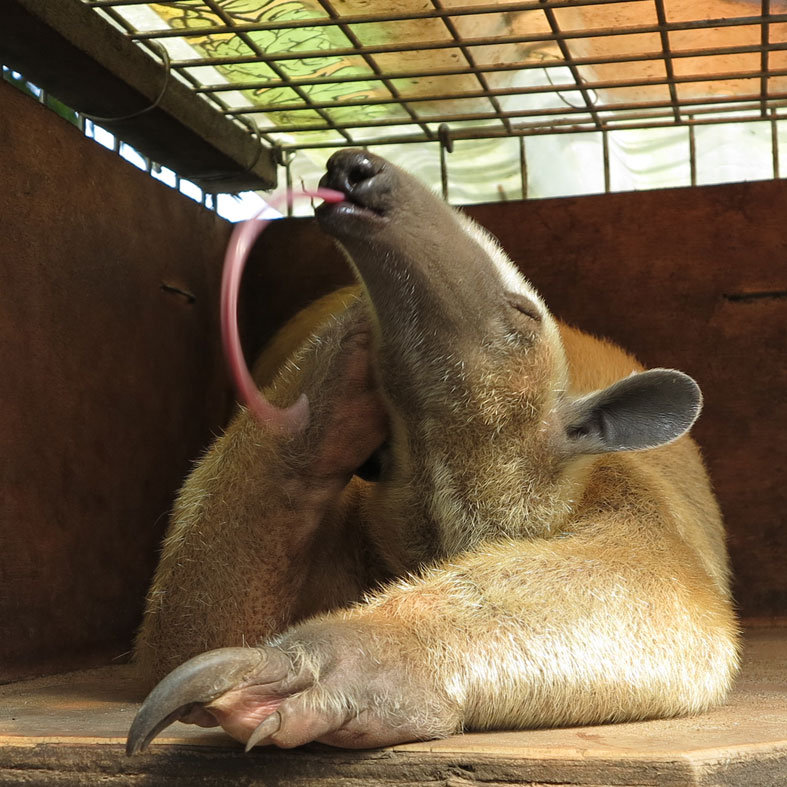
On January the 30th a lady called for an anteater rescue. She told us that the anteater was walking in the yard and climbing on the fence. "This behavior is unusual for a nocturnal animal,” I immediately remarked. The lady explained that she was afraid that the anteater was aggressive and therefore asked if we could rescue him before the neighbors' children got back from school. When we arrived at the destination we noticed that there were boards in front of the fence and the house. Before we could get to him we needed to climb over the fence. We found him laying on the ground in a corner with no movement and noticed that he had a wound on his head and on one eye. He was bleeding from these injuries. This was clearly the reason why the animal was moving during the day, it wanted to find a safe place.
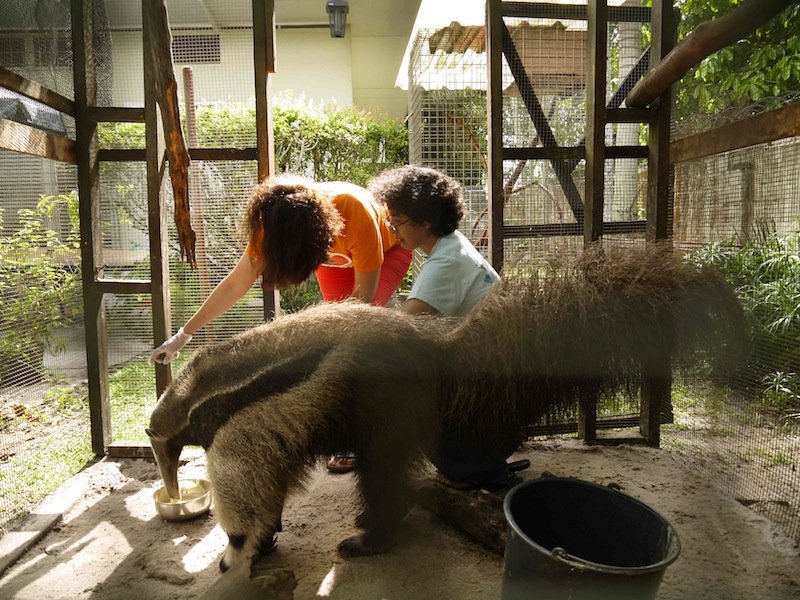
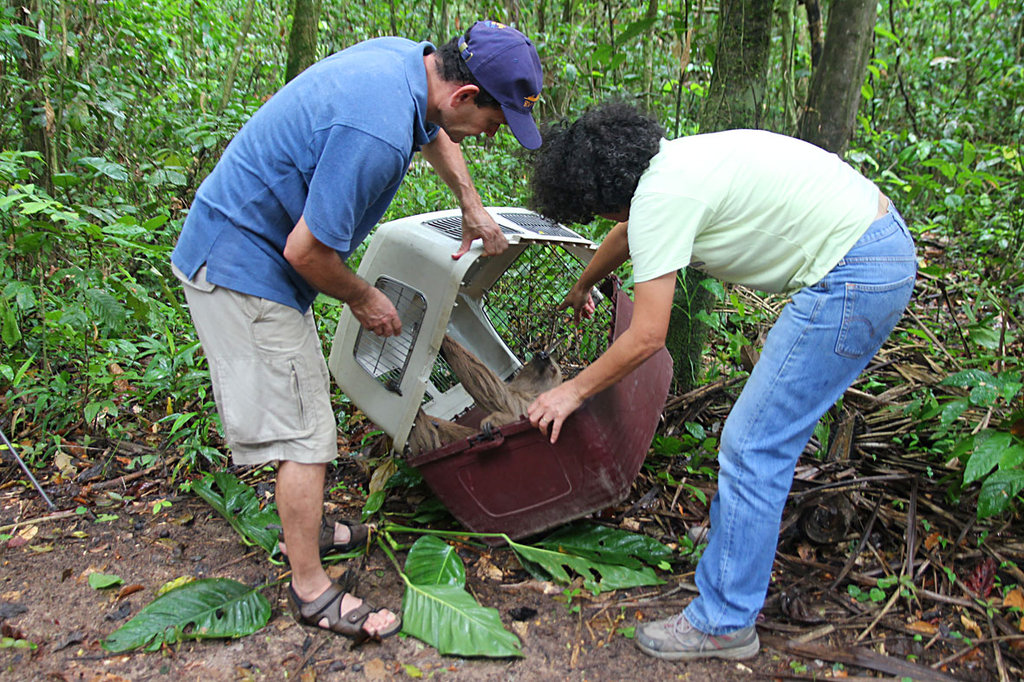
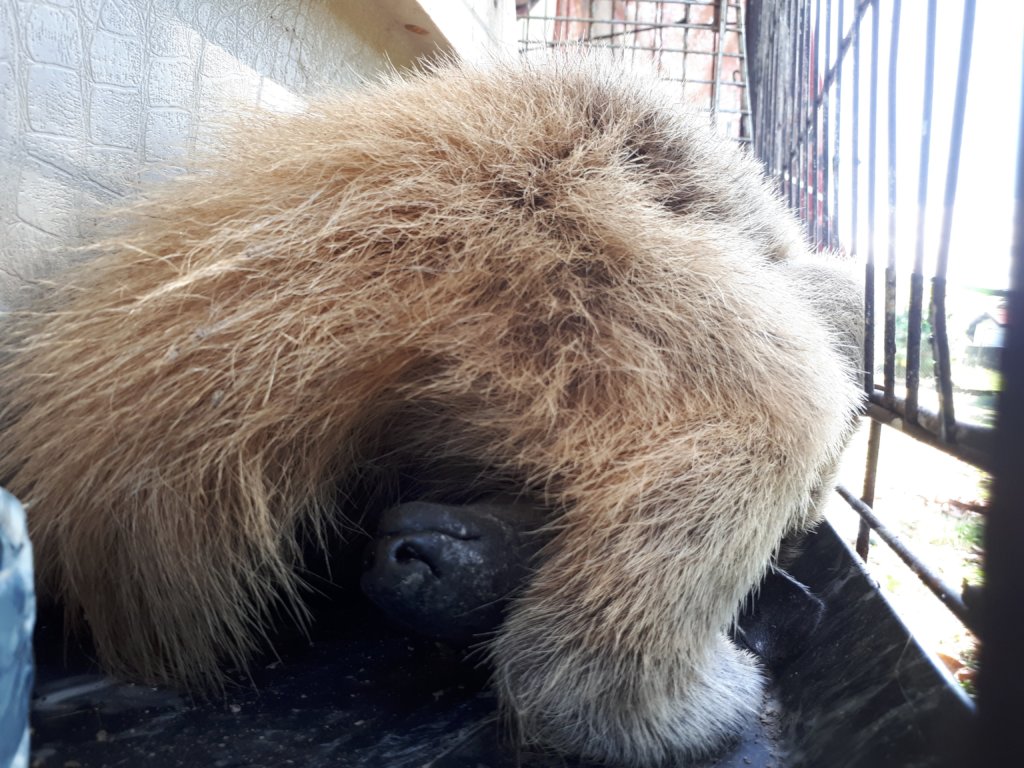
Without hesitation we placed him in the kennel and drove to the veterinarian. There they anesthetized him and cleaned his wounds, gave intravenous fluids and antibiotics, as well as a painkiller. Probably, he had a concussion, and it was clear that there was blood in his eye. We took him with us to the GHFS office in the city to rest and for closer observation and further treatment. Together with the veterinarian we kept a close eye on him and the process to his recovery. He received intravenous fluids for several more days, until he produced his first pee. We also found the animal sleeping in typical anteater fashion, with the head between the hind legs, only showing its nose. In the last week before he was released we saw that he displayed more and more normal behaviour, when we cleaned the cage. He ate termites' nests at night, would drink the yoghurt we provided, something the animal clearly took a liking to. Within 20 days he was fully recovered and ready to be released in Saramacca. Treating the animal was no longer possible, as it would stand up in attack position, a clear sign it had recovered very well. We took the animal on the 17th of February to the Bloemendaal Apartments resort, where they assisted us with the boat to bring the animal to the uninhabited shore of the Saramacca river.
Highway Anteater
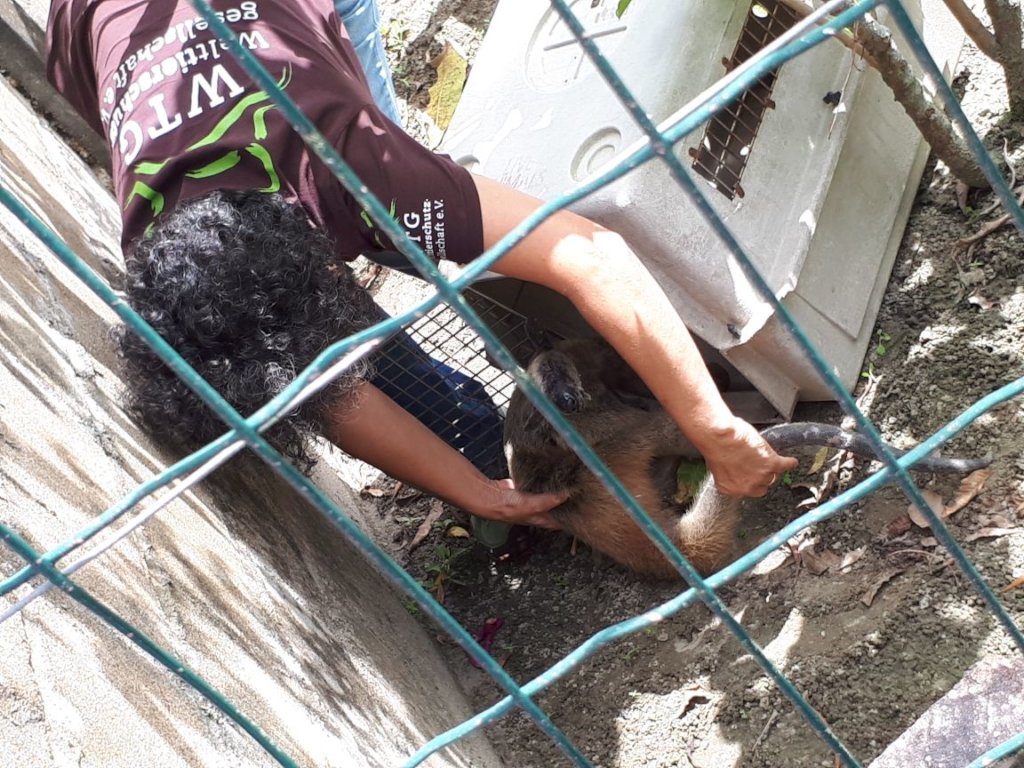
On Saturday the 7thof April again a wounded lesser anteater was reported. The person who had found the animal on the Highway had not actually seen that the animal was hit by a car, but it was lying near the road. He put it in a box and took it with him in the hope it would get better. At the end of the day he decided to call to get assistance. As I was in Saramacca at the sloth rescue center, I called our veterinary doctor Audrey to see if she could help. While the gentlemen were driving from the south to the vet, I was driving back from the west to the vet. When I arrived at vet Audrey’s office they were already there, and she had started the treatment. The animal came in bleeding from its nose. And while she treated it, it had some sort of epileptic seizure. There were no external wounds, no swelling. We can only guess what happened to her. After 3 days I saw her eating for the first time. After a few days more rest she progressed from limited mobility in the city to a bigger enclosure in Saramacca, where they continued to monitor her and provided her with her favorite food, termite’s nests. She was released after ten days with us.
We are grateful for these happy endings. Unfortunately, not all our rescues have a happy ending and each and every time it remains our single most important task to provide each individual animal with the best care we can get. We thank you, our Global Giving friends, as always for your continued support.
Project reports on GlobalGiving are posted directly to globalgiving.org by Project Leaders as they are completed, generally every 3-4 months. To protect the integrity of these documents, GlobalGiving does not alter them; therefore you may find some language or formatting issues.
If you donate to this project or have donated to this project, you can receive an email when this project posts a report. You can also subscribe for reports without donating.