By Agatha Musiimenta | Project leader.
HER PERIOD SHOULDN’T END HER EDUCATION: VOICES FROM GIRLS WE MET AND THEIR PARENTS.
Globally, millions of girls miss school every month because they cannot safely manage their periods. In many low-income communities, one in ten girls in Sub-Saharan Africa misses’ school during menstruation due to lack of sanitary products, stigma, menstrual pain, inadequate sanitation facilities, and limited support systems.
In Uganda, menstruation continues to be a silent barrier to girls’ education and wellbeing. It is estimated that at least 23% of girls aged 12–18 drop out of school due to the onset of menstruation and lack of adequate menstrual management support. These repeated absences often contribute to school dropout, increasing girls’ vulnerability to child marriage, early pregnancy, and long-term poverty.
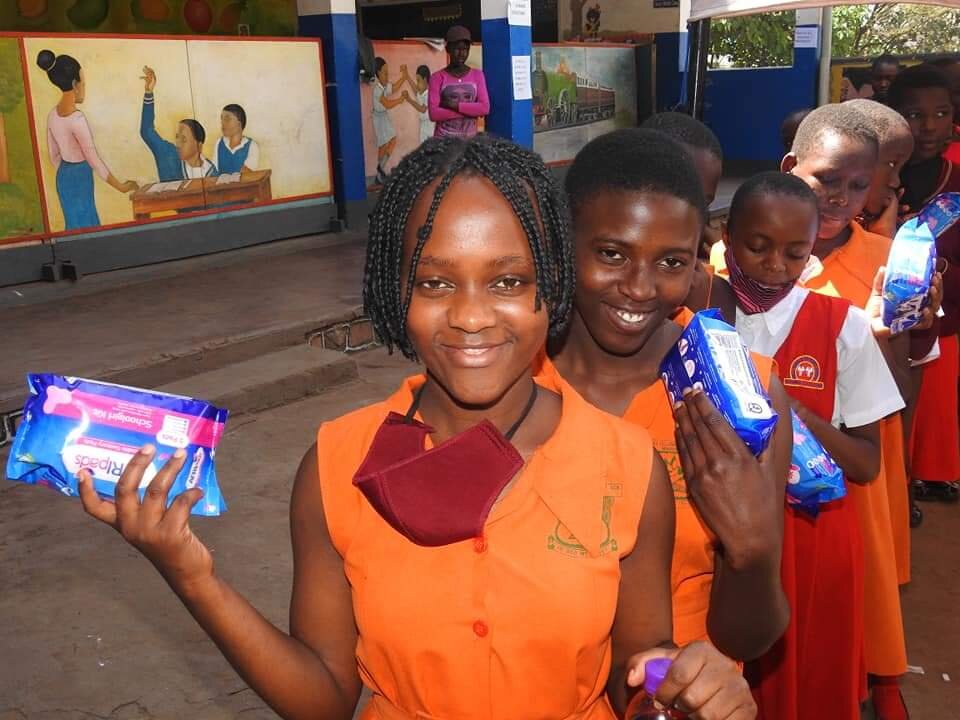
Through our “Sanitary Towels for Girls in Rural Schools” project, our team recently visited Makerere- Kivulu a slum community in Uganda to conduct a health and safety survey on menstrual health and hygiene, focusing particularly on girls who are currently out of school. These girls are often the least reached yet the most vulnerable, and understanding their experiences is essential in designing meaningful interventions in our programs.
To assess the health and safety challenges faced by adolescent girls regarding menstrual health and hygiene in the community.
To understand the experiences of out-of-school girls and how menstrual health challenges contribute to school absenteeism and dropout.
To identify knowledge gaps, myths, and cultural beliefs surrounding menstruation among girls and community members.
To engage parents and guardians to better understand their perspectives on menstrual health and girls’ education.
Activities accomplished
Health and Safety survey on menstrual health and hygiene.
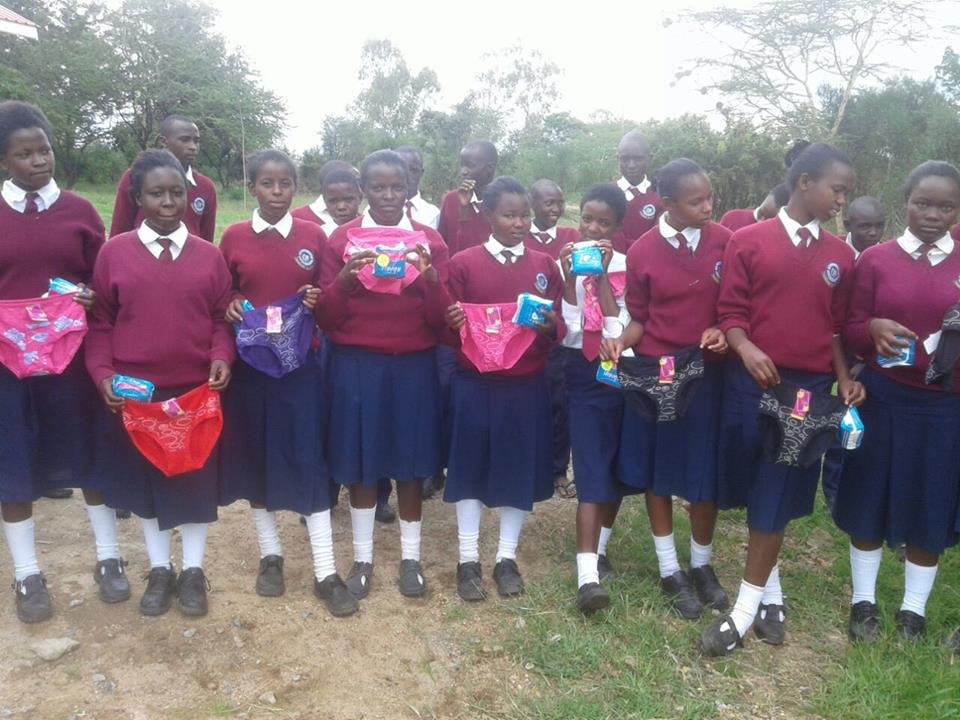
During the visit, we held one on one conversations with at least 15 girls aged 13-19 years to learn about the realities they face when managing menstruation without adequate resources or support. Many girls shared thatthey do not have access to sanitary pads or even basic underwear, and are often forced to improvise with unsafe alternatives, such as cutting and using old clothes as makeshift pads. These practices not only affect their hygiene but also expose them to health risks, discomfort, and shame, often keeping them away from school or community activities.
A concern that repeatedly emerged during the discussions was the severe and often unbearable pain many girls experience during their periods. Several girls described intense abdominal cramps, headaches, and body weakness that make it difficult to attend school. Without access to proper information, medical guidance, or supportive environments, many girls simply endure the pain in silence. Some reported staying at home for several days every month because the pain becomes overwhelming, which further disrupts their education and confidence.
Beyond the physical challenges, the survey also highlighted the social and safety risks surrounding menstruation. In communities where menstrual health is rarely discussed openly, girls often feel embarrassed to seek help or ask for sanitary materials. When asked whether girls should openly discuss these issues with adults, many responded “no,” and when asked if girls are unclean during menstruation, a number agreed, while others believed girls should not openly participate in activities. These responses reveal a significant information gap and persistent myths surrounding menstrual health. For girls who have already dropped out of school, this isolation is even deeper, and without the protective structure of school or economic opportunities, they are more likely to become victims of child marriage or early pregnancy, cutting short their childhood and future potential.
community Dialogue with some parents and guardian.
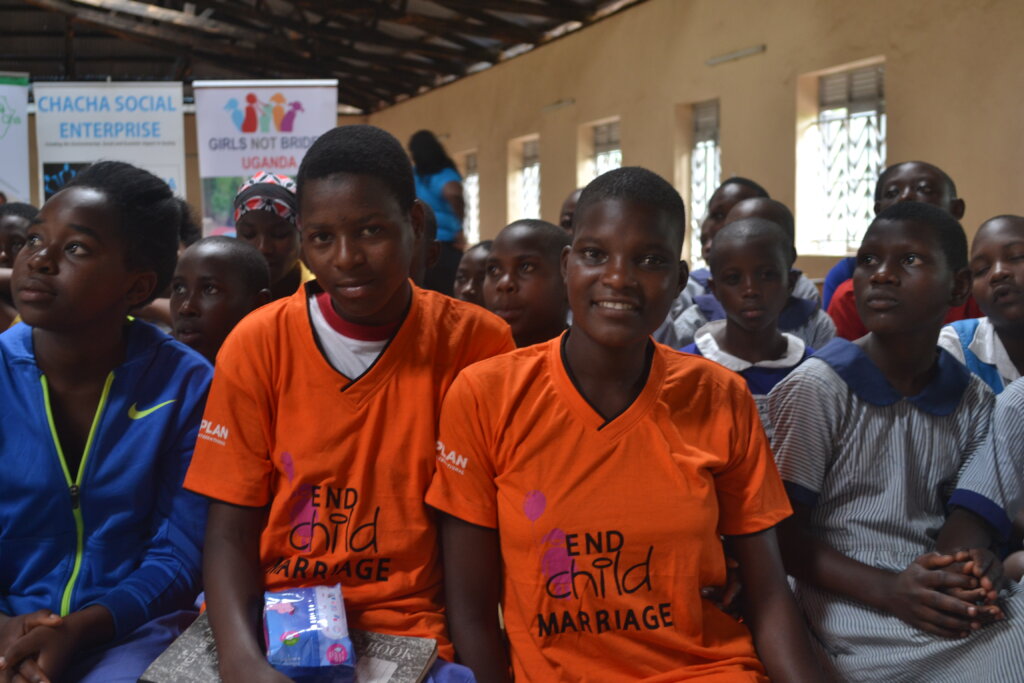
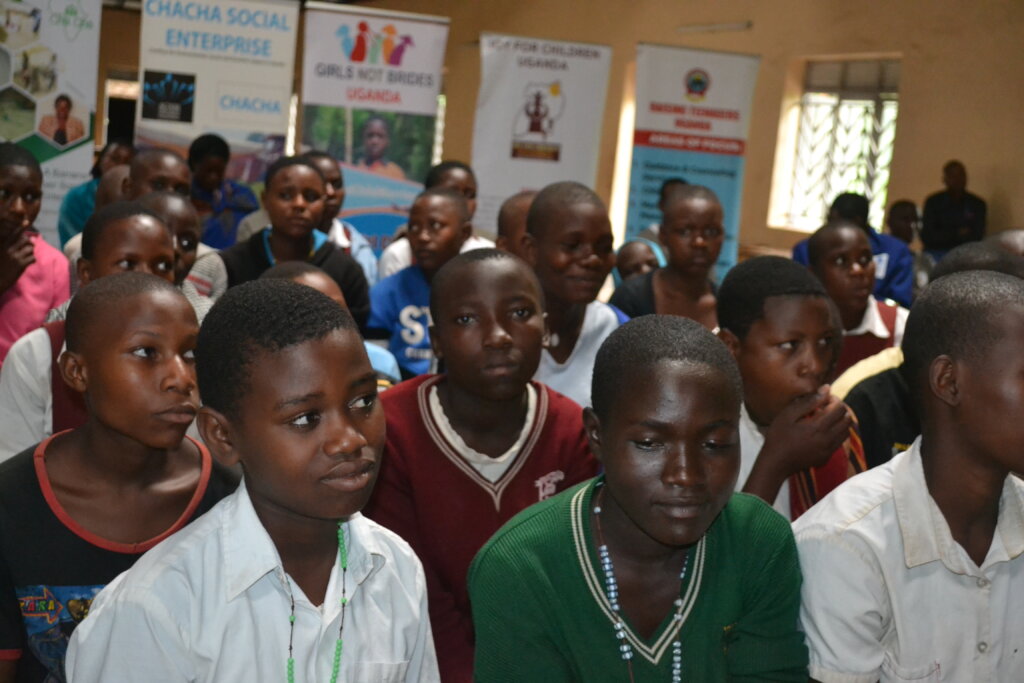
We also held a community dialogue with some parents, guardians, and chair person LC1 of the community, where we shared some of the concerns raised by the girls and calledupon parents to openly discuss their views on girls’ education and menstrual health. The discussion created space for community members to reflect on the challenges girls face during menstruation and their inability to openly discuss these issues and how these cahllenges affect their ability to remain in school. Many participants expressed appreciation to Joy fir Children Uganda for the conversation, noting that such topics are rarely discussed openly within the community and encouranges us to keep leading these dialogues.
Several parents also acknowledged that limited awareness and economic constraints make it difficult for them to adequately support their daughters during their menstrual cycles. Some shared that they lack information on how to guide girls through menstruation, while others pointed out the challenge of affording sanitary materials. These conversations highlighted the need for continued community engagement and education, and reaffirmed the importance of involving parents and community leaders in promoting menstrual health awareness and supporting girls to stay in school.
Lessons learned.
Future plans and Recommendations.
Appreciation Note.
Thank you for continuing to stand with us and with the girls whose stories often go unheard. Your support makes it possible for us to listen, learn, and advocate for solutions that help girls stay safe, healthy, and empowered.
Project reports on GlobalGiving are posted directly to globalgiving.org by Project Leaders as they are completed, generally every 3-4 months. To protect the integrity of these documents, GlobalGiving does not alter them; therefore you may find some language or formatting issues.
If you donate to this project or have donated to this project, you can receive an email when this project posts a report. You can also subscribe for reports without donating.



Support this important cause by creating a personalized fundraising page.
Start a Fundraiser