By PHIONA KABAHUBYA | Project Manager
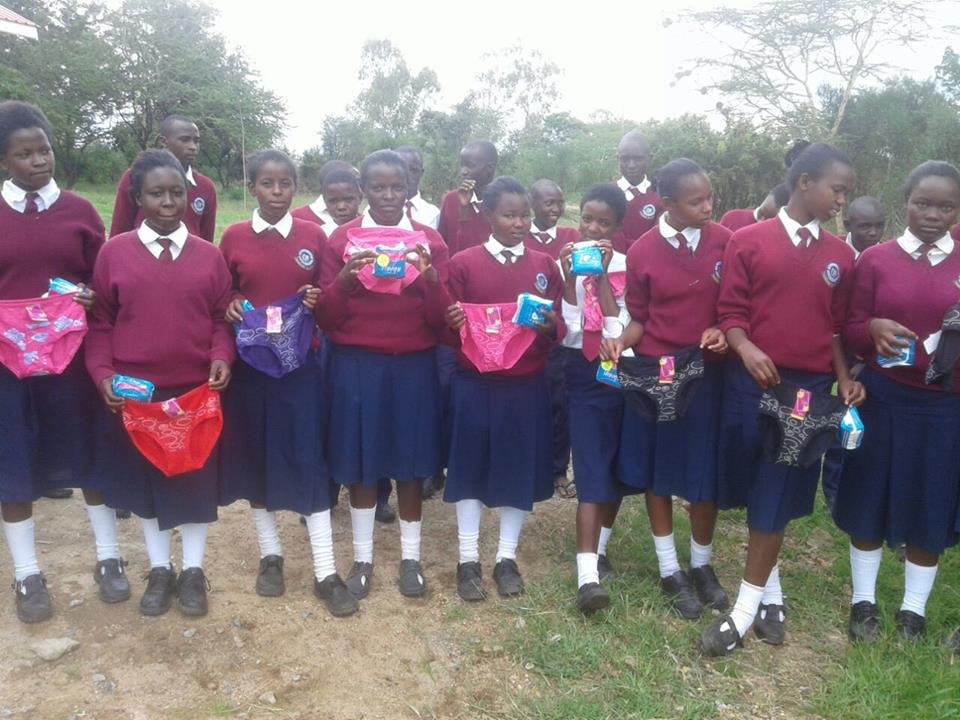
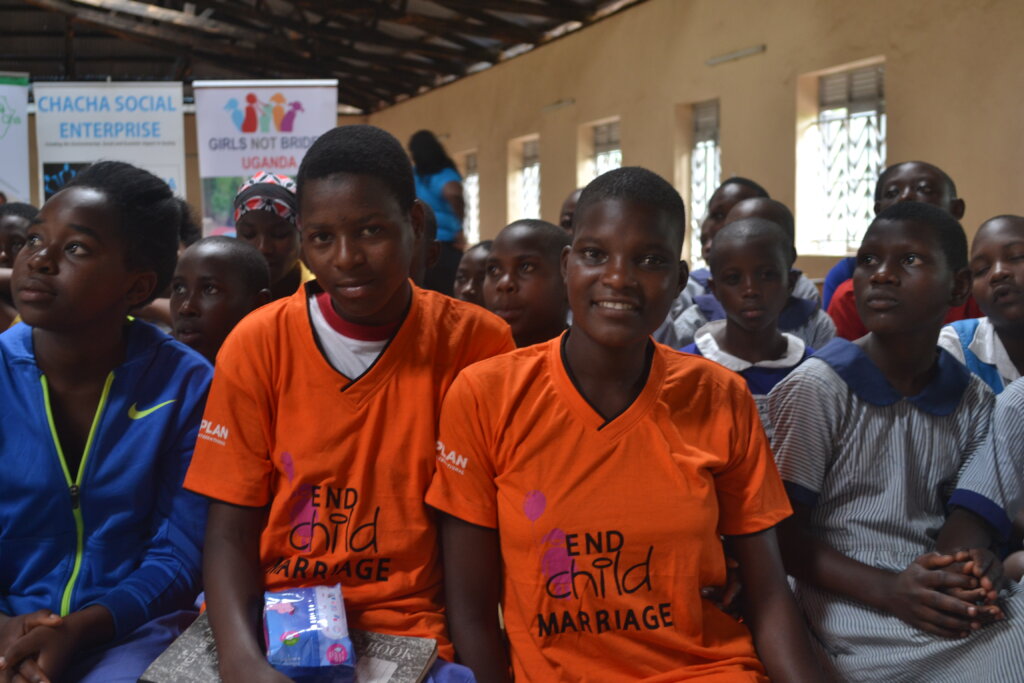
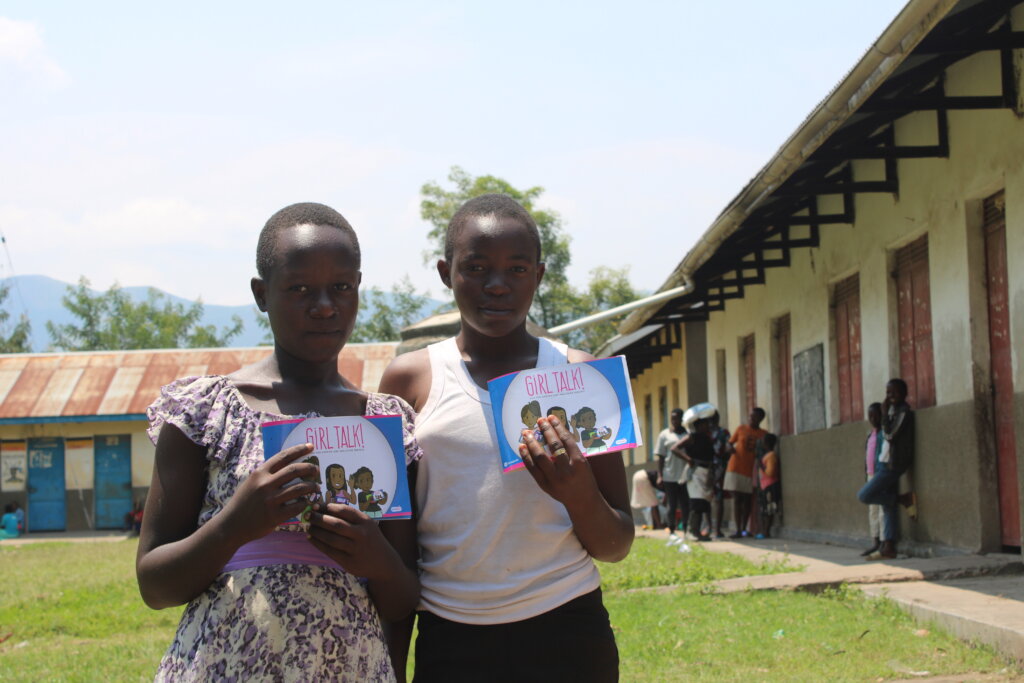
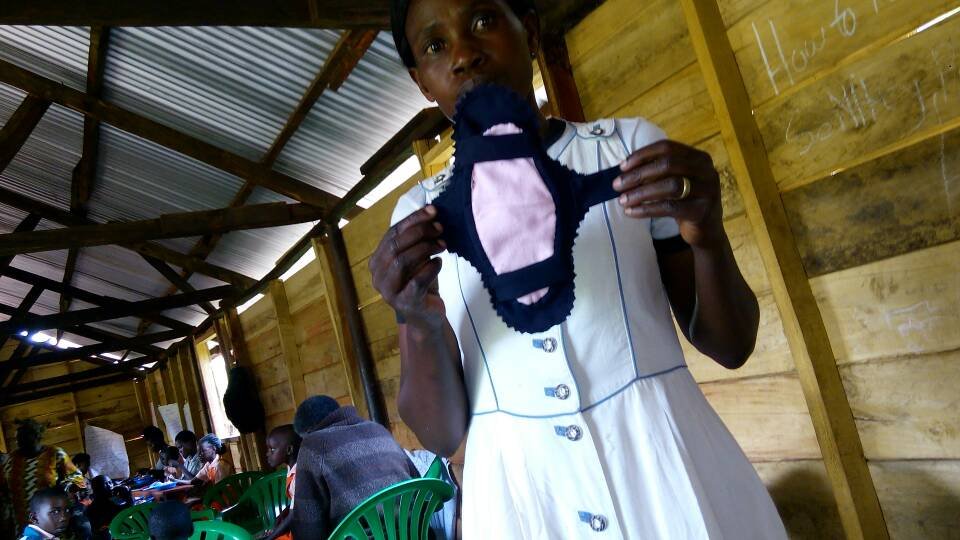
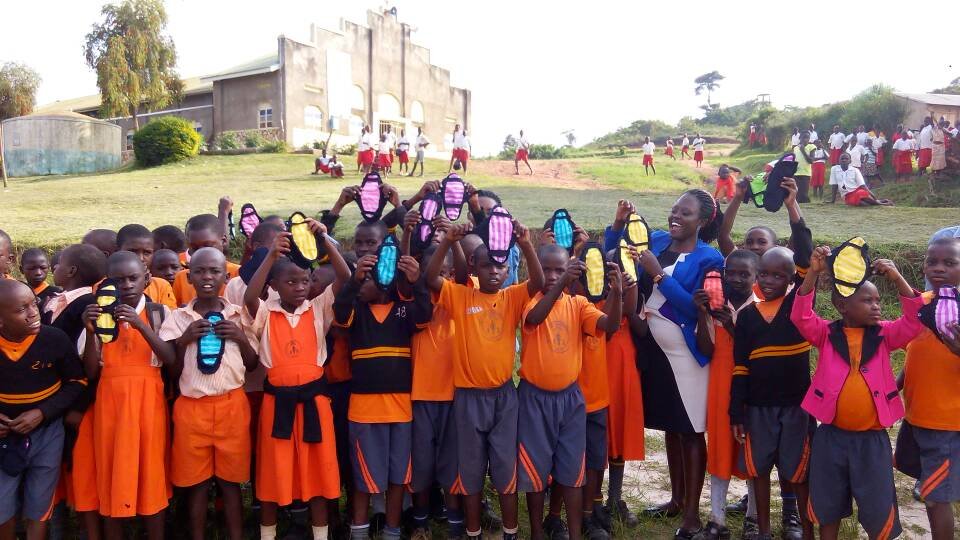
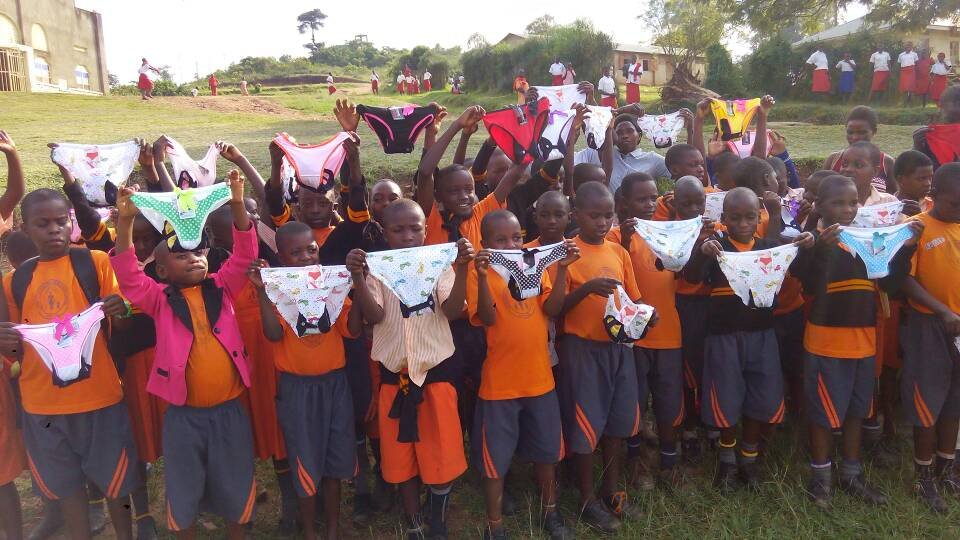
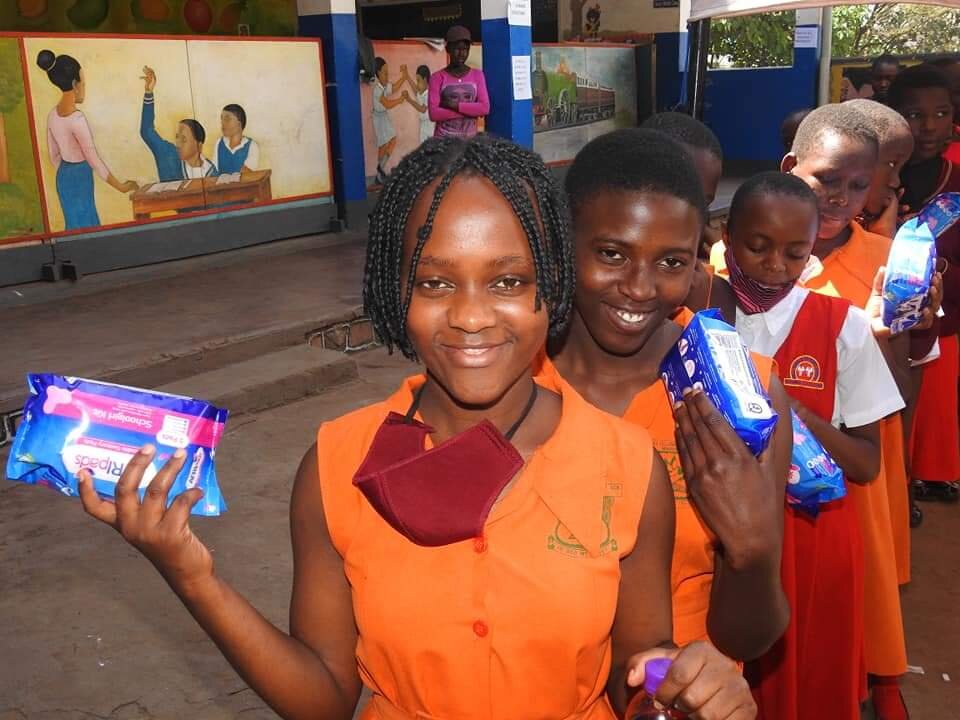
In July, 2017, the Project Manager and the staff of JFCU-Fort Portal trained girls in MENSTRUAL MANAGEMENT and supplied REUSABLE SANITARY PADS in schools of Mugusu Sub County, Kabarole District. This sub county was selected because of many local reports that girls’ absenteeism in upper primary of Uganda’s rural schools was on the increase which the organization associated with poor menstrual hygiene.
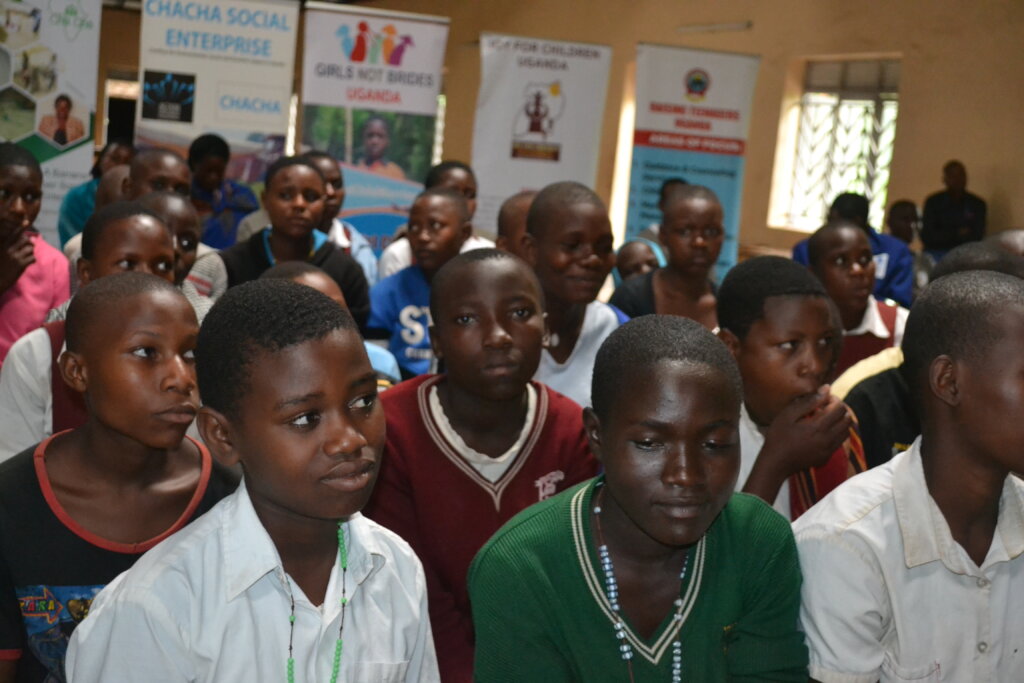
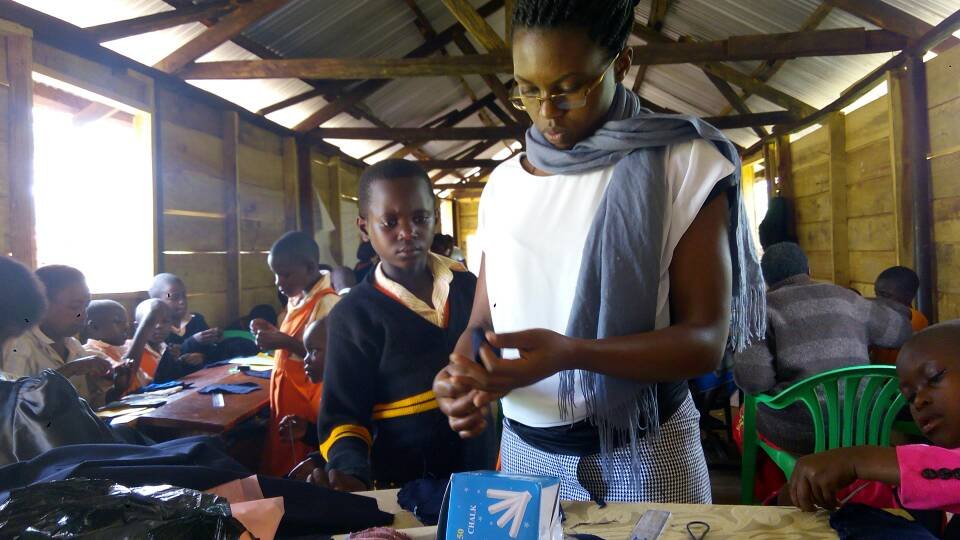
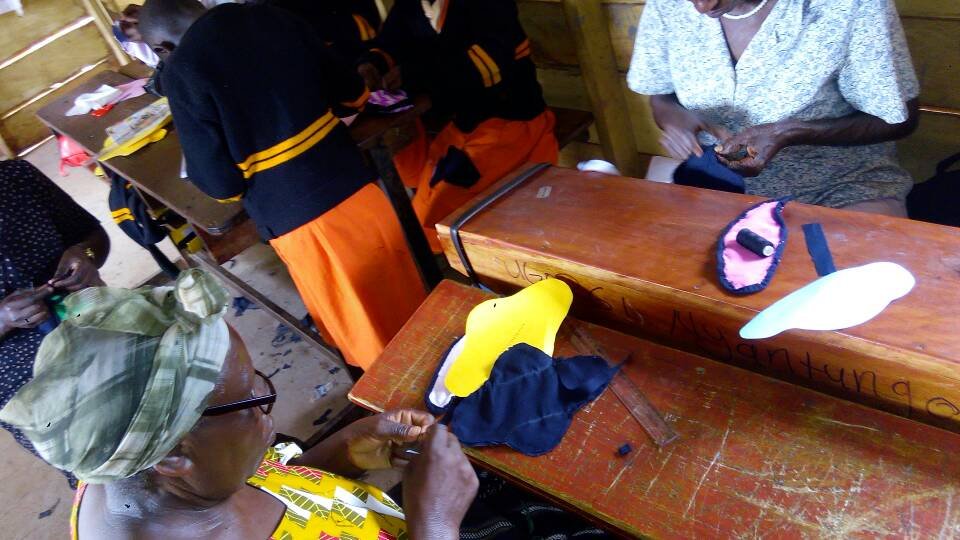
In response to this concern, JFCU organized a training workshop on Menstrual Hygiene. The training was conducted in a workshop that was conducted at Magunga Primary School, a school on the slopes of Mt. Rwenzori. Teachers of this school requested that parents and their daughters first get trained in making reusable sanitary pads using available local materials like clothes.
The training spun on the following objectives:
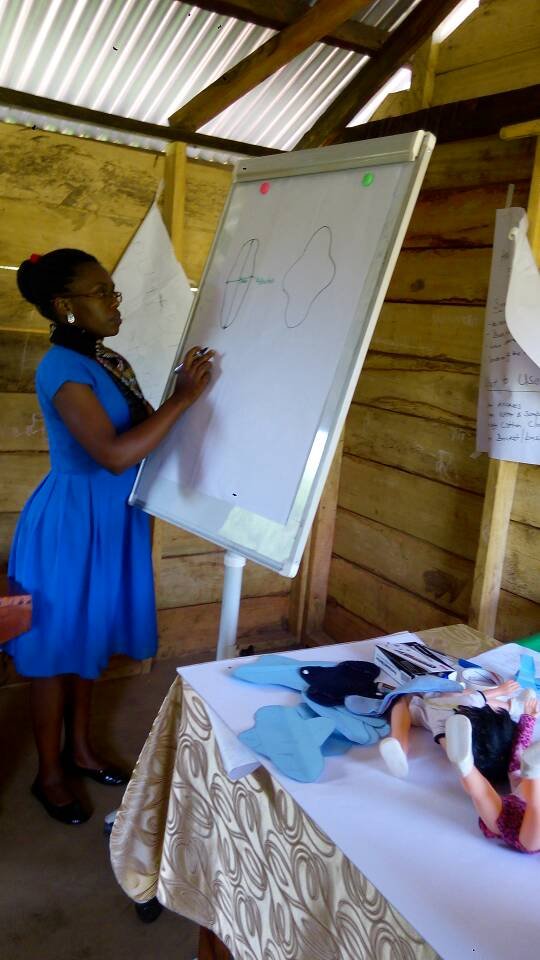
The participatory approach was applied by facilitators so as to give participants the opportunity to have hands-on experience in making RUMPS. Among the participants, was the Head teacher, Magunga Primary School, who not only commissioned the workshop but also sensitized other participants on the value of the skill they were about to acquire.
The facilitators enlightened the participants on reproductive health. It was agreed upon, with several examples that individual reproductive health needs differ at every stage of life. In this regard, men were encouraged to get actively involved in reproductive health matters of people in the homes especially their daughters.
The facilitators guided the participants to share knowledge on matters related to the menstrual cycle, infections related to the reproductive tract, health risks caused by some sanitary products and materials and the basics of menstrual hygiene. Participants were divided into groups of ten people as a way of fostering their participation. Group leaders later shared their findings in form of presentations.
During the workshop, menstrual hygiene challenges girls and women identified were: embarrassment in public, high cost of pads, fear and shame of buying pads, abuse from boys, fear to disclose the state of beginning menstrual periods, rushes caused by sanitary pads, school absenteeism, stomach pains, lack of knickers, lack of money to buy pads, excessive bleeding, bad smell from blood, neglect of parents, and poor academic performance due to low concentration during menstruation periods.
In the same way, participants identified the impact menstrual hygiene can have on girls’ and women’s education, work, family life and general wellbeing as: school dropout, missing lessons, early marriage, early pregnancy, psychological torture and low output.
To crown it all, the facilitators enlightened the participants on the menstrual hygiene challenges girls face by associating them with the “Cycle of Neglect”. The cycle was illustrated as follows:
Lack of involvement in decision-making; Lack of information and awareness; Lack of access to products and facilities; Lack of social support; and finally, Impact on education
In the effort to promote menstrual hygiene management in Mugusu Sub County, JFCU has registered the following achievements: most girls in primary schools can make reusable sanitary pads;
Despite the above achievements, JFCU still faces a number of challenges like:
Project reports on GlobalGiving are posted directly to globalgiving.org by Project Leaders as they are completed, generally every 3-4 months. To protect the integrity of these documents, GlobalGiving does not alter them; therefore you may find some language or formatting issues.
If you donate to this project or have donated to this project, you can receive an email when this project posts a report. You can also subscribe for reports without donating.



Support this important cause by creating a personalized fundraising page.
Start a Fundraiser