By MUGOYA ROGERS | PROJECT COORDINATOR
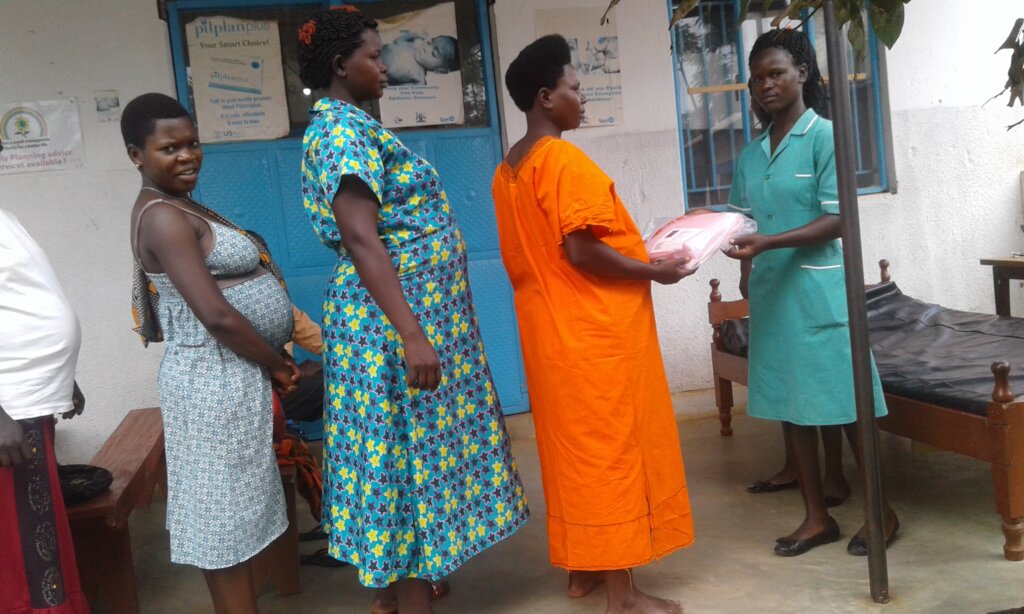
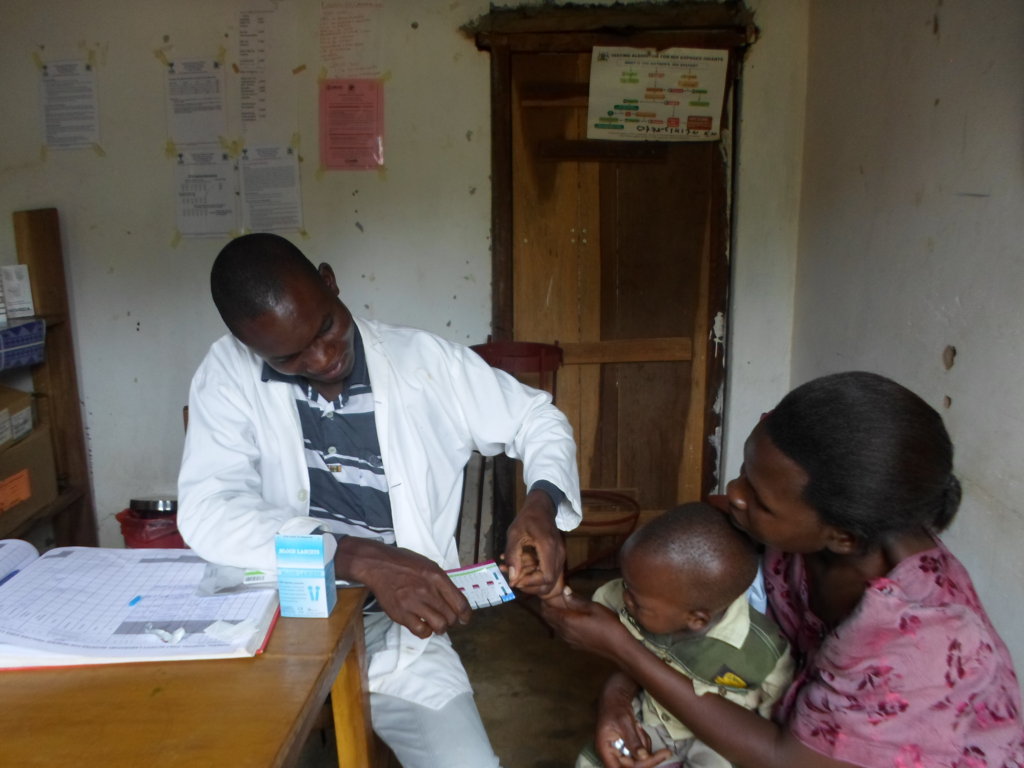
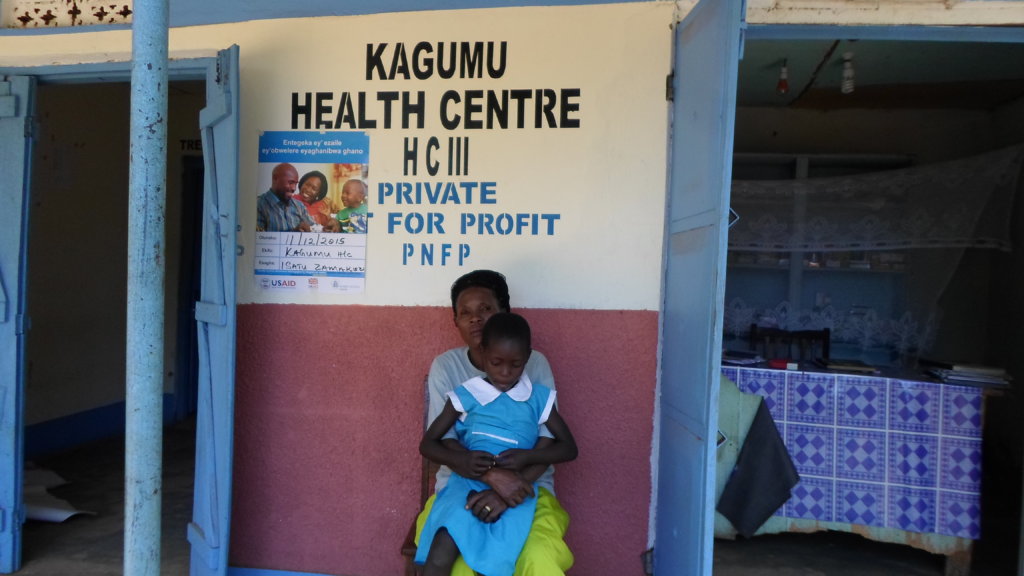
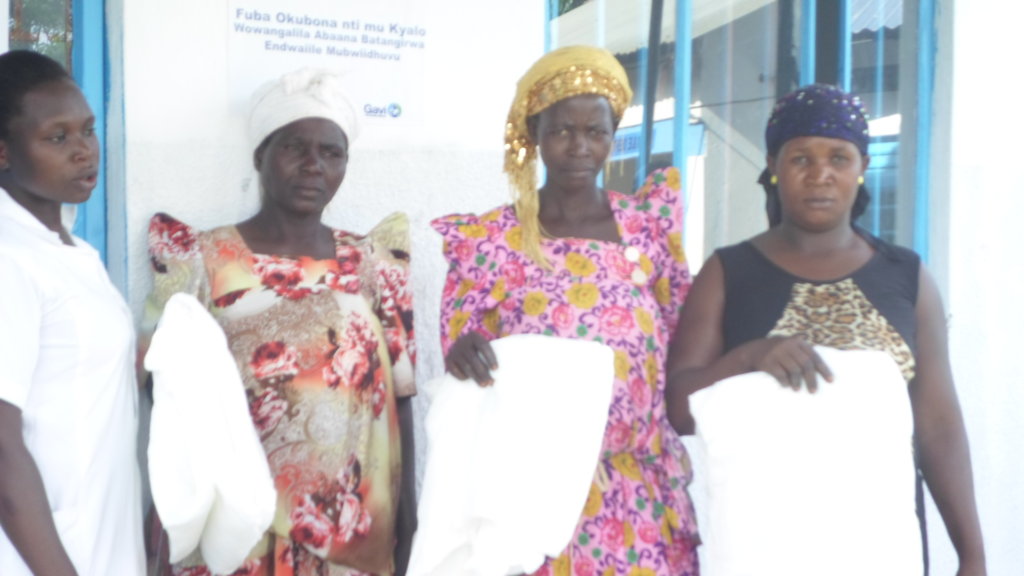
QUARTERLY REPORT FOR JANUARY TO MARCH 2020 ON SUPPORT SAVE 750 PREGNANT MOTHERS FROM MALARIA IN UGANDA Summary This is April – June quarterly activity and status report on “support Save 750 Pregnant women from malaria in Uganda” project in Kibuku district. The goal of the project is to contribute to the reduction of maternal mortality rates. The project is implemented in the district of Kibuku,” is reliant on financial support from donors under the GlobalGiving and Kagumu Community. KADO is grateful to all donors and the community for the support that contributed to the realization of these quarterly results. A total of 212 pregnant mothers received Health education, 87 mothers received a LLIN each and was found out that 90% had adopted best Health practices during pregnancy.
Services offered.
• Antenatal care
• Malaria Testing and treatment
• Distribution of Doom mosquito repellant.
. monitoring and evaluation.
ACHIEVEMENTS
>Health educated 212 pregnant mothers.
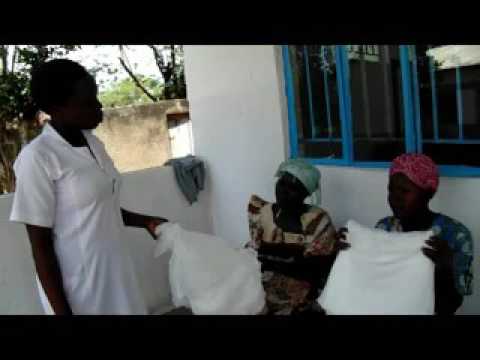
> Procured 187 medium long-lasting insecticide treated mosquito nets and 87 mothers received a LLIN each.
> Monitored and evaluated a total of 212 mothers.
>Received 125 testing Kits from the Ministry of Health Through Kibuku District DHO’s office
>Offered ANC services to 212 Pregnant women.
CHALLENGES
RECOMMENDATIONS
By MUGOYA ROGERS | PROJECT COORDINATOR
By MUGOYA ROGERS | PROJECT COORDINATOR
Project reports on GlobalGiving are posted directly to globalgiving.org by Project Leaders as they are completed, generally every 3-4 months. To protect the integrity of these documents, GlobalGiving does not alter them; therefore you may find some language or formatting issues.
If you donate to this project or have donated to this project, you can receive an email when this project posts a report. You can also subscribe for reports without donating.



Support this important cause by creating a personalized fundraising page.
Start a Fundraiser