By Uma Athale | Project Officer
Delhi has a population of over 17 million and yet is home to over 400 species of birds. Several resident species of birds like pigeons, parakeets, fly-catchers, owlets, kites, Egyptian vultures are found all across the city. Of these parakeets, pigeons and raptors can be commonly found even in a comparatively densely populated urban area. Besides being exquisitely beautiful in their own right, each bird occupies an important place in the ecology of this urban landscape.
Raptors or ‘birds of prey’ are one of nature’s best adapted scavengers. Though most raptors are opportunistic hunters, some like vultures and kites are scavengers, and feed on carcasses thereby preventing it from rotting and becoming breeding grounds for disease-causing pathogens. Delhi and the areas neighbouring it have a healthy population of kites as well as Egyptian vultures.
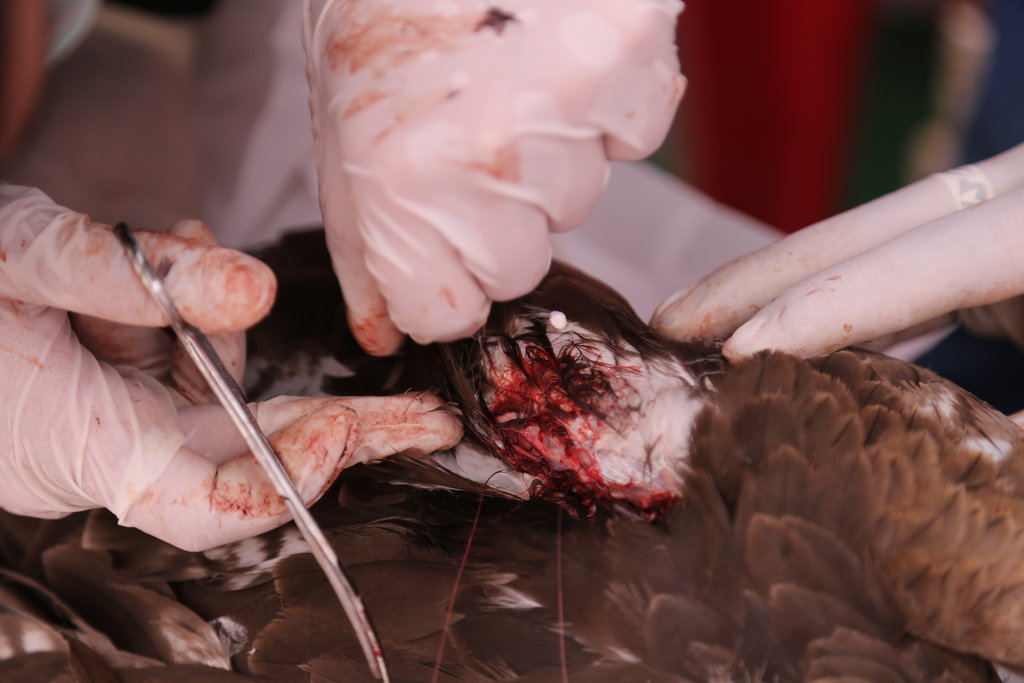
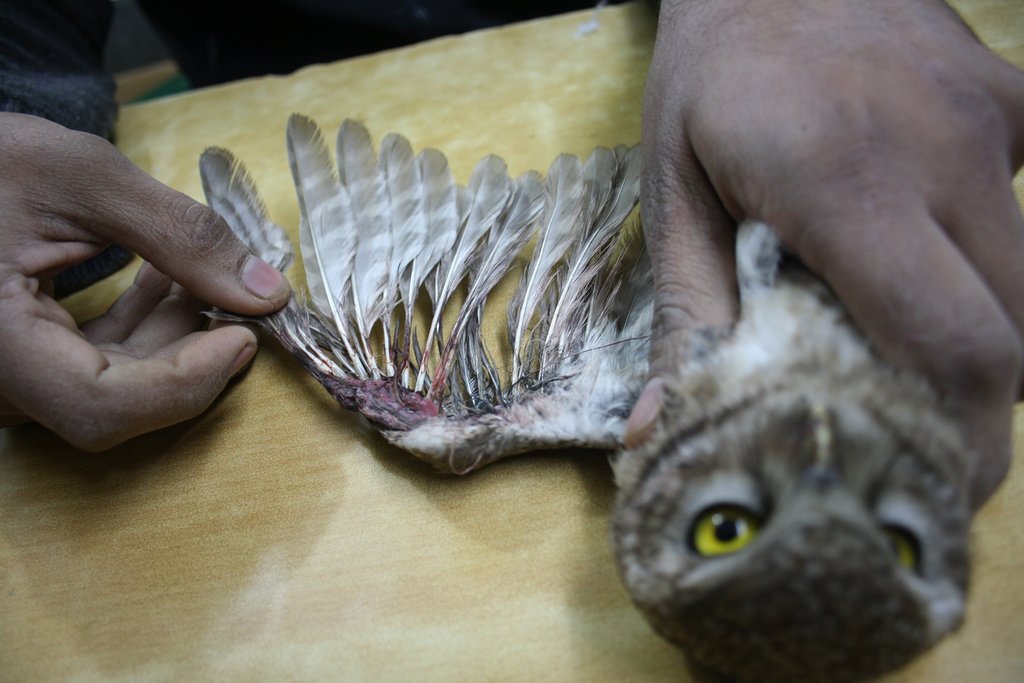
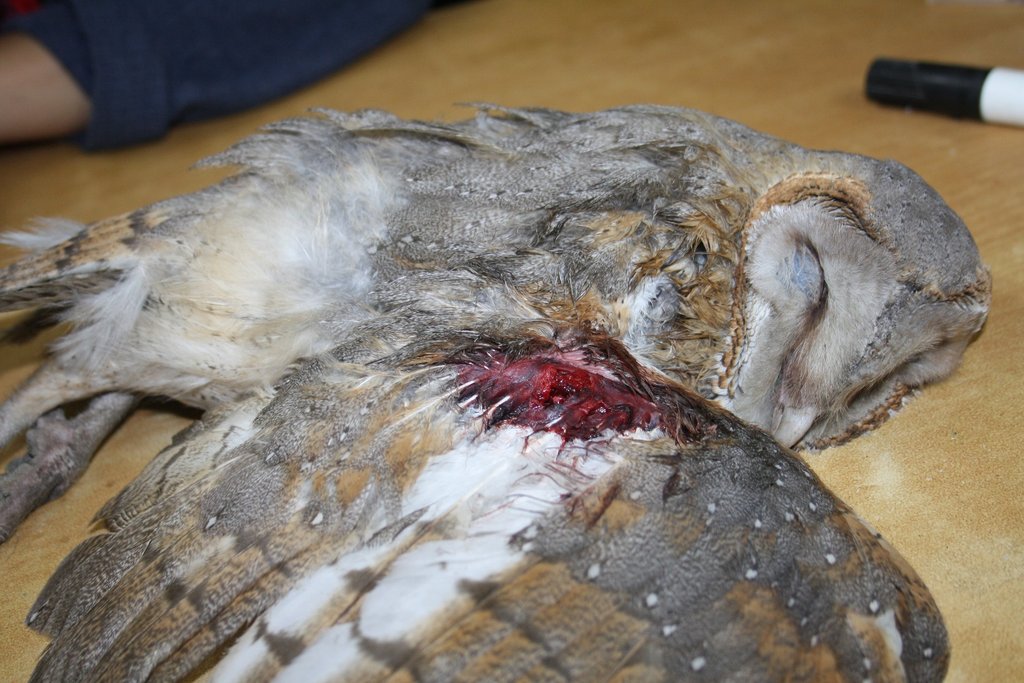
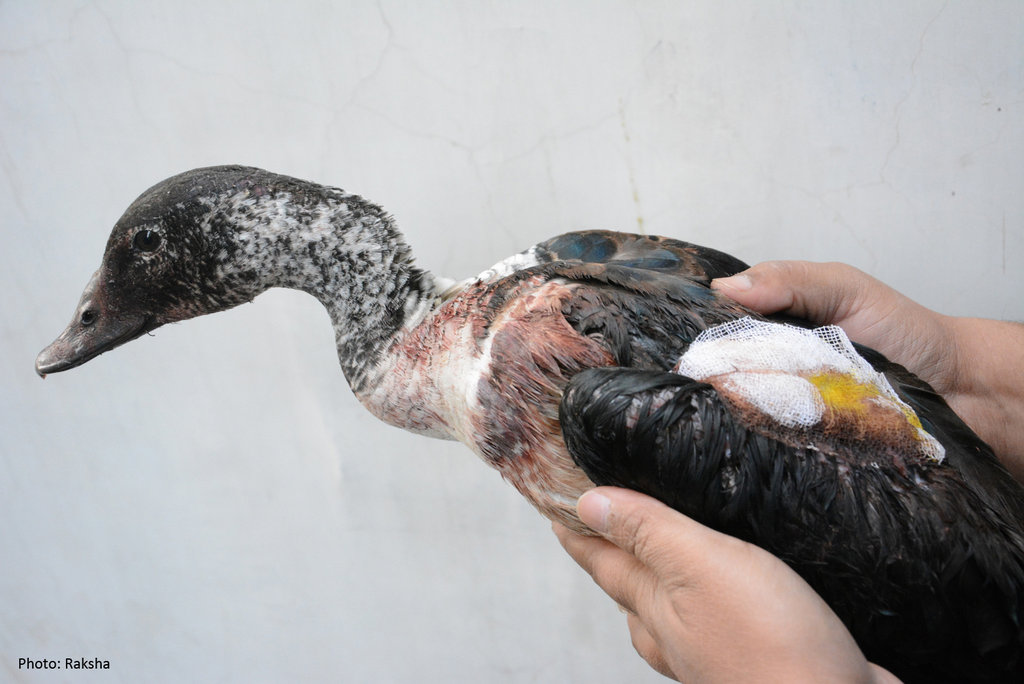
Though the threats to urban birdlife are many, a single major threat in Delhi revolves around the tradition of ‘kite flying’. Delhi has an age old tradition of paper kite flying also known as ‘patang baazi’ where the skies are filled with thousands of paper kites. People attach powdered glass, metal coated and nylon strings called ‘manjha’ to the kites to help them break others’ kite strings while competing with them.The sharp threads are highly dangerous for birds in flight as they injure them while in flight, to the extent of cutting through flesh and even bone at times. In some cases, the injuries prevent the bird from flying thus permanently disabling it, and in other cases, the manjha can cause death instantaneously.
Although there are a few extremely efficient and dedicated bird rescue professionals at work, day in and day out to tend to the birds, the sheer numbers of injured birds makes it difficult for each bird to be given due care and attention while it recovers. In the month of August alone, there were around 250 cases of raptor injuries tended to by bird rescue teams in Delhi. This does not count another 60 odd cases of other birds like pigeons and egrets who also sustained kite-string injuries.
This RAP supported a bird relief and rescue hospital in Old Delhi. A 24 hour helpline was set up with the telephone number widely distributed in the area as well as put up in local police stations. Open air aviaries were set up to house the injured birds which were then released after treatment.
Volunteers were recruited from among the local people to help man the helpline as well as take care of the injured birds. The volunteers received and act upon the raptors and other bird rescue calls in their respective zones and brought them to the centre. The injured birds were provided with necessary veterinary care which included suturing of wounds, administering medicines, proper dietary care etc until they were deemed fit for release.
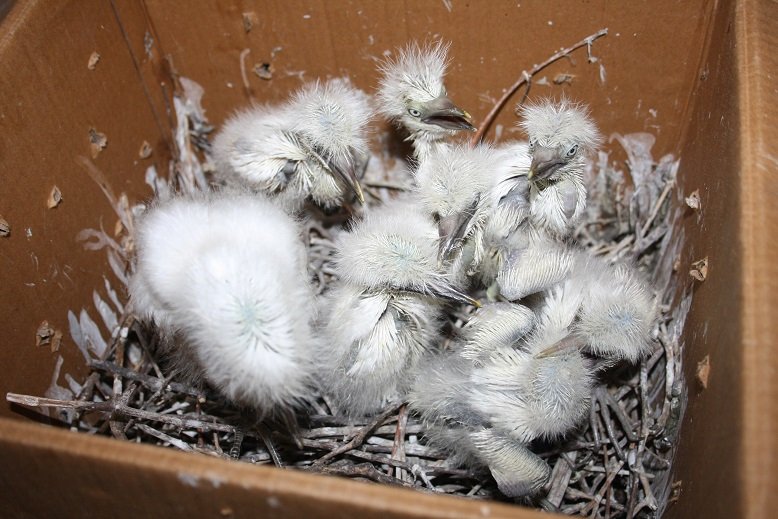
The team dealt with birds that were affected by injuries due to both natural and anthropogenic factors. A large tree with nesting cattle egrets in a village close to Najafgarh was blown down during a storm on the 28th of August 2014. Close to a hundred nests were destroyed due to this, killing several chicks and adults alike. The team with the help of the established volunteer base rescued around 60 cattle egret chicks from the fallen nests.
The rescued chicks were then fed on small fish with additional supplements to aid their diet. A close watch was kept on the chicks to safeguard their health and their growth and diet was carefully monitored. They were then reintroduced into the wild once they were fully fledged.
The RAP so far has resulted in the rescue of over 430 birds with a majority of cases coming from East, Central and West Delhi. 85% of the birds had cut wounds and rest 15% with other conditions or were displaced juveniles.
An Urdu advertisment will soon be published in leading Urdu newspapers targetting the shop keepers selling the glass coated manjha.
Links:
Project reports on GlobalGiving are posted directly to globalgiving.org by Project Leaders as they are completed, generally every 3-4 months. To protect the integrity of these documents, GlobalGiving does not alter them; therefore you may find some language or formatting issues.
If you donate to this project or have donated to this project, you can receive an email when this project posts a report. You can also subscribe for reports without donating.