By Uma Athale | Project Officer
The festival of Makar Sankranti is one of the few Hindu festivals that falls on the same day every year according to the Gregorian calendar.It signifies the end of the winters and the heralding of spring.Widely celebrated around India, the rituals followed on this include exchanging of sweets made from sesame and jaggery and the flying of kites The gods who have slumbered for six months are have awakened and the kites are flown to the portals of heaven that are now open.
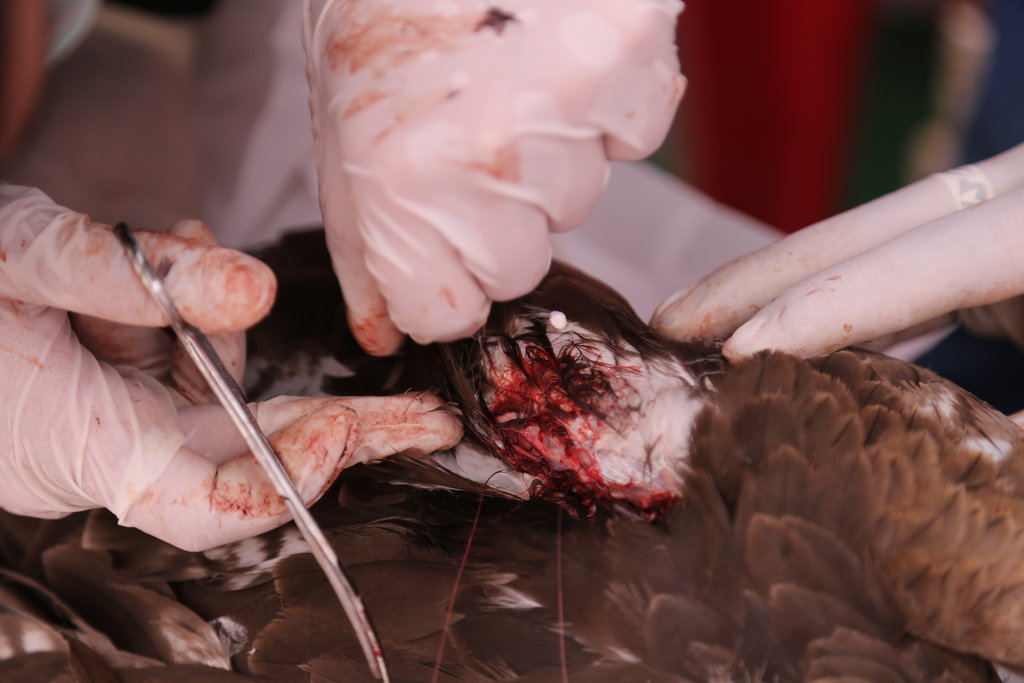
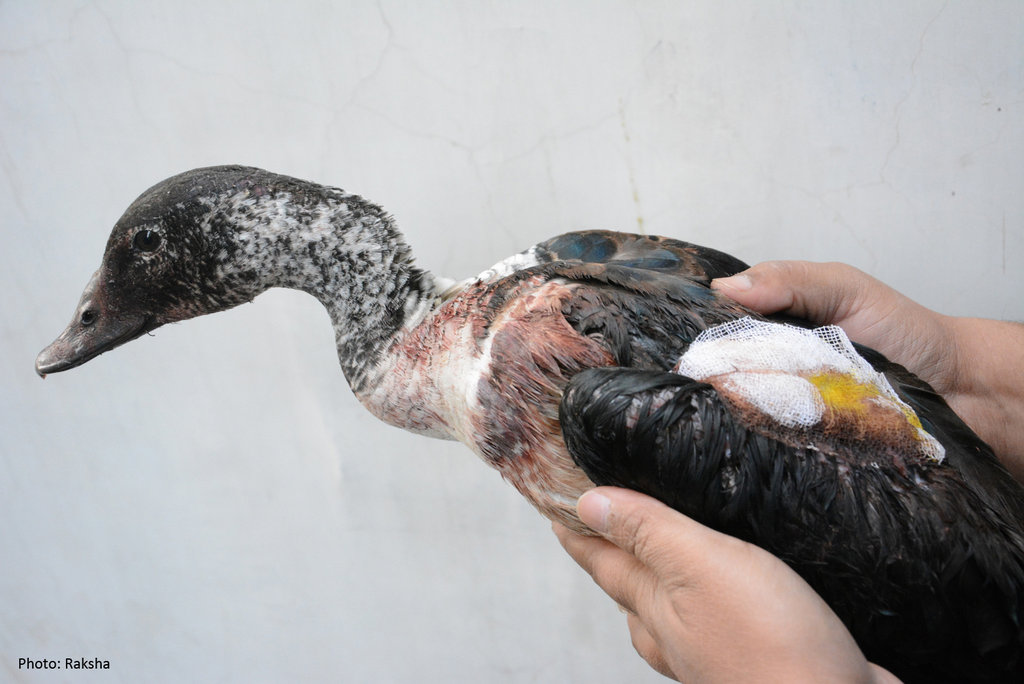
This idyllic festival can have lethal connotations for birds, however as kite strings (also called manjha) are often heavily coated with powdered glass to give the kite fliers an advantage in their fiercely fought battles. The strings can be so sharp that people flying kites often bandage their hands to prevent injuries. Another threat that has recently been added is the introduction of "Chinese manjha" which is made from nylon. The nylon strings are popular as they are fairly cheap and do not degrade. Hence they remain a threat to birds long after the festivities have ended.
The kite flying festivities are enjoyed with vigour in the city of Jaipur with numerous kites dotting the skies for days after. Last year the Jaipur Administration banned the use of Chinese manjha and the flying of kites during the hours that birds are most active. i. e. between 6 to 8 am and 5 to 7pm.
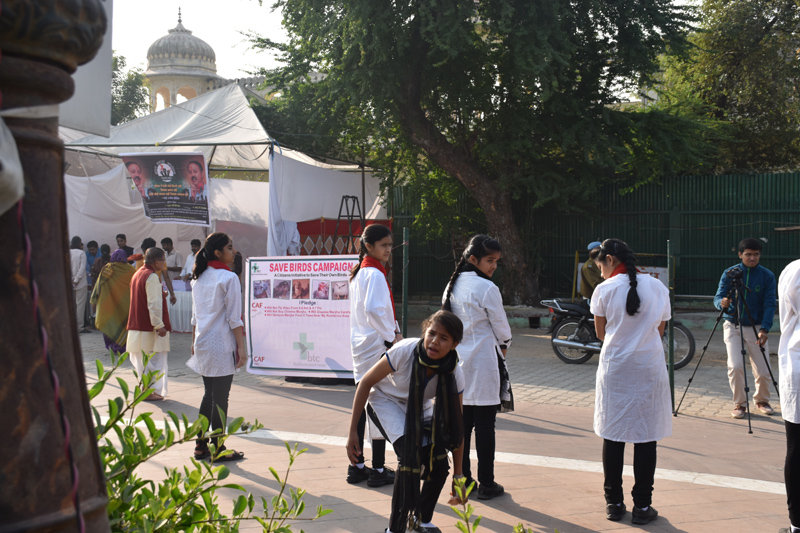
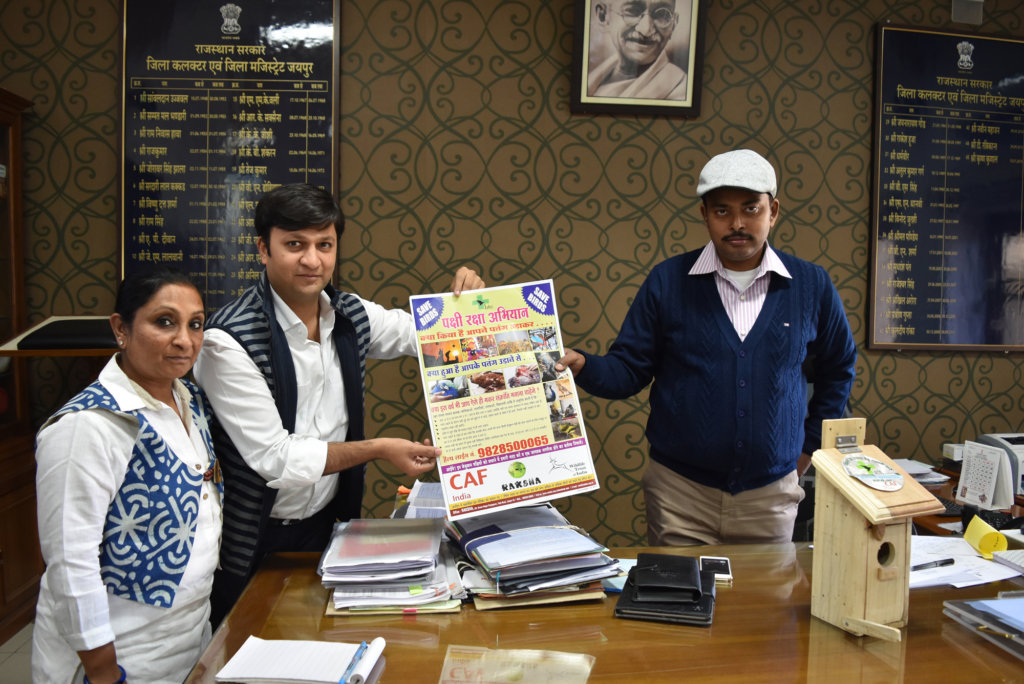
However, it is important that these bans are enforced and adhered to by the public. In order to do this, the project team has started a campaign to reach out to the people of Jaipur to senstize them towards the plight of birds. A special poster for the campaign, designed by the team, was issued by the District Collecter. This poster has already been put up in various schools, colleges and other institutions.
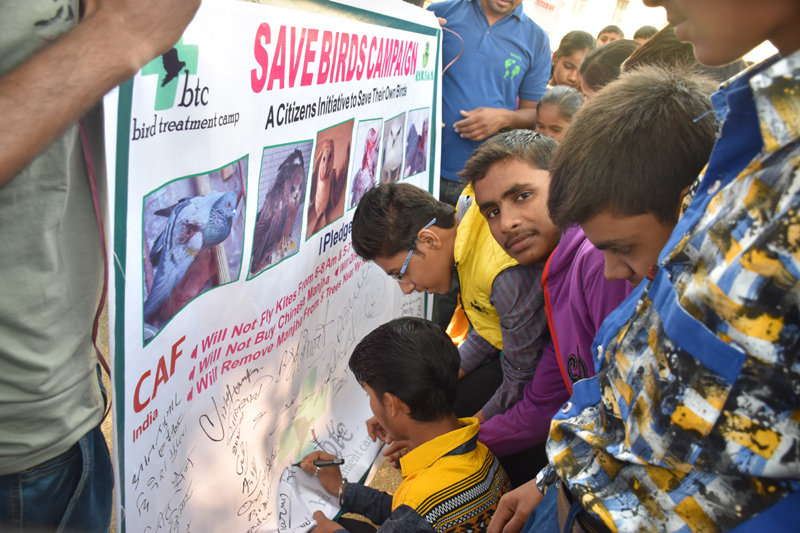
Awareness camps have been set up in two schools so far where the team spoke to the students. Students signed and recited the following pledge:
1). I will not fly kites from 6.00-8.00AM & 5.00-7.00PM .
2). I will not buy Chinese manjha.
3). I will dispose of leftover manjha in waste bins only.
Students also pledged to remove manjha from at least five trees near their houses.
The campaign team has also set up two bird treatment camps for injured birds in prominent areas of the city.
Street plays were held at popular tourist spots like the Jantar Mantar, the City Palace and the Govind Dev Ji Temple. The plays were performed at times when the footfall in these areas is the highest thereby reaching out to a large number of people. Over 400 people signed the pledge during these plays.
As the festival draws nearer, the campaign is intensifying its activties with peace rallies and candle light vigils. more sensitisation programs have also been initiated around the city.
Links:
Project reports on GlobalGiving are posted directly to globalgiving.org by Project Leaders as they are completed, generally every 3-4 months. To protect the integrity of these documents, GlobalGiving does not alter them; therefore you may find some language or formatting issues.
If you donate to this project or have donated to this project, you can receive an email when this project posts a report. You can also subscribe for reports without donating.