By Harsha Doriya | Assistant Project Officer
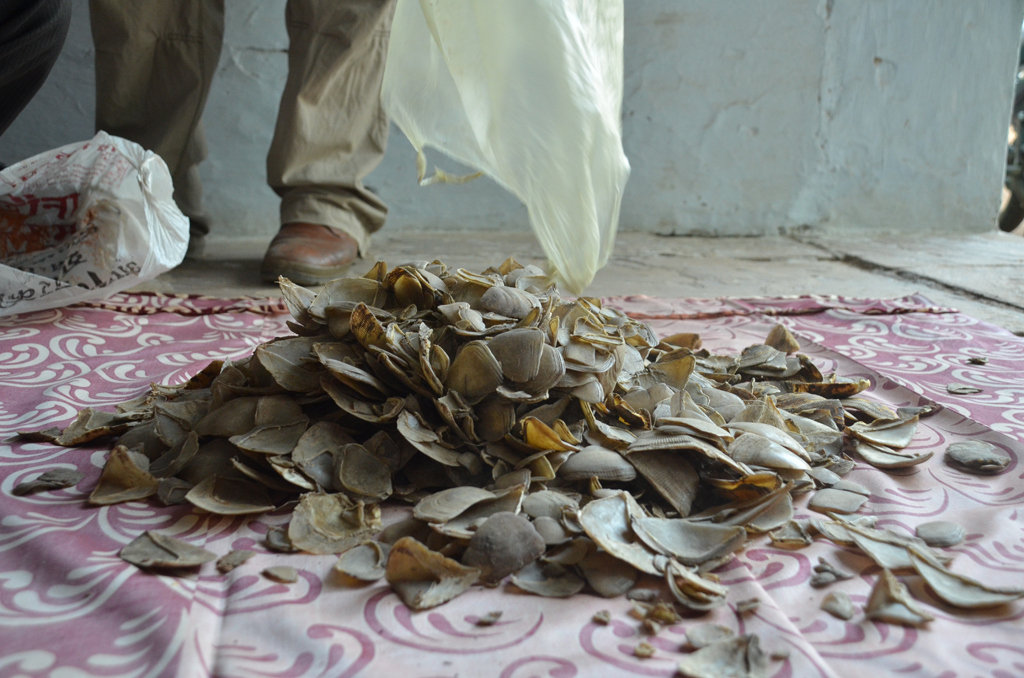
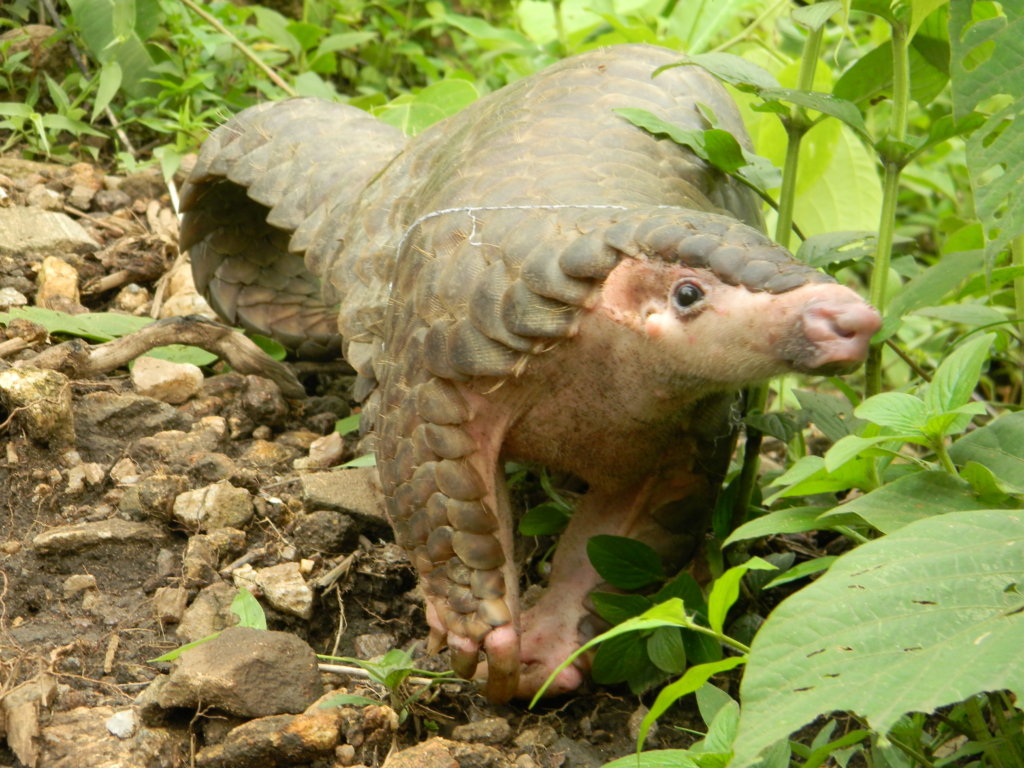
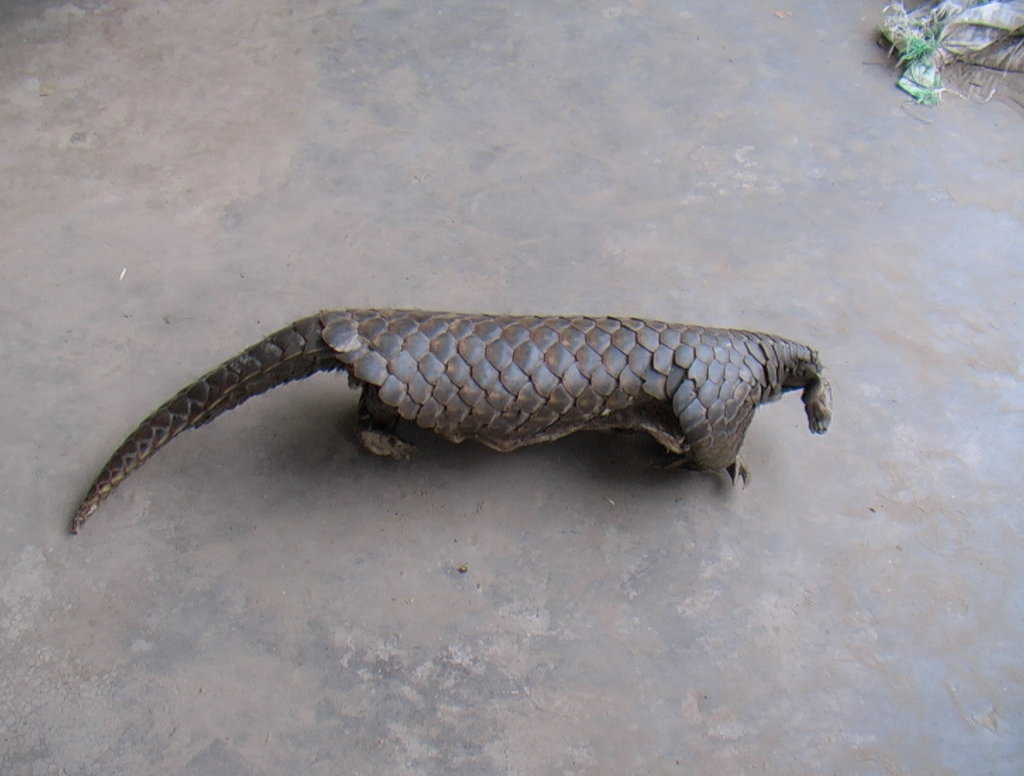
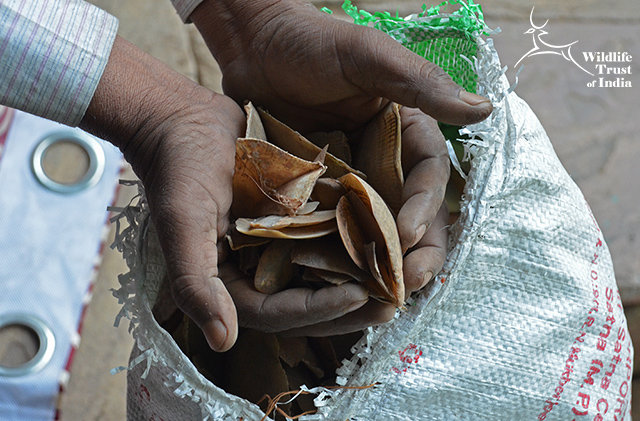
Pangolin is the world’s most trafficked animal and is facing imminent threat for its survival. The biggest threat to pangolins emanates from the illegal and commercial hunting, meant for human consumption (as TCM) as well as for making products derived from its body parts (especially scales). As per International Union for the Conservation of Nature (IUCN), Indian pangolin (Manis crassicaudata) is listed as Endangered, while classified as Schedule-1 under India’s Wildlife Protection Act, 1972. With limited information about the species, and an even greater void of knowledge about the illicit trade, protecting the pangolin population is an arduous task for any conservation body. To address this, WTI undertook a nationwide study and found few Indian states where Pangolin trade is prevalent. The state of Rajasthan (among other states) was reported to be a source for the trade and thus, we focussed on increasing the awareness levels about pangolins in the region. The project targeted local communities, especially school children and concerned officials (forest and police etc.) with an aim that once sensitized about pangolin conservation they can themselves join and involved in conservation action.
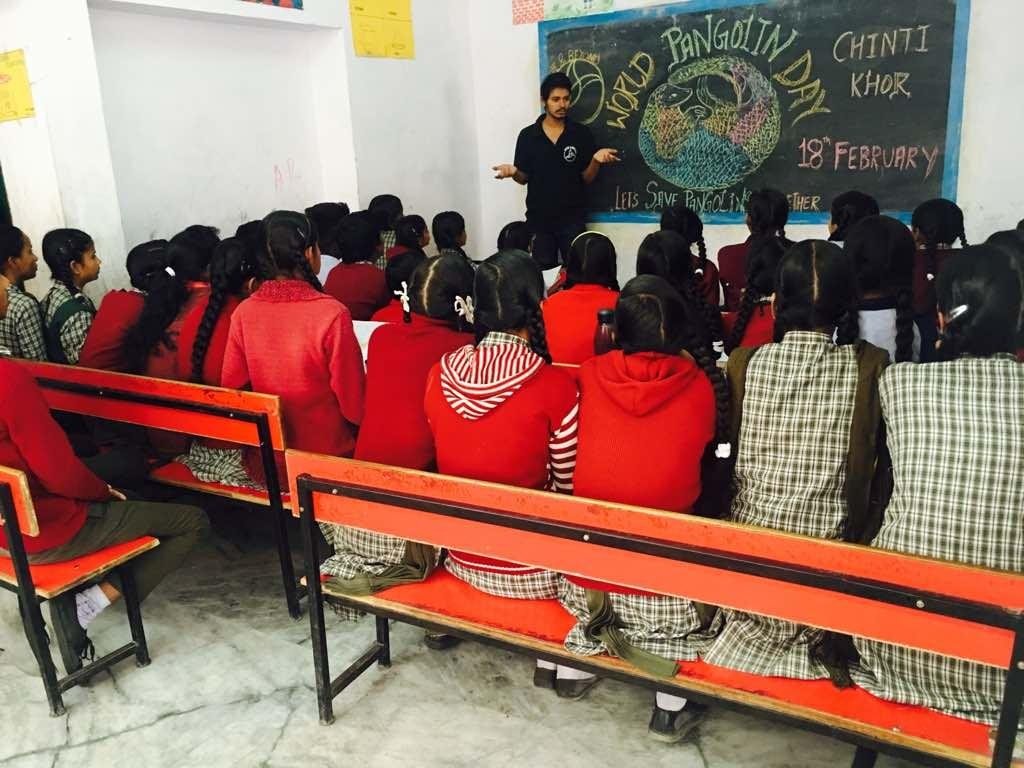
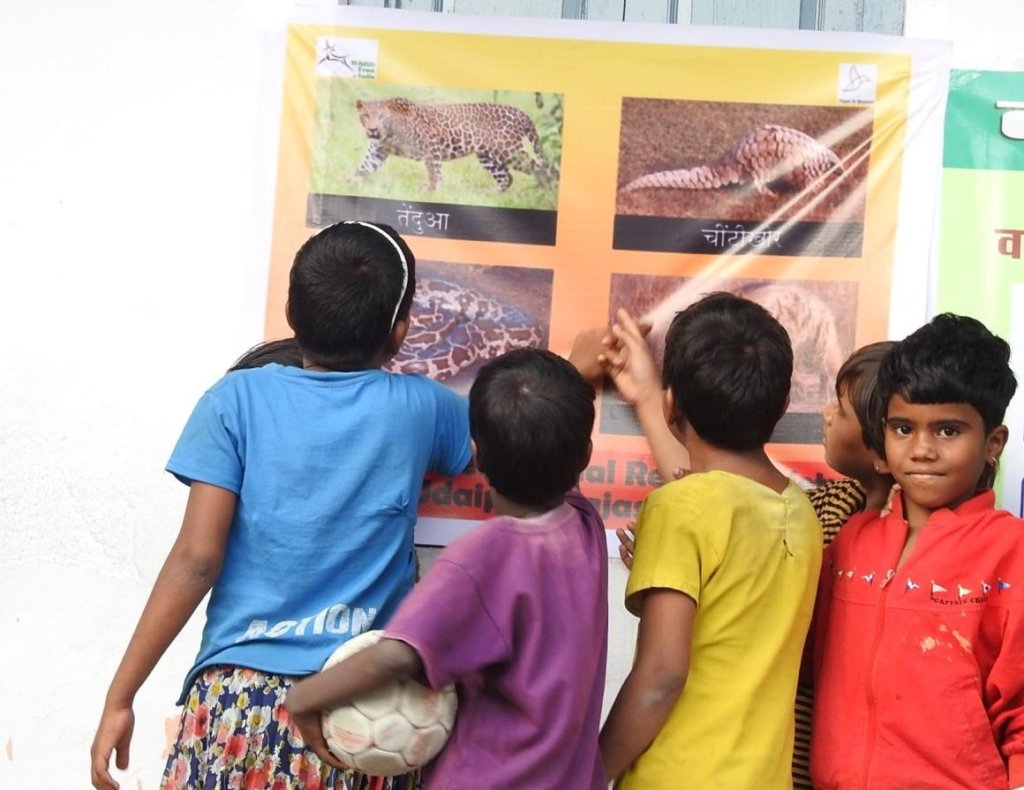
In few districts of Rajasthan, the team undertook sensitization camps in many urban and rural schools. Among other animals, photographs of pangolin were shown and only few were able to identify it as “Cheentikhor” (Ant eater). Therefore, the team provided basic information about the animal with reference to its habitat, sighting, threats etc. To build a healthy relation with the local children, team visited a tribal children hostel, conducted few sports activities with them. Some of them identified as well as mentioned the areas where pangolins could be sighted and are being killed for bushmeat and other purposes.
Additional twelve villages and sixteen schools were visited to sensitize the locals about the importance of this majestic animal in their crop farms as they perform the role of a “pest controller”.
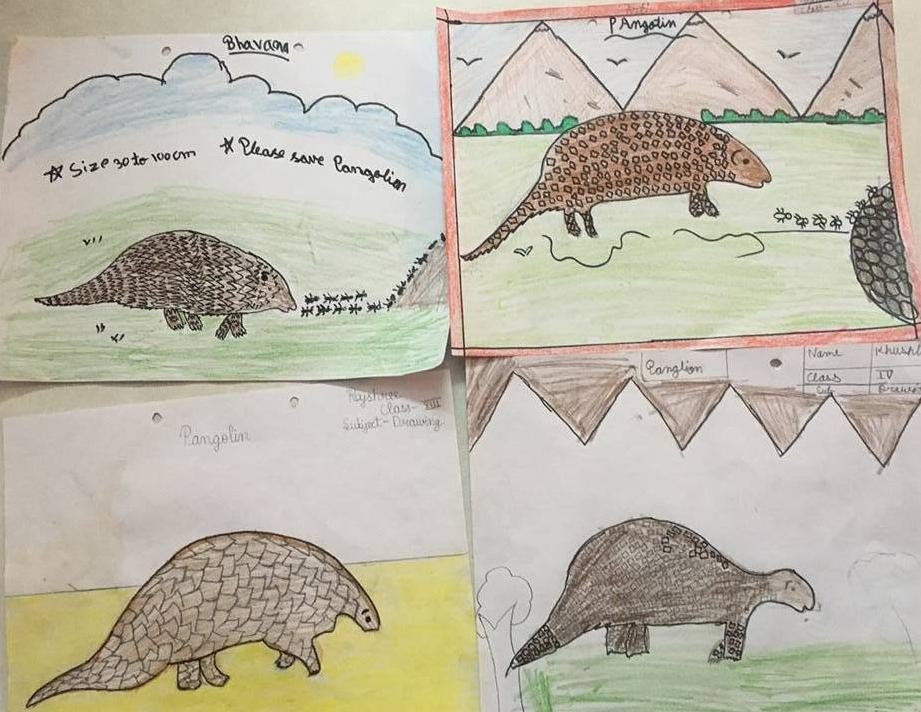
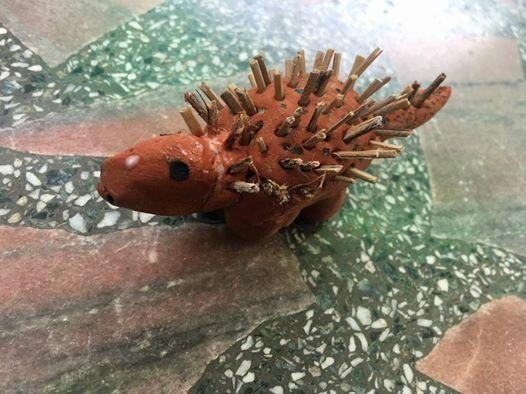
World Pangolin Day on 18th February was also celebrated with much fanfare, where drawing and essay writing competitions were organised to spread awareness about this endangered species amongst the new generation. With a theme of “Draw the Pangolin” students took part in the competitions enthusiastically and expressed their knowledge about the pangolin on paper. Best drawings were selected by the School Principal and one representative from the team. More such events are being planned to engage as many people and motivate them towards the conservation of pangolin.
Project reports on GlobalGiving are posted directly to globalgiving.org by Project Leaders as they are completed, generally every 3-4 months. To protect the integrity of these documents, GlobalGiving does not alter them; therefore you may find some language or formatting issues.
If you donate to this project or have donated to this project, you can receive an email when this project posts a report. You can also subscribe for reports without donating.