By Nicole Wexler | Director of Development
Dear Desert Tortoise Supporters,
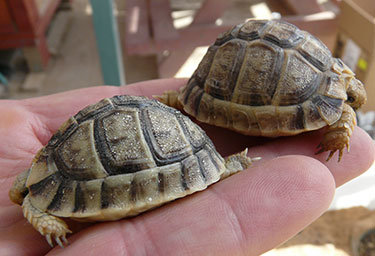
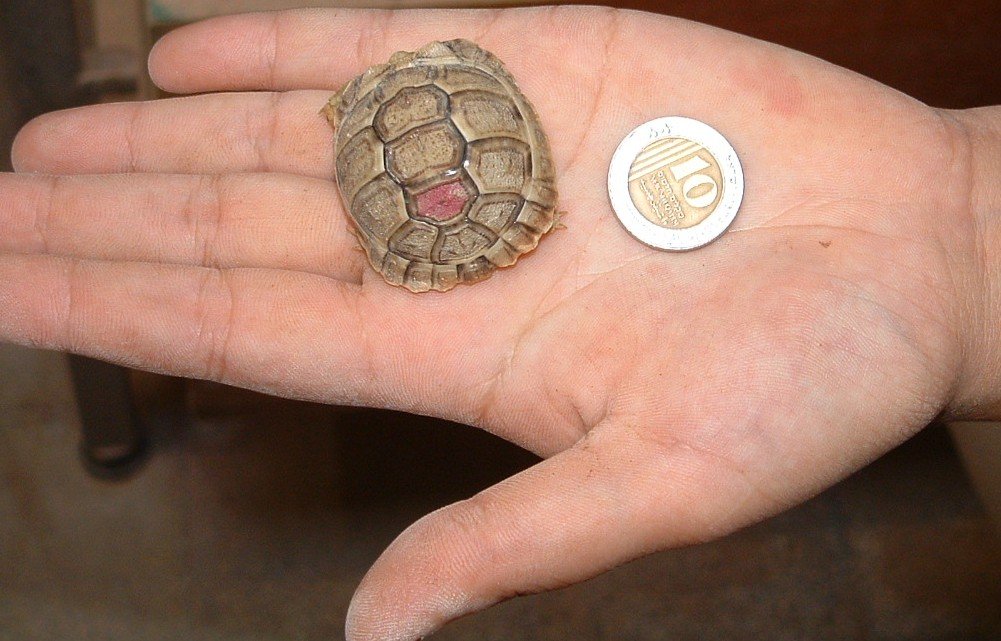
Our desert tortoises continue to be a popular attraction at the Zoo, being so tiny and cute. Although our breeding core is in good health, we have had no breeding success over the last three months.
Maintaining the health of a captive population of this species is no easy task. Of critical importance in the husbandry is the need to prevent cross infection from other tortoises; this species is extremely sensitive to "alien" disease organisms and under no circumstances should be allowed contact with other species. Our own colony is maintained in strict isolation. If contact is permitted, we would expect to see serious respiratory and gut parasite problems. In such a small animal, these may rapidly prove fatal.
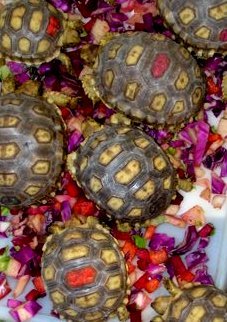
In the same way, the correct diet is very important. The dangers inherent in high protein foods for Mediterranean tortoises have been understood for some time. In accordance with these principles, our tortoises are maintained on a 100% vegetable diet with as high a proportion of wild-picked foods (such as clover and dandelion) as practicable. The overall balance of the diet is geared towards a high fibre, low protein and high calcium intake. Only occasional fruit is and water is available at all times if required. Calcium and D3 supplements are added to food. We aim for growth rates that approach the natural rates (slow) and so overfeeding must be avoided.
Feeding foods which are excessively high in protein can certainly produce lumpy shells (and lead to long-term renal problems) but so can feeding too much of the "right" type of food - in the wild many tortoises enjoy a very cyclic feeding pattern, with poor food availability for much of the season due to extreme heat and aridity. In captivity many keepers tend to provide too much of a good thing.
Not a very inspiring report, unfortunately – but these are the vagaries of wildlife conservation – nothing is easy and we simply have to persevere and do our best to ensure the survival of this unique species.
Yours, in hope -
Team Tortoise at the Jerusalem Biblical Zoo
Project reports on GlobalGiving are posted directly to globalgiving.org by Project Leaders as they are completed, generally every 3-4 months. To protect the integrity of these documents, GlobalGiving does not alter them; therefore you may find some language or formatting issues.
If you donate to this project or have donated to this project, you can receive an email when this project posts a report. You can also subscribe for reports without donating.