Project Report
| Nov 8, 2026
Preparing Karamoja for Climate Shocks
By Othieno Gerald | Project Leader
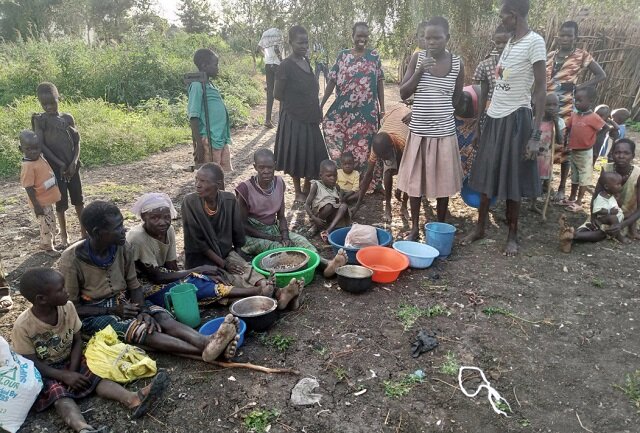
Emergency food distributions provide essential relief, but prolonged hunger cannot be addressed through isolated interventions alone. Families experiencing repeated harvest failures need sustained assistance to overcome food shortages, protect their livelihoods and regain stability.
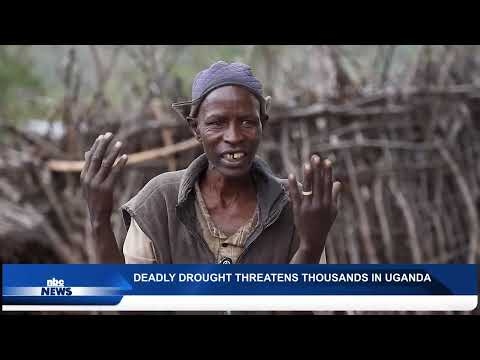
FEWS NET's September 2026 assessment reported that a widespread one-time humanitarian food distribution took place in August. Nevertheless, many poor households continued to face difficulties meeting their minimum food needs and were relying on unsustainable coping strategies. This demonstrates how quickly temporary assistance can be exhausted when the underlying causes of hunger remain unresolved.
Children, older people, pregnant women and households with limited income are particularly vulnerable when food supplies become insufficient. Continued support is therefore essential to prevent further deterioration in household well-being.
The Girl Child Foundation Uganda (GIFU) is appealing to donors to help mobilise resources for vulnerable families in Karamoja. Contributions can support emergency food assistance and help households withstand the continuing crisis.
Your generosity can make a difference beyond a single meal. Help us stand with families until they have a stronger opportunity to recover.
![Share on Twitter]()
![Share on Facebook]()
Nov 8, 2026
One Food Distribution Is Not Enough
By Othieno Gerald | Project Leader
Emergency food distributions provide essential relief, but prolonged hunger cannot be addressed through isolated interventions alone. Families experiencing repeated harvest failures need sustained assistance to overcome food shortages, protect their livelihoods and regain stability.
FEWS NET's September 2026 assessment reported that a widespread one-time humanitarian food distribution took place in August. Nevertheless, many poor households continued to face difficulties meeting their minimum food needs and were relying on unsustainable coping strategies. This demonstrates how quickly temporary assistance can be exhausted when the underlying causes of hunger remain unresolved.
Children, older people, pregnant women and households with limited income are particularly vulnerable when food supplies become insufficient. Continued support is therefore essential to prevent further deterioration in household well-being.
The Girl Child Foundation Uganda (GIFU) is appealing to donors to help mobilise resources for vulnerable families in Karamoja. Contributions can support emergency food assistance and help households withstand the continuing crisis.
Your generosity can make a difference beyond a single meal. Help us stand with families until they have a stronger opportunity to recover.
![Share on Twitter]()
![Share on Facebook]()