By Rebecca Bryant | Manager, Workplace Giving
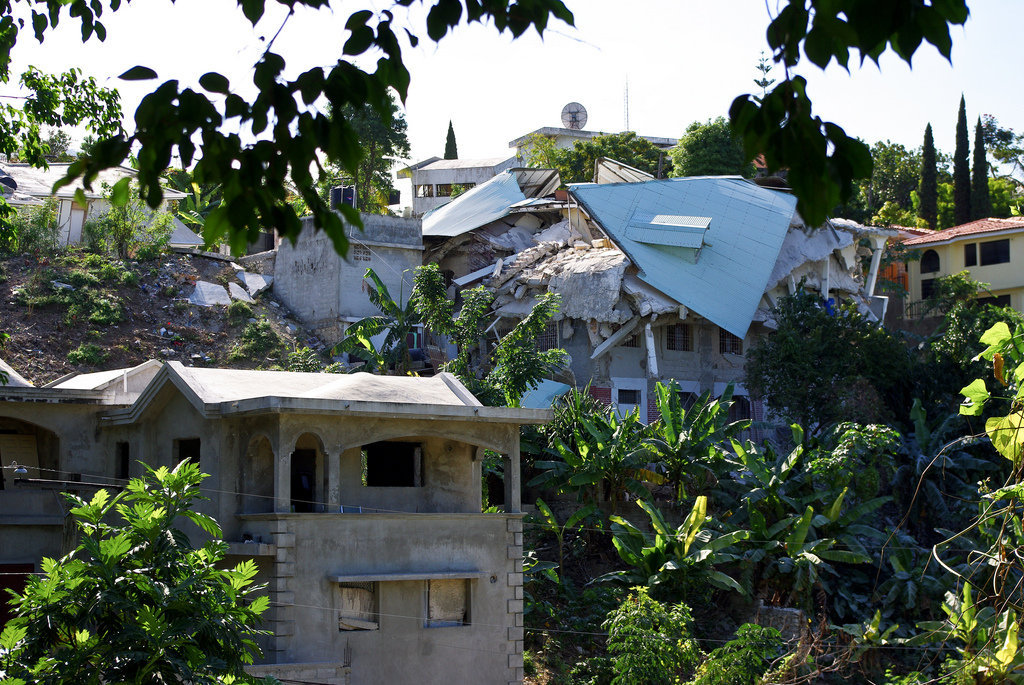
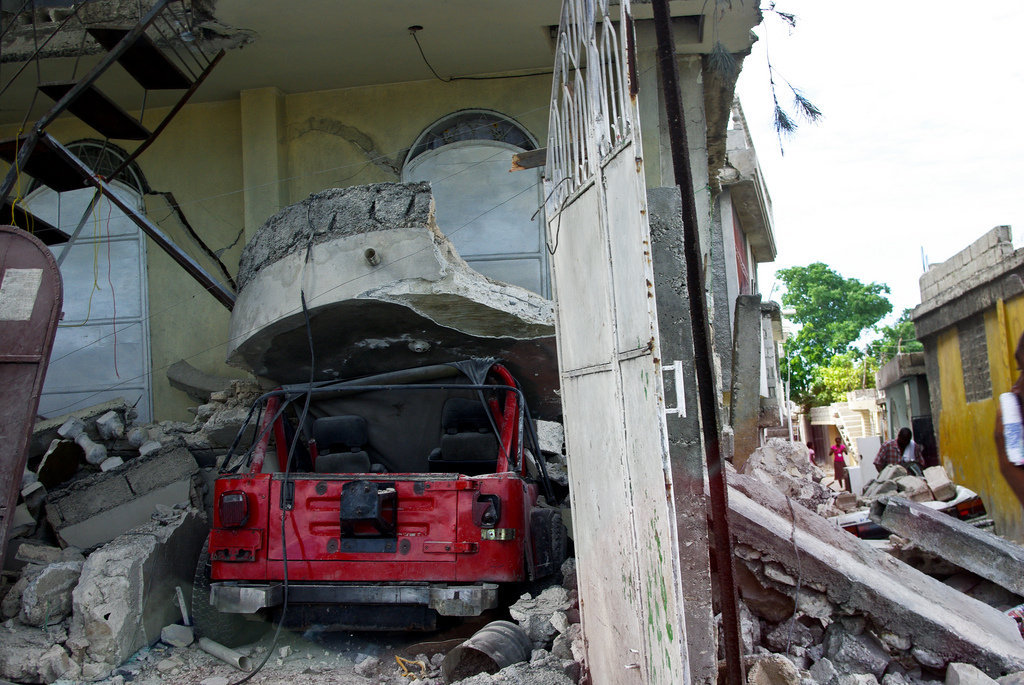
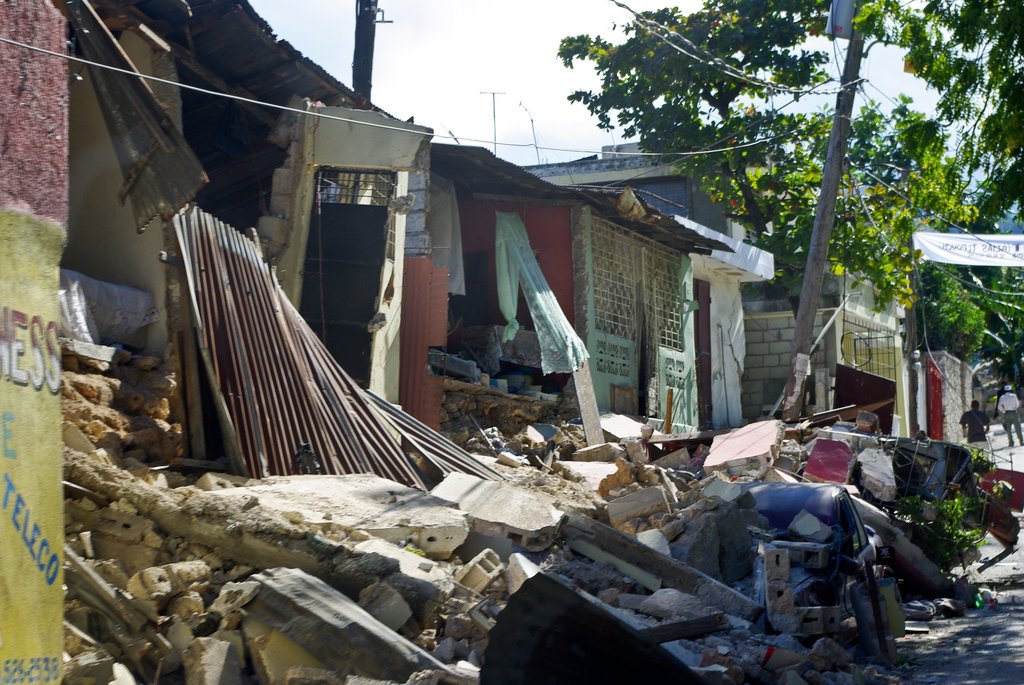
Save the Children’s Response: Save the Children has worked in Haiti continuously since 1978 and launches immediate relief for children affected by the island’s frequent natural disasters. Local staff members in Port-au-Prince have been joined by our international disaster response experts and are working around the clock and in coordination with the Haitian government, donors, non-governmental organizations and communities to provide relief on a scale similar to our response to the epic Asia tsunami of 2004. Work is taking place in Port-au-Prince and in nearby communities; we are also monitoring the possible relocation of families away from Port-au-Prince.
Emergency Health Care • As of January 22, Save the Children’s health interventions had reached approximately 85,000 children and adults. • Our mobile clinic in Leogane is treating approximately 100 patients a day. The unit is staffed by 14 expatriate doctors. • 70 health workers were trained in Leogane and another mobile clinic is operating there. • Four mobile health teams of one doctor and one nurse each are seeing patients in Jacmel. • On January 19, 16.5 tons of medical supplies donated to the agency by AmeriCares were distributed in Leogane and at the general hospital in Port-au-Prince. • Medical supplies were distributed by Save the Children’s response team and a partner agency to 14 hospitals and clinics throughout the Port-au-Prince region.
Food • The World Food Program (WFP) will be providing Save the Children with high-energy biscuits for distribution. Save the Children is also coordinating a longer-term strategy with WFP for food distribution. • On January 16, Save the Children distributed food for 2,000 people at the L’Hopital de l’Espoire (Hope Hospital), that focuses on pediatric medicine and helps support two orphanages.
Water • Save the Children has trained 24 staff in water and sanitation responses and healthy hygiene promotion. Teams will travel to informal settlements in Port-au-Prince to construct latrines and water points and encourage proper hygiene. • Based on assessments in two other locations, Save the Children plans to deliver clean water to residents by tank trucks, construct latrines to prevent water contamination, distribute hygiene kits and promote proper hygiene to prevent the spread of diseases. • Large quantities of bottled water are being received for distribution with our hygiene kits.
Shelter and Non-Food Relief Items • 300 kits of hygiene and household supplies were distributed on January 21 at a makeshift camp in Port-au-Prince, benefitting 1,500 children and adults. • 5,000 families in Jamal have been targeted for our shelter and relief supplies. • 2,500 household kits are being procured at Save the Children’s office in the Dominican Republic for rapid delivery by truck to Port-au-Prince. • 1,000 family-size tents are being shipped by Save the Children from China, where the agency responded to that nation’s earthquake in 2008. • 25,000 sheets of plastic for temporary shelter have arrived at Save the Children’s base in Miami. • 100 semi-permanent structures for housing or other uses have been ordered and will arrive within a week.
Child Protection • Child Friendly Spaces in Port-au-Prince and Jamal have been opened. Over 200 children have access to structured, supportive activities to help them recover from what they’ve experienced. Kits for 77 other spaces are in Port-au-Prince; Save the Children plans to open hundreds of these essential sites for children. • Save the Children has trained 50 social workers from other nongovernmental organizations to provide psychosocial support to children, how to conduct activities at our Child Friendly Spaces and child protection policies. • The agency has been requested by the UN to coordinate the reunification of separated children with their families. We are beginning to collect information and reports of separated and unaccompanied children for follow-up action.
Education • Save the Children will be among the lead agencies to rapidly restore education for children to provide them with a structured, secure environment.
Save the Children staff also continues to assess conditions in damaged communities west of Port-au-Prince and initiate relief operations and local partnerships. Our staff in the Dominican Republic is also alert to the possibility of relief that may be needed for Haitian earthquake victims who have moved to the border area.
The agency has committed to a five-year “build back better” initiative, which will take us from the relief and recovery phase to working with families to rebuild their communities. The strategy is similar to the five-year rebuilding initiative Save the Children launched in Aceh Province, Indonesia following the epic December 2004 tsunami.
By Rebecca Bryant | Manager, Workplace Giving
By Rebecca Bryant | Manager, Workplace Giving
Project reports on GlobalGiving are posted directly to globalgiving.org by Project Leaders as they are completed, generally every 3-4 months. To protect the integrity of these documents, GlobalGiving does not alter them; therefore you may find some language or formatting issues.
If you donate to this project or have donated to this project, you can receive an email when this project posts a report. You can also subscribe for reports without donating.