By Mike Vanasse | Corporate Partnerships
Life After the Quake
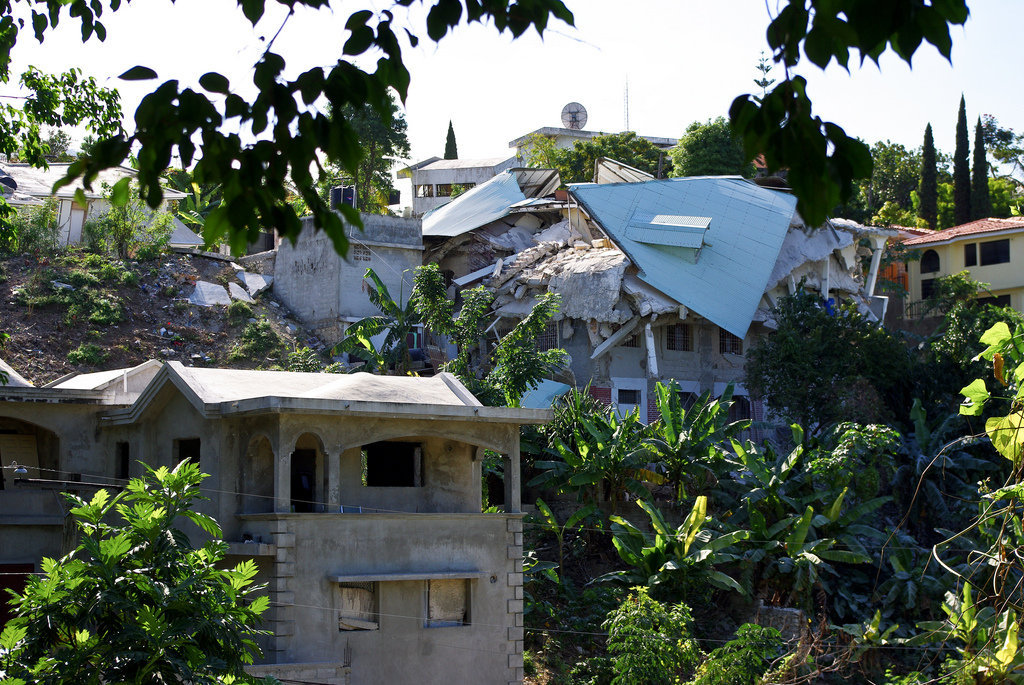
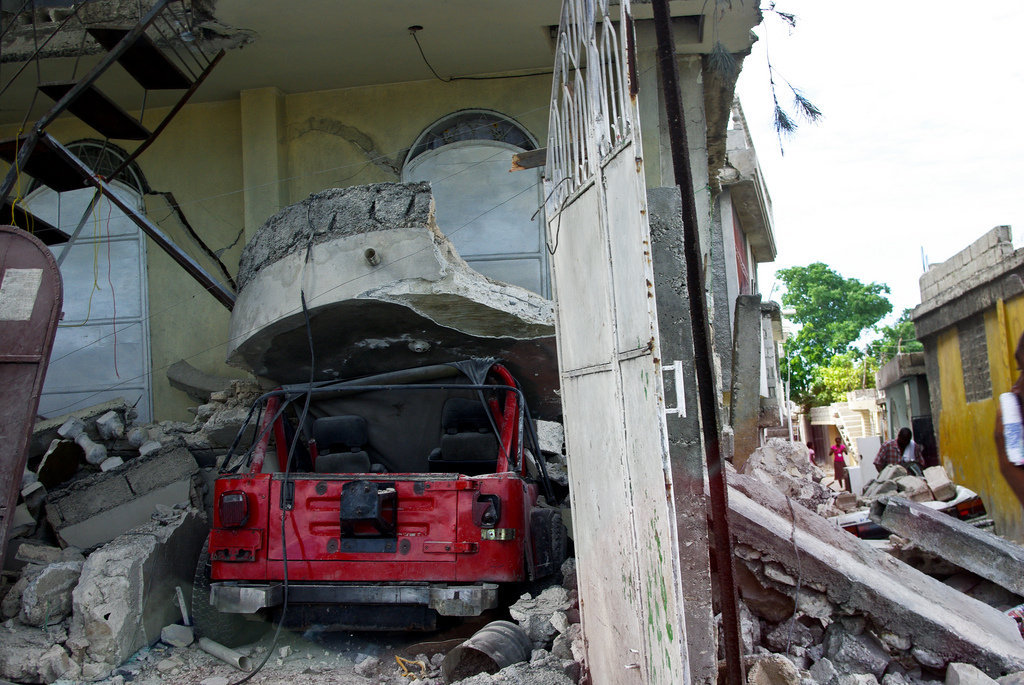
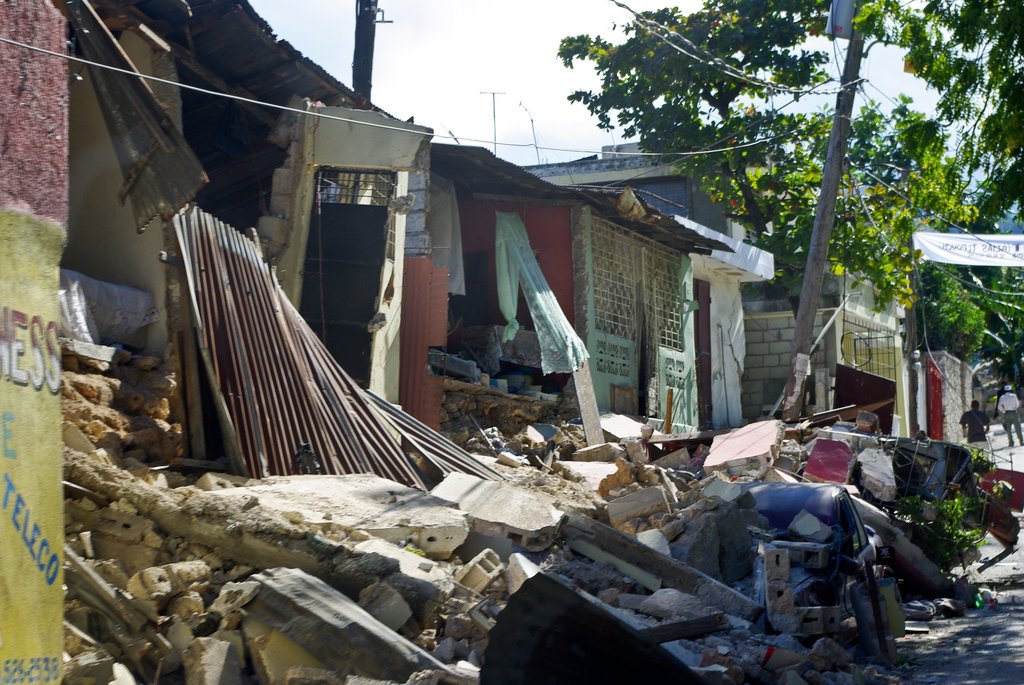
Six months after the quake, despite the significant progress Save the Children and others have made to alleviate children’s suffering and begin addressing longer-term needs, the magnitude of the destruction and damage is such that much remains to be done to assist children and families. Rubble still fills the streets of Port-au-Prince, Léogâne and Jacmel. Most people have little access to safe shelter, drinking water, electricity or health care. Approximately 1 million are still homeless, many living in substandard shelters. Children lost family, friends, schools and homes and are particularly vulnerable to disease, abuse and exploitation. The infrastructure essential to the process of rebuilding — electricity, sanitation, health facilities and schools — was largely destroyed in the quake, hampering efforts to provide services to needy families. Under these precarious conditions, Haiti’s hurricane season has officially begun. Heavy rains could spell another disaster for the country and its people. If, as predicted, Haiti experiences intense storms and hurricanes, already vulnerable children and their families will require a renewed surge of humanitarian aid, especially shelter, food, water and sanitation.
An Opportunity for a New Haiti
Haiti’s people may feel anxious that another hurricane or earthquake could strike at any time, but the prospect of rebuilding and creating a new, better country offers hope. With support from unprecedented numbers of citizens and public and private organizations worldwide, Haitians have an historic opportunity to rebuild a nation that has struggled for centuries with persistent poverty, exclusion and weak governance. Save the Children has an ongoing commitment to Haiti that goes back to its first programs in 1978. Our current goal is to alleviate the suffering of 800,000 people (including 470,000 children) affected by the disaster. The agency also is preparing to assist Haiti through a 5-year relief-to-recovery effort to build back better. Strengthening the capacity of Haitians and their institutions —governmental and nongovernmental alike — will enable Haiti’s people to play a more active role in managing their own future. If further crises arise, Save the Children will renew its emergency assistance. Donor governments need to uphold their commitments and deliver on pledges to provide timely, robust and sustained support during this still critical phase of the emergency in Haiti, and for the recovery and long-term development of its people. Actors in the recovery need to be accountable for the use of aid resources. This will ensure that aid strengthens the institutions governing Haiti’s recovery and development and fosters transparency and participation of all stakeholders, including children.
Links:
Project reports on GlobalGiving are posted directly to globalgiving.org by Project Leaders as they are completed, generally every 3-4 months. To protect the integrity of these documents, GlobalGiving does not alter them; therefore you may find some language or formatting issues.
If you donate to this project or have donated to this project, you can receive an email when this project posts a report. You can also subscribe for reports without donating.