By Charlotte Dunn | Project Leader
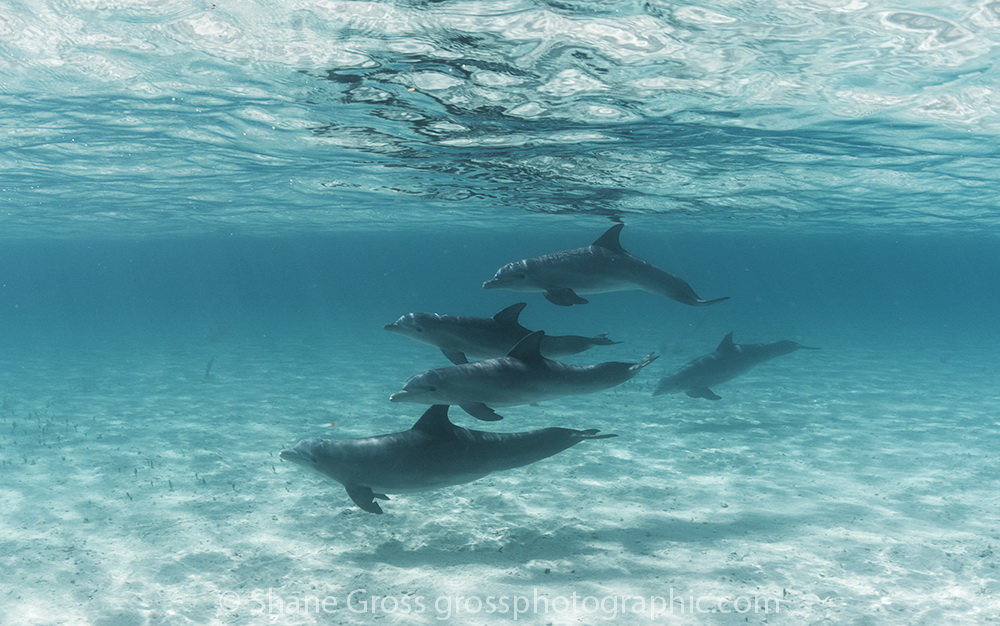
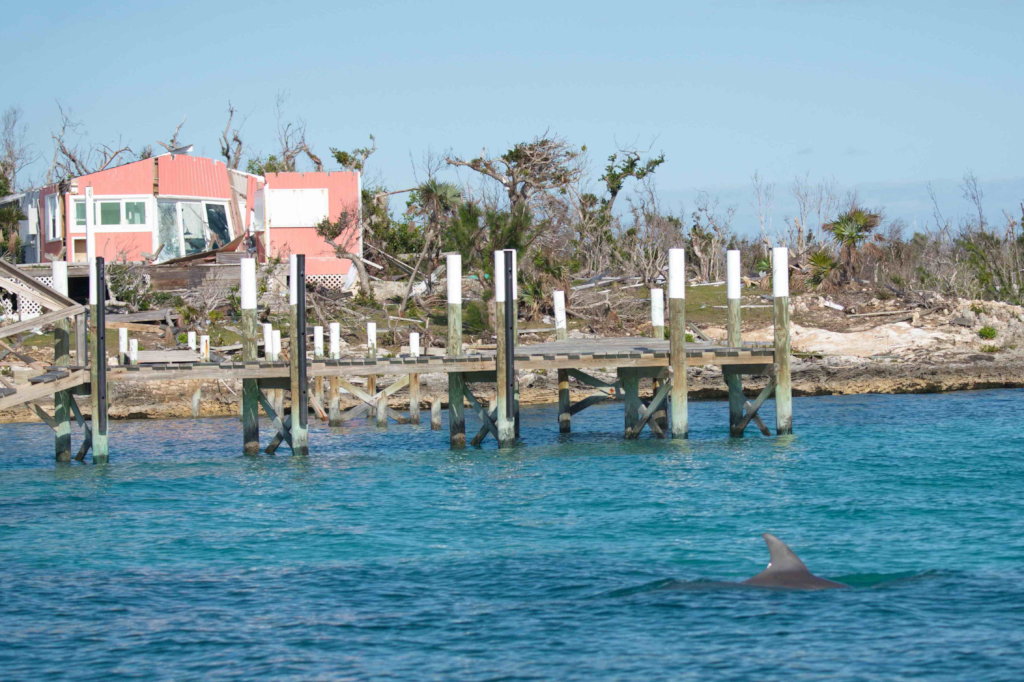
The effects of extreme climatic events (ECEs) on ecosystems and wildlife populations are poorly understood because predicting the timing, intensity, and location of these rare events is too difficult. As such, when ECEs occur in areas where long-term monitoring of flora and fauna exists, it is important to document these events and their impacts. On September 1st, 2019, hurricane Dorian hit Marsh Harbour, Abaco, and surrounding communities as the strongest hurricane ever to make landfall in the Atlantic. As some of the largest marine fauna and top predators in Abaco’s nearshore ecosystems, bottlenose dolphins (Tursiops truncatus) are expected to have been impacted both directly and indirectly by hurricane Dorian.
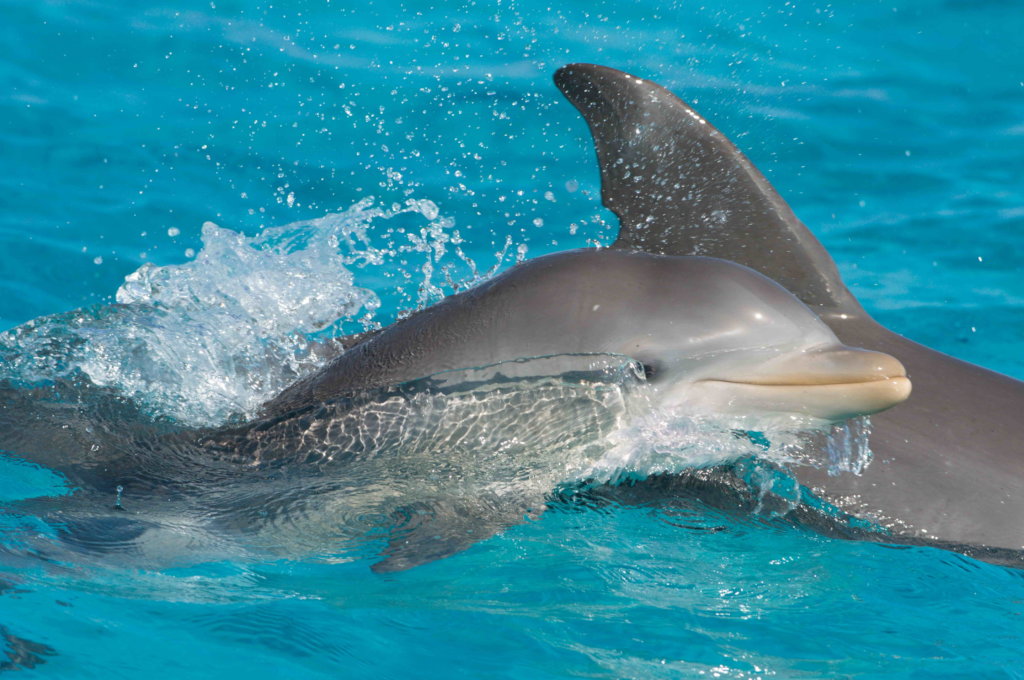
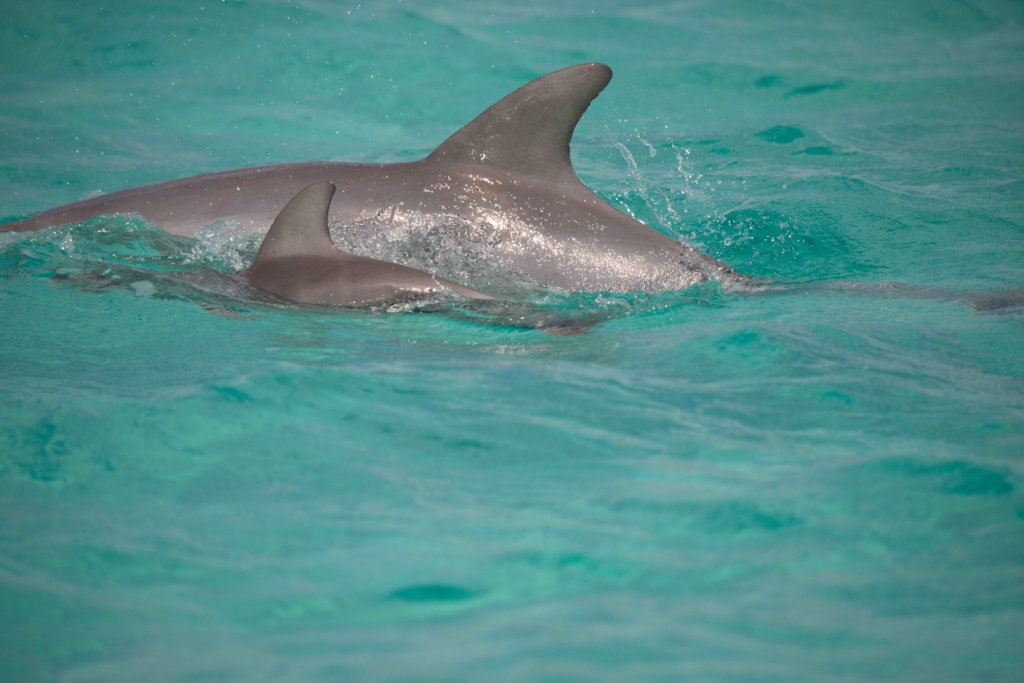
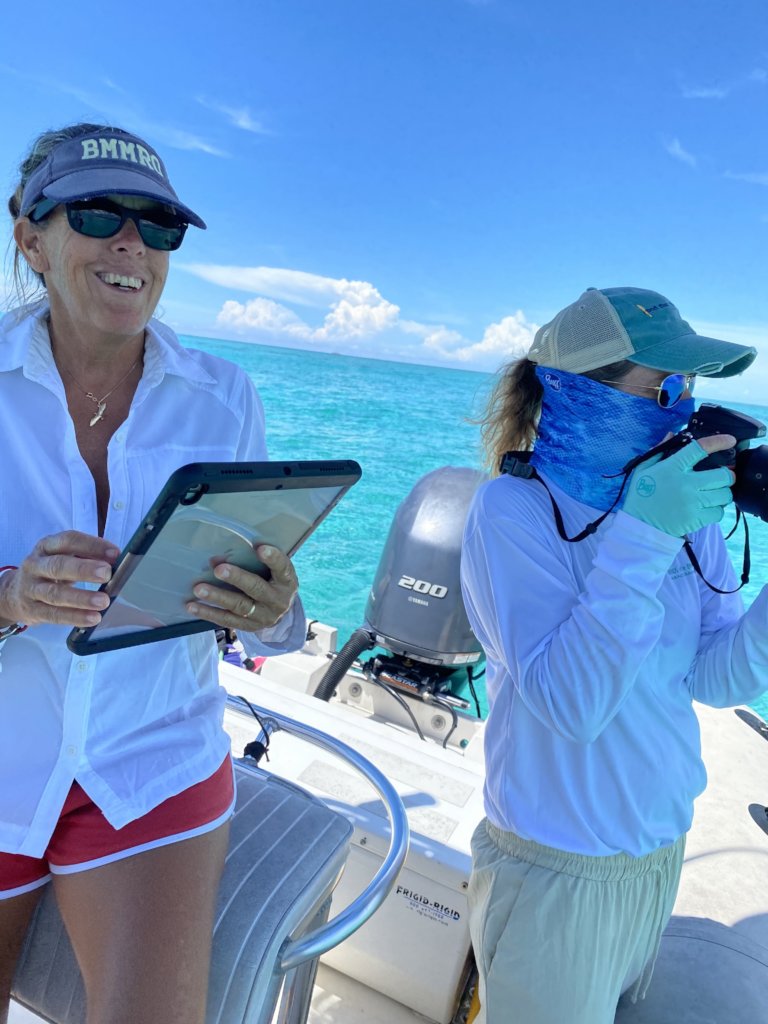
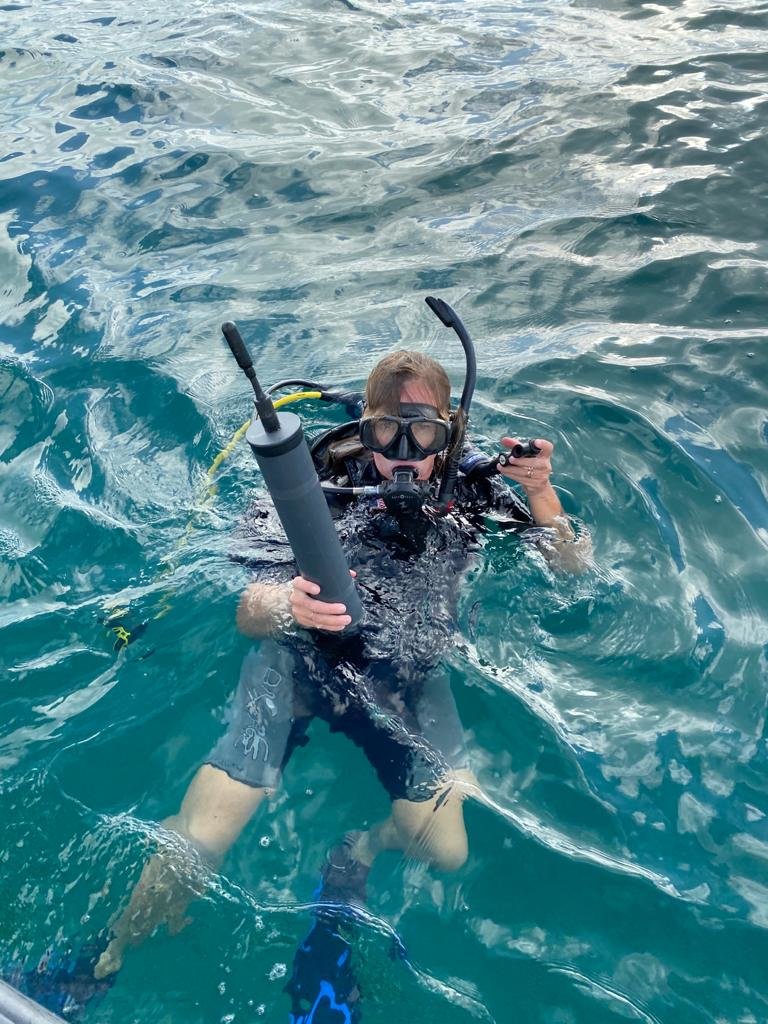
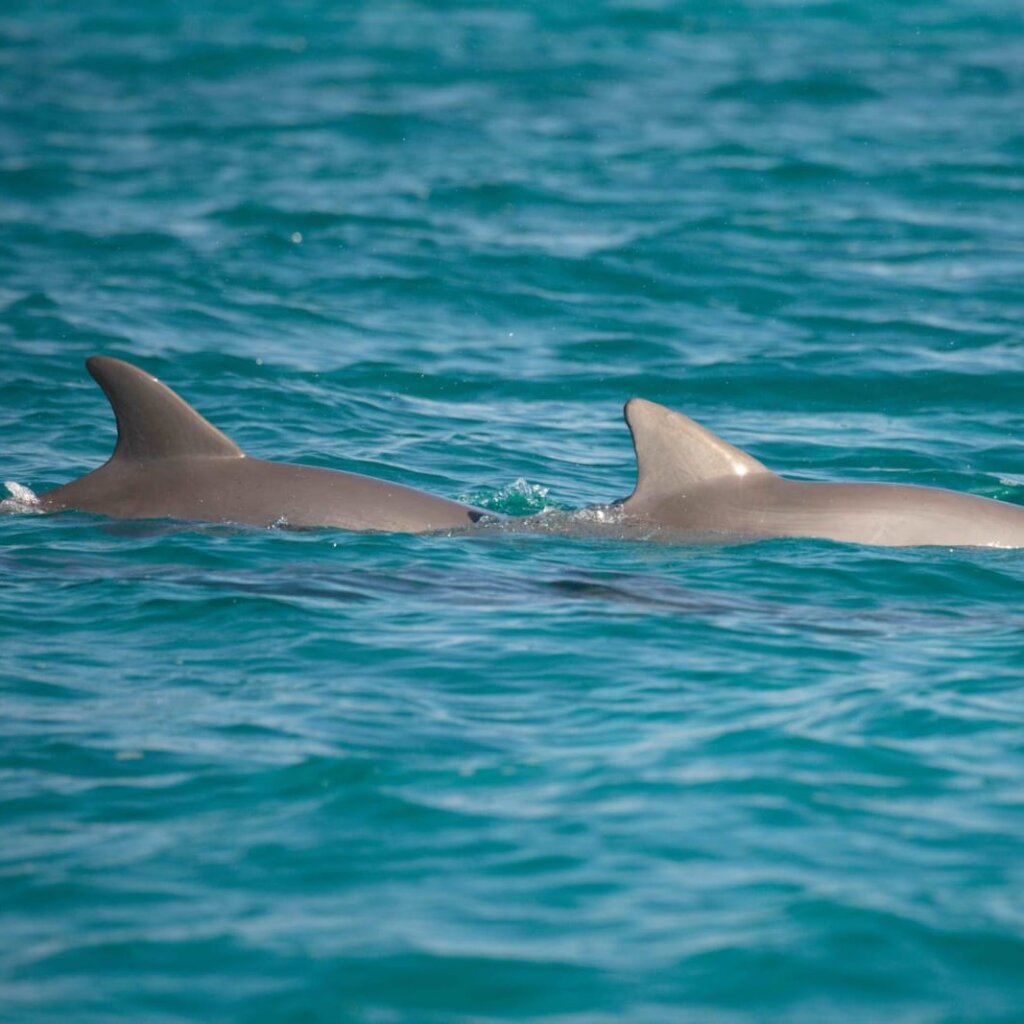
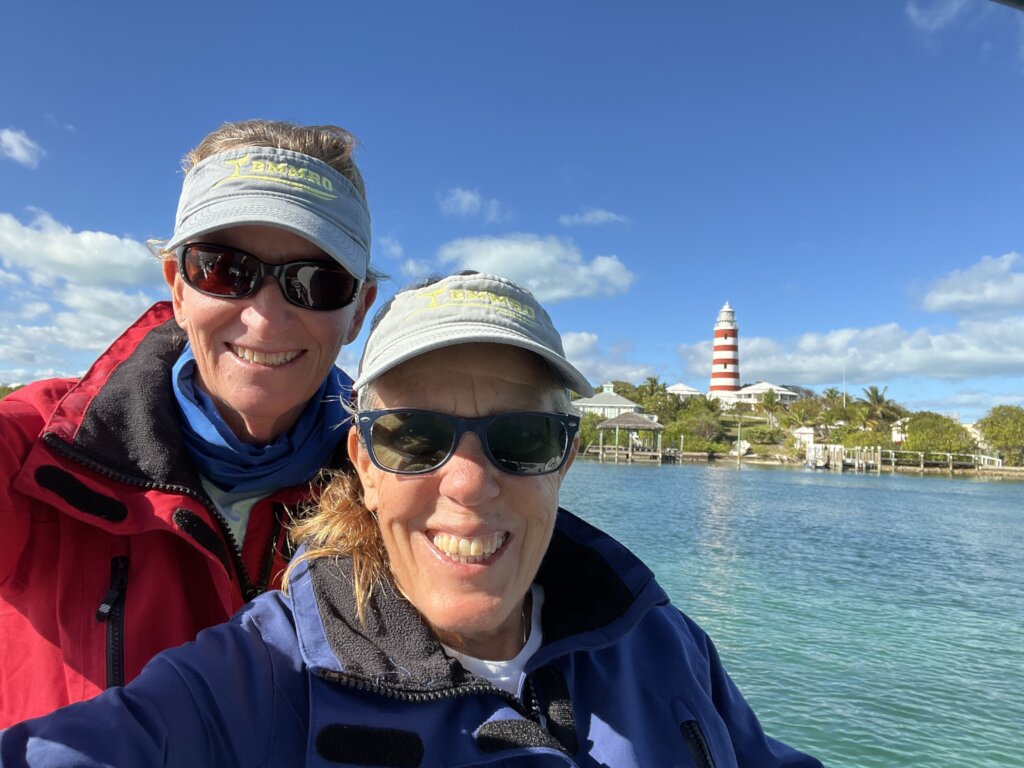
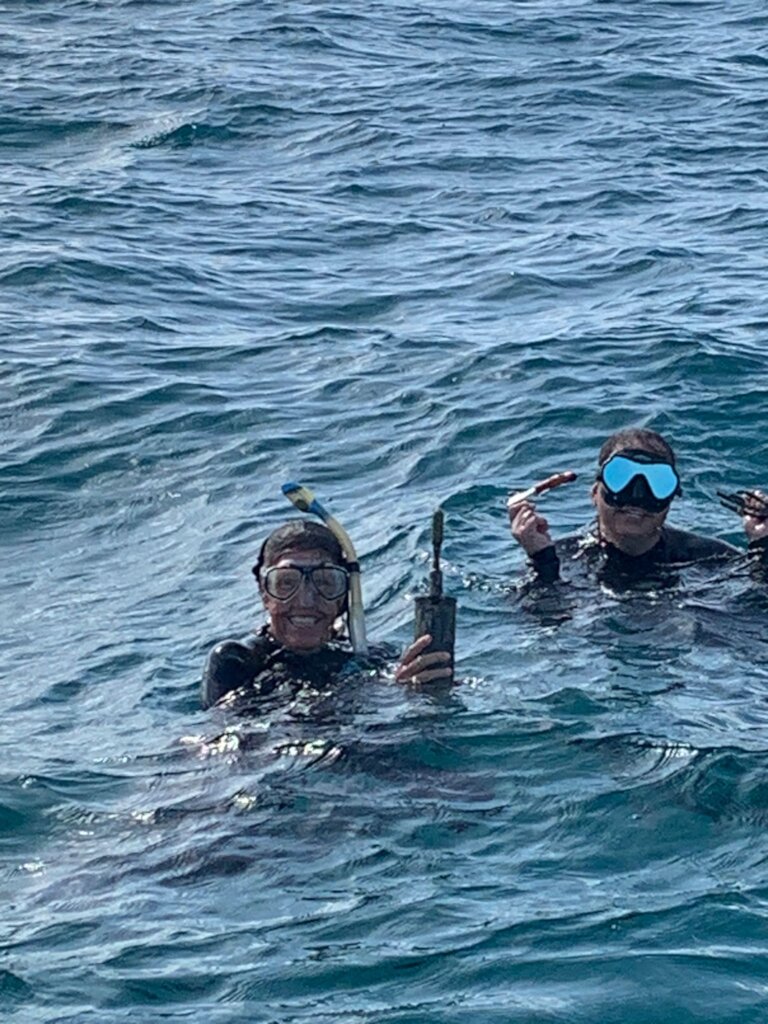
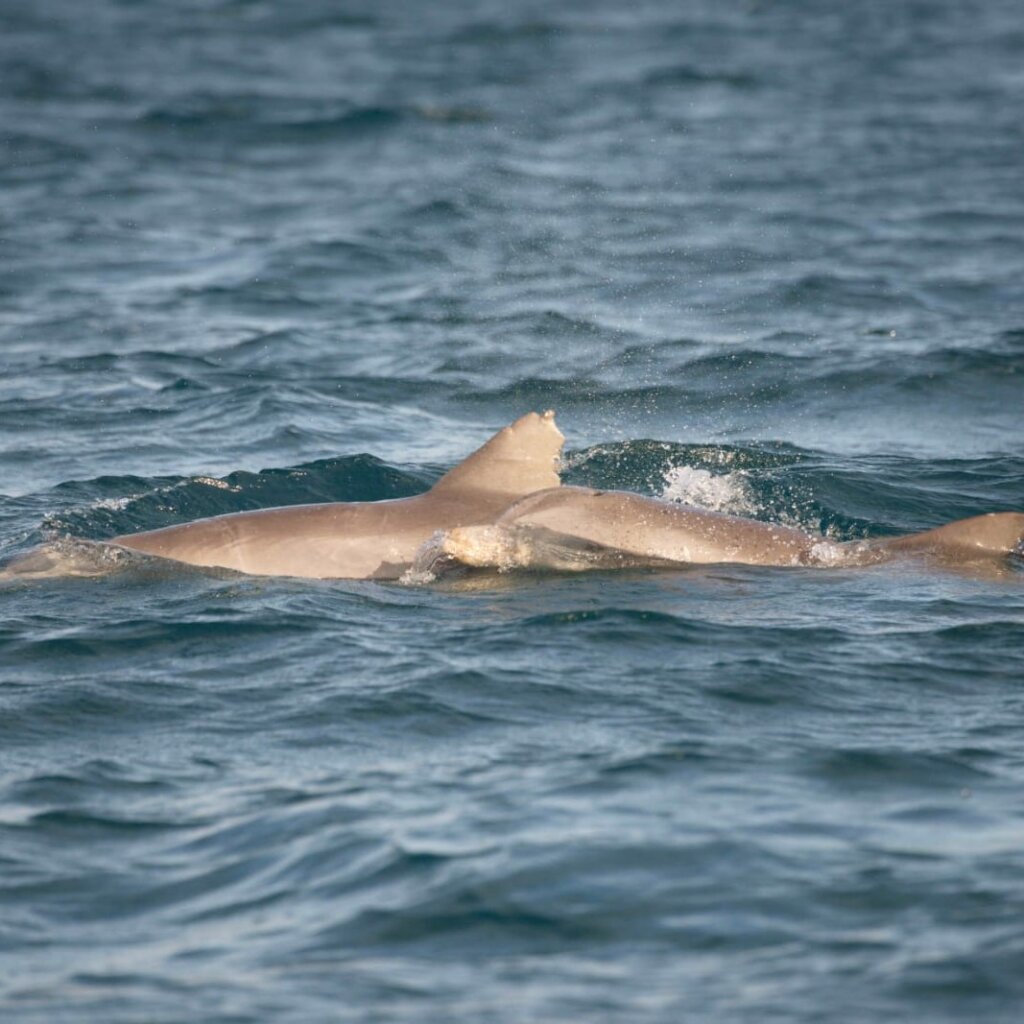
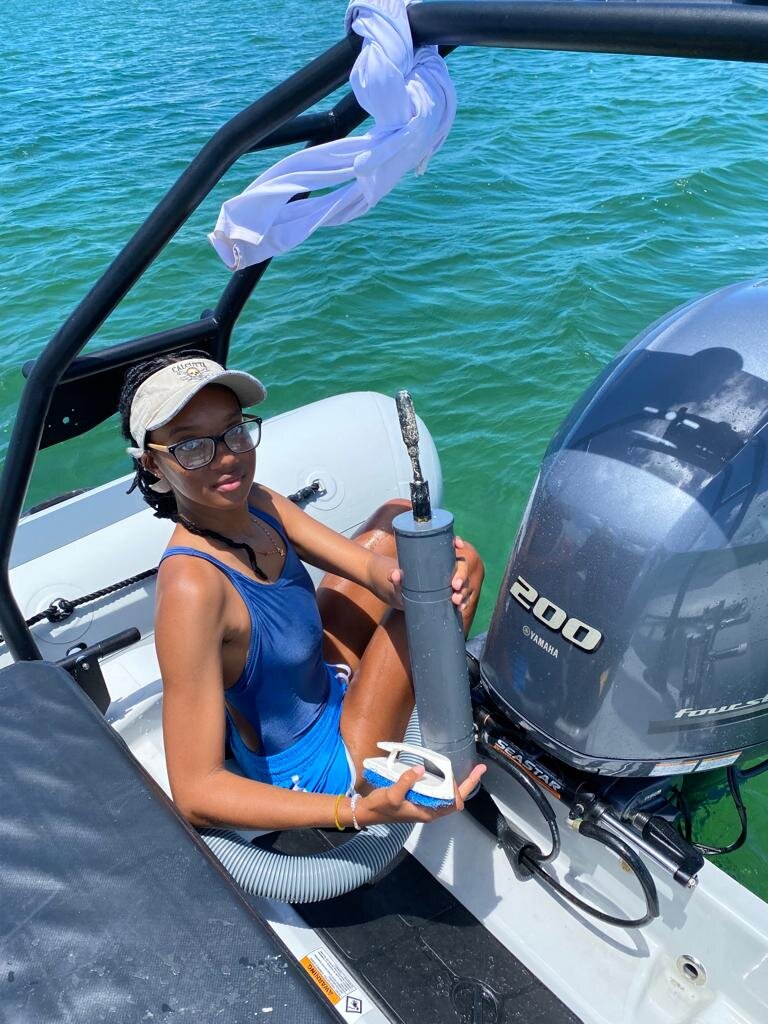
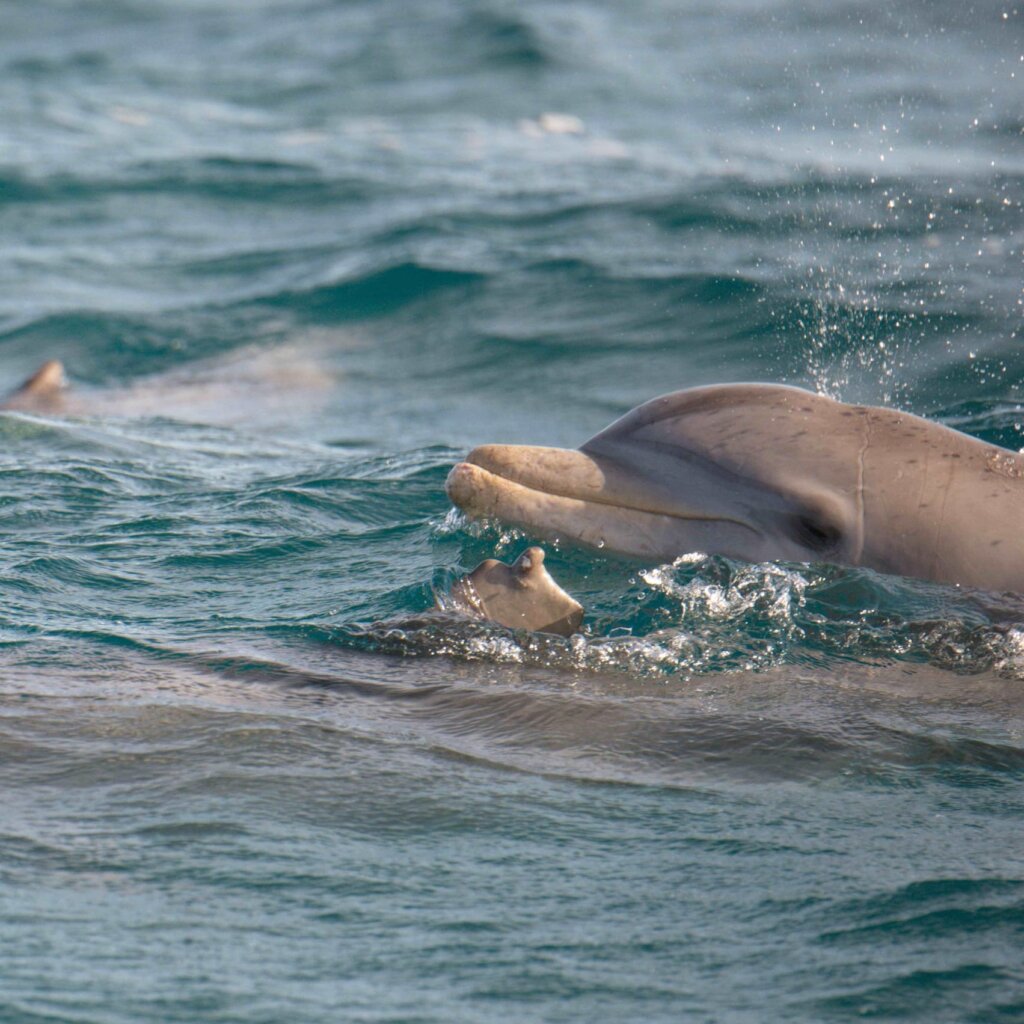
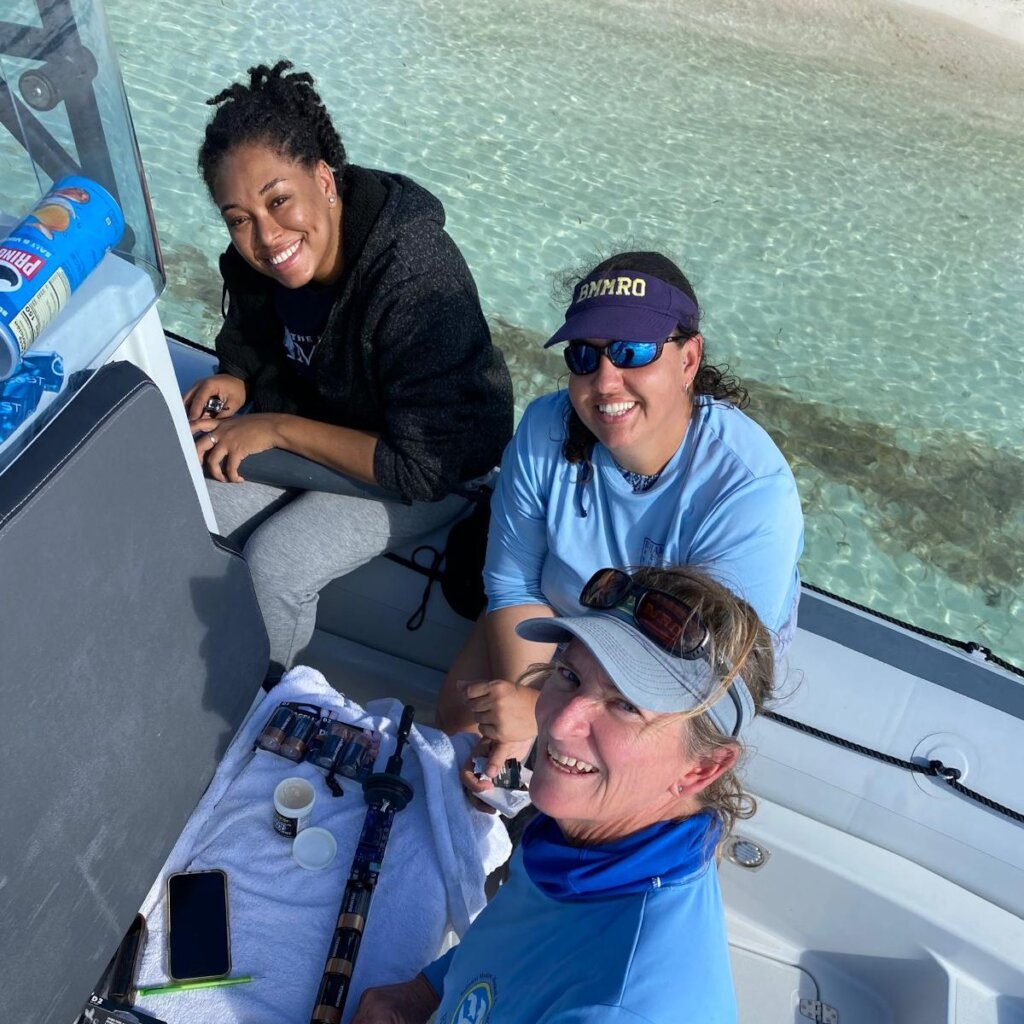
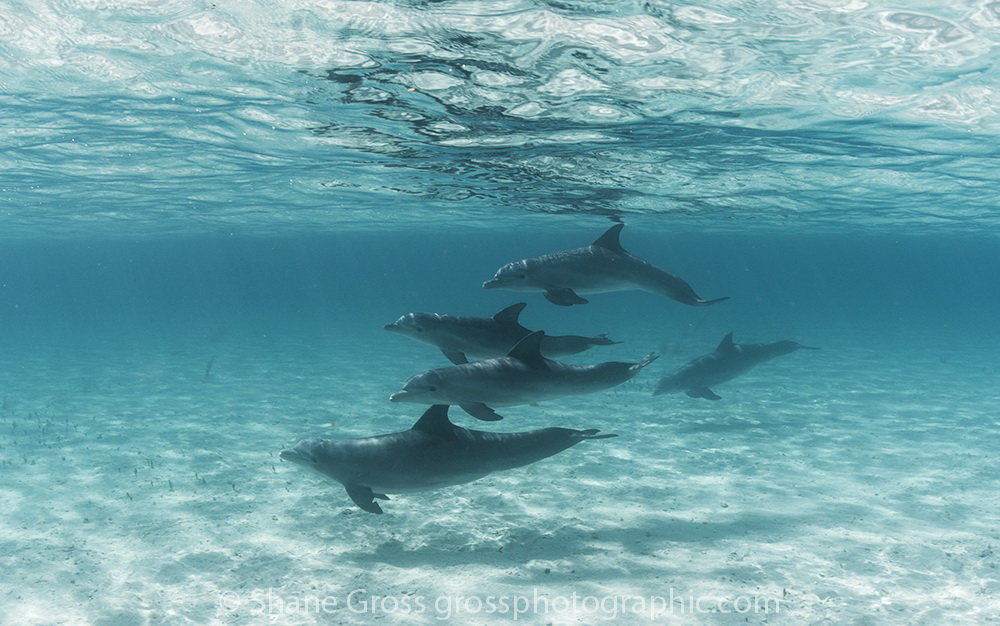
During a week of surveys for bottlenose dolphins in the Sea of Abaco in December 2024, we encountered dolphins four separate times, resulting in photographs of 18 individual dolphins. There were three mother-calf pairs and at least nine of the dolphins are individuals we have seen before and are in our catalogue, two of which were first documented in The Sea of Abaco thirty years ago! We also continue to retrieve and redeploy our acoustic recorders that are monitoring the ambient noise and detecting dolphin presence in the area.
Project reports on GlobalGiving are posted directly to globalgiving.org by Project Leaders as they are completed, generally every 3-4 months. To protect the integrity of these documents, GlobalGiving does not alter them; therefore you may find some language or formatting issues.
If you donate to this project or have donated to this project, you can receive an email when this project posts a report. You can also subscribe for reports without donating.



Support this important cause by creating a personalized fundraising page.
Start a Fundraiser