By Rai Farrelly | Co-Founder, Project Wezesha
Dear Friends of Project Wezesha & Girls Education International,
Investing in Science, Technology, Education and Math (STEM) fields is a top priority for leaders of African nations. The current reality is that African nations: 1) do not have enough students pursuing education in STEM dicsiplines; 2) do not invest enough into STEM research; and yet, 3) are dependent on the development of STEM fields for economic growth and the ability to compete in an increasingly technological global society.
An article on the impact of STEM education on young learners cites several key reasons to invest in STEM education. Here are a few excerpts fro their list:
• It prepares kids for the technological innovations they will undoubtedly experience in their lifetime. In the past 60 years, technology has changed the way we function as a society, from the invention of the Internet (1960), GPS technologies (1978), to DNA fingerprinting (1984), and of course, the iPod (2001). It’s difficult to step back and consider our current world without these advancements, which makes the STEM-based inventions of the future equally, if not more, exciting and filled with promise.
• It teaches problem-solving skills. “STEM helps kids analyze a problem,” says Dennis Chan, founder and director of RoboMindTech in Queens.
• It instills creativity. “It’s important to realize that creativity can co-exist with science and technology,” Chan says. STEM skills also lead to creative careers, not just lab coats. Art and architecture are great examples, according to Chan, of the two scopes co-existing.
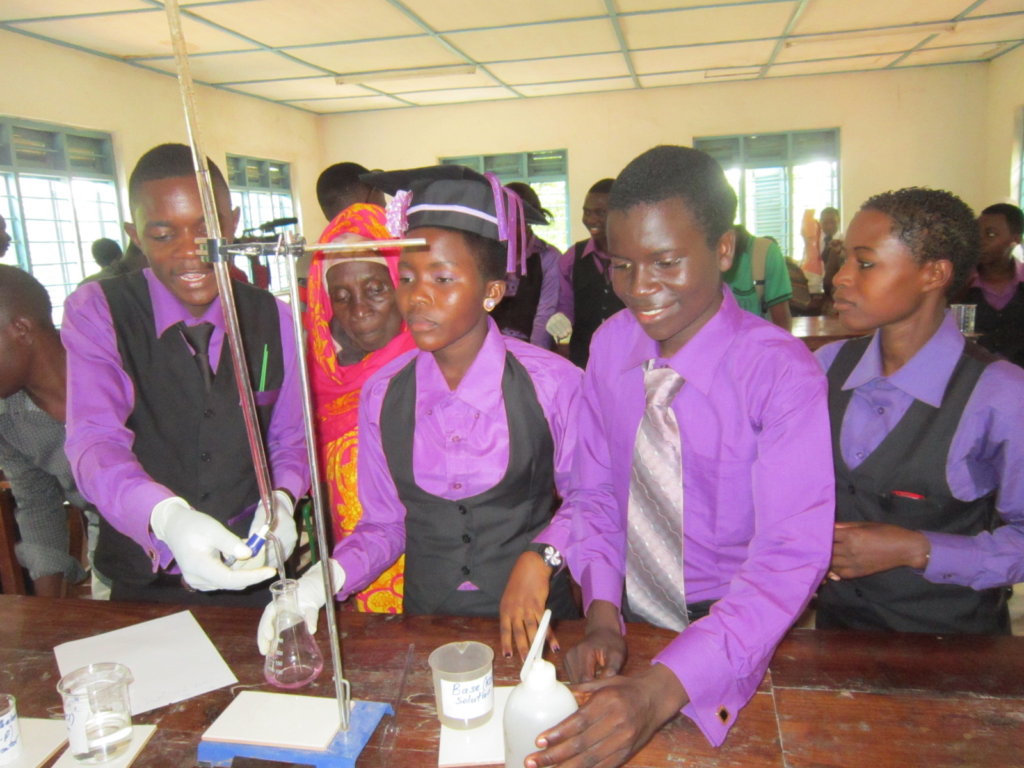
Let's just say, it's quite a priority around the world, and Tanzania is no excpetion. There are some great initiatives taking place in Tanzania, but many of them are centralized in the capital of Dar es Salaam or in larger cities, such as Arusha. Bringing STEM to the more remote regions broadens the base of knowledge for Tanzania as a country. For this reason, we don't trivialize the significance of adding a stem lab to village secondary schools.
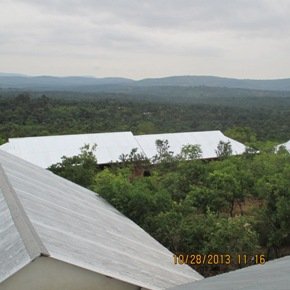
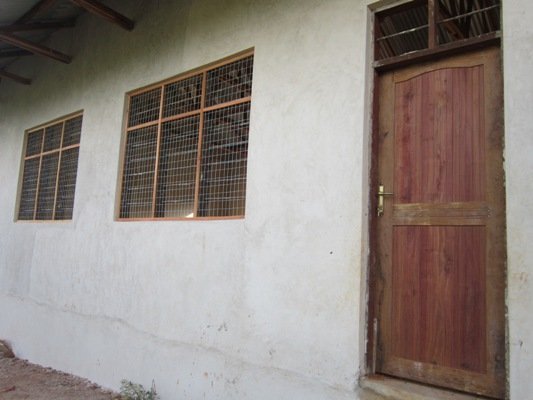
Our campaign to add laboratories to Amahoro Secondary School continues. Currently we are in the early stages - focusing on raising enough funds to get these labs up and running. We have some basic construction to complete before the fun stuff can be brought in for actual experimentation.
In the meantime, please share this project with friends and let others know that we are on a mission to 'grow' science knowledge in and around Mgaraganza Village! If you have any fun events coming up - birthdays, showers, weddings, etc. - consider using GlobalGiving's fundraising tool to direct gift contributions to this project. You can personalize a fundraiser and share the link with friends. And, if you're working in a STEM field and would like to connect with a student as a mentor or help us provide specific equipment to the school, please do reach out!
We're looking forward to sharing more updates in the future, but for now - hang with us as we continue to raise capital and bring these labs to reality!
Cheers,
Rai Farrelly & Lucas Lameck
Co-founders, Project Wezesha
Follow us on Facebook!
Project reports on GlobalGiving are posted directly to globalgiving.org by Project Leaders as they are completed, generally every 3-4 months. To protect the integrity of these documents, GlobalGiving does not alter them; therefore you may find some language or formatting issues.
If you donate to this project or have donated to this project, you can receive an email when this project posts a report. You can also subscribe for reports without donating.