By Rai Farrelly | Co-Founder, Project Wezesha
Dear Project Wezesha Supporters,
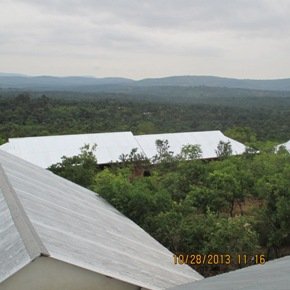
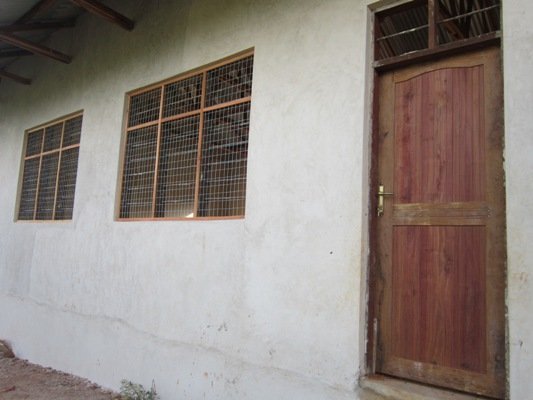
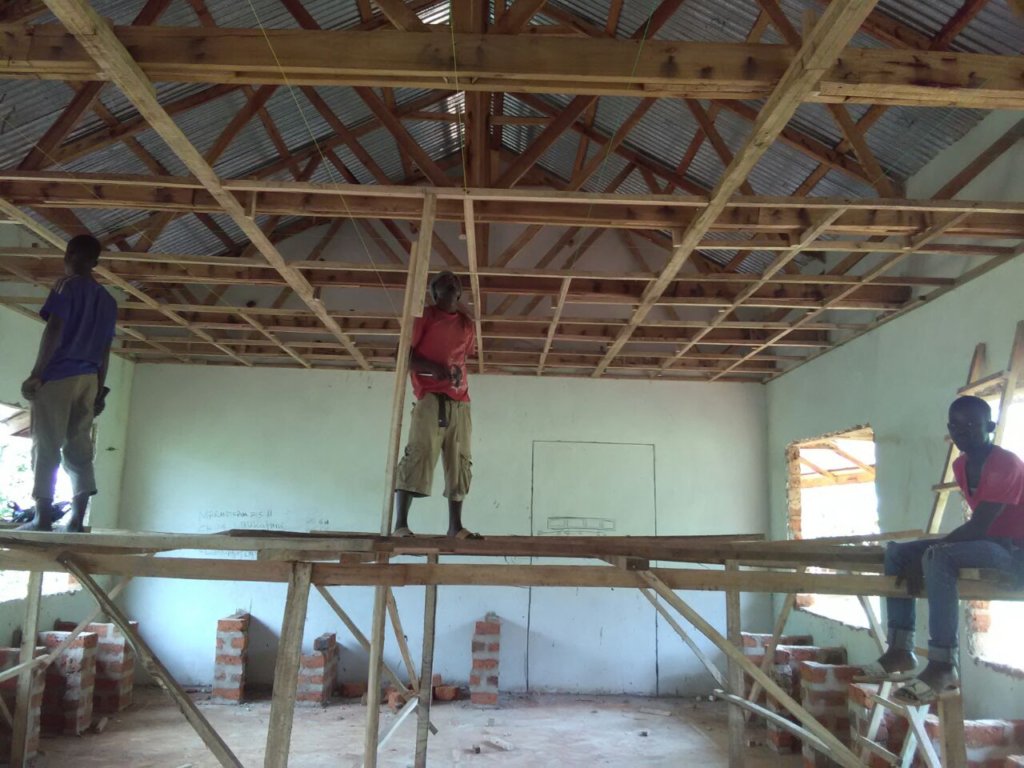
Our STEM labs are coming right along. The picture (below) from November shows some of the recent work that was done to build the roof for the laboratory. The building codes for labs ensure appropriate ventilation so that our students are safe when working with different chemicals.
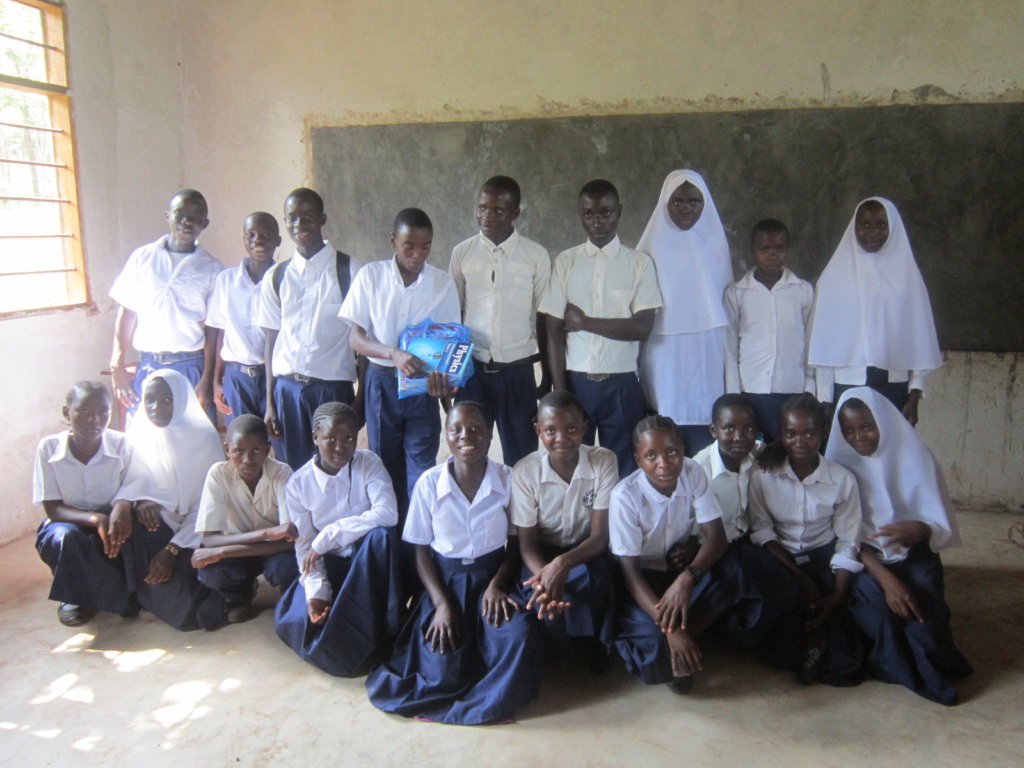
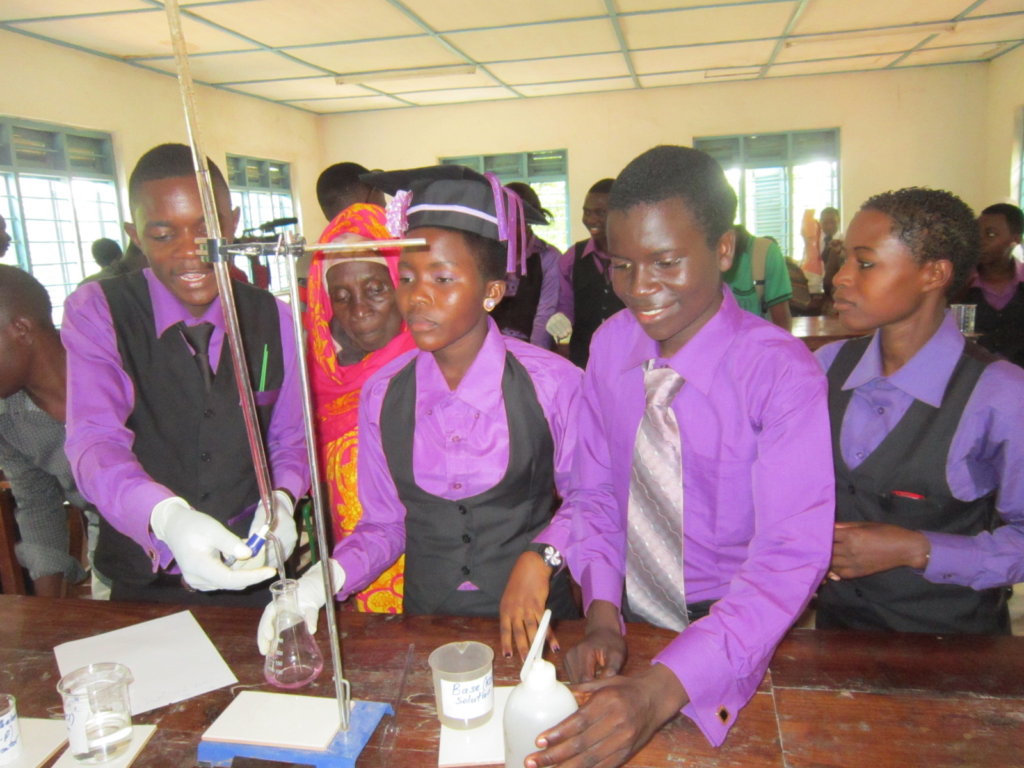
Each time we interview our students about what career they are interested in pursuing, the most frequent responses include engineer, doctor and nurse. With these interests in mind, we're so excited that Amahoro Secondary School will soon have a designated space for students to study science, engineering and math hands on. Even our students who wish to be teachers will need a sound STEM education so that they can become the future Science and Math teachers of Tanzania.
“In the 21st century, scientific and technological innovations have become increasingly important as we face the benefits and challenges of both globalization and a knowledge-based economy. To succeed in this new information-based and highly technological society, students need to develop their capabilities in STEM to levels much beyond what was considered acceptable in the past.” (National Science Foundation)
The reality is that technology is not slowing down so that everyone's STEM literacy can catch up. More and more young people have smart phones, even in remote villages. They are using What's App to communicate across borders. They are using Google and YouTube to learn about the world beyond. But, along with these technologies, it's crucial that they develop important higher order thinking and reasoning skills to question the value and legitimacy of what they are consuming online. STEM subjects provide excellent strategies for developing these skills and many more!
According to the National Science Teachers Association (NSTA), students must be encouraged to use observational data and problem-solving as they explore science, technology, engineering and math. This is most successfully accomplished through hands-on learning experiences. NSTA argues that students should have opportunities to collect data every week in laboratory or field settings. Fortunately, Amahoro Secondary School is situated in a perfect environment for field experience - the ecology of the area is very diverse and rich with indigenous trees and native species. Laboratory experience will broaden the science knowledge base they need to advance their studies and compete in the workforce.
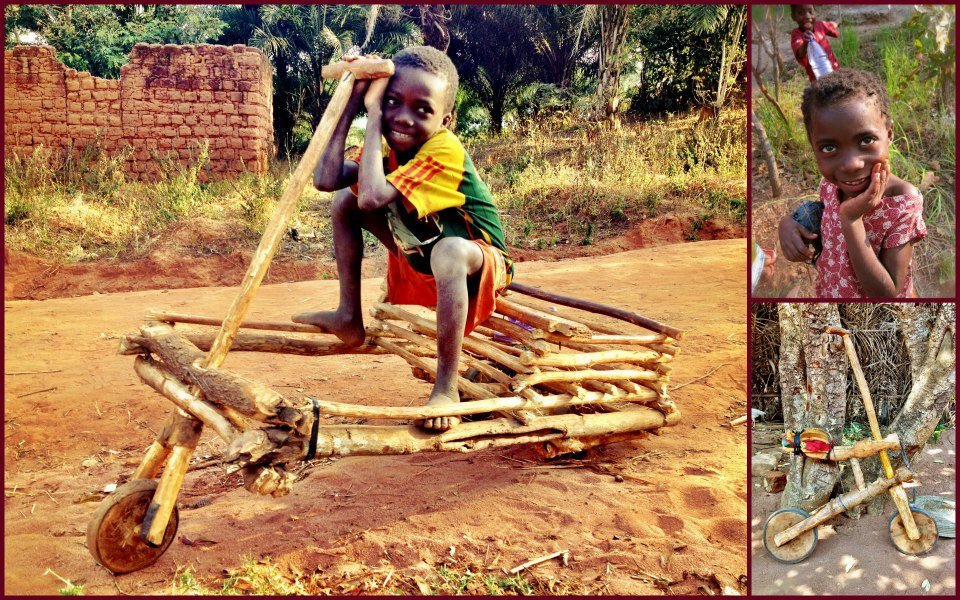
In addition to science knowledge, laboratory experience contributes to the development of important 21st Century skills including communication, creative and critical thinking, and collaboration. Most of our students have boundless creativity, just look at the amazing bikes they build from branches and twine (see picture above). With a little support from qualified teachers to explore problems methodically, imagine what they can make happen!
We'll keep you posted and send an update from the field when I return to Tanzania in June!
Much gratitude for your continued support!
Sincerely,
Rai Farrelly
Co-Founder, Project Wezesha
Project reports on GlobalGiving are posted directly to globalgiving.org by Project Leaders as they are completed, generally every 3-4 months. To protect the integrity of these documents, GlobalGiving does not alter them; therefore you may find some language or formatting issues.
If you donate to this project or have donated to this project, you can receive an email when this project posts a report. You can also subscribe for reports without donating.