By Greg Bonin | Seed Programs International
Hi folks,
Today’s project update comes from GrowEastAfrica, an SPI partner who works with IDP (Internally Displaced Persons) families in Soyama, Ethiopia. If their name sounds familiar, that’s because we’ve been working with them since 2016 back when they were DBCO, and we’ve shared some of their story before.
“GrowEastAfrica’s agricultural projects work with vulnerable farmers, many of whom are women, by training them in improved practical agricultural methods, helping them access quality agricultural inputs and technology, and linking them to viable markets. Such efforts help farmers grow more food for themselves or to sell. In doing so, farmers are able to prevent hunger, preserve land for future use, and obtain long lasting food security.” — Yohannes Chonde
GrowEastAfrica’s co-founder, Yohannes Chonde, has adapted their programs over the years to meet the most urgent needs of the families they serve. They not only provide a short-term solution for folks who are fleeing their homes and establishing new lives, but they are moving toward long-term solutions that enroll and integrate local communities in ways that benefit both groups.
For instance, water is scarce in Ethiopia, and water access is critical for everyone — not just farmers. Rather than competing with the community, they’ve worked to establish reliable water sources for their farmers in collaboration with the local community.
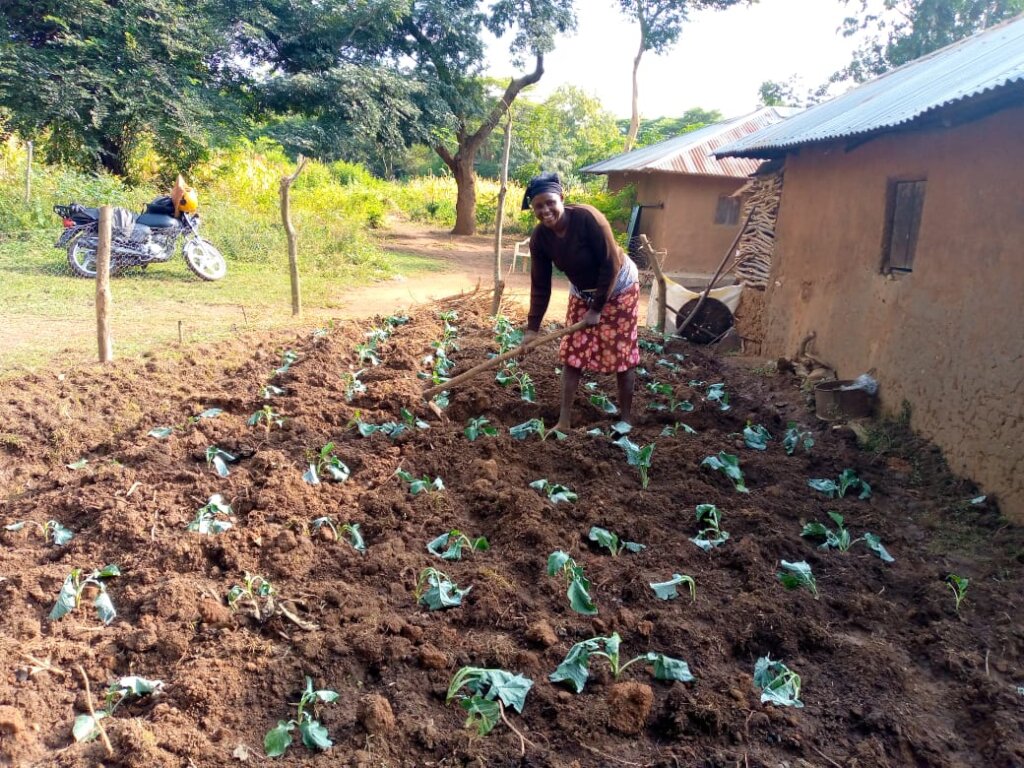
Yohannes knows that access to farming resources — like good seed, tools, and training — can change life for someone who has been displaced. To be clear, these resources are not a handout. Farming is hard work that requires both manual labor and expertise. GrowEastAfrica’s programs strive not only to provide access to resources, but also to educate and train farmers who can pass on their knowledge and training to other farmers.
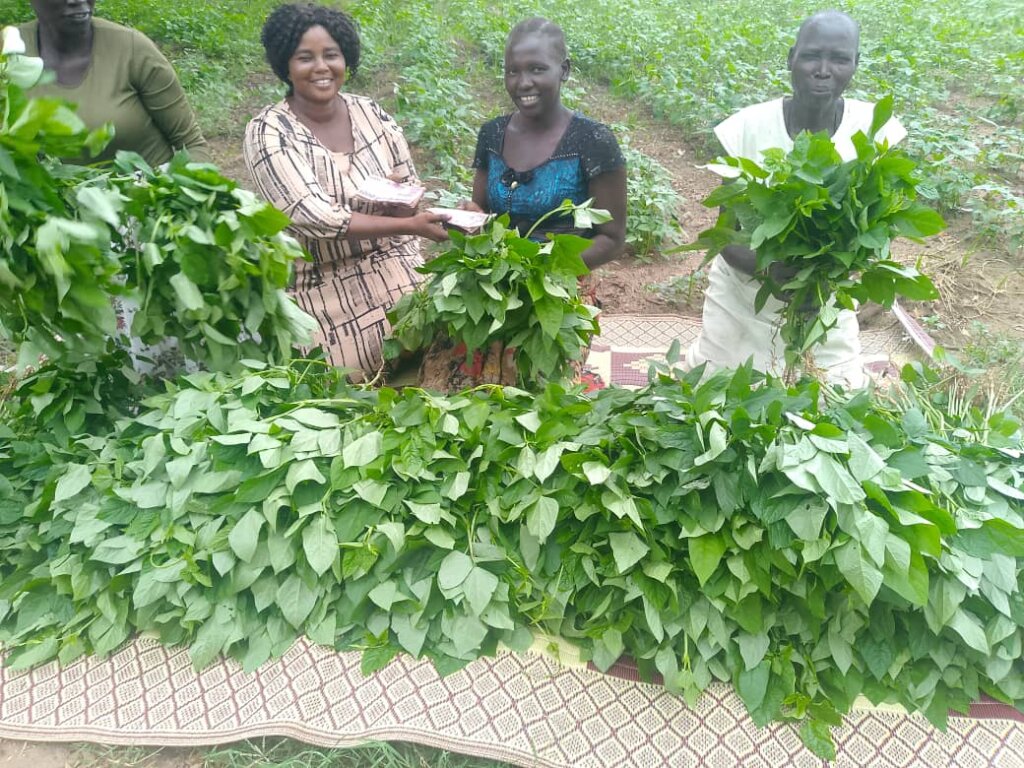
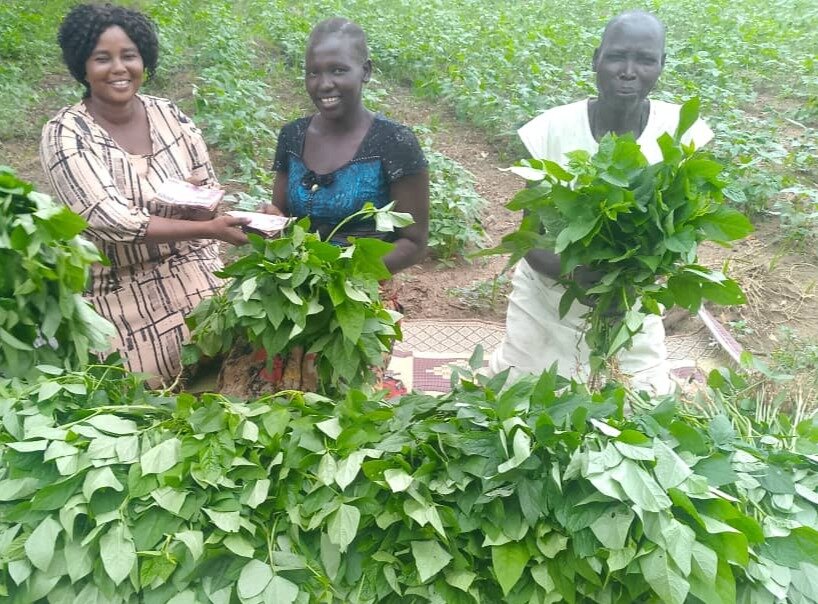
Fate is one farmer who has forged a new livelihood from the resources and education she accessed through GrowEastAfrica. Fleeing dangerous conditions, she left everything behind to start her life over in Soyama. Soon after arriving, Fate participated in farming and postharvest training with the Soyama Women’s Association offered by GrowEastAfrica in collaboration with the Burji District Agricultural Department. As one of the first participants, she’s witnessed how her community has changed because of GrowEastAfrica and her community’s determination to reestablish themselves:
“Just a few years ago, we were a community that was worried about what we would eat tomorrow and what the future looks like. … Today, not only are we growing our own food, but we're making plans for the future of our people and our community.”
Fate’s journey is one of survival and resilience. Building upon her training, she’s stepped into leadership with her Association to increase her community’s self-reliance:
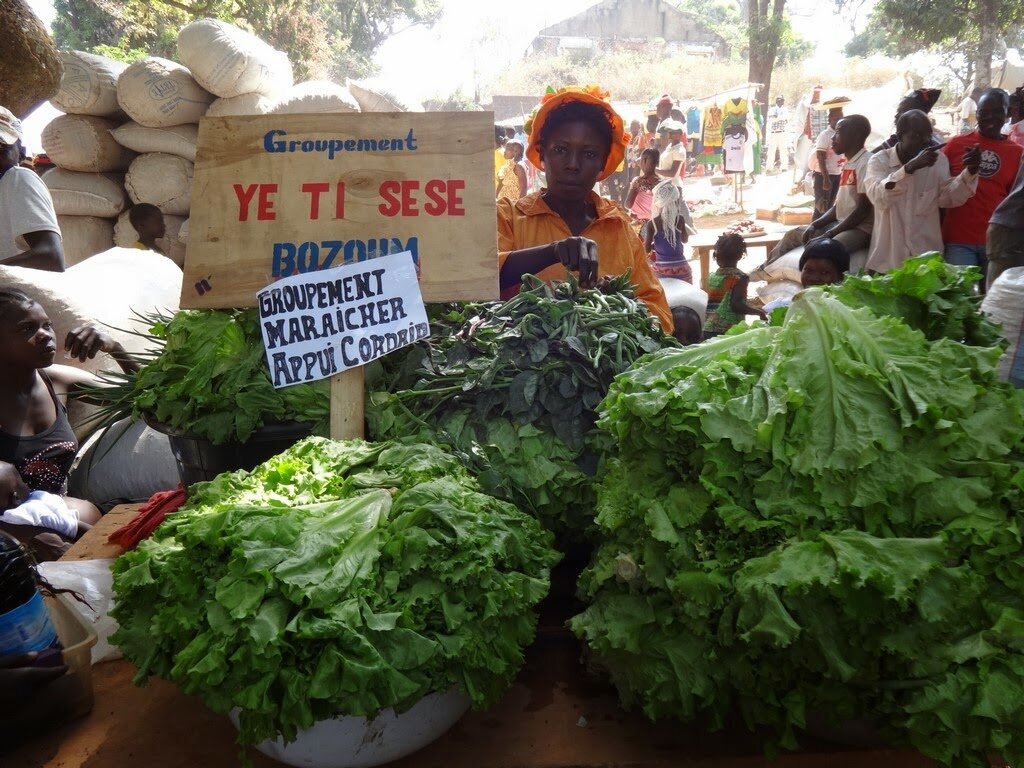
“We are creating markets for ourselves, we're inspiring and empowering each other, and we're saving money and contributing to our own development. … We’re building on what we’ve already accomplished to include neighboring villages and communities. Hope has come back to us, and we hope to grow our project so everyone — us, our communities, our villages and our country — can become fully self-reliant.”
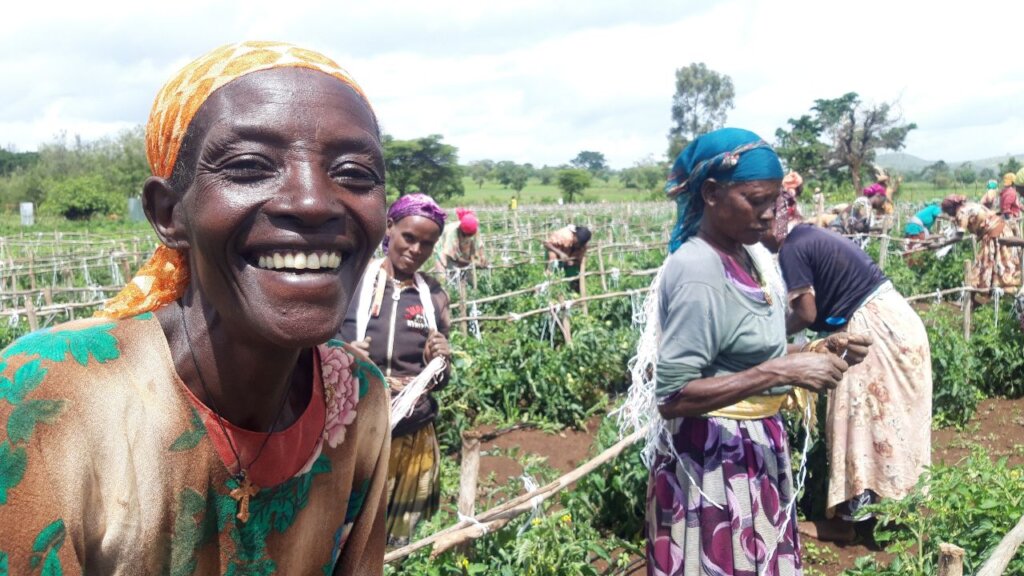
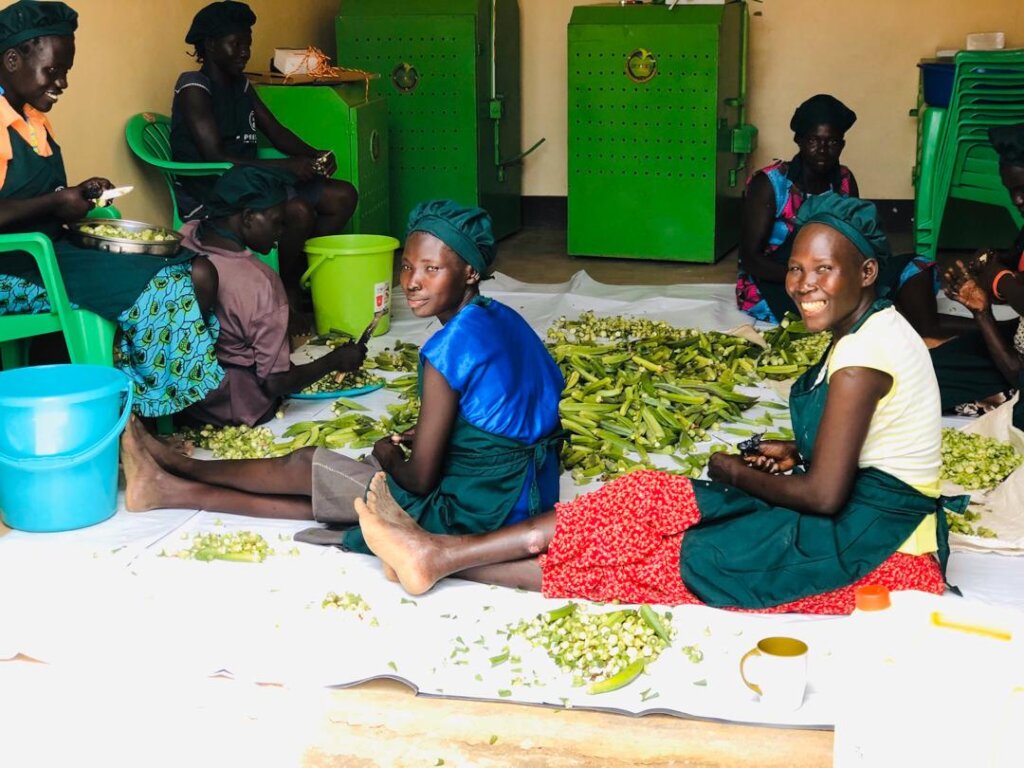
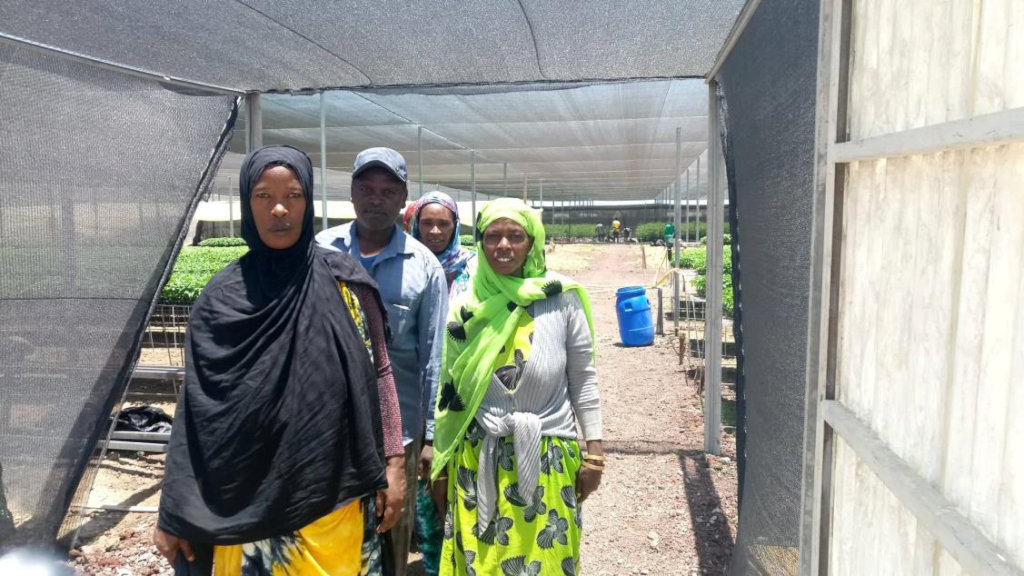
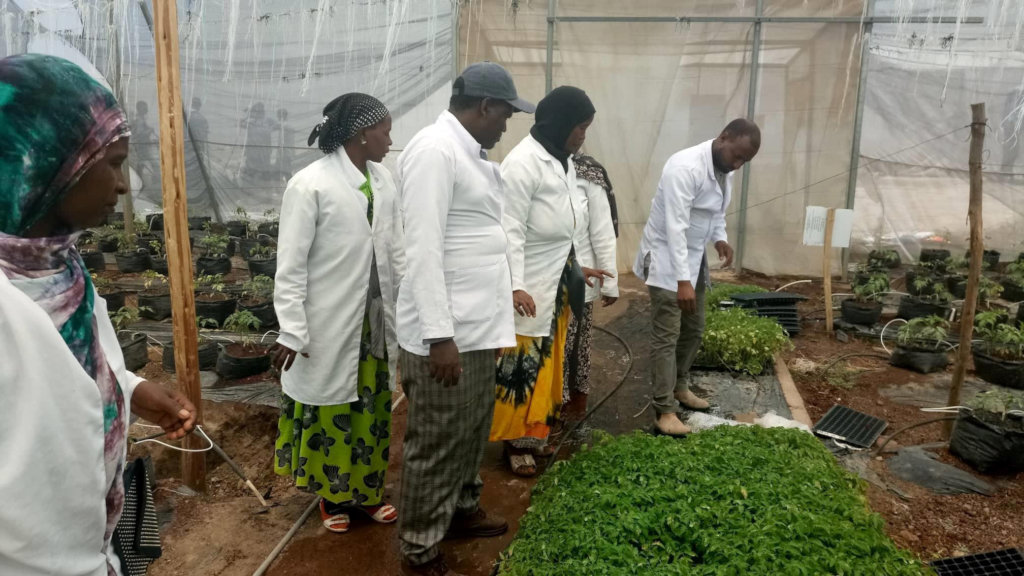
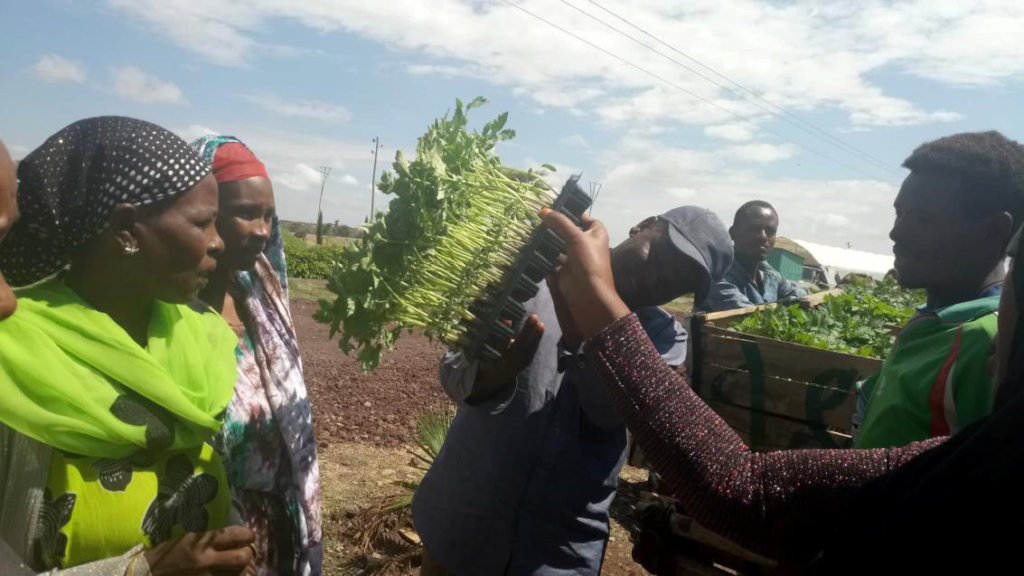
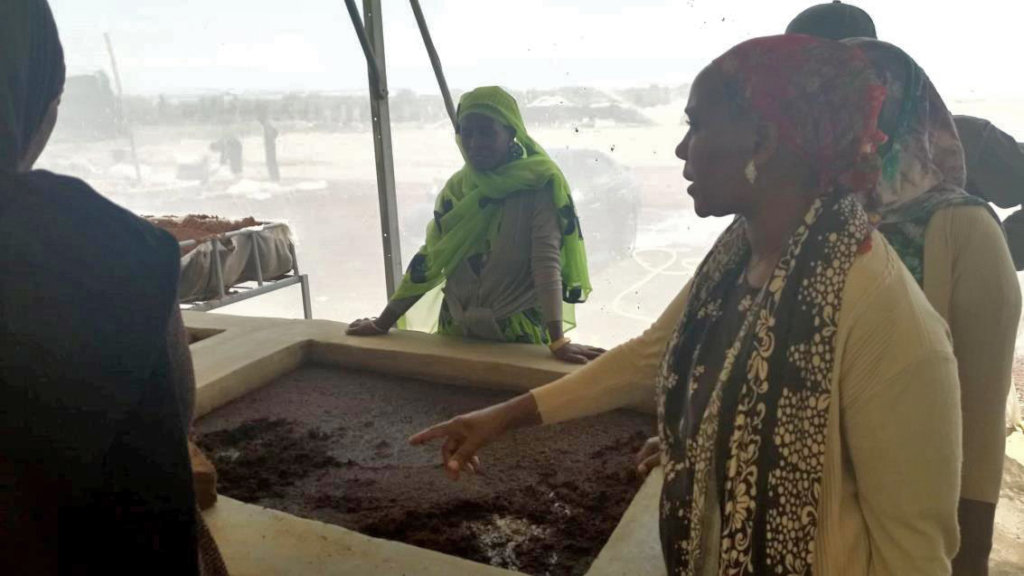
Fate and her Association are continually seeking new ways to learn and grow. Working with GrowEastAfrica, they are refining the Association’s supply chain to reach larger markets. They recently visited a commercial farm to see different techniques demonstrated that they can incorporate into their own practices. Photos from that visit are attached to this report.
Your support makes these programs possible. Thank you. Earlier this year, Fate shared a letter of gratitude for your support and the partnership between SPI and GrowEastAfrica. We’ll leave you with her words.
“Because of the support from Seed Programs International and Yohannes, we now have access to water where there was none. ... Thank you for choosing to invest in our community and in our well-being. We are going to be good stewards of your trust and your resources and will continue to share updates of our growth and successes, as well as challenges, for many years to come.”
The SPI Team
P.S. If you’d like to read more frequent updates about GrowEastAfrica, they will be featured in our new Gardens Give Hope, Health, and Income in E. Africa project here on GlobalGiving.
Project reports on GlobalGiving are posted directly to globalgiving.org by Project Leaders as they are completed, generally every 3-4 months. To protect the integrity of these documents, GlobalGiving does not alter them; therefore you may find some language or formatting issues.
If you donate to this project or have donated to this project, you can receive an email when this project posts a report. You can also subscribe for reports without donating.



Support this important cause by creating a personalized fundraising page.
Start a Fundraiser