By Pamela Azaria | International Resources Associate
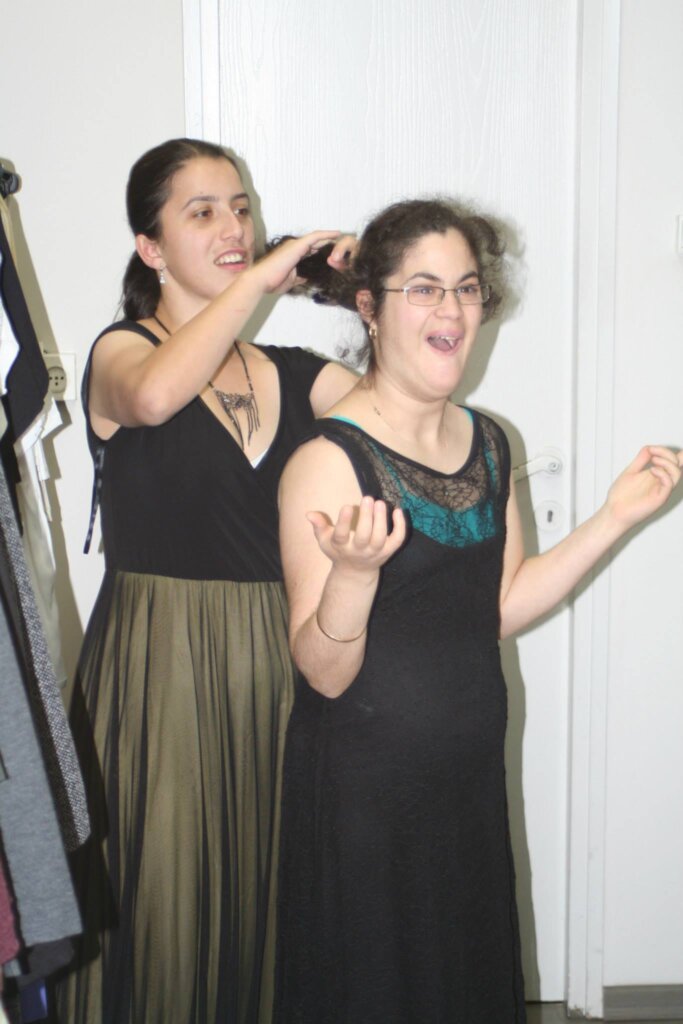
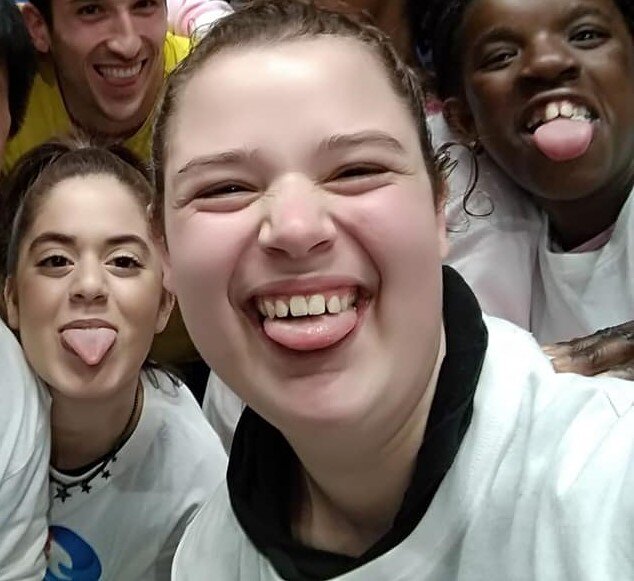
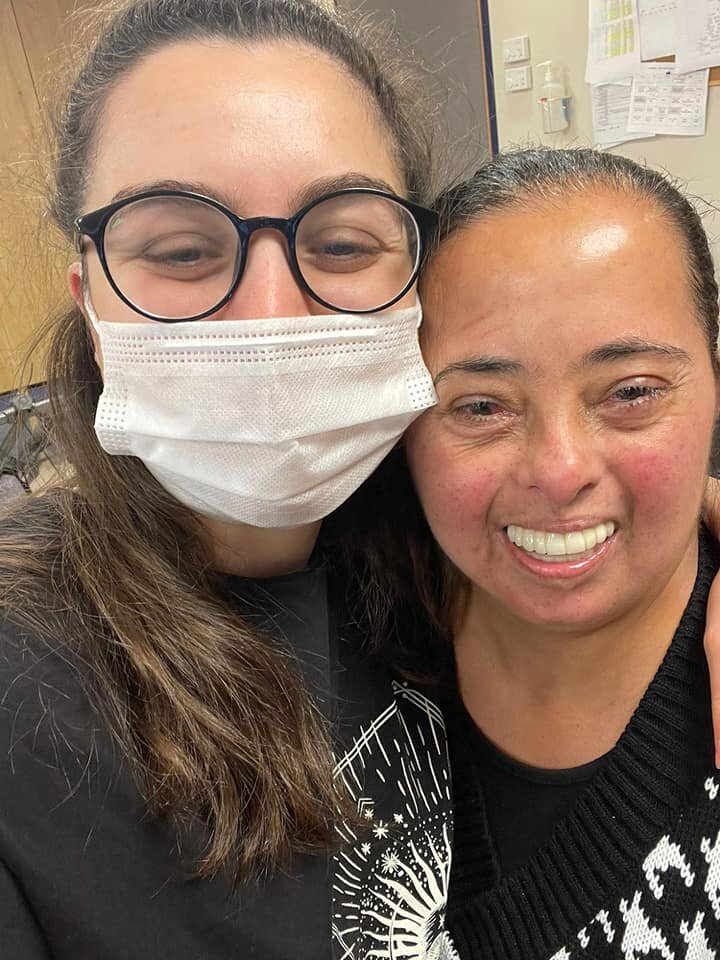
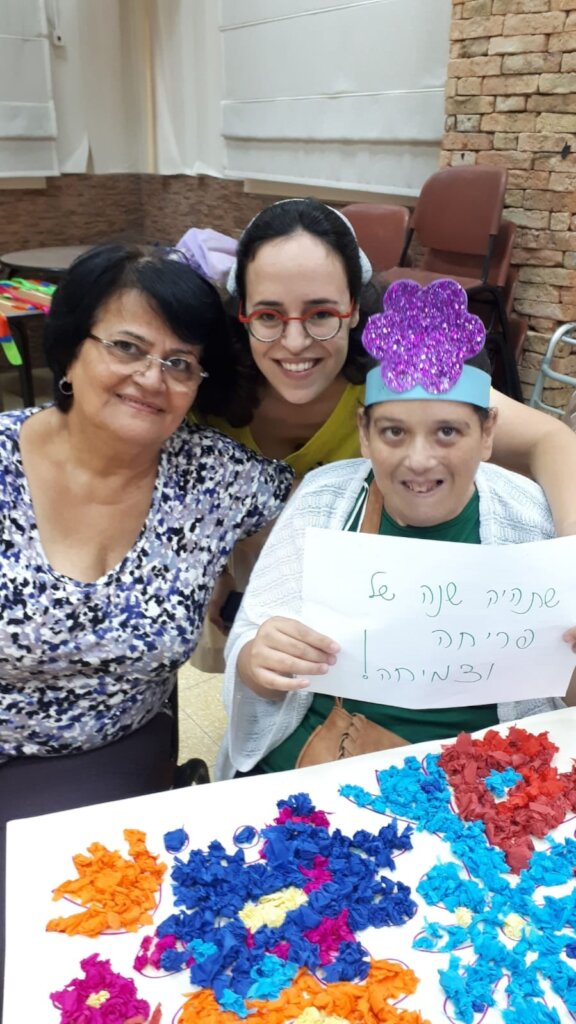
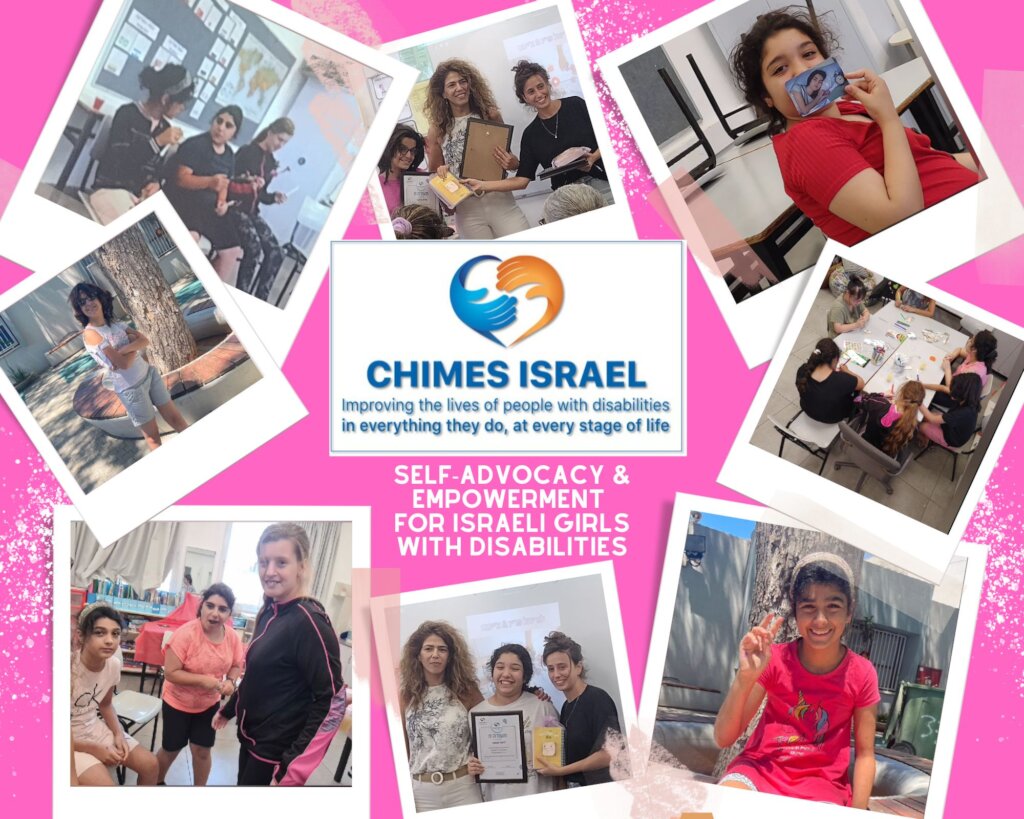
The goal of this project for girls and women with disabilities is to reduce possible situations of risk and harm; to help them identify and cope with risky situations; and for them to be aware of and able to utilize the assistance resources that suit their needs. The project discussions and activities cover the subjects of healthy and unhealthy relationships; early signs of harm and violence; empowerment through self-defense; and assistance and support resources in all matters related to violence, sexual harassment, and rape.
Past Workshops
For girls and young women, we held one workshop at our Enoch afterschool program. For women, we held one workshop each in our employment centers in Tel Aviv, Rosh HaAyin, Rishon LeZion,Taibe, and Kfar Saba.
An occurrence at the recent Taibe workshop confirmed that the participants had internalized the lesson on “empowerment,” We discovered that in the Arab community of Taibe, it was culturally mandatory to involve the parents due to the sensitive and sexual nature of the program’s information. Led by Arabs, we adapted the program to fit the needs of the Arab culture and assured the parents that they would not discuss culturally forbidden subjects. Once the workshop was well underway the leaders suggested that the participating women include their parents in the final meeting. They refused. They asserted it was their intimate meeting, a safe space between them, not for their parents. The fact they empowered themselves with the right to say “no,” understanding that the decision might not please others, tells us that they assimilated the entire program’s concept.
Our survey data and accounts from happenings in the workshops confirm that Chimes Israel’s empowerment programs have made a tremendous impact in helping women and girls with disabilities learn to protect themselves and seek help against harmful, abusive, violent, or exploitative relationships.
Expanding our Reach
Later this year, we will launch a 12-week program for men with disabilities. We will discuss issues for men with disabilities as well as healthy and unhealthy relationships; violence, sexual harassment, and rape. For this, we are rebuilding the syllabus, adapting content, and carefully choosing the location and pilot group.
We are developing follow-up refresher programs for those who completed the project to sustain their knowledge, peer group, and confidence. Integrating the program’s concepts into their consciousness this way also adapts our organization’s DNA to one of self-advocacy and empowerment.
We have also expanded the concept outside of our organization by hosting the “Not Just Women with Disabilities” webinar series with Maslan and Bizchut. Maslan is the Negev’s sexual assault and domestic violence support center. Bischut is Israel’s longest-running organization devoted to promoting the rights of people with disabilities.
We realized that to really change the system, we needed to change as an organization. With this intent, we developed a new program called: “Promoting Organization-wide Awareness of Exploitation and Trauma.” Within the program, we will formulate a clear organizational policy against exploitation and trauma of people with disabilities. We will equip all people attached to our organization with the necessary information and tools to identify and help address the problem. Educational intervention will be at all levels of the organizationfor employees, service recipients, and families. Objectives include: establishing an organization-wide professional discourse on the subject; furnishing employees with the skills to provide sensitive trauma and exploitation intervention and treatment; and providing the service recipients themselves and their families with tools to help them prevent exploitation and recover from trauma.
After the Chimes employees receive the trauma program training, we are considering revamping the program to have the local employees act as the leaders of the program’s refresher and ongoing education on the subject of empowerment, abuse, and exploitation.
Project reports on GlobalGiving are posted directly to globalgiving.org by Project Leaders as they are completed, generally every 3-4 months. To protect the integrity of these documents, GlobalGiving does not alter them; therefore you may find some language or formatting issues.
If you donate to this project or have donated to this project, you can receive an email when this project posts a report. You can also subscribe for reports without donating.



Support this important cause by creating a personalized fundraising page.
Start a Fundraiser