By Rai Farrelly | Board Member
Dear Girls Ed Supporters,
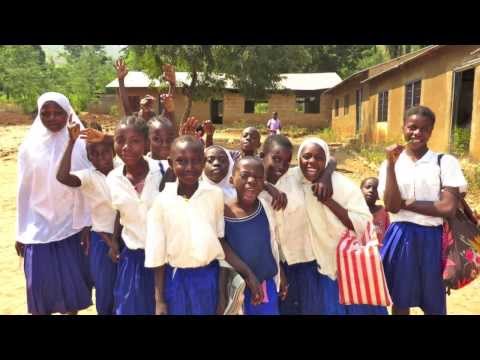
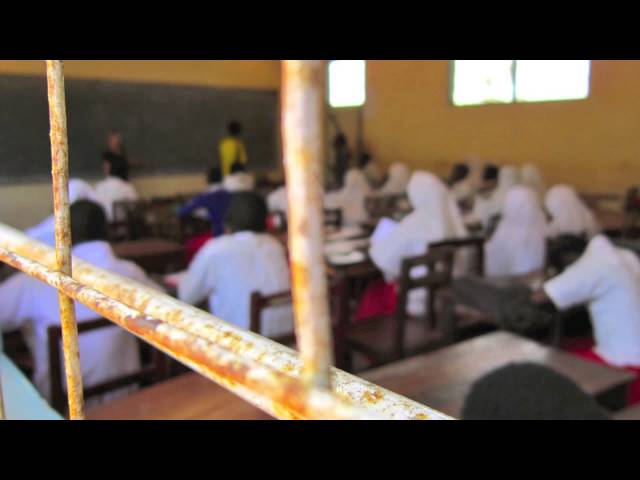
Thank you so much for your enthusiasm about the launch of our new program in Tanzania! We are very excited to have an official roster of girls that we will be supporting in the upcoming 2014 school year. The girls are all Standard 7 Primary School students who will be moving into secondary school in January. This report will let you know about the selection process and give you some information about the girls we have selected.
In the Spring of 2013, the Girls Ed board met and discussed the possibility of expanding our support of girls into Tanzania. The move seemed logical since we already partner with Project Wezesha who works in the Kigoma region. We have support on the ground through Lucas Lameck, co-founder of Project Wezesha. Lucas will work with Girls Ed to make sure that the girls’ school fees are paid and that their grades are reported to Girls Ed throughout the 4-year scholarship program.
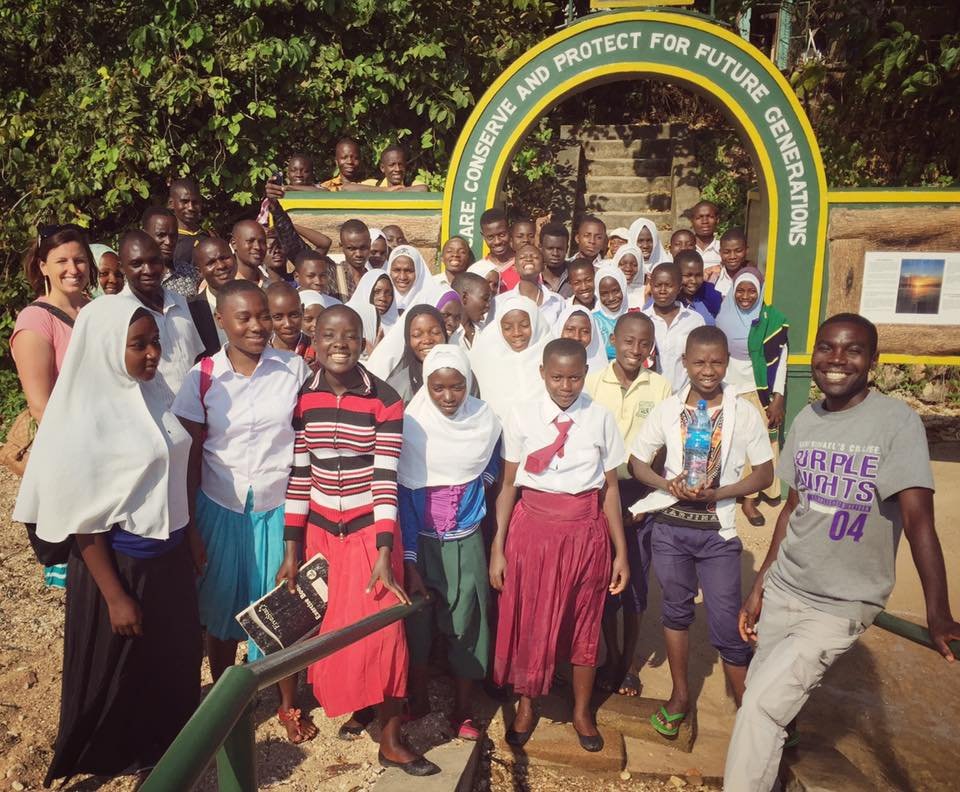
In July 2013, Lucas and I (Rai Farrelly) considered the number of primary schools in each of the 5 villages within the Kagongo Ward, from which we would select the girls. The Kagongo Ward includes the same villages that Project Wezesha works with - Mgaraganza, Kagongo, Kigaliye, Mtanga and Kalalangabo. The lakeside villages of Mtanga, Kalalangabo and Kigaliye each have one primary school, Kagongo has two and Mgaraganza has four - so we chose more girls from Mgaraganza and Kagongo villages than the lakeside villages.
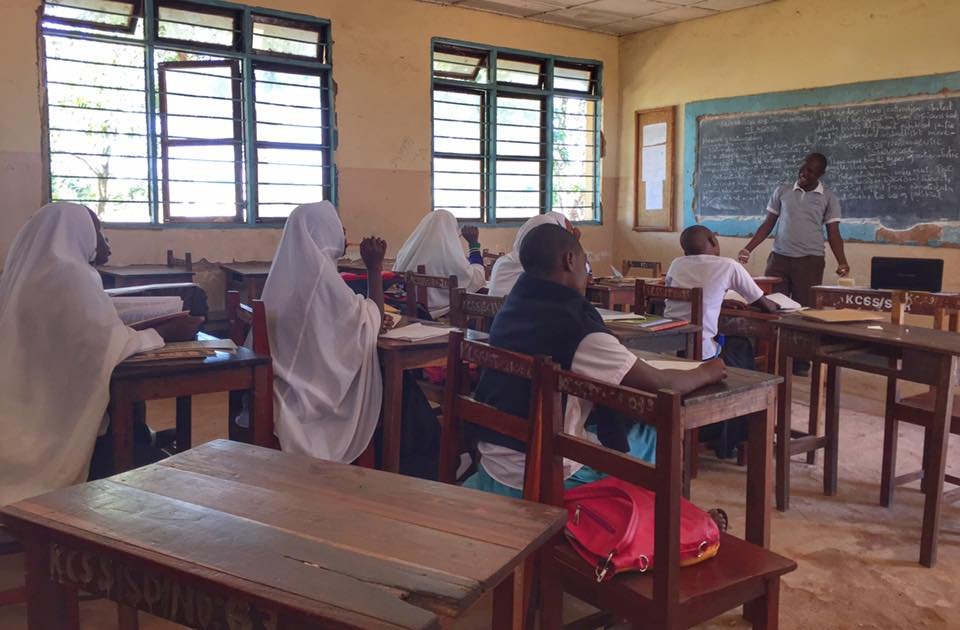
Success in secondary school depends on the foundations established in primary school, but even with decent scores in main subject areas in primary school, a key factor in secondary school success is English language. Tanzania still teaches all subjects in Swahili through primary school, then switches abruptly to English in secondary school. As a result, many secondary students struggle to understand the teachings of their mainstream courses - such as physics, math, geography - all of which are taught in English. With this in mind, we decided to provide scholarships to the top 3 girls in each standard 7 class that we targeted.
We delivered applications and met with head teachers at each primary school. We explained our program and how we were selecting the girls. The head teachers had a few days to calculate scores of the girls in standard 7 classes and have them complete their applications. The applications asked for personal information as well as short responses to two questions that targeted their personal interests and why they valued education, including what they wanted to do after school.
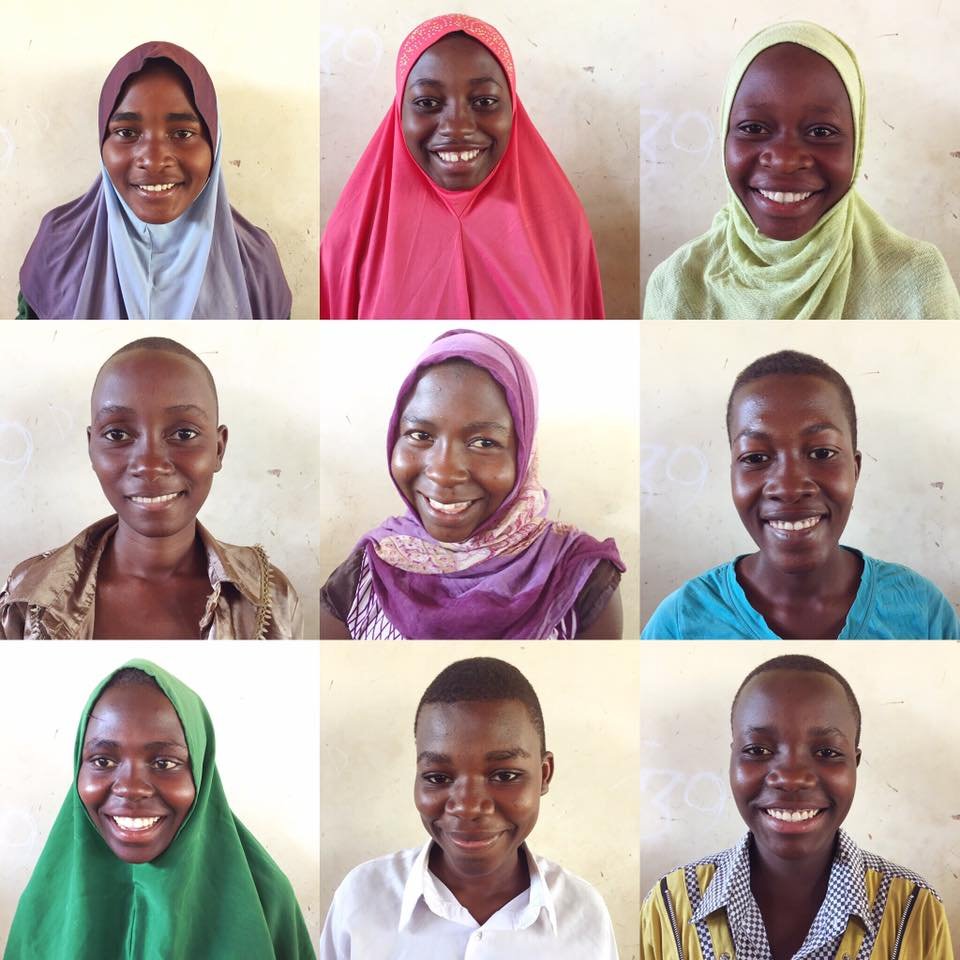
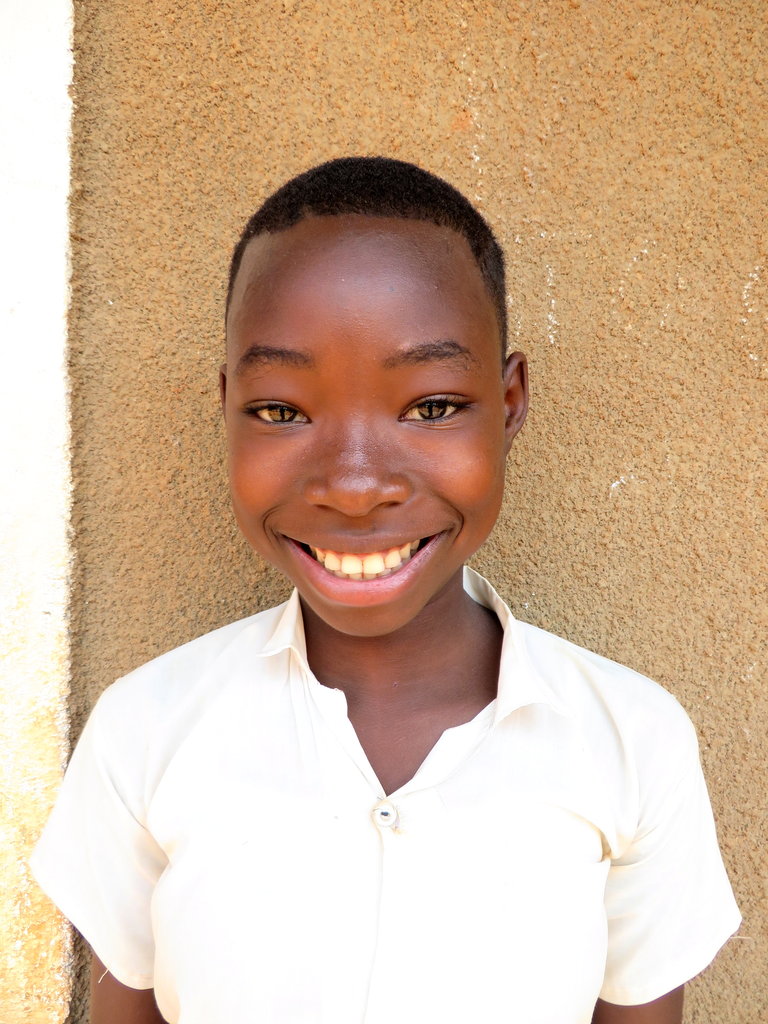
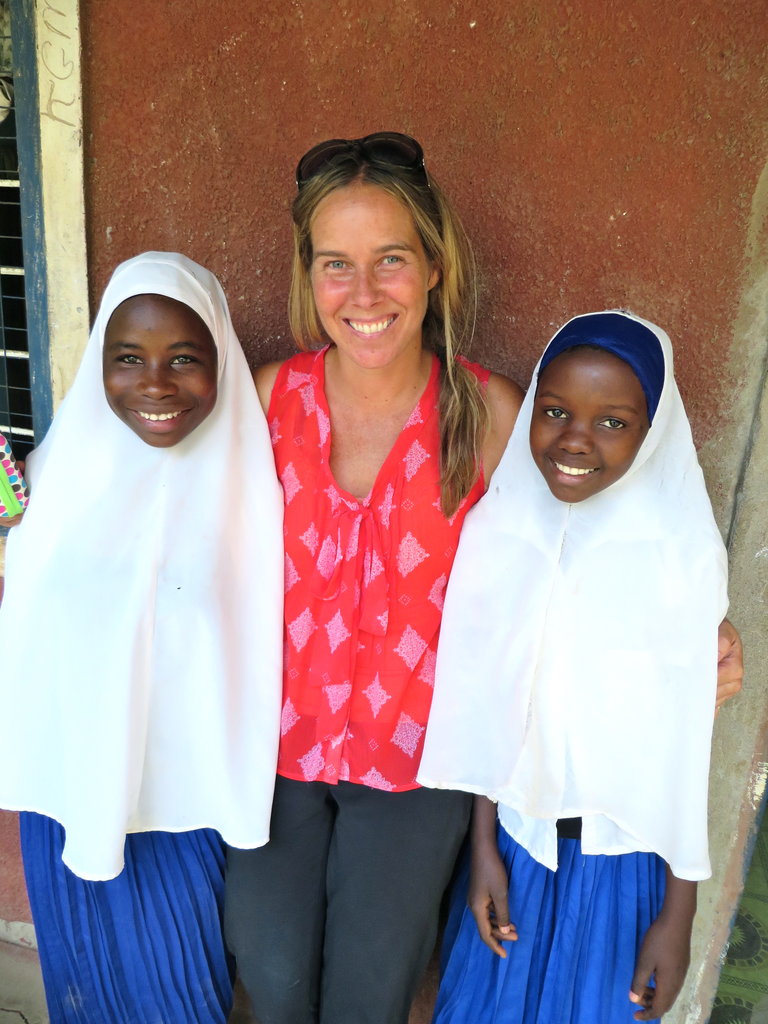
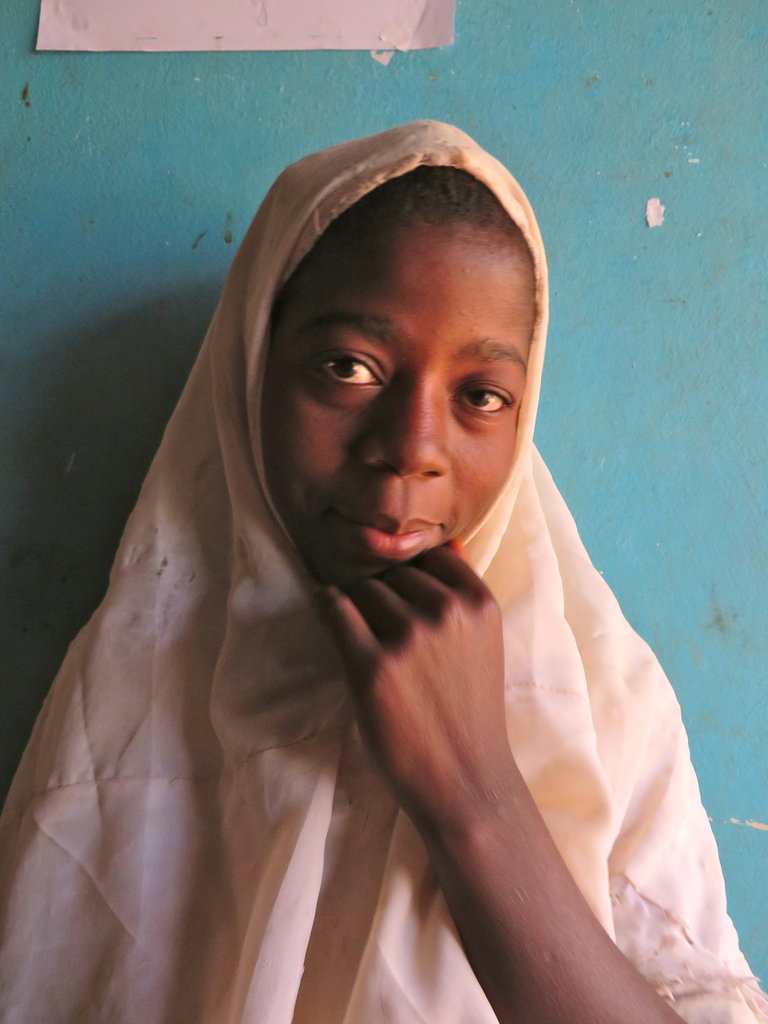
We returned to collect applications, meet the girls, congratulate them on being selected and take their pictures. As you can imagine, beneath several shy smiles and averted glances, all the girls were very excited. As the girls came in to the office, they kept straight faces and dropped to a squat position - a sign of respect or deference. I quickly asked each to stand up and walked over to shake their hands and exchange greetings in English (always making them smile at this point). Hi, how are you? What is your name? My name is Rai. My first question in Swahili was Do you want to go to secondary school? (Smiles grow with enthusiastic affirmative responses.) Then, Lucas and I explained the program and fielded any questions they had (which was always none). When we took pictures, they always gave me a good ‘poker face’ first, then I coaxed them until they showed me their beautiful smiles - the more natural look for all of them!
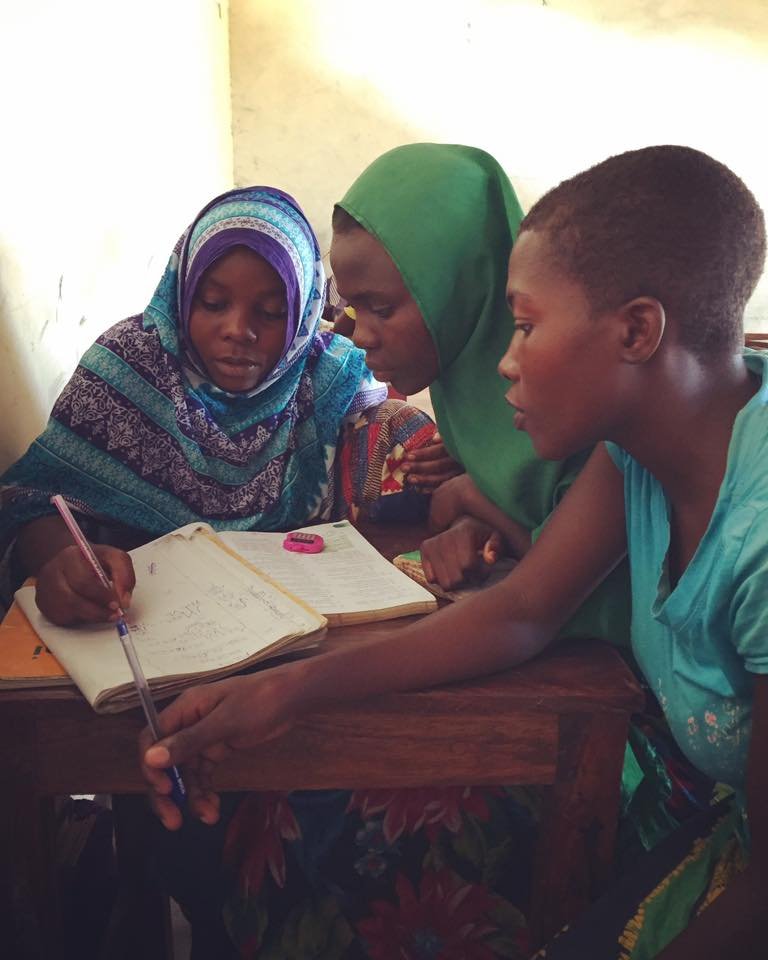
Now, we are happy to have 25 girls in our program! Among the girls, we have some who want to be teachers, nurses, and doctors. Their responses to ‘why is education important to you’ include: it will help me live a better life; it will help me teach people how to conserve the environment; it will help me to continue into higher education; it will help me to contribute to society.
The following 25 girls will be joining our program in January! (*Caveat: unfortunately, there is a national examination that the girls must pass to go to secondary school. We acknowledge that while we’ve chosen the top girls from each class, there is still the chance - especially from the more remote village schools where scores were lower on average - that some of our girls will not pass into secondary school. If this happens, we will either select girls who are currently in secondary school, in good standing, who cannot pay their school fees and face being sent home. Hopefully, this won’t come to pass - but we’ll keep you posted when the scores are back in December!).
Name, Age and Village (you can see pics of all the girls here)
Thank you for your continued support. Please consider sharing the work we're doing with friends and family who you think might be interested in chipping in so we can continue to provide scholarships to girls in LIberia, Pakistan and Tanzania.
Sincerely,
The Girls Ed Team
Links:
Project reports on GlobalGiving are posted directly to globalgiving.org by Project Leaders as they are completed, generally every 3-4 months. To protect the integrity of these documents, GlobalGiving does not alter them; therefore you may find some language or formatting issues.
If you donate to this project or have donated to this project, you can receive an email when this project posts a report. You can also subscribe for reports without donating.