By Luiza Coimbra | Communications
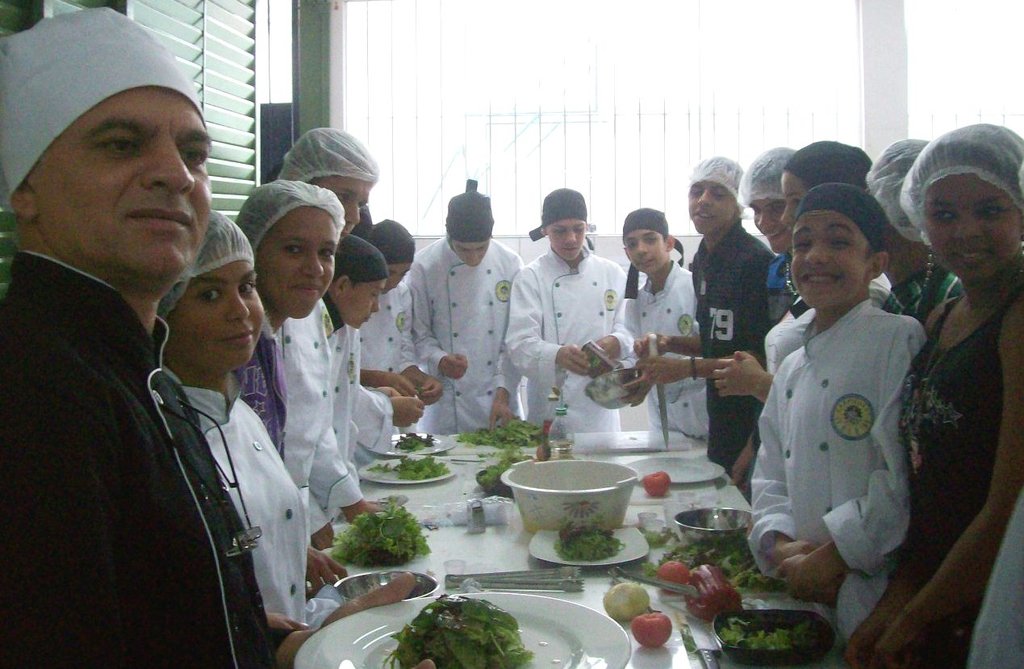
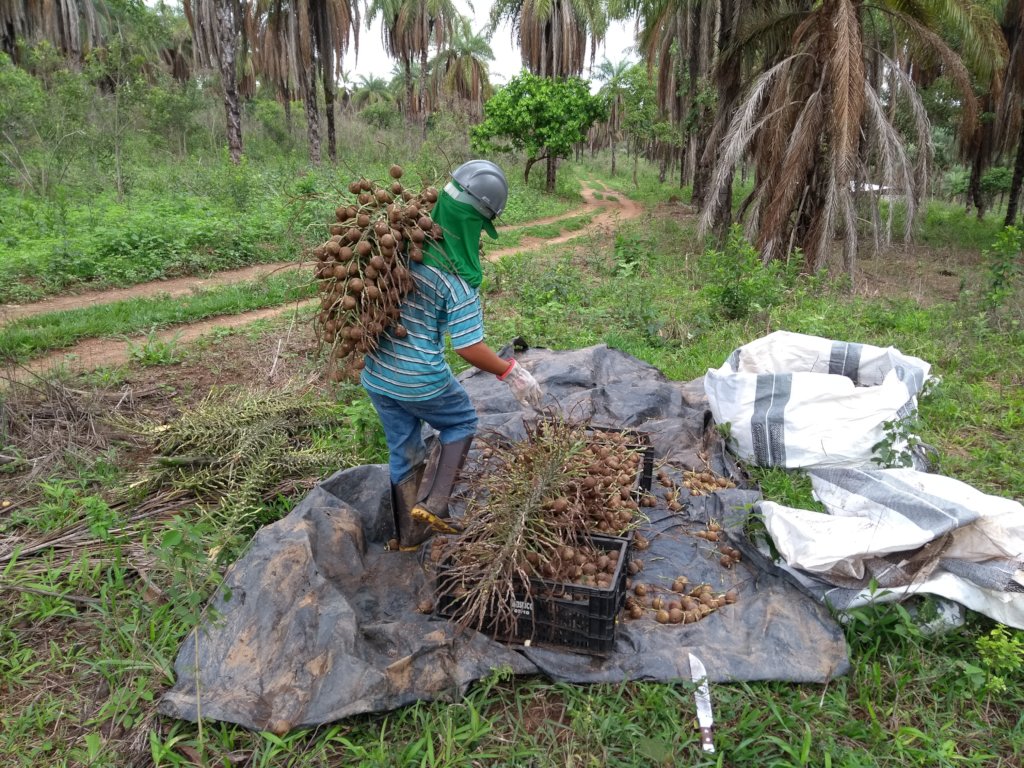
The macaúba palm, native to the Brazilian Cerrado, has great potential for extracting sustainable vegetable oil. With this in mind, INOCAS, a social business based in Patos de Minas - Brazil, decided to promote the sustainable extraction of the fruits of the native palm trees to leverage the productive chain of the organic macaúba. The initiative is supported by SITAWI and the Mahle Institute and is structured in three pillars: training and mobilization of family farmers for the sustainable extraction of organic native macaúba; access to public policies that benefit producers; and organic certification of the native product. The impact generated is related to social inclusion, the valorization of Brazilian biodiversity and the generation of work and income for family farmers.
The main innovation of INOCAS lies in its planting system and business model since the cultivation of macaúba in agroforestry systems allows for the production of large quantities of vegetable oil without negative impacts such as deforestation, land use change or land use.
The project aims to promote the productive chain of macaúba as a source of sustainable vegetable oil by increasing the production of organic quality foods, as well as generating inputs for cosmetics, chemicals, and fuels, replacing transgenics and other exclusive and degrading crops. Its cultivation takes place through agroforestry – the joint cultivation of agricultural crops - avoiding deforestation or changes in land use with the coexistence of agriculture in the same place.
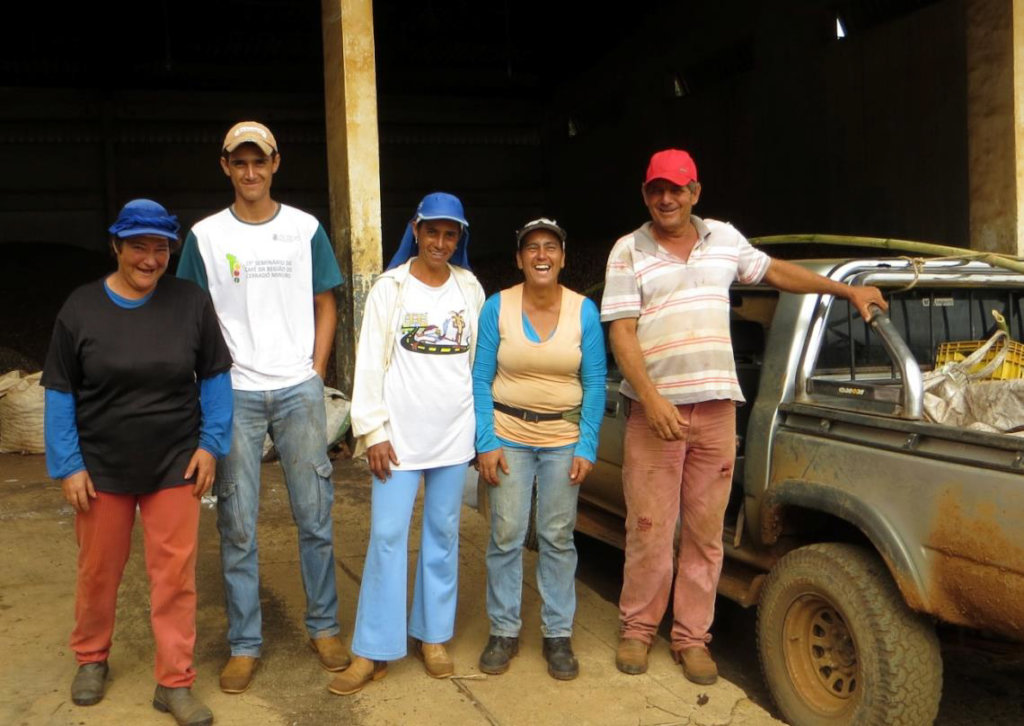
The project also generates benefits for workers. In Minas Gerais, more than 200,000 people work on coffee farms during the harvest season, which runs from May to September. After the coffee season, unemployment rates generally increase. The workers interviewed in the Leuphana University feasibility study earned on average R$ 73 per day, or R$ 1,600 per month with the native macaúba crop. This means that since the macaúba harvest occurs from October to January - that is, after the coffee harvest - it creates opportunities for additional income and better remuneration for the workers.
Project reports on GlobalGiving are posted directly to globalgiving.org by Project Leaders as they are completed, generally every 3-4 months. To protect the integrity of these documents, GlobalGiving does not alter them; therefore you may find some language or formatting issues.
If you donate to this project or have donated to this project, you can receive an email when this project posts a report. You can also subscribe for reports without donating.